Have you ever wondered why your garden doesn’t thrive like you hoped? You’re not alone. Many gardeners face the challenge of giving their plants the nutrients they need to flourish. Applying fertilizer might seem daunting, but it’s a crucial step to achieving that lush, vibrant garden you dream of.
Key Takeaways
- Types of Fertilizers: Understand the difference between organic and inorganic fertilizers. Organic options like compost and manure provide slow-release nutrients, while inorganic types offer quick nutrient supply.
- Soil Testing Importance: Conduct soil tests to assess nutrient levels and pH balance, ensuring you apply the correct fertilizer that meets your garden’s specific needs.
- Optimal Application Timing: Fertilize during active growth periods (spring and early summer) and avoid harsh weather conditions to maximize absorption and plant health.
- Application Techniques: Use various methods like broadcasting, side-dressing, liquid application, granular application, and fertilizer spikes for effective nutrient delivery.
- Common Mistakes: Avoid over-fertilizing and under-fertilizing by following product guidelines, weighing fertilizers, and regularly monitoring plant health for nutrient deficiencies.
- Essential Tools: Equip yourself with the right tools (spreaders, soil test kits, watering cans) to enhance the fertilization process and ensure even distribution of nutrients in your garden.
Understanding Fertilizer Types
Fertilizers come in various forms, each offering specific benefits to your garden. Understanding these types helps you select the right one for your plants’ needs.
Organic Fertilizers
Organic fertilizers derive from natural sources like compost, manure, and bone meal. They provide slow-release nutrients, which means they nourish plants over time, preventing root burn. Common examples include:
- Compost: Enriches soil with a balanced nutrient profile and improves soil health.
- Manure: Provides essential nitrogen and improves soil structure.
- Bone Meal: Offers phosphorus, promoting strong root development.
When using organic fertilizers, mix them into your soil or apply them on top. Follow the recommended application rates to avoid excess.
Inorganic Fertilizers
Inorganic fertilizers contain synthetic compounds that deliver nutrients efficiently. They offer a quick nutrient supply, ideal for rapid plant growth. Common types include:
- Granular Fertilizers: These slow-release options provide a steady nutrient supply. Spread them evenly over soil.
- Liquid Fertilizers: These fast-acting solutions can be applied directly to the soil or foliage for immediate uptake.
Check the nutrient analysis on the packaging to ensure it meets your plants’ needs. Avoid over-application, as it can lead to nutrient runoff and harm the environment.
Preparing Your Garden for Fertilization
Preparing your garden ensures effective fertilization and healthy plants. Follow these steps to set the stage for successful nutrient application.
Recommended Products
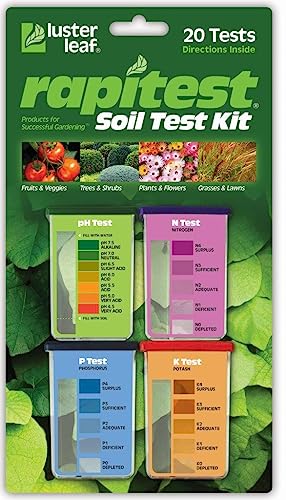
Quick, at home results for Soil pH, Nitrogen, Phosphorous and Potash Innovative and inexpensive soil test kit features an easy-to-use capsule system and patented color comparators

Quick, at home results for Soil pH, Nitrogen, Phosphrous and Potash

KNOW BEFORE YOU GROW | Grow the healthiest, sustainable lawn and garden with the most accurate and easy to use professional soil test kit on the market
Soil Testing
Soil testing reveals nutrient levels and pH balance, essential for effective fertilization. Use a soil test kit to collect samples from various spots in your garden. Send the samples to a lab or use a DIY kit for immediate results.
- Identify nutrient deficiencies, like nitrogen, phosphorus, or potassium.
- Assess pH levels; most plants thrive in a range between 6.0 and 7.0.
- Adjust soil based on results, adding lime to raise pH or sulfur to lower it if needed.
Choosing the Right Time
Selecting the optimal time for fertilization maximizes the benefits for your plants.
- Fertilize during active growth periods. For most plants, this is spring and early summer.
- Apply fertilizer in the morning or late afternoon to avoid burning plants under direct sunlight.
- Avoid fertilizing during extreme weather, like heavy rain or drought, which can affect absorption.
By testing your soil and timing your application correctly, you enhance your garden’s ability to absorb and benefit from fertilizers.
How to Apply Fertilizer to Garden
Applying fertilizer correctly boosts your garden’s health and productivity. Explore key techniques and tools to ensure your plants receive the nutrients they need.
Recommended Products

NO ASSEMBLY REQUIRED: Scotts spreader comes pre-calibrated and ready-to-use with a fold-down handle for easy storage; use it year-round including as an ice melt spreader or salt spreader for snow

OPERATION: Adjustable arm support on this seed, salt and fertilizer spreader helps provide maximum comfort

64-OUNCE BOTTLE: high-capacity poly bottle with a wide opening and easy screw top, quickly remove the lid to add your preferred seed, salt, fertilizer, etc. and simply screw back into place
Application Techniques
- Broadcasting: Scatter dry fertilizer evenly across the soil surface. Use this method for larger areas. It’s best to work the fertilizer into the soil with a rake afterward.
- Side-Dressing: Place fertilizer in a band alongside growing plants. This technique promotes nutrient uptake without disturbing roots. Apply during active growth, especially for vegetables.
- Liquid Application: Mix liquid fertilizer with water, then pour it directly at the base of plants. This method offers immediate nutrient absorption. Follow package instructions for dilution ratios.
- Granular Application: Use granular fertilizer to target specific areas. Apply around the plant, but keep it a few inches away from the stems to avoid burning.
- Fertilizer Spikes: Insert slow-release fertilizer spikes into the soil near plant roots. These provide nutrients gradually over time, perfect for perennial plants or shrubs.
- Spreader: A handheld or wheeled spreader for even distribution of dry fertilizers. Adjust settings based on the fertilizer type.
- Shovel: For digging holes or turning soil before applying fertilizer. Use this tool when side-dressing or mixing fertilizer into the soil.
- Watering Can or Hose: For liquid fertilizer application, making it easy to control the amount you use. Ensure a steady flow for consistent coverage.
- Gloves: Protect your hands while handling fertilizers. This is especially important for synthetic options that may cause skin irritation.
- Soil Test Kit: Measure nutrient levels and pH in your garden soil. This helps you choose the right fertilizer for your plants’ specific needs.
- Rake: Smooth out the soil and incorporate fertilizers after spreading them. Raking helps ensure even nutrient distribution.
By combining effective techniques with the right tools, you can maximize your garden’s growth and overall vitality.
Common Mistakes to Avoid
Gardening success often hinges on correct fertilization practices. Avoid these common mistakes to ensure your plants thrive.
Over-fertilizing
Over-fertilizing can lead to nutrient burn, stunted growth, and even plant death. When you apply more fertilizer than recommended, it overwhelms plants and soil. This excess can wash away vital nutrients, contaminating nearby waterways. To prevent over-fertilizing:
- Follow Instructions: Adhere to the product label’s guidelines for application rates.
- Use a Scale: Weigh granular fertilizers for accurate measurements.
- Test Soil: Regularly conduct soil tests to determine nutrient needs.
Under-fertilizing
Under-fertilizing often results in weak growth, yellowing leaves, and poor fruit production. If plants lack essential nutrients, they can’t reach their full potential. To combat under-fertilizing:
- Know Your Plants: Research the specific nutrient needs of your plants.
- Monitor Growth: Observe your plants for signs of nutrient deficiency, such as stunted growth or discolored foliage.
- Adjust Regularly: Revise your fertilization schedule based on seasonal changes and plant development stages.
By recognizing these pitfalls, you can effectively fertilize your garden and enjoy a flourishing landscape.
Conclusion
Fertilizing your garden doesn’t have to be daunting. With the right knowledge and techniques you can nourish your plants and watch them thrive. Remember to choose the right type of fertilizer based on your garden’s needs and always test your soil to understand what nutrients are lacking.
Timing matters too so be sure to fertilize when your plants are actively growing. Avoid common pitfalls like over-fertilizing and keep an eye on your plants for any signs of nutrient deficiency.
By following these tips you’ll create a vibrant garden that brings you joy and satisfaction. Happy gardening!
Frequently Asked Questions
What are the types of fertilizers mentioned in the article?
The article discusses two main types of fertilizers: organic and inorganic. Organic fertilizers are made from natural sources like compost and manure, offering slow-release nutrients. Inorganic fertilizers contain synthetic compounds providing quick nutrient supply for rapid plant growth.
Why is soil testing important before fertilizing?
Soil testing is crucial as it helps determine nutrient levels and pH balance in your garden. By assessing soil health, gardeners can identify deficiencies in key nutrients like nitrogen, phosphorus, or potassium, and make informed decisions about appropriate fertilization.
When is the best time to fertilize plants?
The best time to fertilize is during active growth periods, such as spring and early summer. It’s important to avoid fertilizing during extreme weather conditions to prevent stress on plants and to ensure optimal nutrient uptake.
What are the common techniques for applying fertilizer?
Common techniques for applying fertilizer include broadcasting, side-dressing, liquid application, granular application, and using fertilizer spikes. These methods help ensure even distribution and effective absorption of nutrients by the plants.
What mistakes should gardeners avoid when fertilizing?
Gardeners should avoid over-fertilizing, which can lead to nutrient burn, and under-fertilizing, causing weak growth. It’s essential to follow product guidelines, conduct regular soil tests, and adjust fertilization based on seasonal changes to prevent these issues.

My interest in trees started when I first saw the giant sequoias in Yosemite.
I was a teenager then, and I remember thinking, “I need to learn more about this.”
That moment stuck with me.
A few years later, I went on to study forestry at Michigan Tech.
Since graduating, I’ve worked in a mix of hands-on tree care and community education.
I’ve spent over ten years helping people understand how to plant, maintain, and protect the trees in their neighborhoods.
I don’t see trees as just part of the landscape.
They are living things that make a real difference in our daily lives.