Do you find yourself squinting in the sun while trying to enjoy your garden? You’re not alone. Many people love spending time outdoors but struggle with the heat and glare that can make gardening or relaxing uncomfortable.
Key Takeaways
- Variety of Structures: Garden shade structures differ in type, including pergolas, gazebos, awnings, canopies, and umbrellas, each providing unique benefits and aesthetics.
- Material Selection: Choose materials wisely, such as wood for a classic look, metal for durability, or fabric for versatility, to enhance the functionality and style of your shade structure.
- Proper Location: Assess sunlight patterns and accessibility when selecting a location for your shade structure to create a comfortable outdoor space while protecting your plants.
- Maintenance Is Key: Regular inspections, cleaning, and prompt repairs are essential for prolonging the life of your garden shade structure.
- Design Considerations: Plan your garden shade structure by determining your needs, size, and design. A well-thought-out blueprint helps ensure a successful build.
- Improved Outdoor Experience: Properly designed and maintained garden shade structures enhance comfort, aesthetic appeal, and overall enjoyment of your outdoor space while protecting from harmful UV rays.
Understanding Garden Shade Structures
Garden shade structures provide relief from sun exposure while enhancing your outdoor space. These structures come in various forms and sizes, each serving specific needs and preferences.
Types of Garden Shade Structures
- Pergolas
Pergolas offer partial shade and support climbing plants. They create a beautiful focal point while allowing sunlight to filter through. - Gazebos
Gazebos provide full coverage and often serve as gathering areas. They protect against rain and sun, making them ideal for relaxation. - Awnings
Awnings attach to the side of buildings and extend over patios. They shield you from direct sunlight without obstructing views. - Canopies
Canopies are portable and versatile. You can set them up for temporary shade during events and easily dismantle them afterward. - Umbrellas
Garden umbrellas offer a flexible shading solution. They’re perfect for small seating areas or dining tables.
Choosing the Right Structure
Choose a structure based on your gardening space, preferences, and functional needs. Consider factors such as size, material, and installation requirements.
Materials Used in Garden Shade Structures
- Wood
Wood provides strength and a classic look. Cedar and redwood resist decay and fit many garden styles. - Metal
Metal structures, like aluminum or wrought iron, offer durability and modern aesthetics. They’re low-maintenance compared to wood. - Fabric
Fabric canopies or sails provide flexibility in shade coverage. They’re lightweight and come in many colors and patterns. - Vinyl
Vinyl structures resist fading and require little upkeep. They mimic the look of wood with added durability.
Considerations for Installation
Before installation, assess the location. Ensure your shade structure doesn’t block essential sunlight from garden plants. Use a level surface and secure anchoring to withstand wind.
Maintenance Tips
Maintaining your garden shade structure ensures longevity. Regularly check for signs of wear. Clean fabric and wash wood surfaces to prevent mildew. Repair any damages promptly to keep the structure safe and functional.
Benefits of Garden Shade Structures
Garden shade structures offer several key advantages that enhance both your gardening experience and outdoor enjoyment.
Protection from Sunlight
Garden shade structures provide essential protection from harmful UV rays and intense sunlight. They help you avoid sunburn and overheating while you’re working on your plants or relaxing outdoors. For example, a pergola can shield you from direct sunlight, allowing you to enjoy your garden even during peak sun hours. Additionally, they prevent excessive sun exposure that can dry out your soil and stress your plants. By reducing glare and heat, these structures create a more comfortable environment for you and your garden.
Aesthetic Appeal
Garden shade structures significantly improve the visual appeal of your outdoor space. They serve as focal points that can enhance the overall design of your garden. A well-placed gazebo or elegant canopy adds character and charm. You can also choose materials and colors that match your garden’s theme. For instance, a wooden pergola can complement a rustic garden, while a sleek metal structure fits modern designs. Tailoring the style of your shade structure to your garden not only boosts your enjoyment but can also increase your property’s value.
Choosing the Right Location
Choosing the right location for your garden shade structure involves understanding your outdoor space and how sunlight interacts with it. A well-placed structure enhances comfort and functionality.
Sun and Shade Patterns
Observe sunlight patterns in your garden throughout the day. These patterns shift with the seasons. Identify areas that receive full sun, partial shade, or full shade at different times. For example, if your garden has a large tree, it may cast shade in the morning but expose areas to sunlight in the afternoon.
Consider using a sun map, a simple sketch showing sun and shadow positions during peak sunlight hours. This tool helps pinpoint the ideal spots for your shade structure. Positioning it in areas that balance sunlight and shade ensures comfort while protecting plants that thrive in filtered light.
Accessibility and Usage
Think about how you plan to use your garden shade structure. If you want it for relaxation or dining, place it near seating areas or pathways for easy access. Ensure there’s enough space around the structure for movement and activities.
Additionally, consider proximity to garden beds. Place shade structures to protect delicate plants from excessive sun without blocking essential light. Choose a location that enhances your garden’s layout. You could create a cozy nook surrounded by blooming flowers or establish a functional barbecue area with shade from direct sunlight.
Materials for Garden Shade Structures
Choosing suitable materials for your garden shade structure significantly affects its functionality, durability, and aesthetic appeal. Consider the following options:
Natural Materials
- Wood: Wood offers a classic look and works well for structures like pergolas and gazebos. Cedar and redwood are popular choices due to their resistance to decay. Treat wood with sealant to extend its lifespan.
- Bamboo: Bamboo provides a lightweight, eco-friendly alternative. Its natural look blends well with outdoor environments. Ensure it’s treated to withstand moisture and pests.
- Thatch: Thatch creates a tropical atmosphere. It’s typically made from dried grasses and palm leaves. Be aware that it requires regular maintenance to prevent wear from weather.
- Metal: Aluminum and steel offer durability and modern aesthetics. Aluminum doesn’t rust, making it ideal for all climates. Steel requires a protective finish to prevent corrosion.
- Fabric: Shade cloths and awning fabrics provide flexibility and variety in colors and patterns. Look for UV-resistant fabrics to ensure long-lasting protection. They’re easy to install and remove as needed.
- Vinyl: Vinyl is low-maintenance and resistant to fading and moisture. It works well for canopies and umbrella structures, providing a clean, contemporary look.
Selecting the right material aligns with your garden’s style and climate, ensuring that your shade structure serves its purpose effectively while enhancing the outdoor space.
Step-by-Step Guide on How to Build a Garden Shade Structure
Building a garden shade structure enhances your outdoor space while providing relief from sunlight. Follow these steps for a successful project.
Recommended Products

Premium Quality Sun Shade Sail Fixing Hardware Kit: Made from 304 stainless steel, durable, rust-resistance, robust and safer. This material stay a tight and tidy look even though in rainy weather,has a longer service life, which is perfect for outdoors, patio, garden, trees,wall,porch, backyard, cafe, pavilion and car park.

Comprehensive Package: This shade sail hardware kit includes 104 pcs meticulously crafted components: 8 pcs steel cables (6.6 feet each), 4 pcs M6 turnbuckles (5.8 inches), 8 pcs double rope clamps, 8 pcs pad eyes, 12 pcs snap hooks, 32 pcs screws, and 32 pcs plastic expansion anchors, providing all the essentials for your daily need
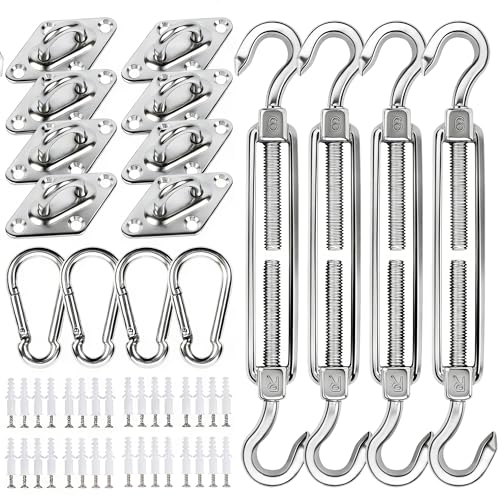
[One Kit for Any Design]: Conquer any shade sail project—rectangle, triangle, hexagon, or custom shapes—with one comprehensive 80-piece kit. Ditch the confusion of piecing together multiple sets. Plus, when installing common square or triangle sails, the extra hardware acts as your instant backup plan, saving you time and hassle if a replacement is ever needed.
Planning and Designing Your Structure
- Determine Your Needs: Identify the purpose of your shade structure, whether for gardening, relaxation, or entertaining.
- Choose the Location: Observe how sunlight moves across your garden. Look for spots that benefit from both sun and shade throughout the day.
- Select a Design: Research different styles such as pergolas, awnings, or canopies. Pick one that complements your garden’s aesthetics and meets your functional requirements.
- Consider Size: Decide on dimensions based on available space. Ensure the structure fits seamlessly within the landscape.
- Draw a Blueprint: Sketch your design to visualize the structure and layout. Include measurements for clarity.
Assembling the Structure
- Gather Materials: Collect necessary materials based on your design. Common options include wood (like cedar or redwood), metal, or fabric for canopies.
- Prepare the Site: Clear the selected area of debris, plants, or rocks. Level the ground if needed to provide a stable base.
- Set the Framework: For posts, dig holes deep enough (at least 2 feet) to ensure stability. Use concrete for added support if your structure requires it.
- Assemble the Top: Attach crossbeams or trusses according to your design. Ensure everything is level and secure for durability.
- Install Optional Sides: If your structure includes side panels or curtains for added protection, install those next.
- Add Roof Covering: If applicable, choose a roof material such as fabric or metal. Ensure it provides adequate shade while allowing some sunlight for plants underneath.
- Stain or Paint: If using wood, apply a protective stain or paint to enhance longevity and add visual appeal.
- Decorate: Incorporate plants, furniture, or lighting to personalize your shade structure. Consider adding fairy lights or lanterns for nighttime ambiance.
- Safety Check: Inspect all parts to confirm stability. Tighten loose screws or bolts and ensure there are no sharp edges or hazards.
Maintenance Tips for Your Shade Structure
Maintaining your garden shade structure ensures longevity and functionality. Follow these essential tips:
Regular Inspections
Inspect your structure for any signs of wear or damage. Look for rust on metal, rot on wood, and tears in fabric. Schedule these inspections at least twice a year, preferably in spring and fall.
Cleaning
Clean the surface of your structure regularly. Use a soft brush or cloth to remove dirt, debris, and mildew. For fabric, check if it’s machine washable or requires gentle hand cleaning. Clean metal and wood surfaces with a mixture of mild soap and water.
Prompt Repairs
Address any issues as soon as they arise. Small repairs, like patching a tear or tightening screws, prevent larger problems later. Keep a basic toolkit handy for quick fixes.
Seasonal Preparations
Prepare your shade structure for seasonal changes. In winter, if you live in an area with heavy snow, consider taking down fabric canopies or covering structures to protect them from damage. For wooden structures, apply a weatherproof sealant every couple of years to prevent rot and decay.
UV Protection
When using fabric covers, choose materials with UV protection. This feature will help maintain the integrity of the fabric over time. Replace any worn sections promptly.
Safe Anchoring
Ensure that your structure remains securely anchored, particularly in windy conditions. Check that all fasteners are tight and that the foundation remains stable. Consider adding extra support when necessary.
Aesthetic Touch-ups
Repaint or stain wooden structures periodically to maintain their appearance and protect against weathering. Choose colors that complement your garden while offering durability.
Implement these maintenance tips regularly, and your garden shade structure will continue to enhance your outdoor experience for years.
Conclusion
Creating a garden shade structure can transform your outdoor experience into something truly enjoyable. With the right design and materials you can enjoy your garden without the discomfort of harsh sunlight.
Remember to consider the specific needs of your space and the plants you want to protect. Regular maintenance will keep your structure looking great and functioning well for years to come.
So grab your tools and get started on building a shade structure that not only enhances your garden’s beauty but also provides the comfort you deserve while spending time outdoors. Happy gardening!
Frequently Asked Questions
What are the benefits of garden shade structures?
Garden shade structures offer protection from harmful UV rays and reduce glare and heat, making outdoor activities more comfortable. They also enhance the aesthetic appeal of gardens, serve as focal points, and can potentially increase property value.
What types of garden shade structures are available?
Common types of garden shade structures include pergolas, gazebos, awnings, canopies, and umbrellas. Each type caters to specific needs and preferences, providing varying levels of shade and protection.
How do I choose the right garden shade structure?
Consider factors such as your gardening space, preferences, functional needs, size, material, and installation requirements. Assess the sun and shade patterns in your garden to find the best fit for comfort and plant health.
What materials are commonly used for garden shade structures?
Materials used include wood (cedar, redwood), bamboo, thatch, metal (aluminum, steel), fabric (UV-resistant), and vinyl. Each material offers different benefits in terms of durability, aesthetics, and maintenance.
How do I maintain my garden shade structure?
Regularly inspect for wear and damage, clean surfaces, and make prompt repairs as needed. Seasonal preparations, such as protecting fabrics from harsh weather and re-staining wood, will help prolong the life of your structures.
How can I build my own garden shade structure?
Start by planning and designing your structure. Choose a location, select a design, gather materials, prepare the site, and follow a step-by-step assembly guide, ensuring safety checks throughout the process.
Where should I place my garden shade structure?
Assess sun and shade patterns in your garden throughout the day and seasons. Use a sun map to determine ideal spots for shade structures, prioritizing areas that protect plants while ensuring comfort and accessibility.

My interest in trees started when I first saw the giant sequoias in Yosemite.I was a teenager then, and I remember thinking, “I need to learn more about this.”That moment stuck with me.A few years later, I went on to study forestry at Michigan Tech.
Since graduating, I’ve worked in a mix of hands-on tree care and community education.I’ve spent over ten years helping people understand how to plant, maintain, and protect the trees in their neighborhoods.I don’t see trees as just part of the landscape.They are living things that make a real difference in our daily lives.