Have you ever thought about growing your own vegetables but didn’t know where to start? Imagine stepping into your backyard and picking fresh tomatoes, crisp lettuce, and fragrant herbs, all grown without chemicals. It’s not just a dream; you can make it a reality with an organic vegetable garden.
Key Takeaways
- Understand Organic Gardening: Emphasizes sustainable practices that promote health, reduce pollution, and support biodiversity without synthetic fertilizers or pesticides.
- Plan Your Garden Wisely: Choose a sunny location, consider your space, and potentially start small, using raised beds or vertical gardening techniques for maximum yield.
- Prepare Healthy Soil: Test soil quality, amend it with compost, organic fertilizers, and mulch to create a nutrient-rich environment essential for strong plant growth.
- Select Appropriate Vegetables: Choose vegetables suited to your climate and growing conditions, starting with easy-to-grow varieties like lettuce, radishes, and zucchini for beginners.
- Implement Effective Planting Techniques: Utilize methods like starting seeds indoors and direct sowing to ensure optimal growth and harvesting timelines for various crops.
- Maintain Your Garden: Regular watering, organic pest control methods, and proper harvesting techniques contribute to a healthy and productive organic vegetable garden.
Understanding Organic Gardening
Organic gardening emphasizes growing plants without synthetic fertilizers, pesticides, or genetically modified organisms (GMOs). It encourages a sustainable approach to gardening, focusing on natural processes and environmental balance.
What Is Organic Gardening?
Organic gardening involves cultivating plants while promoting health for both your garden and the surrounding ecosystem. It relies on methods such as crop rotation, composting, and biological pest control. The goal centers on producing nutritious vegetables while preserving soil fertility and reducing pollution. This method supports biodiversity and fosters a healthy relationship between you and the environment.
Benefits of Organic Vegetable Gardening
Organic vegetable gardening offers numerous advantages, including:
- Healthier Produce: Organic vegetables contain fewer chemical residues. Studies indicate that organic produce often has higher antioxidant levels.
- Environmental Sustainability: Organic practices enhance soil quality and reduce water pollution. They also promote biodiversity by supporting beneficial insects and microorganisms.
- Cost-Effectiveness: Growing your own vegetables reduces grocery bills. You save money on buying organic produce from stores.
- Flavor and Freshness: Homegrown vegetables typically taste better. You can pick them at peak ripeness for maximum flavor.
- Connection to Nature: Gardening nurtures a bond with nature. Engaging in this activity contributes to physical and mental well-being.
By understanding the principles and benefits of organic gardening, you create a rewarding experience that contributes to a healthier lifestyle and a healthier planet.
Planning Your Garden
Planning your organic vegetable garden is crucial for long-term success. Thoughtful decisions on location and size can significantly impact your garden’s productivity.
Choosing the Right Location
Select a spot that receives at least six to eight hours of sunlight daily. Aim for a location with access to water for easy irrigation. Avoid areas with poor drainage or shade from trees and buildings. Check for soil quality; healthy soil supports strong plant growth. If possible, test the soil pH, aiming for a range between 6.0 and 7.0 for optimal vegetable growth.
Deciding on the Size of Your Garden
Determine how much space you need based on the vegetables you plan to grow. Start small, especially if you’re a beginner; a 10×10 feet plot works well for various vegetables. Consider using raised beds for better control over soil quality and drainage. If limited by space, explore vertical gardening techniques, which can maximize your gardening area. Remember to leave pathways for easy access and maintenance.
Preparing the Soil
Preparing the soil is vital for a thriving organic vegetable garden. Healthy soil provides the foundation for healthy plants, ensuring they receive proper nutrients and support.
Recommended Products

Quick, at home results for Soil pH, Nitrogen, Phosphorous and Potash Innovative and inexpensive soil test kit features an easy-to-use capsule system and patented color comparators

KNOW BEFORE YOU GROW | Grow the healthiest, sustainable lawn and garden with the most accurate and easy to use professional soil test kit on the market

Accurate Soil pH Testing: Dewildetradingco Soil pH Test Strips offer measurements of soil pH levels (pH 3.5-9). As an essential tool for every gardener and grower, these test strips help determine the optimal pH for various plants, such as outdoor plants, indoor plants, gardens, grass lawns, fruit trees, flowers, vegetables, and forest shrubs.
Testing Soil Quality
Testing your soil quality helps determine pH levels and nutrient content. You can use a soil test kit from a garden center or send samples to a local agricultural extension office. Aim for a pH between 6.0 and 7.0, which suits most vegetables. Look for deficiencies in essential nutrients like nitrogen, phosphorus, and potassium. Knowing your soil’s condition enables you to make informed amendments.
Amending the Soil Organically
Amending the soil organically enhances its fertility and structure. Follow these steps for effective amendments:
- Add Compost: Incorporate 2-4 inches of well-decomposed compost into the soil. Compost enriches nutrients and improves moisture retention.
- Use Organic Mulch: Lay down organic mulch, like straw or wood chips, around plants. Mulch conserves moisture, reduces weeds, and adds organic matter as it breaks down.
- Include Cover Crops: Plant cover crops like clover or vetch during the off-season. These crops improve soil structure and add nitrogen when tilled back into the soil.
- Mix in Organic Fertilizers: Apply organic fertilizers, such as bone meal or fish emulsion, to provide essential nutrients. Follow package instructions for application rates.
- Turn the Soil: Use a garden fork or tiller to mix amendments thoroughly into the top 6-12 inches of soil. Ensure it’s well-aerated for optimal plant growth.
By following these steps, you create a nutrient-rich environment, ready for planting your organic vegetables.
Selecting Vegetables to Grow
Choosing the right vegetables for your organic garden ensures a successful harvest. Start by considering your climate, growing conditions, and personal taste preferences.
Recommended Products
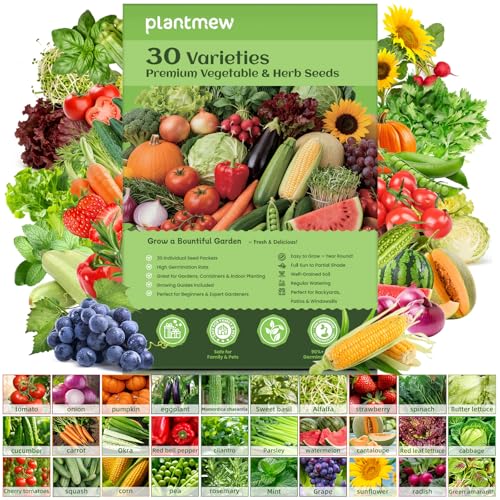
🍅Abundant Variety, High Yields: Each variety boasts up to 15,000 fruit and vegetable seeds, spanning beans, squash, lettuce, tomatoes, and more, empowering you to achieve a plentiful harvest dream effortlessly.

GROW THE VEGETABLES & HERBS YOU ACTUALLY COOK WITH: This curated variety pack includes 30 heirloom vegetable and herb seed packets chosen for real kitchen use, including tomatoes, basil, cilantro, peppers, lettuce, carrots, zucchini, spinach, dill, parsley, kale, peas, radish, and more. A practical mix designed for planting, harvesting, and cooking fresh meals at home.
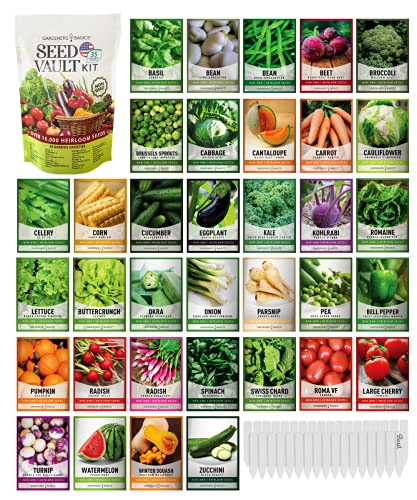
ASSORTMENT - 35 easy to grow vegetable varieties and over 16,000 seeds. All non-GMO and heirloom varieties. Our survival pack includes lettuce, beets, carrots, onions, squash, zucchini, tomatoes, peppers, broccoli, peas, beans, and more. Complete gardening kit for growing your home garden.
Best Vegetables for Beginners
- Lettuce: Grows quickly and is easy to maintain. Harvest leaves as needed for fresh salads.
- Radishes: Mature in about four weeks. They thrive in cooler weather and require minimal care.
- Carrots: Plant seeds directly in the ground. They need loose, sandy soil for best results.
- Zucchini: Produces abundantly in summer. One or two plants can provide plenty of vegetables.
- Tomatoes: Require some support as they grow. Start with varieties suited for your region.
- Beans: Easy to grow and fix nitrogen in the soil. Choose pole or bush varieties based on space.
- Spring: Start cool-season crops like peas, spinach, and kale. These thrive in the cooler temperatures of early spring.
- Summer: Focus on warm-season vegetables such as tomatoes, peppers, and corn. Plant once the danger of frost has passed.
- Fall: Sow crops like broccoli, carrots, and turnips. These can tolerate the chill of late-season weather.
- Winter: Consider using a greenhouse or cold frame for growing leafy greens like lettuce and mustard.
Plant based on your local climate and the time of year to maximize your harvest. By selecting the right vegetables and planting at the appropriate time, you can create a productive organic garden.
Planting Techniques
Planting techniques significantly impact the success of your organic vegetable garden. Understanding the different methods helps you achieve a bountiful harvest.
Starting Seeds Indoors
Starting seeds indoors allows you to get a head start on the growing season. Choose a sunny windowsill or under grow lights for optimal conditions. Use seed-starting trays or small pots filled with seed-starting mix. Follow these steps:
- Select seeds: Choose organic seeds suited to your climate and garden goals.
- Plant seeds: Sow seeds at the depth recommended on the seed packet.
- Water gently: Moisten the soil evenly without saturating it, ensuring proper drainage.
- Monitor growth: Keep an eye on temperature and light, maintaining 65-75°F for most seeds.
- Transplant seedlings: Once seedlings develop a set of true leaves, harden them off before moving them outdoors. Gradually expose them to outdoor conditions over 5-7 days.
Direct Sowing in the Garden
Direct sowing involves planting seeds directly in the garden soil, perfect for crops that thrive in their native environment. This method suits vegetables like carrots and radishes. Follow these steps for effective sowing:
- Prepare the soil: Loosen and level the area, ensuring good drainage and aeration.
- Mark rows: Use a garden marker or string to create straight rows.
- Sow seeds: Plant seeds at the depth specified on the seed packet, spacing them as indicated.
- Water: Lightly water the area after sowing, keeping the soil moist but not soggy.
- Thin seedlings: Once plants emerge, thin them according to spacing recommendations for each variety.
By using these planting techniques, you set the stage for a thriving organic vegetable garden, maximizing your chances for a fruitful season.
Maintaining Your Garden
Maintaining your organic vegetable garden ensures healthy plants and a bountiful harvest. Regular care and attention can significantly impact your garden’s success.
Recommended Products

【Even & Consistent Root Watering】Features micro-pore seepage technology that distributes water evenly along the entire hose, transforming spot watering into uniform line watering directly to plant roots. Unlike traditional drip irrigation systems with clog-prone emitters, this soaker hose creates a continuous moisture band for healthier, deeper-rooted plants

Even & Consistent Root Watering: Unlike traditional drip irrigation system with clog-prone emitters, MIXC soaker hose features micro-pore seepage technology that distributes water evenly along the entire hose - transforming spot watering into uniform line watering directly to plant roots. This soaker hose system creates a steady, continuous band for deeper, healthier roots

Sufficient quantity: package includes 8 pieces of hose connectors, large quantity to meet your various needs
Watering Practices
Watering plays a crucial role in plant health. Aim to water your garden deeply but infrequently. This encourages root growth. Early morning serves as the best time for watering, allowing moisture to reach roots before the sun’s heat causes evaporation.
- Frequency: Water every 1 to 2 weeks, adjusting based on rainfall.
- Method: Use soaker hoses or drip irrigation to minimize water loss.
- Amount: Ensure plants receive about 1 inch of water weekly, including rainfall.
- Observation: Check soil moisture; if it’s dry two inches down, it’s time to water.
Organic Pest Control Methods
Pests can threaten your vegetable garden. Effective organic pest control methods minimize damage without synthetic chemicals.
- Companion Planting: Plant herbs like basil or marigolds alongside vegetables to deter pests.
- Natural Predators: Invite beneficial insects, such as ladybugs and lacewings, to your garden.
- Homemade Sprays: Create insecticidal soap from diluted dish soap and water to treat infestations.
- Row Covers: Use lightweight fabric covers to protect plants from pests while allowing sunlight in.
These strategies help maintain a thriving organic vegetable garden, contributing to fruitful and healthy produce.
Harvesting Your Vegetables
Harvesting your vegetables at the right time ensures maximum flavor and quality. Follow these guidelines for a successful harvest.
When to Harvest
Timing depends on the vegetable variety. Here are some general guidelines:
- Leafy Greens: Harvest when leaves are young and tender, typically 4-6 weeks after planting.
- Root Vegetables: Pull when they reach the desired size, usually 6-8 weeks for radishes and 10-12 weeks for carrots.
- Fruiting Vegetables: Check color and firmness. Most tomatoes and peppers should be picked when fully colored and firm to the touch.
Keep an eye on your plants daily. This helps you catch the perfect moment to harvest.
How to Properly Harvest
Proper techniques prevent damage to plants and enhance the quality of your yield. Follow these steps:
- Use Clean Tools: Sharp scissors or garden shears help make clean cuts.
- Harvest in the Morning: Cool temperatures help preserve freshness and maintain flavor.
- Remove Gently: For leafy greens, snip leaves at the base. Pulling can disturb roots.
- Choose the Right Method for Root Crops: Loosen the soil around roots before pulling to prevent breakage.
- Check for Pests: Inspect for pests or signs of disease during harvest. Remove any damaged produce promptly.
Following these guidelines helps maintain plant health and ensures you enjoy the best flavors from your garden.
Conclusion
Starting your organic vegetable garden is an exciting journey that brings fresh flavors and a sense of accomplishment. You’ll not only enjoy the delicious produce but also contribute to a healthier planet.
Remember to keep your garden well-maintained and pay attention to the needs of your plants. Embrace the learning process and don’t hesitate to experiment with different vegetables and techniques.
With patience and care, you’ll create a thriving garden that nourishes both your body and soul. So grab your gardening tools and get started on this rewarding adventure. Happy gardening!
Frequently Asked Questions
What are the benefits of starting an organic vegetable garden?
Organic vegetable gardening offers numerous benefits, including healthier and tastier produce with fewer chemical residues, improved soil quality, and lower grocery bills. It promotes environmental sustainability and enhances physical and mental well-being by connecting you with nature.
How do I choose the right location for my garden?
Select a sunny spot that receives at least 6-8 hours of sunlight daily. Ensure the area has good drainage and quality soil. A manageable size, like a 10×10 feet plot, is ideal for beginners. Consider raised beds or vertical gardening to optimize space.
What types of vegetables are best for beginners?
Beginner-friendly vegetables include lettuce, radishes, carrots, zucchini, tomatoes, and beans. These crops are relatively easy to grow and adapt well to various climates, making them perfect for novice gardeners.
How should I prepare the soil for my organic garden?
Test your soil for pH and nutrient content, aiming for a pH of 6.0 to 7.0. Amend the soil by adding compost, organic mulch, and fertilizers. Turning the soil will create a nutrient-rich environment for healthy plant growth.
What planting techniques should I use?
Start seeds indoors using sunny windowsills or grow lights for an earlier harvest. For crops like carrots and radishes, consider direct sowing in the garden. Follow specific steps for seed planting depth, watering, and monitoring growth.
How do I maintain my organic vegetable garden?
Regular care is essential. Water deeply but infrequently, preferably in the morning. Implement organic pest control methods like companion planting and using homemade sprays. These practices help ensure healthy plants and a bountiful harvest.
When is the best time to harvest vegetables?
Harvesting time varies by vegetable type. Monitor your plants daily and pick leafy greens, root veggies, and fruiting vegetables at their peak for optimal flavor. Use clean tools and harvest in the morning for the best results.

My interest in trees started when I first saw the giant sequoias in Yosemite.
I was a teenager then, and I remember thinking, “I need to learn more about this.”
That moment stuck with me.
A few years later, I went on to study forestry at Michigan Tech.
Since graduating, I’ve worked in a mix of hands-on tree care and community education.
I’ve spent over ten years helping people understand how to plant, maintain, and protect the trees in their neighborhoods.
I don’t see trees as just part of the landscape.
They are living things that make a real difference in our daily lives.