Do you want a thriving vegetable garden that bursts with flavor? Attracting bees can be your secret weapon. These little pollinators play a huge role in helping your plants produce more fruits and veggies. Without them, your garden might not reach its full potential.
Key Takeaways
- Bees Boost Vegetable Yields: Attracting bees can enhance pollination, leading to larger and more abundant vegetable harvests, often increasing yields by up to 50%.
- Create Diverse Plant Habitats: Including a variety of flowering plants, especially native species like coneflower and bee balm, attracts different types of bees, improving pollination efficiency.
- Timing is Key: Plant early-blooming flowers in spring, maintain bloom diversity through summer, and include late-bloomers in fall to provide bees with a continuous food supply.
- Provide Essential Resources: A shallow water source and natural shelters, such as shrubs and bee hotels, attract bees while offering hydration and nesting opportunities.
- Avoid Harmful Chemicals: Use organic gardening practices to protect bees from harmful pesticides and herbicides, ensuring a safe environment for pollinators.
- Regular Maintenance Matters: Maintaining a clean garden, including proper drainage, diverse plantings, and regular deadheading, supports a thriving ecosystem for bees.
Importance Of Bees In Gardening
Bees play a vital role in gardening, especially in vegetable gardens. Their pollination efforts lead to increased yields and better-quality crops. Here’s why attracting bees matters:
Enhanced Pollination
Bees significantly improve pollination efficiency.
- Bees visit flowers, transferring pollen from one bloom to another.
- This process enables fruits and vegetables to develop properly.
Increased Crop Yields
Having bees in your garden directly boosts productivity.
- With bees pollinating your plants, you can expect larger and more abundant harvests.
- Gardens with active bee populations often produce 50% more fruits compared to those without.
Biodiversity Support
Bees contribute to a diverse ecosystem.
- A variety of pollinators, including bees, help maintain plant health.
- Healthy plants attract other beneficial insects and wildlife, promoting a balanced garden.
Eco-Friendly Practices
Encouraging bees supports sustainable gardening practices.
- Planting native flowers helps create habitats for bees.
- Incorporate organic gardening methods to ensure the safety of these important pollinators.
Specific Vegetables Benefited by Bees
Certain vegetables benefit more from bee pollination.
- Tomatoes thrive with bee activity, improving fruit set.
- Cucumbers and squash produce higher yields when bees are present.
By recognizing the importance of bees in your gardening efforts, you can create a welcoming environment that supports these essential creatures.
Understanding Bee Behavior
Understanding bee behavior is essential for attracting them to your vegetable garden. Bees are highly social insects that thrive in environments rich in flowers and food sources. They possess unique habits and preferences that influence how you can encourage their presence.
Types Of Bees Attracted To Gardens
Several types of bees are drawn to gardens. Key examples include:
- Honey Bees: These social bees live in colonies and are essential for pollination. They tend to gather nectar from a wide range of flowers.
- Bumble Bees: Known for their fuzzy bodies, bumble bees are efficient pollinators. They can pollinate larger flowers that honey bees struggle with.
- Solitary Bees: This category includes mason bees and leafcutter bees. They don’t live in colonies and often nest in small holes in wood or soil. They are excellent pollinators, too.
- Mining Bees: These ground-nesting bees often appear in early spring. They’re beneficial for your garden as they visit flowers during their foraging.
Choosing diverse plants will attract these various bee species, enhancing pollination in your garden.
Best Time To Attract Bees
Timing affects bee activity and attraction. Optimal periods include:
- Early Spring: Many bees emerge from hibernation during this time. Plant early-blooming flowers to give them a food source as they wake.
- Mid-Summer: Activity peaks in mid-summer when flowers are abundant. This season features many flowering plants, making it easier to attract bees.
- Late Summer to Early Fall: As temperatures cool, many bees continue foraging. Offering late-blooming flowers extends their food sources before winter.
To maximize bee visits, consider planting a range of flowers that bloom at different times throughout the growing season. This strategy ensures a consistent food supply for various bee species, promoting a healthy vegetable garden.
Plant Selection For Bee Attraction
Choosing the right plants for your garden enhances its appeal to bees while improving your vegetable yields. These plants provide food and habitat, creating a buzzing ecosystem.
Recommended Products

Attracts Pollinators: The blooms are effective at drawing hummingbirds, butterflies, and other pollinators to your garden


Native Plants To Consider
Native plants thrive in local conditions and often attract native bee species. Here are a few options:
- Coneflower (Echinacea): Blooms from mid-summer to fall; attracts various bee species.
- Black-eyed Susan (Rudbeckia): Enjoys sunny spots and provides nectar throughout summer.
- Bee Balm (Monarda): Offers bright colors and fragrant blooms; perfect for attracting hummingbirds and bees alike.
Integrating these plants not only supports local biodiversity but also creates an inviting environment for pollinators.
Flowering Plants That Bees Love
Flowering plants play a crucial role in attracting bees. Consider adding these favorites:
- Lavender (Lavandula): Produces fragrant spikes and blooms from late spring to early summer, drawing in honey bees.
- Sunflowers (Helianthus): Large, bright flowers bloom in summer, offering abundant nectar and pollen.
- Borage (Borago officinalis): Known for its star-shaped blue flowers, it encourages a steady flow of bees from spring through summer.
Selecting these plants provides a colorful display along with the benefits of increased pollination, ensuring a fruitful vegetable garden.
Creating A Bee-Friendly Environment
Creating a welcoming space for bees enhances your vegetable garden’s productivity. This environment encourages pollinators to visit, ensuring your plants thrive.
Recommended Products

Gentle Plant Wash Made with Neem Oil & Peppermint Oil
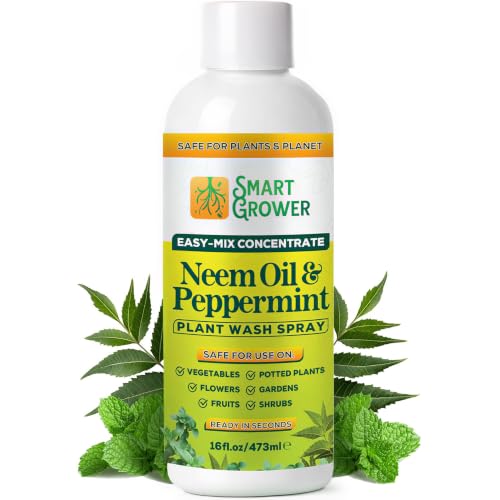
Neem Oil Spray For Plants With Peppermint Concentrate Makes 2 Gallon RTU
Providing Water Sources
Bees require water for hydration. A shallow water source attracts them. You can use a birdbath filled with pebbles or marbles, offering bees landing spots. Change the water frequently to keep it fresh. Additionally, a small dish with water and gravel can serve as an excellent reservoir. This setup provides easy access without the risk of drowning.
Creating Shelter For Bees
Shelter protects bees from harsh weather and predators. Incorporate natural elements like shrubs and trees, which offer shade and nesting spots. You can also create bee hotels using bundles of dried stems or wooden blocks with drilled holes. These structures mimic natural nesting sites for solitary bees. Adding mulch can further provide shelter while enhancing soil quality. By creating these shelters, you promote a sustainable environment for your garden’s pollinators.
Avoiding Bee Deterrents
Creating an inviting environment for bees involves minimizing factors that might drive them away. Being mindful of what can deter bees enhances your vegetable garden’s appeal to these essential pollinators.
Recommended Products
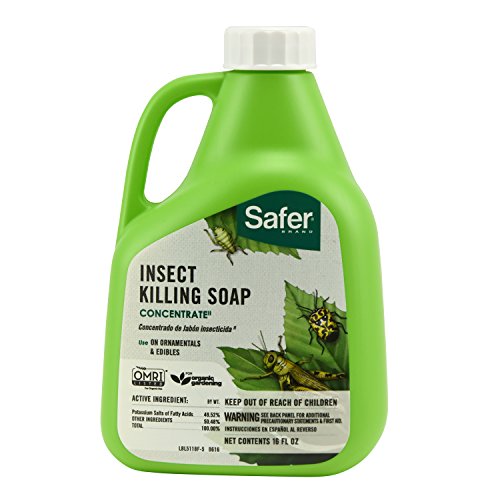
GENTLE ON MOST PLANTS - This aphid spray is ideal for use on flowers, herbs, vegetables, houseplants, lawn, tree, shrubs, and more

Insecticidal Super Soap controls species of adelgid, ant, aphid, borer, caterpillar, spider mite, cricket, chinch bug, weevil, fly, thrip, and more

Pesticides And Chemicals
Pesticides, herbicides, and chemical fertilizers harm bees, disrupting their foraging behavior and health. Opt for organic alternatives whenever possible. Pyrethrin-based or insecticidal soaps provide effective pest control while being less harmful to bees. If pest management is necessary, apply treatments in the evening when bees are less active, ensuring they’re not exposed to harmful substances.
Common Mistakes To Avoid
Avoid overwatering your garden. Excessive moisture creates muddy conditions that bees find unappealing. Implement proper drainage solutions to maintain soil health.
Prioritize monocultures. Planting a single type of flower may not provide enough food for various bee species. Instead, cultivate a mix of flowering plants to ensure a continuous bloom and diverse food sources.
Neglecting maintenance can also deter bees. Regularly deadhead flowers to encourage more blooms, and remove weeds that attract pests instead of bees. Keep your garden tidy to enhance its attractiveness to pollinators.
Conclusion
Creating a bee-friendly vegetable garden is a rewarding journey that benefits both you and the environment. By planting a variety of native flowers and providing essential resources like water and shelter, you can turn your garden into a buzzing haven for these vital pollinators.
Remember to avoid harmful chemicals and keep your garden tidy to maintain its appeal. As you nurture your garden with these simple practices, you’ll not only enjoy bountiful harvests but also contribute to the health of local ecosystems. So get started today and watch your vegetable garden thrive with the help of our buzzing friends.
Frequently Asked Questions
Why are bees important for vegetable gardens?
Bees are essential for vegetable gardens because they significantly enhance pollination. With their help, crops can yield up to 50% more fruits and vegetables. Their pollination activities improve not only the quantity but also the quality of produce.
What types of bees are beneficial for gardens?
Several types of bees, including honey bees, bumble bees, solitary bees, and mining bees, can be beneficial for your garden. Each type has its unique method of pollination, contributing to a healthier and more productive garden.
How can I attract bees to my garden?
To attract bees, plant a variety of bee-friendly flowers that bloom at different times, like lavender, sunflowers, and coneflowers. Additionally, create a welcoming habitat by providing water sources and natural shelters.
What are the best times to attract bees?
The best times to attract bees to your garden are early spring, mid-summer, and late summer to early fall. Planting flowers that bloom during these times provides a consistent food source for various bee species.
How can I create a bee-friendly environment?
Create a bee-friendly environment by planting native flowers, providing water sources like shallow dishes, and offering shelters such as bee hotels. Avoid chemicals like pesticides and herbicides that can harm bees.
What common mistakes should I avoid in a bee-friendly garden?
Avoid common mistakes like overwatering, which can create muddy conditions, and prioritizing monocultures that limit food sources. Also, ensure the garden is tidy by deadheading flowers and removing weeds to keep it appealing for bees.

My interest in trees started when I first saw the giant sequoias in Yosemite.I was a teenager then, and I remember thinking, “I need to learn more about this.”That moment stuck with me.A few years later, I went on to study forestry at Michigan Tech.
Since graduating, I’ve worked in a mix of hands-on tree care and community education.I’ve spent over ten years helping people understand how to plant, maintain, and protect the trees in their neighborhoods.I don’t see trees as just part of the landscape.They are living things that make a real difference in our daily lives.