Have you ever wanted to grow your own vegetables but felt limited by space or poor soil? An above-ground vegetable garden might be just what you need. It’s a practical solution that lets you cultivate fresh produce right in your backyard, patio, or even on a balcony.
Building an above-ground garden not only enhances your outdoor space but also gives you control over soil quality and drainage. Plus, it’s a fantastic way to enjoy gardening without the back strain of traditional methods. This article will guide you through the simple steps to create your own above-ground vegetable garden, helping you reap the benefits of homegrown veggies in no time.
Key Takeaways
- Advantages of Above-Ground Gardens: Above-ground vegetable gardens improve soil drainage, enhance accessibility, and allow for better control over growing conditions, making them ideal for limited spaces and varied gardening abilities.
- Essential Materials: Use durable materials such as cedar or redwood for framing; consider landscape liners and a nutrient-rich soil mix for optimal plant health, and incorporate organic mulch for moisture retention.
- Construction Steps: Follow a structured approach by planning the layout, constructing the frame, adding drainage materials, and filling it with a balanced soil mix to ensure stability and effective water retention.
- Plant Selection: Choose vegetables suited to your climate and gardening preferences, and utilize companion planting techniques to promote growth, deter pests, and optimize yields in your above-ground garden.
- Maintenance Practices: Regular care through consistent watering, pest management, and weed control is crucial for a healthy above-ground vegetable garden, leading to a bountiful harvest of fresh produce.
Benefits Of Above Ground Vegetable Gardens
Above-ground vegetable gardens offer numerous advantages, especially for those looking to enhance their gardening experience. These gardens maximize space and provide you with better control over growing conditions.
Improved Soil Drainage
Improved soil drainage is a key benefit of above-ground gardens. By elevating your plants, you reduce the risk of waterlogging, which often leads to root rot. This method allows excess water to escape easily. For example, if you experience heavy rain, an above-ground garden will drain faster than traditional ground beds, ensuring healthier plants. You can also customize your soil mixture, adding materials like sand or perlite for better drainage.
Accessibility For Gardening
Accessibility is another advantage of above-ground vegetable gardens. These gardens create a more comfortable working height, reducing strain on your back and knees. If you’re working with raised beds, bending over lessens, making it easier to tend to your plants. For instance, standing while planting or harvesting can save you time and energy. Accessible designs, such as a raised garden on legs or built-in seating, also allow individuals of all ages and abilities to enjoy gardening.
Materials Needed For Construction
Building an above-ground vegetable garden requires specific materials to ensure durability and success. Below are the essentials you’ll need to get started.
Recommended Products

Made in the USA from chemical-free North American cedar

16.5" deep to accommodate large, deep-rooted plants

Made in the USA from chemical-free North American cedar
Choosing The Right Wood
Selecting suitable wood is crucial for creating a sturdy frame. Here are some options:
- Cedar: Cedar offers natural resistance to decay and insects, making it a long-lasting choice. It doesn’t require chemical treatment.
- Redwood: Like cedar, redwood resists rot and is durable. Its attractive color also enhances garden aesthetics.
- Untreated Pine: Treated pine is budget-friendly but degrades quicker. If choosing this option, expect to replace it in a few years.
- Composite Material: For a maintenance-free option, consider composite materials made of recycled wood and plastic. They last longer and resist fading.
Other Material Options
Besides wood, additional materials enhance your garden’s structure and function. Consider these:
- Liners: Use landscape fabric or polyethylene liners to retain soil while allowing drainage. This prevents soil leakage and keeps plants healthy.
- Soil Mix: Opt for a blend of compost, peat moss, and garden soil. Aim for a ratio that provides nutrients while ensuring good drainage.
- Hardware: Purchase galvanized screws, brackets, and anchors for strong, rust-resistant connections. Ensure your tools include a drill, saw, and measuring tape for precise assembly.
- Mulch: Use organic mulch to suppress weeds and retain moisture. Straw, wood chips, or shredded leaves work well.
These materials contribute to a functional and aesthetically pleasing above-ground vegetable garden.
Steps To Build An Above Ground Vegetable Garden
Building an above-ground vegetable garden involves careful planning and execution. Follow these steps for success.
Recommended Products
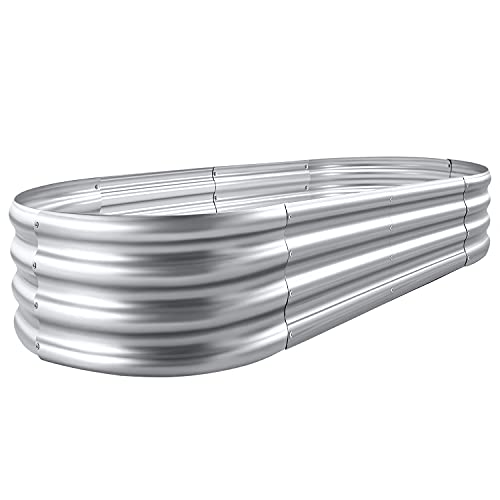
Each raised metal garden bed size: 4×2×1ft ,7.14Cu

Raised Garden Bed - Add a new level of convenience to your gardening experience with the Galvanized Raised Garden Bed. Enjoy expanded yield and a more assembled garden layout with this garden accessory, each sized at 120 cm X 60 cm x 30 cm.

【DIY Your Garden】This 4x2x1 ft raised garden beds outdoor has all the space you need to build your dream garden! Whether you are growing fruits, vegetables or flowers, it can provide a safe environment and enough space for your plants.
Planning The Layout
- Choose a Location: Select a spot with at least 6-8 hours of sunlight daily. Avoid areas with strong winds or excessive shade.
- Decide on Dimensions: Determine the size of your garden bed. Typical dimensions are 4 feet wide by 8 feet long. Ensure the width allows easy access from both sides without stepping into the bed.
- Plan for Accessibility: Create walking paths around the garden. Leave at least 2 feet between beds and paths for comfortable movement.
- Consider Water Sources: Position the garden near a water source for easy irrigation. Plan for a drip system or soaker hose if needed.
Constructing The Frame
- Gather Materials: Use durable wood like cedar or redwood. For a budget-friendly option, untreated pine works, but expect shorter lifespan.
- Cut the Wood: Cut the boards to size. For a standard 4×8 bed, you’ll need two 8-foot boards and two 4-foot boards.
- Assemble the Frame: Lay the boards in a rectangle and connect them using heavy-duty screws. Use corner brackets for added stability.
- Reinforce the Corners: Consider adding cross supports in the corners with additional pieces of wood. This prevents warping and increases durability.
- Position the Frame: Set the frame in your chosen location, checking for level ground. Adjust as necessary to ensure it sits flat.
- Install a Liner: Line the inside of the frame with landscaping fabric. This keeps soil in and prevents weeds from growing through.
- Add Drainage Material: Place a layer of gravel or stones at the bottom for drainage. This helps prevent water from pooling.
- Fill with Soil Mix: Combine equal parts compost, topsoil, and peat moss for a nutrient-rich mix. Fill the bed to about 1 inch below the top for easy watering.
- Level the Soil: Smooth and level the soil mix with a rake. Add more soil as needed to reach the desired height.
- Water Thoroughly: Water the soil after filling. This helps settle the soil and prepares it for planting.
Planting In Your Above Ground Garden
Planting in your above-ground garden involves careful selection of vegetables and strategic companion planting to maximize growth. Understanding these elements leads to a more productive garden.
Selecting The Right Vegetables
Choose vegetables based on your climate, space, and personal preferences. Popular options include:
- Tomatoes: Thrive in sunny spots and require support as they grow.
- Lettuce: Grows quickly and can be harvested multiple times.
- Carrots: Perfect for deeper soil; they appreciate loose, sandy dirt.
- Peppers: Enjoy warm weather and can add color and spice to your garden.
Consider planting a mix of fast-growing and longer-season vegetables for staggered harvests. Check local planting calendars to determine the best planting times for each type.
Companion Planting Tips
Utilizing companion planting can enhance growth and deter pests. Here are a few combinations to consider:
- Basil and Tomatoes: Basil improves the flavor of tomatoes and repels pests like aphids.
- Carrots and Onions: Carrots benefit from the pest-repelling properties of onions, while onions enjoy the protection of carrots.
- Marigolds with Any Vegetable: Marigolds attract beneficial insects and deter nematodes and aphids.
Plan your layout to place compatible plants close to each other. This arrangement promotes healthy growth and reduces the need for pesticides. Rotate crops each season to prevent soil depletion and pest buildup.
Maintenance Tips For Above Ground Gardens
Maintaining your above-ground vegetable garden ensures healthy plants and bountiful harvests. Regular care includes optimal watering, pest control, and overall garden upkeep.
Watering Practices
Watering above-ground gardens requires consistency. Check soil moisture, ensuring it remains damp but not soggy. Deep watering promotes healthy root systems, so focus on watering at the base of the plants. Water in the early morning or late afternoon to reduce evaporation. Consider these tips:
- Use a soaker hose or drip irrigation to direct water where it’s needed.
- Mulch around plants to retain soil moisture and suppress weeds.
- Water newly planted vegetables more frequently until they establish roots.
Pest Control Methods
Preventing pests in your above-ground garden keeps plants healthy. Use integrated pest management for effective control. Here are a few strategies:
- Inspect plants regularly for signs of pests or disease.
- Encourage beneficial insects like ladybugs and lacewings by planting flowers such as marigolds or yarrow.
- Use organic pesticides like neem oil or insecticidal soap, applying them in the evening to minimize harm to beneficial insects.
Implementing these maintenance tips fosters a thriving above-ground vegetable garden. Regular care ensures your plants flourish, leading to successful harvests of fresh produce.
Conclusion
Building an above-ground vegetable garden is a rewarding journey that brings fresh produce right to your doorstep. With a little planning and the right materials you can create a vibrant space that not only enhances your gardening experience but also makes it easier to care for your plants.
As you watch your garden flourish remember to enjoy the process and celebrate each harvest. Whether you’re growing tomatoes or lettuce your hard work will pay off in delicious meals and a sense of accomplishment. So grab your tools and get started on your gardening adventure. Happy planting!
Frequently Asked Questions
What are the benefits of an above-ground vegetable garden?
Above-ground vegetable gardens offer enhanced control over soil quality and drainage, making it easier to grow healthy plants. They maximize space, reduce the risk of waterlogging and root rot, and provide better accessibility, allowing for a comfortable working height that eases strain on your back and knees.
What materials do I need for an above-ground vegetable garden?
Key materials include durable wood for the frame (like cedar, redwood, or untreated pine), a liner to retain soil, a nutrient-rich soil mix, hardware for assembly, and organic mulch for moisture retention and weed suppression. Composite materials can also provide a maintenance-free option.
How do I build an above-ground vegetable garden?
Start by planning the layout and choosing a sunny spot. Gather materials to cut and assemble your frame, reinforcing corners, and position it on level ground. Install the liner, add drainage material, fill the bed with soil, and water it thoroughly to prepare for planting.
What vegetables should I plant in my above-ground garden?
Choose vegetables like tomatoes, lettuce, carrots, and peppers based on your climate and personal preference. Mixing fast-growing and longer-season vegetables allows for staggered harvests. Consider local planting calendars for optimal timing and incorporate companion planting to promote healthy growth.
How can I maintain my above-ground vegetable garden?
Regular maintenance includes consistent watering, checking soil moisture, and using methods like soaker hoses. Employ integrated pest management strategies by inspecting plants often and encouraging beneficial insects. These practices ensure healthy plants and increase your chances of a bountiful harvest.

My interest in trees started when I first saw the giant sequoias in Yosemite.I was a teenager then, and I remember thinking, “I need to learn more about this.”That moment stuck with me.A few years later, I went on to study forestry at Michigan Tech.
Since graduating, I’ve worked in a mix of hands-on tree care and community education.I’ve spent over ten years helping people understand how to plant, maintain, and protect the trees in their neighborhoods.I don’t see trees as just part of the landscape.They are living things that make a real difference in our daily lives.