Are you dreaming of a beautiful garden but don’t know where to start? Building a garden bed with landscape timbers is a simple and rewarding project that can transform your outdoor space. It’s a great way to add structure and style while making it easier to grow your favorite plants.
Key Takeaways
- Proper Planning: Select a sunny location with good drainage and avoid competing roots to ensure your garden bed thrives.
- Materials Selection: Use untreated landscape timbers that are at least 4 inches wide and 6 to 8 feet long for safety and durability.
- Step-by-Step Construction: Create a stable base by securely stacking landscape timbers, adding landscape fabric, and filling with a mix of topsoil and compost.
- Regular Maintenance: Water your plants consistently, fertilize every 4 to 6 weeks, and monitor for pests to maintain a healthy garden bed.
- Optimal Plant Layout: Plan plant spacing according to their mature sizes, ensuring adequate room for growth and air circulation.
Preparing for Your Garden Bed
Preparing for your garden bed sets the foundation for success. You’ll find that careful planning and selection of the right location enhances your gardening experience.
Recommended Products
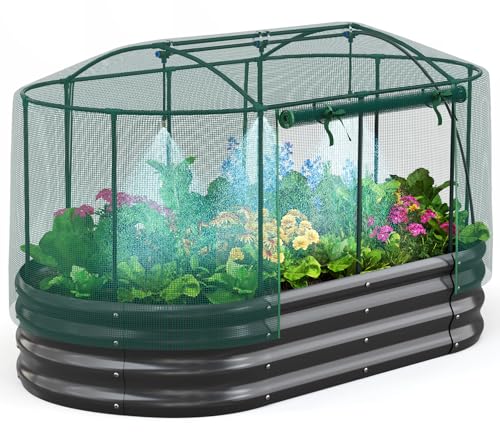
【Self-watering System for Easy Planting】The irrigation kit makes planting easier and more efficient. The misting system can produce water mist, which absorbs the heat in hot summer and provides a cooling down outdoor area for plants while photosynthesis. Also, it can cover a larger area than traditional watering, increasing humidity effectiveness, give a uniform water volume for plant watering in the garden bed.
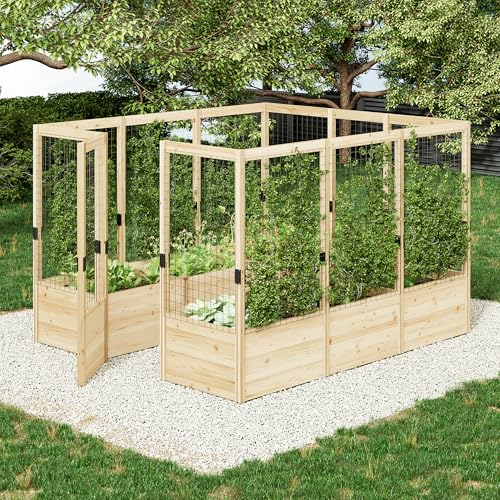
Deer Resistant Fence: Equipped with Deer Resistant fence, this raised garden bed kit provides an additional layer of protection, keeping unwanted animals at bay and safeguarding your plants.

ULTIMATE PRACTICALITY: The planter box measures 96"(L) x 24"(W) x 12"(H), has a huge capacity, any plants and flowers you want to grow can be planted, happiness is overflowing.
Selecting the Right Location
Choosing the right location for your garden bed is crucial. Look for a spot with at least 6 to 8 hours of sunlight each day to support healthy plant growth. Identify areas with good drainage to prevent waterlogging. Avoid placing your bed too close to trees or shrubs, as their roots may compete for nutrients. Additionally, consider proximity to a water source for easy irrigation.
Measuring and Planning Your Design
Measuring and planning your design ensures a functional and visually appealing garden bed. Start by determining the size you want—typical dimensions range from 4 feet by 8 feet for rectangular beds. Use stakes and string or garden ropes to outline the area, providing a clear visual boundary. Level the ground where the bed will sit to ensure stability, and mark the corners with stakes. Plan the layout of your plants, accounting for their mature sizes and spacing requirements, which helps in maximizing growth and accessibility.
Materials Needed for Building
Building a garden bed with landscape timbers requires a few essential materials and tools. Gathering everything before starting ensures a smooth and efficient project.
Recommended Products
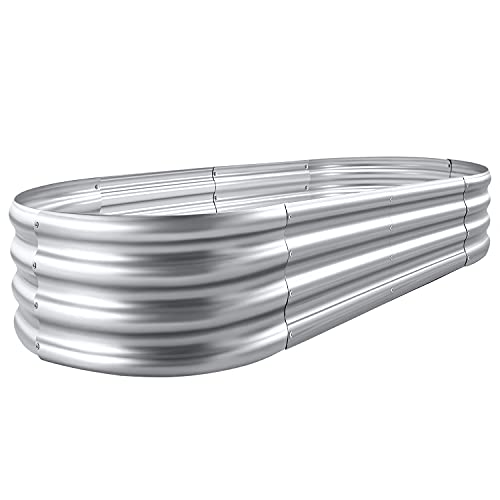

Size: 60×29×11 in, 68 gallons of soil required.

Raised Garden Bed - Add a new level of convenience to your gardening experience with the Galvanized Raised Garden Bed. Enjoy expanded yield and a more assembled garden layout with this garden accessory, each sized at 120 cm X 60 cm x 30 cm.
Choosing Landscape Timbers
Choose untreated landscape timbers for your garden bed. Untreated timbers prevent chemicals from leaching into the soil. Look for timbers that are at least 4 inches wide and 6 to 8 feet long.
Select a size that fits your garden design. Standard dimensions, like 4 feet by 8 feet, work well. If you plan to make a higher bed, stack multiple layers of timbers. Secure corners with wood screws for stability.
Additional Tools and Supplies
Gather these tools and supplies for the project:
- Shovel: For leveling soil and digging holes.
- Rake: To smooth the ground before laying timbers.
- Level: To ensure the timbers remain even during installation.
- Hammer or Power Drill: To drive screws or nails into the timbers.
- Landscape Fabric: To prevent weeds from growing through the soil.
- Soil: Use a mixture of topsoil and compost for optimal plant growth.
- Mulch: To retain moisture and suppress weeds.
When everything is prepared, you can start building your garden bed efficiently.
Step-by-Step Guide to Building the Garden Bed
Building a garden bed with landscape timbers is straightforward. Follow these steps to create a lasting structure for your plants.
Creating the Base Structure
- Select the Location: Choose a flat area that receives 6 to 8 hours of sunlight daily.
- Prepare the Ground: Clear the site of grass, rocks, and debris. Level the area using a rake.
- Lay the First Layer of Timbers: Arrange the first layer of landscape timbers in your desired shape, often 4 feet by 8 feet.
- Secure the Timbers: Drill holes at each corner and use wood screws to secure the timbers together. This adds stability against shifting.
- Stack Additional Layers: If you want a taller bed, stack a second layer of timbers. Ensure corners remain secured and aligned.
- Add Landscape Fabric: Line the bottom of the bed with landscape fabric to reduce weeds and retain soil.
- Fill with Soil: Use a mix of topsoil and compost for optimal growth. Fill the bed to about 1 inch below the top edge of the timbers.
- Level the Soil: Use a rake to ensure the soil is level throughout the bed.
- Plan Plant Layout: Based on your selected plants, space them according to their mature size, allowing room for growth.
- Plant and Water: Dig holes for your plants, place them in the soil, and water immediately to help them settle.
Maintenance Tips for Your Garden Bed
Maintaining your garden bed keeps it healthy and productive. Regular care ensures plants thrive and flower beautifully throughout the season.
Watering and Fertilization
Water consistently to keep the soil moist but not soggy. Aim for about 1 inch of water per week, adjusting for rainfall. Early morning is the best time for watering, as it allows for proper absorption before the sun’s heat.
Fertilize every 4 to 6 weeks, especially during the growing season. Use organic compost or a balanced fertilizer to provide necessary nutrients. For example, consider a 10-10-10 or similar ratio. Apply fertilizer according to package instructions to avoid over-fertilizing, which can harm your plants.
Pest Management Strategies
Inspect your garden bed regularly for pests. Look for signs like holes in leaves or webbing. Use handpicking or sticky traps for small infestations. For larger pests, consider introducing beneficial insects like ladybugs, which consume aphids.
Utilize organic solutions for pest control. Neem oil or insecticidal soap works effectively on a range of pests. Apply during the cooler parts of the day to avoid harming plants. Always follow label directions for dosage and frequency of application.
Overall, keeping a close eye on your garden bed fosters a healthy environment for your plants.
Conclusion
Building a garden bed with landscape timbers is a fantastic way to enhance your outdoor space. You’ll not only create a beautiful area for your plants to thrive but also enjoy the satisfaction of a project well done.
Remember to keep an eye on your garden bed as it grows. Regular watering and maintenance will help your plants flourish. With a little effort and care, you’ll have a vibrant garden that brings joy and beauty to your home.
So gather your materials and get started on this rewarding journey. Happy gardening!
Frequently Asked Questions
What materials do I need to build a garden bed using landscape timbers?
To build a garden bed with landscape timbers, you’ll need untreated landscape timbers (at least 4 inches wide and 6 to 8 feet long), wood screws, a shovel, rake, level, hammer or power drill, landscape fabric, topsoil, compost, and mulch. Having all materials ready before starting the project ensures a smooth building process.
How do I choose the right location for my garden bed?
Select a location that receives 6 to 8 hours of sunlight daily and has good drainage. Avoid spots near trees or shrubs that may compete for nutrients. Additionally, consider being close to a water source for easy irrigation.
What are the typical dimensions for a garden bed?
A common size for a garden bed is 4 feet by 8 feet. This dimension allows easy access from all sides while providing ample space for growing various plants.
How should I prepare the ground for my garden bed?
Begin by clearing debris and leveling the area where you plan to build your garden bed. This preparation ensures a stable foundation for the timbers and facilitates the growth of your plants.
How often should I water my garden bed?
Water your garden bed consistently, providing about 1 inch of water per week. Early morning is the ideal time to water, as it helps prevent evaporation and diseases in the plants.
How often should I fertilize my garden bed?
Fertilize your garden bed every 4 to 6 weeks, using organic compost or a balanced fertilizer. This helps provide essential nutrients for the plants, promoting healthy growth.
What pest management strategies should I use?
Regularly inspect your garden bed for pests. Use organic solutions such as neem oil or insecticidal soap to manage infestations without harming the plants or the environment.

My interest in trees started when I first saw the giant sequoias in Yosemite.I was a teenager then, and I remember thinking, “I need to learn more about this.”That moment stuck with me.A few years later, I went on to study forestry at Michigan Tech.
Since graduating, I’ve worked in a mix of hands-on tree care and community education.I’ve spent over ten years helping people understand how to plant, maintain, and protect the trees in their neighborhoods.I don’t see trees as just part of the landscape.They are living things that make a real difference in our daily lives.