Have you ever looked at a sloped yard and wondered how to turn it into a beautiful garden? Many people face the challenge of gardening on uneven ground, but it doesn’t have to be a daunting task. With a little planning and creativity, you can transform that slope into a stunning terraced garden bed.
Key Takeaways
- Erosion Control: Terraced garden beds effectively manage soil erosion by slowing water runoff, promoting moisture retention.
- Increased Planting Space: Different levels in terraced gardens maximize planting areas, enhancing your gardening potential.
- Accessibility and Maintenance: Elevated beds make gardening tasks more comfortable, reducing strain on your back and knees.
- Proper Planning: Assess the slope, design the layout, and choose suitable materials to create a stable and visually appealing terraced garden.
- Plant Selection: Choose plants based on sunlight, soil type, and water needs to optimize growth and health in your terraced beds.
- Ongoing Maintenance: Regularly monitor moisture levels, manage soil erosion, and apply proper care to ensure your terraced garden thrives.
Understanding Terraced Garden Beds
Terraced garden beds offer an effective solution for sloped yards, allowing you to create a functional and organized gardening space. By combining structure with visual appeal, terraced beds help manage soil erosion and improve water drainage.
Benefits of Terraced Gardening
- Erosion Control: Terracing slows down water runoff, reducing soil loss and promoting moisture retention.
- Increased Planting Space: Different levels provide additional areas for planting, maximizing your gardening potential.
- Accessibility: Elevated beds make gardening tasks easier on your back and knees, allowing for comfortable maintenance.
- Enhanced Aesthetics: Terraced gardens create a visually appealing landscape, adding depth and character to your yard.
- Microclimates: Varying heights and exposures foster unique growing conditions, benefiting diverse plant selections.
- Herbs: Rosemary, thyme, and basil thrive in well-drained soil and add fragrance and flavor.
- Vegetables: Tomatoes, peppers, and lettuce grow well in terraced settings, with easy access to sunlight.
- Perennials: Hostas, daylilies, and coneflowers provide color and require minimal maintenance once established.
- Ground Covers: Creeping thyme and sedum help prevent weed growth and hold soil in place.
- Drought-Tolerant Plants: Yucca and lavender are excellent for dry, sunny spots, reducing water needs.
Selecting the right plants boosts your terraced garden’s health and vibrancy. Consider factors such as sunlight, soil type, and water requirements for optimal growth.
Planning Your Terraced Garden
Planning your terraced garden requires careful thought and consideration. You can ensure a successful transformation of your sloped yard by following these key steps.
Recommended Products

Flexible Slope Adaptation: these hillside planters feature a bendable metal design that conforms to slopes from 10° to 24°; The adjustable panels create instant terrace-style planters without professional tools, making them ideal for DIY gardeners with uneven terrain. This product is made of metal and has relatively sharp edges. Please be careful when unpacking, taking out and using it. It is recommended to wear gloves to avoid scratches
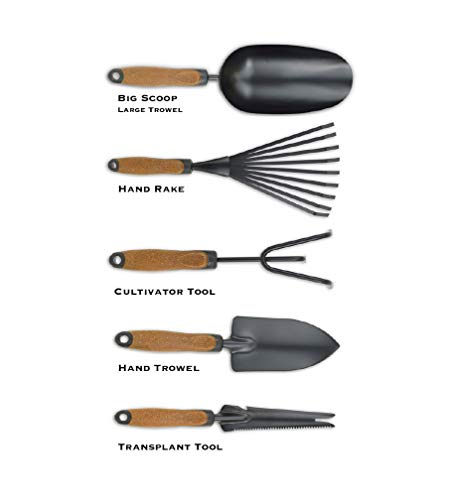
5 PIECE GARDEN TOOL KIT: This professional gardening tool set comes with everything you need to start digging, weeding, planting, aerating and transplanting. Each gardening kit contains 5 digging tools and gardening accessories that will make your time gardening easier and more enjoyable

DESIGNED FOR HARD SOIL AND CLAY Solid aluminum body with full tang design adds strength and durability for digging in tough or compacted soil.
Assessing Your Slope
Evaluate the steepness of your slope. Use a level or a surveyor’s tool to determine the angle. Gradients between 5% to 15% are ideal for terraced gardens. Identify specific problems like erosion and drainage issues. Observe where water tends to collect after heavy rain, as this information will guide your design decisions.
Designing the Layout
Sketch your garden layout before you start. Create a diagram that reflects the slope’s shape and includes the number of terraces you want. Each terrace can be 2 to 4 feet wide, making it easy to access plants. Consider using retaining walls to hold back soil. Choose natural stone, brick, or timber for a sturdy and aesthetic finish. Ensure a gentle incline between terraces to allow for easy movement and drainage.
It’s important to consider sunlight exposure when designing your layout. Observe how sunlight moves across your slope throughout the day. Place taller plants where they’ll receive sufficient light, while shorter plants can occupy shadier spots. Plan pathways for easy access to your plants. Add steps or ramps between terraces for smooth navigation.
Materials Needed for Construction
For building a terraced garden bed on a slope, gather the right materials to ensure stability and durability. Here’s what you’ll need:
Recommended Products

Ergonomic Height: Standing at 30 inches tall, it reduces strain from bending and kneeling, promoting more comfortable gardening.

Tool-Free & 10-Minute Easy Assembly: Tigerden plastic raised garden beds outdoor features a user-friendly snap-on design with zero screws or tools required. Just align the planter raised bed pannel and gently snap them together, and you're done! Even gardening beginners or seniors can set it up effortlessly in 10 minutes.

2FT GROWING DEPTH: 24 inches of depth holds up to 269 gallons of soil-great for medium to deep rooting plants and vegetables like broccoli, beans, and more; Note: This product does not include a bottom panel
Selecting Suitable Wood or Stones
- Wood: Use untreated wood for terrace walls, such as cedar or redwood. These types resist moisture and decay. For longer-lasting structures, consider composite lumber.
- Stones: Natural stones like granite or fieldstone create attractive and sturdy walls. Select flat stones for easier stacking. Flagstone also works well for a more refined look.
- Soil: Purchase high-quality garden soil or compost. This provides nutrients for plants and improves drainage. Ensure soil stability by backfilling terraces with a mix of soil and gravel.
- Shovel: A sturdy shovel helps in digging and moving soil when cutting into the slope.
- Level: Use a level to ensure each terrace is even. This prevents water runoff and maintains structural integrity.
- Hammer and Nails: For wood constructions, use galvanized nails which resist rust. A hammer aids in fastening wooden parts securely.
- Saw: A circular saw or handsaw cuts wood to size, allowing precise measurements based on your design.
- Hand Trowel: This tool helps with planting and soil manipulation in tight spaces.
- Measuring Tape: Measure distances accurately to create equal-sized terraces.
- String and Stakes: Mark out the layout of your terraced garden using string and stakes to visualize the design.
Collect these materials and tools before starting your project to streamline the construction process and ensure a successful terraced garden bed.
Steps to Build a Terraced Garden Bed
Building a terraced garden bed requires careful planning and execution. Follow these steps for a successful project.
Recommended Products

Galvanized Steel Material: our gabion cages are made from galvanized steel that delivers durability and resiliency; Their sturdy make ensures reliability and long term use, these gabion cages are resistant to harsh weather conditions, rust resistant and remain durable through all times

CUSTOMIZABLE LAYOUT: Modular interlocking section setup allows flexible expansion and tailors seamlessly to match unique lawn borders, curved beds, or straight outdoor yard contours.

Constructed from durable steel to provide a sturdy structure for your outdoor landscaping projects and long-lasting garden borders.
Preparing the Site
Start by clearing the selected area of debris, rocks, and weeds. Mark the outline of your terraces using stakes and string to visualize the layout. Ensure the ground is level where you’ll build the first terrace. Check the slope to confirm it aligns with your design. Consider using a grade level to verify uniform height, and dig out any high spots to create an even base. This preparation sets a solid foundation for your terraced garden.
Constructing the First Level
Begin constructing the first terrace by placing your retaining walls. Use untreated wood, natural stone, or brick for durability and aesthetics. Position the walls parallel to the slope for maximum stability. Ensure the walls are straight by using a level. Fill the space behind the walls with gravel or soil to provide drainage and prevent erosion. Compact the fill material firmly; this prevents shifting over time. Planting small, deep-rooted plants may aid in stabilizing the soil further.
Adding Subsequent Levels
Once the first level is complete, proceed to the next terrace. Repeat the same process for each subsequent level. Maintain a consistent distance between the terraces based on plants’ needs and access paths. Use the same materials as your first level for a cohesive look. Consider building drainage channels between terraces to manage water flow effectively. Each level should reinforce the structure and enhance the garden’s overall layout. Be mindful of plant selections for each level, optimizing for sunlight exposure and space.
Following these steps creates an efficient and visually appealing terraced garden bed on a slope.
Maintenance Tips for Terraced Gardens
Maintaining a terraced garden bed ensures your plants thrive and your landscape stays beautiful. Regular care improves the overall health of your garden and prevents common issues.
Watering and Drainage Solutions
Water consistently yet avoid overwatering. Install drip irrigation or soaker hoses on each terrace. These methods provide moisture directly to the roots, minimizing evaporation. Check moisture levels regularly, especially on slopes where drainage varies. Use mulching with organic materials to retain soil moisture and minimize weed growth. Proper drainage is crucial here; ensure that water drains off each terrace to prevent pooling.
Managing Soil Erosion
Address soil erosion proactively to maintain your garden’s integrity. Regularly inspect terraces for signs of erosion, such as bare soil or exposed roots. Plant ground covers, like clover or creeping thyme, to stabilize the soil and prevent erosion. Create small barriers or use stones to redirect water flow on steep areas. Keep your plants healthy with adequate watering and nutrients, as healthy plants support soil structure. Consider adding organic matter to your soil, which improves its ability to retain moisture and resist erosion.
Conclusion
Building a terraced garden bed on a slope can turn a challenging landscape into a stunning oasis. You’ll not only enhance your outdoor space but also create a functional area for growing your favorite plants. With the right planning and a bit of creativity you can enjoy the benefits of improved drainage and reduced erosion while showcasing your gardening skills.
Remember to choose plants that thrive in your specific conditions and keep an eye on maintenance to ensure your garden flourishes. So grab your tools and get started on this rewarding project. Your terraced garden awaits!
Frequently Asked Questions
What are terraced garden beds, and why use them on sloped yards?
Terraced garden beds are horizontal planting areas created on sloped land. They help manage soil erosion, improve water drainage, and make the space more accessible. This method also enhances the visual appeal of your landscape while providing a structured gardening area.
How do I assess the slope for building a terraced garden?
Start by measuring the steepness of your slope. Gradients between 5% to 15% are ideal for terracing. Observe water drainage patterns on your property to identify erosion issues and areas that need attention before planning your terraces.
What materials do I need to build a terraced garden?
You will need untreated wood (like cedar or redwood) or natural stones (such as granite) for the terrace walls. Other essential materials include high-quality garden soil or compost and tools like a shovel, hammer, measuring tape, and level for construction.
What steps are involved in building a terraced garden bed?
Begin by clearing the site of debris and marking the terrace outline. Construct the first terrace with retaining walls, fill behind them with gravel for drainage, and compact the material. Repeat this for subsequent levels, maintaining consistent spacing and proper drainage.
How can I maintain my terraced garden effectively?
Consistent watering is vital, but avoid overwatering. Use drip irrigation or soaker hoses for best results. Regular inspections for erosion are essential, and adding ground covers or organic matter can help stabilize soil and improve moisture retention.

My interest in trees started when I first saw the giant sequoias in Yosemite.I was a teenager then, and I remember thinking, “I need to learn more about this.”That moment stuck with me.A few years later, I went on to study forestry at Michigan Tech.
Since graduating, I’ve worked in a mix of hands-on tree care and community education.I’ve spent over ten years helping people understand how to plant, maintain, and protect the trees in their neighborhoods.I don’t see trees as just part of the landscape.They are living things that make a real difference in our daily lives.