Have you ever stared at your garden space and wondered how much soil you’ll need for that new bed? You’re not alone! Many gardeners face the challenge of figuring out the right dimensions for their plots. Whether you’re planning to grow veggies or beautiful flowers, knowing the square footage of your garden bed is key.
Key Takeaways
- Understanding Square Feet: Square feet measure area, and calculating it is essential for determining soil volume, plant spacing, and maintenance needs in your garden bed.
- Measurement Process: Use tools like tape measures and garden stakes to accurately measure your garden bed’s length and width, ensuring precise calculations.
- Calculation Formula: The formula for square footage is Length x Width. For instance, a bed 4 feet long and 3 feet wide equals 12 square feet.
- Importance of Accurate Measurements: Double-check measurements to avoid mistakes, especially for non-rectangular beds; consider using grids or sketches for enhanced clarity.
- Planning Benefits: Knowing your garden bed’s square footage aids in budgeting for materials, estimating soil needs, and planning maintenance, leading to a more fruitful gardening experience.
Understanding Square Feet
Calculating the square footage of your garden bed helps you determine the right amount of soil, plants, and maintenance. Knowing this measurement supports planning a successful garden.
Recommended Products

Ready-to-Use Formula: No mixing or extra steps required. Simply pour and plant - perfect for gardeners of all experience levels.


Definition of Square Feet
Square feet measures area. One square foot represents a square with sides that each measure one foot in length. To find the square footage of any garden bed, multiply its length by its width. For example, a garden bed that is 4 feet long and 3 feet wide covers 12 square feet (4 x 3 = 12).
Importance in Gardening
Understanding square feet is crucial for multiple reasons:
- Soil Calculation: Accurate square footage helps you calculate the soil volume required. For example, if your bed is 12 square feet and you want it 6 inches deep, you’ll need 2 cubic feet of soil.
- Plant Spacing: Knowing your garden bed’s area aids in optimal plant spacing. Crowding plants can lead to poor growth and increased disease risk. For instance, spacing vegetable plants at 12 inches apart allows enough room for growth.
- Cost Estimation: You can estimate costs for materials, including soil, mulch, and plants, when you know the square footage. This insight helps you budget effectively.
- Maintenance Planning: A larger garden bed might require more time and resources for watering, weeding, and fertilizing. Understanding the area helps you allocate efforts appropriately.
Accurate knowledge of square feet enhances your gardening experience, ensuring you achieve productive and healthy plants.
Measuring Your Garden Bed
Measuring your garden bed accurately helps ensure a successful gardening experience. Follow these steps to get the dimensions you need.
Recommended Products
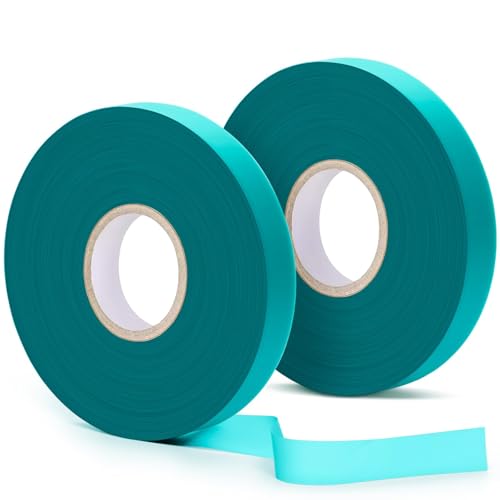
STRETCHY: 2 Pack x 150ft 1/2" wide green tie tape roll. Vinyl tape used for training and staking plants. The most awesome feature is that when tie back a plant, the garden tie tape stretches with it as the plant grows. The tape roll also doesn't fade, crack, tear, or in any other way be affected by the weather.

Complete Landscape & construction string line kit: The string level line kit includes 1 Pack of orange construction string, 5 string levels, and 20 garden stakes. The Mason line features a handle for easy grip and use, and you can easily refill the spool at any time. This all in one kit is designed to meet your immediate needs for various projects. Whether you're starting a new garden or building a fence, this set can help you align, measure, and mark locations for installations

Package includes: 3 roll 0.5 inch/ 12 mm wide stretch tie tape, each roll is 150 feet/ 45.7 m in length, enough quantity to meet your different needs
Tools Needed for Measurement
- Tape Measure: A flexible tape measure works best for getting accurate lengths and widths.
- Garden Stakes: Use stakes to mark corners of your garden bed for easier measurement.
- String or Twine: Handy for outlining the shape of your garden bed, especially if it’s a more complex design.
- Ruler or Yardstick: Useful for smaller garden beds or precise measurements.
- Identify the Corners: Start by locating the corners of your garden bed. Place garden stakes at each corner for reference.
- Measure the Length: Pull your tape measure from the first corner stake to the opposite corner. Record this measurement.
- Measure the Width: Next, measure the distance between the remaining two corner stakes. Again, record this measurement.
- Double-Check Measurements: To ensure accuracy, measure each side twice. If the two measurements match, you’re good to go. If not, measure again.
- Calculate Square Footage: Multiply the length by the width to find the square footage of your garden bed. For example, if your bed is 4 feet long and 3 feet wide, the calculation is 4 x 3 = 12 square feet.
By following these steps, you create a clear picture of your garden bed’s dimensions, facilitating further planning for soil, plants, and overall maintenance.
Calculating Square Feet
Calculating the square footage of your garden bed is straightforward. This measurement provides essential details for planning soil, plants, and maintenance.
Formula for Calculation
To calculate square footage, use the formula:
[
\text{Square Feet} = \text{Length} \times \text{Width}
]
- Measure Length: Use a tape measure to determine the length of your garden bed in feet.
- Measure Width: Measure the width of your garden bed in feet.
- Multiply: Multiply the length by the width to obtain the area in square feet.
For example, if your garden bed is 4 feet long and 3 feet wide, the calculation looks like this:
[
\text{Square Feet} = 4 \text{ ft} \times 3 \text{ ft} = 12 \text{ sq ft}
]
Example Calculations
Here are some typical examples to clarify the calculation process:
| Length (ft) | Width (ft) | Calculation | Square Feet |
|---|---|---|---|
| 5 | 2 | 5 ft × 2 ft = 10 sq ft | 10 |
| 6 | 4 | 6 ft × 4 ft = 24 sq ft | 24 |
| 8 | 3 | 8 ft × 3 ft = 24 sq ft | 24 |
| 10 | 5 | 10 ft × 5 ft = 50 sq ft | 50 |
You’ll find these examples directly applicable to your garden planning. When you determine the square footage, you’ll better understand how much soil, plants, and resources you require.
Tips for Accurate Measurement
Accurate measurement is crucial for determining the square footage of your garden bed. Here are some practical tips to ensure precision.
Recommended Products

OUTSIDE DIAMETER TAPE MEASURE - Pocket-sized, flexible, and retractable steel tape measure with both diameter (OD measurement) and standard integer measurements.

Designed for measuring diameters of pipe, cable, tires, and other circular items

Snail Tape Measure
Avoiding Common Mistakes
- Check Measurements Twice: Measurements can be miscalculated easily. Measure the length and width, then double-check each one before finalizing numbers.
- Account for Shape Variations: If your garden bed isn’t a perfect rectangle, break it down into smaller sections. Calculate the square footage of each section separately, then add them together.
- Use the Right Tools: A tape measure is essential. Avoid using string alone, as it can sag and lead to inaccurate readings.
- Create a Grid: Lay out a grid on the ground using stakes and string. This visual guide helps you ensure each section is measured correctly.
- Measure Each Square: If your grid squares are one foot by one foot, count how many squares fall within your garden bed to find the total square footage quickly.
- Draw the Outline: Sketch the garden bed’s dimensions on graph paper using the grid method. This visual representation can make calculations clearer and help avoid miscalculations.
By following these tips, you can confidently calculate the square footage of your garden bed, setting the foundation for a successful gardening experience.
Conclusion
Getting the square footage of your garden bed is a game changer for your gardening journey. With accurate measurements you can ensure your plants have the right space to thrive and that you have enough soil for a healthy start.
By following the steps outlined you’ll not only save time and effort but also set yourself up for a successful gardening experience. Remember to take your time with the measurements and don’t hesitate to double-check.
With these tools and tips in hand you’re ready to create a beautiful and productive garden that you can enjoy all season long. Happy gardening!
Frequently Asked Questions
What is the importance of knowing the square footage of a garden bed?
Knowing the square footage of a garden bed is crucial for determining the amount of soil needed, planning plant spacing, and estimating costs for materials. It ensures that you properly prepare your garden, leading to better growth and maintenance of your plants, whether they are vegetables or flowers.
How do I measure my garden bed accurately?
To measure your garden bed accurately, use a tape measure to find the length and width. Identify the corners of the bed, stake them down if needed, and double-check your measurements for accuracy. Multiplying the length by the width gives you the square footage.
What tools are necessary for measuring a garden bed?
Essential tools for measuring a garden bed include a tape measure, garden stakes, string or twine, and a ruler or yardstick. These tools help you mark corners, measure dimensions correctly, and visualize the layout for accurate calculations.
How do I calculate the square footage of my garden bed?
To calculate the square footage, simply multiply the length by the width of your garden bed. For example, if your bed is 4 feet long and 3 feet wide, the calculation is 4 x 3 = 12 square feet.
What common mistakes should I avoid when measuring my garden bed?
Common mistakes include not double-checking measurements, overlooking irregular shapes, and using the wrong tools. To avoid errors, break down complex shapes into smaller sections and take careful measurements for each part to ensure accuracy.

My interest in trees started when I first saw the giant sequoias in Yosemite.I was a teenager then, and I remember thinking, “I need to learn more about this.”That moment stuck with me.A few years later, I went on to study forestry at Michigan Tech.
Since graduating, I’ve worked in a mix of hands-on tree care and community education.I’ve spent over ten years helping people understand how to plant, maintain, and protect the trees in their neighborhoods.I don’t see trees as just part of the landscape.They are living things that make a real difference in our daily lives.