Are you ready to transform your garden into a lush paradise? Choosing the right garden soil is key to nurturing healthy plants and vibrant flowers. But with so many options out there, how do you know what to pick?
Key Takeaways
- Understand Different Soil Types: Familiarize yourself with loamy, sandy, clay, silty, and peaty soils to select the best type for your plants’ needs.
- Know Soil Composition: Key ingredients like organic matter, minerals, pH levels, and microorganisms significantly affect soil health and plant growth.
- Check pH Levels and Nutrients: Aim for a soil pH between 6.0 and 7.5, and ensure the soil is rich in essential nutrients such as nitrogen, phosphorus, and potassium.
- Sources for Purchase: Consider buying garden soil from local garden centers for expert advice, or online retailers for a wider selection and convenience.
- Evaluate Soil Quality: Inspect for contaminants, ensure proper drainage capabilities, and verify soil texture to promote a healthy gardening environment.
- Trial Small Quantities: When buying soil online, consider starting with small bags to assess quality before investing in larger quantities.
Understanding Garden Soil
Understanding garden soil plays a crucial role in ensuring your plants thrive. Different types cater to specific gardening needs, and knowing the key ingredients can help you choose the right one for your garden.
Types of Garden Soil
- Loamy Soil: Loamy soil contains a balanced mix of sand, silt, and clay. This type retains moisture while providing excellent drainage, making it ideal for most garden plants.
- Sandy Soil: Sandy soil has larger particles, allowing for quick drainage. While it warms up quickly in the spring, it may require more frequent watering due to rapid moisture evaporation.
- Clay Soil: Clay soil consists of tightly packed particles, making it heavy and dense. It retains water well but can become compacted easily. It’s suitable for moisture-loving plants but needs amendment for better drainage.
- Silty Soil: Silty soil is fine and smooth, holding moisture better than sandy soil but less than clay. It often provides sufficient nutrients, making it good for a variety of plants.
- Peaty Soil: Peaty soil is dark and rich in organic matter, excellent for moisture retention. It’s acidic and often benefits acid-loving plants, like rhododendrons and blueberries.
- Organic Matter: Organic matter, such as compost or decomposed leaves, enriches soil. It improves fertility, drainage, and structure, providing essential nutrients to plants.
- Minerals: Minerals like sand, silt, and clay contribute to soil texture and drainage capabilities. Healthy soil contains a balance of these minerals to support diverse plant life.
- Microorganisms: Microorganisms, including bacteria and fungi, play a vital role in breaking down organic matter. They help release nutrients and improve soil structure.
- pH Level: Soil pH affects nutrient availability. Aim for a pH between 6.0 and 7.5 for most garden plants. Testing kits are available to help determine your soil’s pH.
- Moisture Content: Moisture retention is essential for plant growth. Use water-absorbing materials, like peat moss, to improve moisture retention in sandy soils.
By understanding these types and ingredients, you can make an informed decision, ensuring your garden flourishes.
Factors to Consider When Buying Garden Soil
Selecting the right garden soil involves several important factors. Understanding these elements helps you choose the best soil for your gardening needs.
Recommended Products

Quick, at home results for Soil pH, Nitrogen, Phosphorous and Potash Innovative and inexpensive soil test kit features an easy-to-use capsule system and patented color comparators
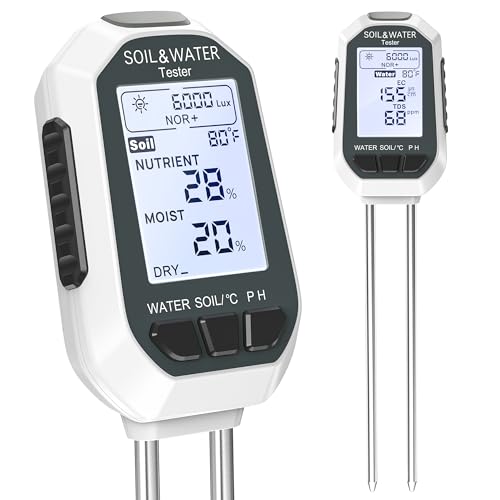
【7-in-1 Features】This is a 7-in-1 multi-function soil tester. Our soil tester quickly measures soil moisture, pH, temperature and light intensity, and its fertility function helps you take better care of your plants. With this device you can measure the soil moisture, pH, temperature and light intensity for your plants and with the EC and TDS functions you will know when it is time to water the soil.

✅ 1Dial & 1 LCD Screen - Replace/install all 3 batteries each time. Put button to %RH/°F to - Turn On, and put to LIGHT to - Turn Off. Read the LCD results in 3-5 mins. (Not Water Moisture Meter, so, please don't test liquid)
Soil Texture and Composition
Soil texture significantly affects water retention, drainage, and nutrient availability. Focus on these key soil types:
- Loamy Soil: A balanced mix of sand, silt, and clay, loamy soil offers good drainage and nutrient retention, ideal for most plants.
- Sandy Soil: This soil type drains quickly but holds fewer nutrients. It suits plants like cacti and succulents that thrive in drier conditions.
- Clay Soil: Heavy with tiny particles, clay soil retains moisture well but can lead to poor drainage and compaction. It’s best for water-loving plants.
- Silty Soil: Higher in nutrients than sand, silty soil retains moisture without becoming waterlogged. It works well for a wide variety of plants.
- Peaty Soil: Dark, rich in organic matter, peat is excellent for acid-loving plants like azaleas.
Opt for soil that matches your garden’s specific needs based on the types of plants you plan to grow.
pH Level and Nutrient Content
Soil pH affects nutrient availability. Most plants prefer a pH range of 6.0 to 7.5. Test your soil’s pH to ensure it meets this requirement. Here’s how to check and adjust it:
- Testing Kits: Purchase a soil pH testing kit from garden centers or online. Follow the instructions to obtain accurate results.
- Adjusting pH:
- To raise pH (more alkaline): Add lime.
- To lower pH (more acidic): Incorporate sulfur or peat.
Nutrient content is equally vital. Look for soils enriched with organic matter, as it improves fertility and structure. Prioritize garden soils that list these essential nutrients:
- Nitrogen (N): Crucial for leafy growth.
- Phosphorus (P): Supports root, flower, and fruit development.
- Potassium (K): Enhances overall plant health and disease resistance.
Evaluate soil labels for these nutrients and ensure they match your plants’ needs for optimal growth.
Where to Buy Garden Soil
Finding the right garden soil is crucial for your gardening success. You can source quality soil from various places that cater to different preferences and needs.
Recommended Products

Is a proprietary blend of natural materials including Peat Moss, Soil, Sand & Carbon.

A LITTLE DOES A LOT - Easy to use compressed soil granules quickly expand up to 4X and make up to 3 gallons of soil. Light, compact, easy to carry, resealable bag saves space.

THE “GEOLOGICAL SPONGE” YOUR SOIL IS BEGGING FOR: If your potting soil drains fast — water in, gone in seconds — this bentonite amendment absorbs several times its weight in water and releases it slowly at the roots. Less runoff. Less drought stress. More growth for indoor plants and containers
Local Garden Centers
Local garden centers offer a wide selection of garden soil that’s often tailored for specific plants and conditions. You can expect to find loamy, sandy, and clay soil options. Many garden centers provide helpful advice on soil selection, making it easier to choose the right type for your garden.
When you visit a garden center, look for brands with clear labeling that outlines ingredients and usage recommendations. Some centers even provide soil testing services to give you a better idea of what your garden needs.
Online Retailers
Online retailers have transformed the way you can buy garden soil. Websites like Amazon and specialty gardening sites offer a vast array of soil types with detailed descriptions and customer reviews. You can compare prices and even take advantage of bulk purchasing options.
When buying soil online, check the shipping guidelines, as certain types might be heavy or require special handling. Review the product specifications and consider purchasing small bags first to assess quality before committing to larger quantities.
Tips for Buying Quality Garden Soil
Buying quality garden soil ensures a successful gardening experience. Here are some essential tips to guide you in your purchase.
Recommended Products
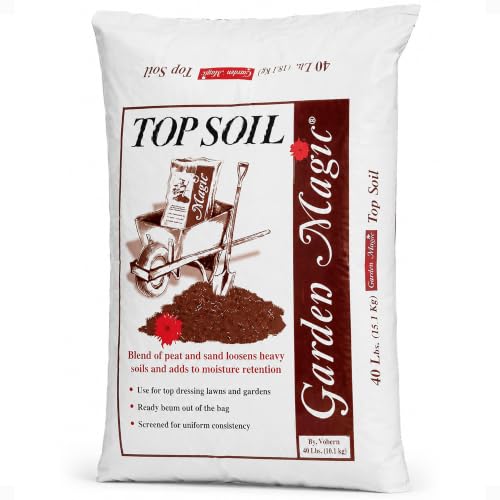
Ready-to-Use for All Planting Needs: This general-purpose potting soil is ready to use out of the bag, perfect for both indoor and outdoor planting without any extra prep

● HARVEST: Miracle-Gro Organic Raised Bed & Garden Soil is guaranteed to grow more vegetables for a bigger harvest versus unfed plants (satisfaction guaranteed or your

Ready-to-Use Formula: No mixing or extra steps required. Simply pour and plant - perfect for gardeners of all experience levels.
Checking for Contaminants
Inspect any garden soil you consider for harmful contaminants. Look for:
- Chemical Stability: Ensure soil isn’t treated with herbicides or pesticides that could harm plants and soil health.
- Heavy Metals: Request a soil test to check for lead, arsenic, or cadmium, especially if sourced from urban areas.
- Weed Seeds: Check for visible weeds or seeds that may sprout, introducing unwanted plants to your garden.
Make sure to buy from reputable suppliers who can provide information on soil testing and safety.
Ensuring Proper Drainage
Evaluate the drainage capabilities of the soil. Good drainage prevents waterlogging, which can damage plant roots. Pay attention to:
- Soil Texture: Loamy and sandy soils typically drain well, while clay soils hold water. Choose appropriately for your plant selection.
- Test for Drainage: Conduct a simple test by digging a hole about 12 inches deep, filling it with water, and monitoring how quickly water drains.
- Water Retention Balance: Aim for soil that balances water retention and drainage, ensuring plants receive adequate moisture without becoming saturated.
Using these tips helps you select the best quality garden soil tailored to your gardening needs.
Conclusion
Choosing the right garden soil is key to nurturing your plants and flowers. With a bit of research and attention to detail you can find soil that meets your specific needs. Remember to consider soil type texture and composition to ensure optimal growth.
Don’t hesitate to ask questions at local garden centers or read reviews when shopping online. Quality soil can make all the difference so take your time and make informed choices. Happy gardening and may your green thumb thrive!
Frequently Asked Questions
What is the best type of garden soil for most plants?
Loamy soil is typically considered the best for most plants as it offers a well-balanced mix of sand, silt, and clay. This combination provides good drainage while retaining essential moisture and nutrients, making it ideal for a variety of gardening needs.
How can I test my garden soil’s pH?
You can test your garden soil’s pH using a home testing kit, which is readily available at garden centers. These kits usually involve mixing a soil sample with a test solution and comparing the color change to a chart. You can also send samples to a local extension service for professional analysis.
Why is organic matter important in garden soil?
Organic matter enhances soil structure, retains moisture, and provides essential nutrients to plants. It supports beneficial microorganisms, improving soil health and fertility. Adding compost or well-rotted manure can significantly enrich the soil.
Where can I buy quality garden soil?
Quality garden soil can be purchased at local garden centers that offer various soil types along with expertise. Online retailers also provide a wide selection, but be sure to check reviews and shipping guidelines. Start with smaller quantities to evaluate quality.
What should I check for when buying garden soil?
When buying garden soil, ensure it is free from contaminants like heavy metals and weed seeds. Look for soil testing information from reputable suppliers, check for proper drainage, and ensure it meets your specific gardening needs related to texture and nutrient content.

My interest in trees started when I first saw the giant sequoias in Yosemite.I was a teenager then, and I remember thinking, “I need to learn more about this.”That moment stuck with me.A few years later, I went on to study forestry at Michigan Tech.
Since graduating, I’ve worked in a mix of hands-on tree care and community education.I’ve spent over ten years helping people understand how to plant, maintain, and protect the trees in their neighborhoods.I don’t see trees as just part of the landscape.They are living things that make a real difference in our daily lives.