Do you ever wonder how to keep your garden herbs fresh and vibrant for your meals? You’re not alone. Many people find themselves with a bounty of herbs but aren’t sure how to clean them properly before using them.
Key Takeaways
- Importance of Cleaning: Cleaning garden herbs removes dirt, pesticides, and contaminants, enhancing flavor, extending freshness, and preserving nutritional value.
- Recommended Tools: Essential supplies include a colander, large bowl, soft brush, kitchen scissors, and paper towels for effective cleaning and drying.
- Cleaning Methods: Rinse herbs under cool running water, soak in a bowl to dislodge dirt, use vinegar or saltwater solutions for deeper cleaning, and dry thoroughly to prevent spoilage.
- Preservation Tips: Store fresh herbs in water or wrap them in a damp paper towel; freezing or drying methods extend their shelf life and maintain flavor.
- Common Mistakes to Avoid: Always rinse before use, avoid hot water, gently clean without over-scrubbing, dry completely, and inspect for spoilage before storage.
Importance Of Cleaning Garden Herbs
Cleaning garden herbs enhances their flavor and texture. It removes dirt, pesticides, and potential contaminants that affect both taste and health. Fresh herbs harbor insects and soil particles; washing clears those away, ensuring a better cooking experience.
Cleaning also prolongs the herbs’ freshness. Properly washed herbs last longer in storage. Keeping them clean reduces the risk of spoilage, so you maximize their use in meals.
Additionally, maintaining cleanliness in your herbs boosts their nutritional value. Contaminants can reduce the health benefits that herbs offer. A simple rinse not only improves hygiene but preserves the vital nutrients packed in your herbs.
Consider rinsing herbs under running water or soaking them in a bowl. This method helps dislodge dirt while being gentle on the delicate leaves. Use a soft brush for sturdy herbs, promoting a thorough yet careful cleaning process.
Essential Tools And Supplies
Cleaning garden herbs effectively requires the right tools and supplies. Having these items on hand ensures a smooth and efficient process.
Recommended Products

Large Capacity & Durable Design - With 4 layers and a load capacity of 2.2 lbs per layer, this herb drying rack is perfect for drying herbs, flowers, tea, fruits, and vegetables. Made from high-quality polyester with built-in steel wire rings, it provides strong support and resists deformation.
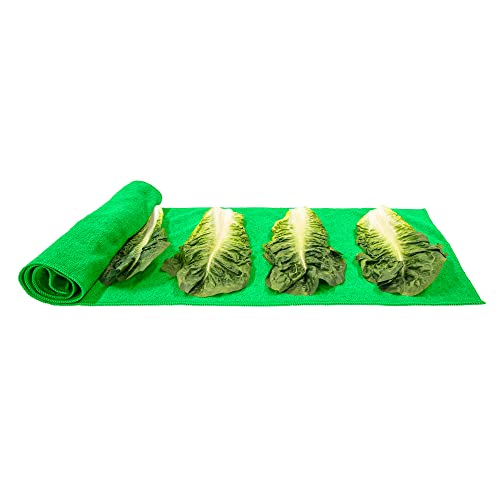
Ultra Absorbent Terry Weave Design: These soft microfiber towels with a terry weave are 12 x 42 inches and absorb excess water quickly, leaving lettuce, spinach, and herbs fresh, crisp, and ready to enjoy after every rinse

U-Shaped Double-Headed Zipper: Compared to a straight zipper, the wider and higher opening design makes it easier to put in and take out harvested items from the drying rack. High-quality zipper with sturdy sliders for smooth sliding; the larger sliders are easy to operate.
Recommended Equipment
- Colander: Use a colander for draining water after rinsing herbs. Its design allows for quick water removal.
- Bowl: A large bowl is perfect for soaking herbs. Fill it with water to loosen dirt and debris.
- Soft Brush: Opt for a soft brush for sturdier herbs like rosemary or thyme. It gently removes dirt without damaging the leaves.
- Paper Towels or Clean Cloth: These items are useful for drying herbs after washing. Pat them dry to remove excess moisture.
- Kitchen Scissors: Keep kitchen scissors handy for trimming herbs. This allows for easy removal of wilted or damaged leaves.
- Plain Water: Tap water is sufficient for most herbs. Rinse them gently to remove dirt and contaminants.
- Vinegar Solution: For a deeper clean, mix one part vinegar with three parts water. Soaking herbs in this solution helps eliminate pesticides and bacteria.
- Salt Water: Saltwater acts as a natural disinfectant. Mix one tablespoon of salt in a bowl of water, soak the herbs, then rinse thoroughly.
- Lemon Juice: A splash of lemon juice in water can enhance cleaning power. Its acidity helps break down residues.
Using these tools and solutions enables you to clean your garden herbs effectively, maintaining their freshness and enhancing their flavor for your meals.
Step-By-Step Cleaning Process
Cleaning garden herbs properly enhances their flavor and maintains their freshness. Follow these steps to ensure your herbs are clean and ready for culinary use.
Recommended Products

Maximum drying power: One-handed pump spins lettuce, herbs or fruit fast with minimal effort. Dry greens quickly with no plugs or cords needed.
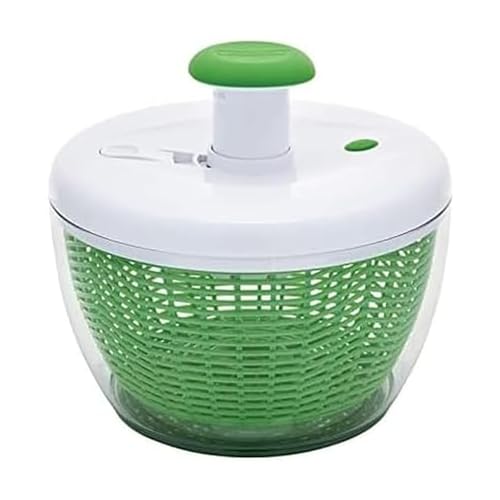
HEALTHY MADE EASY: Our Pro Pump Salad Spinner makes it so easy to prepare nutritious foods every night of the week. This device helps you to clean and serve salad greens and other produce, including fruits and even berries, in seconds!

One-Touch OXO Salad Spinner: Did you know that OXO invented the one-touch salad spinner? Its one-handed pump gives you maximum drying of lettuce with minimum effort
Rinsing Fresh Herbs
Rinse your fresh herbs under cool, running water. Hold the stems with one hand while gently moving the leaves with the other. This action removes surface soil and potential debris. For delicate herbs, like cilantro or parsley, use a gentle stream to avoid bruising.
Removing Dirt And Debris
After rinsing, inspect the herbs for remaining dirt or insects. If you spot any stubborn soil, fill a large bowl with cool water and submerge the herbs. Swish them gently to dislodge dirt. For sturdier herbs, like thyme or rosemary, a soft brush can effectively remove stubborn debris without damaging the leaves.
Drying Techniques
After cleaning, it’s essential to dry the herbs to prevent moisture accumulation. Shake off excess water and lay them flat on a clean kitchen towel or paper towels. Pat the leaves gently to absorb any remaining moisture. You can also use a salad spinner to expedite the drying process, ensuring they stay crisp and flavorful.
Using these steps, your garden herbs will be clean, fresh, and ready for your next meal.
Tips For Preserving Clean Herbs
Preserving clean herbs ensures maximum flavor and shelf life. Follow these practical tips for the best results.
Recommended Products

Fresh Herb Keeper for Preservation: This fresh herb keeper is designed to extend the freshness of your herbs by up to 10 days, ensuring vibrant flavors for your dishes

Help Keep Produce Fresh Longer: Fridge-friendly storage helps keep produce fresh longer with an inner basket keeps produce elevated and promotes optimal air circulation to keep things fresh

LAWNFUL HERB KEEPER: LAWNFUL Herb Keepers are designed to prolong the life of all types of herbs, like cilantro, mint, parsley, asparagus, thyme, and other herbs. With our herb keeper, your herbs will stay fresh for 3 times longer.
Store Fresh Herbs in Water
- Trim the stems of fresh herbs before placing them in a jar or glass of water.
- Cover the leaves with a plastic bag to create a mini greenhouse effect.
- Keep the jar in the refrigerator for up to a week.
Use a Damp Paper Towel
- Wrap fresh herbs in a damp paper towel to maintain moisture.
- Place the wrapped herbs inside a plastic bag, leaving it slightly open for airflow.
- Store them in the refrigerator, where they can stay fresh for several days.
Freeze for Long-Term Storage
- Rinse and dry herbs before chopping them finely.
- Place the chopped herbs in ice cube trays and fill with water or olive oil.
- Freeze the trays, then transfer the cubes to a freezer bag for convenient cooking additions.
Drying Herbs
- Tie small bundles of herbs together and hang them upside down in a cool, dark, and ventilated area.
- Allow the herbs to dry completely before storing them in airtight containers.
- Store dried herbs away from direct sunlight to maintain flavor potency.
- Use clear containers to store fresh or dried herbs.
- Label each container with the herb name and date of preservation.
- Ensure you can easily identify and utilize your herbs when needed.
Common Mistakes To Avoid
Cleaning garden herbs can enhance their flavor and freshness. However, several common mistakes can hinder this process. Avoiding these pitfalls ensures your herbs remain vibrant and ready for use.
Skipping the Rinse
Rinsing herbs is crucial. Skipping this step allows dirt, bugs, and potential pesticides to remain on the leaves. Always rinse your herbs under cool, running water to eliminate contaminants effectively.
Using Hot Water
Using hot water can wilt and ruin delicate herbs. Stick to cool water for rinsing. This ensures the leaves retain their texture and flavor.
Over-Scrubbing
Over-scrubbing can damage delicate herbs. Gently toss them in water to dislodge dirt instead. For sturdier herbs, use a soft brush sparingly to avoid bruising.
Neglecting Drying
Neglecting to dry herbs can lead to moisture accumulation, which speeds up spoilage. Shake off excess water, pat them dry with paper towels, or consider a salad spinner to remove moisture completely.
Storing Wet Herbs
Storing wet herbs can cause them to rot. Ensure your herbs are thoroughly dried before placing them in storage containers. This helps maximize their shelf life and flavor.
Ignoring Signs of Spoilage
Ignoring signs of spoilage can risk your health. Always inspect your herbs for yellowing leaves or slimy textures. Discard any that show these signs to avoid affecting the taste of your dishes.
Not Using Proper Storage
Not using proper storage methods can lead to wasted herbs. Store herbs upright in jars with water, or wrap them in damp paper towels. These techniques keep them fresh longer.
Overcomplicating Cleaning Solutions
Overcomplicating cleaning solutions can yield minimal benefits. Simple rinsing is often sufficient for most herbs. Use vinegar or salt solutions only when necessary, as these can alter the flavor if not rinsed well.
By avoiding these common mistakes, you ensure that your garden herbs remain fresh, flavorful, and ready to elevate your culinary creations.
Conclusion
Cleaning your garden herbs doesn’t have to be a chore. With a few simple steps and the right tools, you can enjoy fresh and flavorful herbs in your meals. Remember that a good rinse not only enhances taste but also keeps your herbs safe and nutritious.
By following the tips for storage and preservation, you’ll make the most of your harvest and reduce waste. Avoiding common mistakes will ensure your herbs stay vibrant and delicious for longer.
So next time you’re ready to cook, take a moment to give your herbs the care they deserve. You’ll taste the difference in every dish you prepare. Happy cooking!
Frequently Asked Questions
How do I properly clean garden herbs?
To clean garden herbs, rinse them under cool running water, gently moving the leaves to remove dirt and debris. For delicate herbs, use a gentle stream to avoid bruising. Inspect for any remaining soil or insects, and soak sturdier herbs in a bowl of water if needed.
What tools do I need to clean my herbs?
Essential tools include a colander for draining, a large bowl for soaking, a soft brush for sturdier herbs, paper towels or cloth for drying, and kitchen scissors for trimming. These help ensure an efficient and effective cleaning process.
Can I use vinegar to clean herbs?
Yes, a vinegar solution can be used for deeper cleaning of herbs, helping to eliminate contaminants and potential pests. Mix one part vinegar to three parts water, soak the herbs briefly, and rinse thoroughly under cool water.
How should I store fresh herbs after cleaning?
After cleaning, trim the stems and store fresh herbs in a jar with water, covered with a plastic bag, in the refrigerator. Alternatively, wrap them in a damp paper towel and place them in a slightly open plastic bag for freshness.
What common mistakes should I avoid when cleaning herbs?
Common mistakes include skipping the rinse, using hot water, over-scrubbing, neglecting to dry, storing wet herbs, and ignoring signs of spoilage. Avoiding these can help maintain the quality and flavor of your herbs.

My interest in trees started when I first saw the giant sequoias in Yosemite.I was a teenager then, and I remember thinking, “I need to learn more about this.”That moment stuck with me.A few years later, I went on to study forestry at Michigan Tech.
Since graduating, I’ve worked in a mix of hands-on tree care and community education.I’ve spent over ten years helping people understand how to plant, maintain, and protect the trees in their neighborhoods.I don’t see trees as just part of the landscape.They are living things that make a real difference in our daily lives.