Are you tired of dealing with rotting wooden garden beds? Metal garden beds offer a durable and stylish solution that can elevate your gardening experience. Imagine having a garden that not only looks great but also stands the test of time, allowing you to focus on growing your favorite plants instead of constant repairs.
Key Takeaways
- Durability and Longevity: Metal garden beds outlast wooden options, resisting rot, pests, and harsh weather conditions, and can last over 15 years with proper care.
- Aesthetic Appeal: Available in various designs and finishes, metal garden beds enhance the visual appeal of any garden, complementing diverse landscape styles.
- Soil Temperature Regulation: Metal beds help maintain optimal soil temperatures, allowing for earlier planting and extended growing seasons.
- Ease of Maintenance: With minimal upkeep required, a simple wash keeps metal beds fresh, eliminating the need for refinishing or sealing.
- Customization Options: Metal garden beds can be built in various sizes and shapes to meet individual gardening needs and preferences.
- Simple Installation Process: Setting up metal garden beds is straightforward; following basic steps ensures an efficient and rewarding gardening experience.
Overview of Metal Garden Beds
Metal garden beds offer a robust and stylish solution for gardeners seeking longevity and ease of use. These beds provide significant advantages over traditional wooden options, primarily in durability and maintenance.
Durability
Metal is resistant to rot, pests, and the wear that comes with time. This resistance ensures your garden beds stand up against harsh weather and various soil conditions, eliminating the need for frequent replacements.
Aesthetic Appeal
Metal beds come in various designs and finishes, from galvanized steel to powder-coated options. You can choose styles that complement your landscape, enhancing the visual appeal of your garden space.
Soil Temperature Regulation
Metal retains heat from the sun, warming the soil faster in spring and retaining warmth in the evening. This can lead to earlier planting times and extended growing seasons for your plants.
Ease of Maintenance
Unlike wood, metal requires minimal upkeep. A quick wash with soap and water keeps the surface clean, ensuring your garden stays looking fresh without the need for refinishing or sealing.
Customization Options
You can build metal garden beds in various sizes and shapes to suit your gardening needs. Consider your available space and choose heights that accommodate comfortable gardening without excessive bending.
Installation
Setting up metal garden beds is straightforward. You can follow these steps for an efficient setup:
- Choose a level location: Identify a spot that receives ample sunlight.
- Prepare the ground: Remove grass and weeds for a clean base.
- Assemble the frame: Follow manufacturer instructions for easy assembly.
- Secure the bed: Use brackets or stakes to stabilize it in place.
- Fill with soil: Add quality soil and compost, making sure it meets your plants’ needs.
Metal garden beds blend functionality with style, making them an excellent choice for gardeners of all levels. They encourage healthy plant growth while minimizing maintenance chores.
Benefits of Metal Garden Beds
Metal garden beds offer numerous advantages that enhance your gardening experience. Their durability, aesthetic appeal, and low maintenance requirements make them a preferred choice among gardeners.
Durability and Longevity
Metal garden beds resist rot, pests, and weather extremes. Unlike wooden beds, metal won’t warp or decay. The materials, typically galvanized steel or aluminum, withstand rust and corrosion with proper care. For example, a well-crafted metal bed can last over 15 years, significantly outpacing traditional wooden options. This longevity reduces the frequency of replacements, saving you time and money in the long run.
Aesthetic Appeal
Metal garden beds come in various designs, colors, and finishes to suit your landscape. Their sleek look complements both modern and traditional gardens. You can choose from raised beds, decorative edges, or simple rectangular shapes to match your style. For instance, a rusted finish can add a rustic charm, while a shiny aluminum bed offers a contemporary feel. This versatility helps create a visually appealing garden that stands out.
Materials Needed for Construction
Building metal garden beds requires specific materials to ensure durability and functionality. Gathering the right supplies ahead of time streamlines the process and leads to better results.
Recommended Products

QUICK & TOOL-FREE ASSEMBLY: Our galvanized garden beds outdoor manual includes a clear parts list and installation steps, which can save your time and assist you assemble the galvanized garden beds quickly.

SPACIOUS GROWING SPACE WITH EXTRA PLANTING DEPTH:Measuring 91.5" L × 47.3" W × 22.06" H, this galvanized raised garden bed holds approximately 412 gallons of soil, providing generous planting space and extra depth for vegetables, herbs, flowers and fruits. The spacious design allows roots to grow naturally while supporting tomatoes, peppers, cucumbers, broccoli, beans, lettuce, carrots, potatoes and other popular garden plants. Ideal for backyard gardening, raised vegetable gardens and outdoor planter box projects.

Size: Accessories for 2 complete garden beds in one box!!! 72"(L) x 36"(W) x 12"(H), growing area of this garden bed perfect for an array of vegetables, herbs, and flowers in your yard
Choosing the Right Metal
Selecting the right metal for your garden beds is crucial. Options include:
- Galvanized Steel: Offers rust resistance, making it a popular choice. It lasts a long time and withstands harsh weather.
- Aluminum: Lightweight and resistant to corrosion. It’s easy to work with but may be less durable than steel.
- Corten Steel: Develops a protective rust layer, providing a rustic look. It’s highly sturdy and ideal for long-term use.
Consider your climate, budget, and desired aesthetics when choosing.
Additional Supplies
Along with the metal, you’ll need several other supplies for construction:
- Metal Stakes: Use these to secure the corners of each bed. They add stability and ensure the structure holds its shape.
- Screws or Bolts: Select corrosion-resistant screws or bolts to join metal pieces securely.
- Landscaping Fabric: Lay this inside the beds to prevent soil loss and weed growth while allowing drainage.
- Soil and Compost: Fill your beds with high-quality soil and compost for optimal plant growth.
- Protective Gear: Include gloves and safety glasses to safeguard against sharp metal edges.
Having everything prepared creates a smooth construction process and sets the stage for a thriving garden.
Step-by-Step Guide to Building Metal Garden Beds
Creating metal garden beds is straightforward and rewarding. Follow these steps for a successful construction process.
Preparing the Site
- Select a Location: Choose a sunny spot that receives at least 6 hours of sunlight daily. Ensure the ground is level and well-drained.
- Clear the Area: Remove any grass, weeds, or debris from the selected site. Aim for a space that is large enough for the size of the beds you plan to build.
- Measure and Mark: Use stakes and string to outline the dimensions of your beds. Typically, beds can range from 4 to 12 feet in length and 2 to 4 feet in width, depending on your available space.
- Prepare the Soil: Loosen the soil within the outlined area. Adding organic matter like compost improves drainage and fertility.
- Gather Materials: Ensure you have all necessary materials, including your metal sheets (galvanized steel, aluminum, or corten steel), screws or bolts, metal stakes, and landscaping fabric.
- Cut Metal Sheets: If necessary, cut the metal sheets to the desired dimensions. Standard heights for metal beds are 12 to 18 inches, providing ample soil depth.
- Create the Frame: Lay out the metal sheets to form the perimeter of the bed. Use L-brackets or corner brackets to secure the corners, ensuring stability.
- Secure the Edges: Drill screws or bolts through the brackets and into the metal sheets for a tight fit. Attach metal stakes to the corners for added support.
- Install Landscaping Fabric: Place landscaping fabric at the bottom of the bed to prevent soil loss while allowing drainage.
- Fill with Soil: Add a mixture of high-quality soil and compost to the raised bed. Fill to about an inch below the top edge to allow for watering.
- Level the Surface: Smooth and level the soil surface inside the bed to prepare for planting.
By following these steps, you can create a sturdy and functional metal garden bed tailored to your gardening needs.
Maintenance Tips for Metal Garden Beds
Maintaining metal garden beds ensures longevity and optimal performance. Follow these practical tips to keep your beds in excellent condition.
Recommended Products
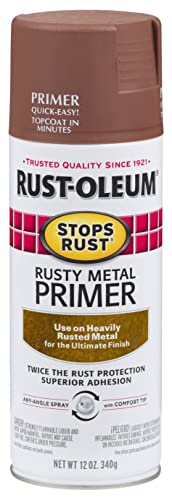
Use to prime exterior or interior heavily rusted metal surfaces only
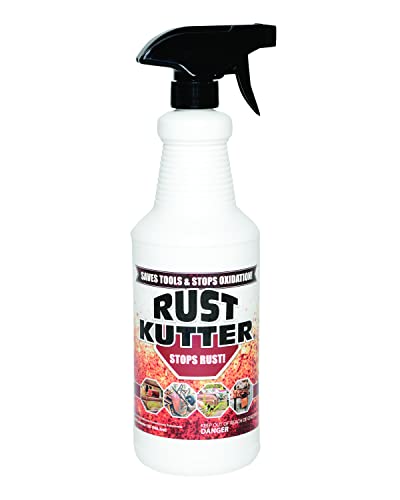
A rust converter is a specialized product designed to convert rust into a more stable and non-reactive compound that can be painted over.

2-in-1 Rust Converter & Primer: This advanced rust converter for metal works as both a rust converter paint and rust converter primer, converting rust into a stable black protective coating. Its advanced water-based formula penetrates deeply into rust, converting it into a stable matte layer that seals out moisture, air, and oxidation-delivering lasting metal protection
Regular Cleaning
Keep your metal garden beds clean to prevent dirt build-up and rust. Use a mixture of mild soap and water for cleaning. Scrub the surfaces with a soft brush or sponge at least once a season. For tough stains or rust spots, apply white vinegar or a rust-inhibiting cleaner and scrub gently.
Inspect for Damage
Check your metal garden beds regularly for signs of wear, such as rust or dents. Look for loose screws or bolts that may need tightening. Addressing these issues promptly prevents larger problems down the line.
Protect from Corrosion
Apply a rust-inhibiting paint specifically designed for metals. This adds a protective layer against moisture and prolongs the life of your garden beds. Reapply this paint every few years, particularly in areas with high humidity.
Manage Soil Levels
Monitor soil levels to avoid too much weight on the metal frame. Soil can settle over time, so be prepared to top off your garden beds with additional soil and compost as needed. Maintaining proper soil levels keeps plants healthy and promotes good drainage.
Ensure Proper Drainage
Ensure your metal garden beds have adequate drainage to prevent water-logging. If you notice standing water, consider adding additional drainage holes or elevating the beds on bricks or stones to encourage water flow away from the metal.
Protect Against Extreme Temperatures
Shield your beds from harsh temperatures by using mulch or shade cloth. Mulch helps retain moisture and protects the soil from extreme heat, while shade cloth provides sun protection on very hot days, maintaining an optimal environment for your plants.
Consider Seasonal Preparations
During winter, consider covering your metal beds with protective tarps or blankets if you live in a region with harsh winters. This reduces exposure to ice and snow, preventing potential damage to the metal structure.
By implementing these maintenance tips, you can extend the life of your metal garden beds and create a thriving space for your plants.
Conclusion
Building metal garden beds is a fantastic way to enhance your gardening experience. With their durability and low maintenance, you can focus more on nurturing your plants and less on repairs. Plus, the variety of styles available means you can find the perfect fit for your landscape.
By following the steps outlined and keeping up with a little maintenance, you’ll enjoy a thriving garden for years to come. Your metal beds will not only serve as a practical solution but also add a touch of style to your outdoor space. So grab your tools and get started on creating a beautiful garden that you’ll love!
Frequently Asked Questions
What are the benefits of using metal garden beds over wooden ones?
Metal garden beds are more durable and resistant to rot, pests, and harsh weather compared to wooden beds. They can last over 15 years with proper care, require minimal maintenance, and help regulate soil temperature for better plant growth.
How do I build a metal garden bed?
To build a metal garden bed, start by preparing your site and gathering materials like galvanized steel or aluminum. Cut the metal sheets, create the frame, secure the edges, lay landscaping fabric, fill with soil, and level it. Following these steps will provide a sturdy structure.
What materials are recommended for constructing metal garden beds?
Use galvanized steel for rust resistance, aluminum for lightweight durability, or corten steel for a rustic look. Additionally, you’ll need metal stakes, corrosion-resistant screws, landscaping fabric, and quality soil and compost for optimal growth.
How can I maintain metal garden beds?
Regular maintenance includes cleaning with mild soap and water, inspecting for damage, and applying rust-inhibiting paint. Also, manage soil levels, ensure proper drainage, and protect your beds from extreme temperatures with mulch or shade cloth.
Can I customize the size and shape of my metal garden bed?
Yes, metal garden beds can be easily customized to fit your space and gardening needs. You can choose different dimensions and shapes, allowing for a personalized fit in your landscape. This flexibility enhances usability for various gardening styles.
How do metal garden beds contribute to plant growth?
Metal garden beds help regulate soil temperature, allowing for earlier planting and extended growing seasons. Their structure also encourages better drainage and prevents soil loss, creating an optimal environment for plant growth.

My interest in trees started when I first saw the giant sequoias in Yosemite.I was a teenager then, and I remember thinking, “I need to learn more about this.”That moment stuck with me.A few years later, I went on to study forestry at Michigan Tech.
Since graduating, I’ve worked in a mix of hands-on tree care and community education.I’ve spent over ten years helping people understand how to plant, maintain, and protect the trees in their neighborhoods.I don’t see trees as just part of the landscape.They are living things that make a real difference in our daily lives.