Have you ever wanted a garden that’s not only beautiful but also practical? Imagine stepping outside to grab fresh herbs for your cooking, all while enjoying a stunning spiral design that saves space and adds charm to your yard.
Key Takeaways
- Space Efficiency: Spiral herb gardens maximize growing potential by utilizing vertical space, making them perfect for small areas like yards or balconies.
- Accessibility: The spiral design provides easy access to all your herbs, reducing physical strain and making maintenance simpler.
- Microclimates: The varying heights of the spiral create distinct microclimates, allowing for optimal growing conditions for different herb types.
- Visual Appeal: This unique garden design adds aesthetic charm to your outdoor space, acting as a focal point while showcasing a variety of colors and textures.
- Key Herbs: Select a mix of herbs such as basil, thyme, mint, and parsley, choosing suitable locations in the spiral based on their sunlight and water needs.
- Regular Maintenance: Consistent watering, pruning, and pest management are essential for maintaining a healthy and productive spiral herb garden.
Overview of a Spiral Herb Garden
A spiral herb garden presents an efficient and attractive way to grow fresh herbs. This design uses vertical space, making it ideal for small yards or balconies. The spiral shape allows you to create microclimates, which helps different herbs thrive by providing varied soil conditions and exposure to sunlight.
Key Features of a Spiral Herb Garden
- Space Efficiency
Spiral herb gardens occupy less ground area compared to traditional gardens. You can fit more plants into a compact space, maximizing the harvest. - Accessibility
The spiral design promotes easy access. You can reach all your herbs from various angles, reducing the strain on your back when tending to the garden. - Aesthetics
A spiral herb garden adds visual interest to your yard. The unique shape serves as a focal point while offering a wide variety of colors and textures from different herbs. - Microclimates
The varying heights of the spiral create microclimates. You can plant sun-loving herbs at the top and shade-loving herbs lower down, increasing overall growth success.
Common Herbs for a Spiral Garden
- Basil
Thrives in warm, sunny spots. Use this herb for cooking and fresh salads. - Thyme
Grows well in well-drained soil. It offers robust flavor and works well in various dishes. - Mint
Preferably planted in contained areas. It spreads quickly, offering refreshing flavors for beverages and desserts. - Parsley
Offers nutrition and culinary versatility. It’s both a garnish and a key ingredient in many recipes.
Tools You’ll Need
- Shovel
Essential for digging and shaping the spiral. - Rake
Helps level the soil and prepare the base. - Watering Can
Allows for easy watering, especially for delicate seedlings. - Garden Gloves
Protect your hands while working with soil and plants.
- Choose a Location
Select a sunny spot that provides at least six hours of sunlight daily. Ensure the area has good drainage. - Design the Spiral
Mark the spiral shape on the ground. A diameter of about 3 feet works well for most gardens. - Dig the Spiral
Create a spiral mound of soil, gradually increasing its height as you move inward. - Fill with Soil
Use a mix of compost and garden soil. This mixture provides essential nutrients for your herbs. - Plant Your Herbs
Follow the sunlight and water requirements for each herb. Place sun-loving herbs at the top and shade lovers at the bottom. - Water Regularly
Maintain soil moisture without oversaturating. Check the conditions frequently, especially in dry spells.
By following these details, you can successfully create a functional and visually appealing spiral herb garden that enhances your culinary experiences.
Benefits of a Spiral Herb Garden
A spiral herb garden provides numerous advantages that enhance both functionality and enjoyment in gardening. This unique design maximizes space and creates an inviting environment for growing herbs.
Space Efficiency
A spiral herb garden occupies less ground area than traditional gardens. The vertical structure allows you to cultivate a variety of herbs in a compact space. You can fit more plants into a smaller footprint, making it ideal for small yards or patios. This setup lets you integrate herbs into your existing landscape without sacrificing valuable square footage. Placing taller herbs at the top and shorter ones at the bottom maximizes sunlight exposure and achieves a neat arrangement.
Aesthetic Appeal
A spiral herb garden adds a distinct and artistic element to your outdoor space. The winding structure creates visual interest and can serve as a focal point in your yard or garden. With varied heights, colors, and textures, the display of herbs enhances the overall aesthetic. You can mix foliage colors with blooming herbs like lavender and chives for an eye-catching effect. Using stones, bricks, or even logs to create the spiral adds natural beauty and ties the design into the surrounding landscape.
Materials Required
Creating a spiral herb garden involves gathering specific materials for a successful setup. Below are essential tools and recommended herbs to make your garden thrive.
Recommended Products

GARDENING ESSENTIAL: Heavy duty, ergonomic hand cultivator with sharp tines ideal for a variety of gardening tasks like digging in tough soil, aerating soil, removing weeds, and more to encourage overall plant health and appearance

Garden Claw Professional: Walensee Twist Tiller is a hand tool for the soil and clay and easy to Cultivate, loosen, turn, till, aerate and weed your soil. It can be used on large empty areas or narrow spaces. Four sharp curve tines can be easily and smoothly penetrate into the soil, it makes easy turn and shift of the dirt. The tine is much wider and longer, digs will be deeper and wider to save your working time and energy.
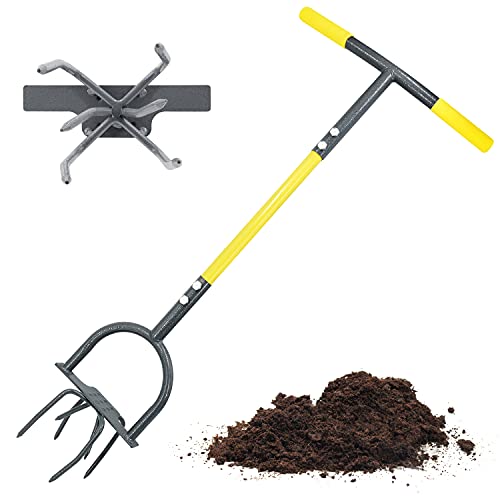
【Anti-Slip Foot Plate - Penetrate Soil with One Tread】- This manual hand tiller comes with anti-slip foot plate, maximize downward force of treading and penetrate into soil easily. The curved handle and long design reduce twisting effort and back strain, ideal for seniors or anyone with joint strain
Essential Tools
- Shovel: A sturdy shovel is vital for digging and shaping the mound.
- Rake: Use a rake to level the soil and ensure a smooth surface for planting.
- Watering Can: A watering can helps deliver water precisely to the plants.
- Garden Gloves: Protect your hands while handling soil and plants.
- Trowel: A trowel is useful for planting herbs and making small adjustments in the soil.
- Garden Hose: A hose with a spray nozzle simplifies watering your herb garden.
- Basil: Thrives in sunny spots and adds flavor to dishes.
- Thyme: A hardy herb that prefers well-drained soil and full sun.
- Mint: Grows vigorously; consider planting it in a contained space.
- Parsley: Enjoys partial shade; suitable for lower levels of the spiral.
- Chives: Easy to grow and provides a mild onion flavor.
- Oregano: A drought-tolerant herb that flourishes in warm conditions.
Gather these materials to lay a strong foundation for your spiral herb garden, and watch your selection of fresh herbs flourish.
Step-by-Step Guide to Building a Spiral Herb Garden
Creating a spiral herb garden involves careful planning and execution. Follow these steps for a successful setup.
Recommended Products

Complete All-In-One Kit - No need to buy separate supplies. This herb starter set comes with 4 plastic planter pots, 4 soil discs, 4 plant markers 4 heirloom herb seed packets, and essential planting tools—everything you need to start your indoor herb garden immediately.

HERB PLANTS & SEEDS - Start an indoor herb garden from seed with basil, chives, dill, cilantro and parsley, each in its own burlap pot.

HERB GROWING KIT: This all-inclusive kit comes with 5 planter bags, 5 plant markers, 5 soil disks, 1 mini shears, and 1 planting guide. Designed for simplicity, it's perfect for beginners looking to start their own indoor garden.
Choosing the Right Location
Select a sunny spot with at least six hours of sunlight daily. Consider proximity to your kitchen for easy access to herbs during cooking. Ensure the area has good drainage to prevent waterlogging.
Designing Your Spiral
Sketch your design on paper. A common spiral shape approaches about three feet in diameter and rises around two feet high. Consider using a stone or brick border to define the space clearly. This structure maintains the spiral’s integrity while adding visual appeal.
Constructing the Spiral
Gather stones or bricks. Start with a circular base, stacking materials progressively higher as you move outward. Use dirt in the gaps to create a solid foundation. Aim for a gradual incline to facilitate easy access to all herbs.
Planting Your Herbs
Choose herbs based on sunlight and water needs. Place taller herbs, like basil, at the top and shorter ones, such as thyme, at the bottom. Dig holes for each herb, allowing adequate space between plants for growth. After planting, water each herb thoroughly. Regularly check moisture levels, ensuring herbs stay hydrated.
By following these steps, you can create an efficient and beautiful spiral herb garden that enhances your culinary experiences.
Maintenance Tips for Your Spiral Herb Garden
Maintaining your spiral herb garden ensures its health and productivity. Follow these tips to keep your herbs thriving.
Regular Watering
Water your herbs consistently, aiming for about one inch per week. Check the soil moisture by inserting your finger an inch deep. If it’s dry, it’s time to water. Consider using a soaker hose to provide hydration without oversaturating the soil.
Pruning and Harvesting
Prune herbs regularly to promote bushy growth. Cut back about one-third of the plant during the growing season. Harvest herbs when they reach about six inches tall. Regular harvesting encourages new growth and helps maintain plant health.
Fertilization
Fertilize every four to six weeks, using a balanced, organic fertilizer. Follow package instructions for application rates. Over-fertilizing can harm your herbs, so moderation is key.
Weeding
Check for weeds weekly. Remove them by hand or with a hoe, being careful not to disturb the roots of your herbs. Mulching around your spiral garden helps suppress weeds and retain moisture.
Pest Management
Inspect your herbs for pests like aphids or spider mites. Use natural remedies such as insecticidal soap or neem oil to manage infestations. Introduce beneficial insects, like ladybugs, to keep pest populations in check.
Seasonal Care
In colder months, protect your herbs by covering them with frost cloth or moving potted herbs indoors. Consider planting hardy herbs like thyme or rosemary that can withstand cooler temperatures.
Rotating Herbs
Rotate your herbs every few seasons to avoid nutrient depletion in the soil. Different herbs have varied nutrient needs, so alternating them helps maintain soil health.
By implementing these maintenance tips, you’ll promote a vibrant and productive spiral herb garden, perfect for your culinary needs.
Conclusion
Building a spiral herb garden is a rewarding project that brings both beauty and practicality to your outdoor space. You’ll enjoy easy access to fresh herbs right at your fingertips while creating a stunning focal point in your yard or balcony.
With a little planning and care, your garden can thrive and provide a delightful array of flavors for your cooking. Remember to keep up with regular maintenance and enjoy the process of nurturing your herbs.
So gather your tools and get started on your spiral herb garden adventure. You’ll be amazed at how much joy and satisfaction it can bring to your culinary experiences. Happy gardening!
Frequently Asked Questions
What is a spiral herb garden?
A spiral herb garden is a unique garden design that features a spiral shape, allowing for efficient use of space while providing easy access to a variety of herbs. It maximizes vertical space, making it ideal for small yards or balconies.
What are the benefits of a spiral herb garden?
The benefits include space efficiency, accessibility, and aesthetic appeal. It allows for greater sunlight exposure and varied growing conditions, helping different herbs thrive while serving as a beautiful focal point in your landscape.
What herbs are suitable for a spiral herb garden?
Common herbs suitable for a spiral herb garden include basil, thyme, mint, parsley, chives, and oregano. These herbs thrive well in a compact setup and can be placed strategically based on their sunlight and water needs.
What tools do I need to create a spiral herb garden?
Essential tools for building a spiral herb garden include a shovel, rake, watering can, garden gloves, trowel, and garden hose. These tools will help you with digging, planting, and maintaining your garden.
How do I start building a spiral herb garden?
To start, select a sunny location with good drainage, sketch your design (about three feet in diameter and two feet high), gather stones or bricks for the spiral, and begin stacking them to create the structure.
How do I maintain a spiral herb garden?
Regular maintenance includes watering, pruning, and harvesting your herbs. Fertilize every four to six weeks, manage weeds and pests, and consider seasonal care, such as protecting herbs during cold weather to ensure healthy growth.
Can I grow herbs in a small yard with a spiral garden?
Yes! A spiral herb garden is particularly well-suited for small yards or patios as it maximizes vertical space and efficiently utilizes the available area, allowing you to grow a variety of herbs in a compact design.

My interest in trees started when I first saw the giant sequoias in Yosemite.I was a teenager then, and I remember thinking, “I need to learn more about this.”That moment stuck with me.A few years later, I went on to study forestry at Michigan Tech.
Since graduating, I’ve worked in a mix of hands-on tree care and community education.I’ve spent over ten years helping people understand how to plant, maintain, and protect the trees in their neighborhoods.I don’t see trees as just part of the landscape.They are living things that make a real difference in our daily lives.