Have you ever looked at your yard and thought it could use a little more life? Creating a garden bed can transform that empty space into a vibrant area filled with flowers or veggies. But where do you start?
Key Takeaways
- Essential Tools: Acquire necessary tools such as a shovel, trowel, garden rake, and edging tool for an efficient garden bed setup.
- Site Preparation: Choose a well-lit location with good drainage, and mark the boundaries with a hose or string for easy digging.
- Grass and Weeds Removal: Clear the designated area by removing grass and weeds, using a shovel or trowel, and ensuring proper disposal of debris.
- Defining Edges: Create crisp garden bed edges for a tidy appearance using a rake or shovel, or consider landscape edging for a permanent solution.
- Soil Selection: Assess soil types (topsoil, garden soil, potting mix, clay) based on plant needs to ensure optimal growth conditions.
- Soil Quality Enhancement: Incorporate organic matter and test soil pH to boost fertility and create a thriving environment for your plants.
Tools and Materials Needed
You need the right tools and materials to cut out a garden bed successfully. This section outlines essential and optional tools for this task.
Recommended Products
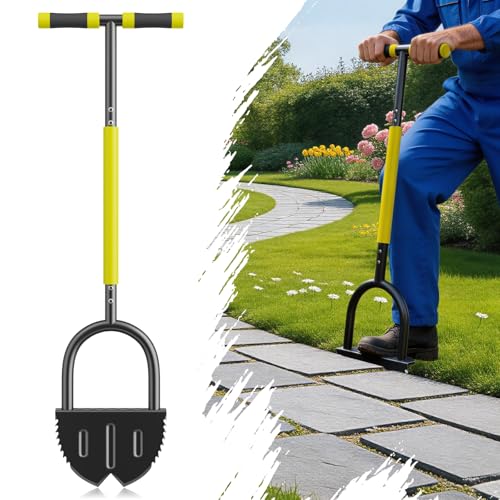
【Professional Edger Lawn Tool】The garden edger tool for landscaping features a high-carbon stainless steel double V-shaped serrated spring steel blade. The edger chopper is easier to cut through hard soil, grass roots, and turf compared to a flat shovel. This landscape edger tool is equipped with one-step cutting technology, with double V-shaped blades and a foot lever, saving more than 50% of effort. It works for both straight sidewalk lines and curved flower bed borders

Tempered Spring Steel Blade for Precise Edging: The CKLT Edger Lawn Tool features a high-quality serrated spring steel blade, setting it apart from conventional tools. Known for its exceptional strength and flexibility, spring steel resists deformation and maintains its sharpness even under challenging conditions

【Complete 33FT All-in-One Kit for Full Garden Coverage】 This full landscaping set includes 33 feet of 2-inch tall flexible garden border and 30 heavy-duty anchoring stakes, providing enough length to edge entire flower beds, define yard pathways, outline tree rings, or section off vegetable gardens in one go. No extra accessories or tools needed, you get everything for your outdoor project right out of the box, saving you time and extra costs.
Essential Tools
- Shovel: Use a garden shovel for digging out grass, weeds, and soil. It helps shape the garden bed.
- Trowel: A handheld trowel assists with precise digging and transplanting of smaller plants.
- Garden Rake: Rake the soil smooth once the bed’s outline is cut. It helps break up clumps and removes debris.
- Hose or String: Use a hose or string to outline the garden bed. This method creates a clear visual boundary for digging.
- Edging Tool: An edging tool defines the garden bed’s edge and separates it from the surrounding lawn or garden.
- Spading Fork: A spading fork aerates compacted soil, making it easier to work with.
- Wheelbarrow: A wheelbarrow transports soil, mulch, and plants efficiently to and from your garden bed.
- Mulching Landscape Fabric: Consider using this material to suppress weeds after cutting out the garden bed. It also aids in moisture retention.
- Gloves: Wearing durable gardening gloves protects your hands from blisters and dirt during the process.
- Garden Kneeler: A garden kneeler provides comfort while you work on lower sections of the bed, reducing strain on your knees.
Gather these tools and materials to create a garden bed that enhances your space.
Preparing the Site
Preparing the site is crucial for a successful garden bed installation. Focusing on the right location and marking your garden bed helps streamline the process.
Choosing the Right Location
Choosing the right location for your garden bed ensures healthy plants. Look for a spot with at least 6-8 hours of sunlight daily. Avoid areas with dense shade or overly wet soil. Observe drainage patterns; avoid low spots where water collects. Proximity to a water source simplifies irrigation. Consider visibility; an attractive garden bed enhances your outdoor space.
Marking Your Garden Bed
Marking your garden bed defines its boundaries and shape. Use a hose or string to outline the area, allowing flexibility in design. Consider shapes like rectangles, circles, or freeform styles. Once you’re happy with the layout, secure the string or hose with stakes. Mark the corners and edges with stakes or spray paint for visibility. Ensuring clear boundaries facilitates easier digging and planting, setting you up for success.
Cutting Out the Garden Bed
Cutting out a garden bed involves a few straightforward steps. You’ll create a defined space ready for planting flowers, vegetables, or shrubs.
Recommended Products
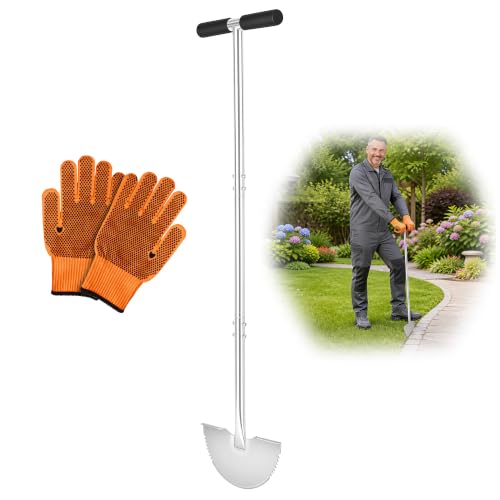
T-Handle Ergonomic Design: The edger lawn tool has a comfortable T-grip and 38 inch long handle without bending back when you remove weeds. Lawn edger tool is perfect for reducing stress on your hands when you remove grass, soil and so on.

Faster, Cleaner Lawn Edging,No More Messy Borders: This manual lawn edger tool features a razor-sharp saw-tooth blade, making it the perfect edging tool for landscaping. Whether you need to edge driveways, sidewalks, patios, or flower beds, this half-moon edger lawn tool delivers smooth, clean cuts every time,no more jagged or uneven lines!
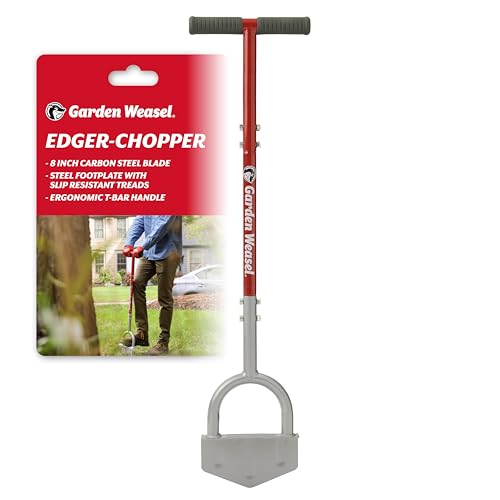
Crisp, Clean Edges - Create sharp defined borders along flower beds, driveways, and walkways using this manual lawn edger tool for a pro-level finish without gas or gadgets
Removing Grass and Weeds
Start by clearing the designated area of any grass and weeds. Use a garden shovel or trowel to dig out the sod and roots, ensuring you remove any debris. If the area is large, a spading fork can help loosen the soil for easier removal. For persistent weeds, consider applying a non-toxic herbicide beforehand to make removal easier. Dispose of the grass and weeds properly, either by composting them if they’re healthy or throwing them away if they’re diseased.
Cutting the Edges
Next, define the edges of your garden bed. You can use a garden rake or shovel to create crisp edges by cutting down into the soil along the marked outline. This step ensures a clean separation between your garden bed and the surrounding lawn. If you prefer a more permanent solution, use landscape edging or bricks around the border, which can also help prevent grass from encroaching. By having distinct edges, your garden bed will look organized and intentional.
Adding Soil and Nutrients
After cutting out your garden bed, you’ll enrich it with soil and nutrients to promote healthy plant growth. Selecting the right soil type and enhancing its quality ensures your garden thrives.
Recommended Products

Includes 10lb block of Back to the Roots compressed Coconut Coir that expands to 51qt of potting soil. A balanced pH, which means it’s truly all-purpose. Use alone or as an amendment for anything in a pot or in the ground — vegetables, flowers, herbs, and even starting seeds.

ALL-NATURAL MIX: Burpee Organic Premium Potting Mix is formulated with plant food & coconut coir to promote seed & root growth and healthy flower, vegetable & herb plants. OMRI Listed for organic use.
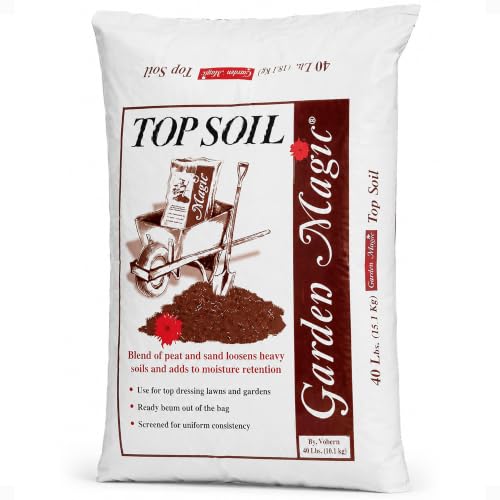
Ready-to-Use for All Planting Needs: This general-purpose potting soil is ready to use out of the bag, perfect for both indoor and outdoor planting without any extra prep
Soil Types to Consider
You have several soil types to choose from:
- Topsoil: Rich in organic matter, topsoil provides nutrients and improves drainage. Use it as the primary layer for your bed.
- Garden Soil: Pre-mixed garden soil contains compost and organic fertilizers, perfect for planting directly.
- Potting Mix: Designed for container gardening, potting mix is lightweight and retains moisture well.
- Clay Soil: Heavy and dense, clay soil retains nutrients. If your existing soil is clay, amend it with organic materials to improve texture.
Choose a soil type based on your garden’s needs and the plants you plan to grow.
Enhancing Soil Quality
Boosting soil quality involves a few important steps:
- Add Organic Matter: Incorporate compost or well-rotted manure to enrich soil fertility. Aim for about 2-3 inches of organic matter evenly spread across the garden bed.
- Mix Thoroughly: Use a garden rake or spading fork to blend the organic matter into existing soil until it’s well-combined.
- Test Soil pH: Determine soil acidity or alkalinity using a simple pH test kit. Most plants thrive in a pH range of 6.0 to 7.0.
- Adjust pH if Necessary: Add lime to raise pH or sulfur to lower it, according to test results. Make adjustments gradually to avoid sudden changes.
By enhancing soil quality, you’ll create a healthy environment for your plants, resulting in a flourishing garden bed.
Conclusion
Creating a garden bed is an exciting way to breathe life into your yard. With the right tools and preparation you’ll set the stage for a flourishing garden.
Once you’ve defined your space and enriched the soil you’ll be ready to plant and watch your garden thrive. Remember to enjoy the process and take pride in your hard work.
Before you know it you’ll have a beautiful garden bed that not only enhances your outdoor space but also brings you joy and satisfaction. Happy gardening!
Frequently Asked Questions
What tools do I need to create a garden bed?
You will need essential tools like a garden shovel for digging, a trowel for precise work, a garden rake for smoothing soil, and a hose or string to outline the bed. Optional tools include a spading fork, wheelbarrow, gloves, and a garden kneeler to make the process easier and more comfortable.
How do I choose the right location for my garden bed?
Select a spot with at least 6-8 hours of sunlight daily. Avoid areas with dense shade or overly wet soil, and consider drainage patterns. It’s also helpful to choose a location close to a water source for convenience and visibility for aesthetic appeal.
What steps should I follow to cut out my garden bed?
Start by removing grass and weeds using a garden shovel or trowel. For larger areas, a spading fork is effective. After removing the weeds, define the edges with a garden rake or shovel for clean lines. You may also choose to add landscape edging for a long-lasting boundary.
How do I prepare the soil for my garden bed?
Enhance the soil by adding organic matter such as compost or well-rotted manure, mixing it well with the existing soil. Choose the right soil type based on your plants’ needs and test the soil pH to ensure it’s within the optimal range for healthy growth.
What should I do with the removed grass and weeds?
Dispose of the removed grass and weeds properly. You can compost them if they are healthy or discard them in yard waste bags designed for local collection. Avoid leaving them in the garden area to prevent regrowth and maintain a tidy space.

My interest in trees started when I first saw the giant sequoias in Yosemite.I was a teenager then, and I remember thinking, “I need to learn more about this.”That moment stuck with me.A few years later, I went on to study forestry at Michigan Tech.
Since graduating, I’ve worked in a mix of hands-on tree care and community education.I’ve spent over ten years helping people understand how to plant, maintain, and protect the trees in their neighborhoods.I don’t see trees as just part of the landscape.They are living things that make a real difference in our daily lives.