Have you ever looked at your yard and thought it could use a little character? A rock garden might be just what you need to transform that dull space into a vibrant landscape. With the right plants and stones, you can create a stunning display that’s low-maintenance and full of charm.
Key Takeaways
- Understanding Rock Gardens: Rock gardens combine natural stones with diverse plant species, offering a low-maintenance, visually appealing landscape that aids in erosion control and creates habitats for wildlife.
- Benefits and Types: They provide benefits such as reduced upkeep and aesthetic variety. Popular types include alpine, Mediterranean, Zen, and woodland gardens, each with unique plant selections and designs.
- Planning is Key: Select a location with ample sunlight and good drainage. Design your layout thoughtfully, using natural curves and varying plant heights for depth and interest.
- Choose the Right Plants: Opt for native plants to ensure lower maintenance and ecological benefits. Consider seasonal features to keep your garden attractive year-round.
- Building Steps: Prepare soil adequately, choose a mix of rock types for texture, and incorporate accessories to enhance your garden’s visual appeal.
- Regular Maintenance: Implement proper watering and drainage practices, alongside regular pruning and weeding, to maintain the garden’s health and beauty over time.
Understanding Rock Gardens
Rock gardens blend natural stones with various plant species, creating a unique and attractive landscape. They cater to diverse aesthetics and plant preferences, proving to be versatile additions to your yard.
Benefits of Rock Gardens
- Low Maintenance: Rock gardens typically require less upkeep than traditional gardens. Drought-tolerant plants thrive in these settings, reducing the need for frequent watering.
- Visual Appeal: The combination of rocks and plants provides textural contrast. The different colors and shapes contribute to a vibrant, eye-catching design.
- Erosion Control: Properly designed rock gardens help manage soil erosion. The rocks stabilize the soil, preventing runoff during heavy rains.
- Habitat Creation: Rock gardens create a habitat for beneficial insects and small wildlife. They provide shelter and food sources, enhancing local biodiversity.
- Alpine Gardens: These mimic the natural environment of alpine regions, featuring plants that thrive in high-altitude conditions. Use hardy species like saxifrages and alpine asters.
- Mediterranean Gardens: Focus on heat and drought-resistant plants, such as succulents and ornamental grasses. Combine terracotta pots and gravel for an authentic look.
- Zen Gardens: Emphasize simplicity and tranquility with minimalist designs. Incorporate larger stones and fine gravel, allowing for raking patterns and meditative spaces.
- Woodland Gardens: Create shady areas with native plants that flourish under trees. Ferns and wildflowers add soft textures and colors to rocky outcrops.
By understanding the benefits and types of rock gardens, you can tailor your designs to fit your space. Choose elements that resonate with your personal style while ensuring they suit your local climate.
Planning Your Rock Garden
Planning your rock garden involves making intentional choices about location and layout. These decisions set the foundation for a stunning and functional landscape.
Recommended Products

9-inch Standard Size:Each circlular paver measures 9 inches in diameter,,the smooth poslished pebble surface delivers a comfortable barefoot walking experience.
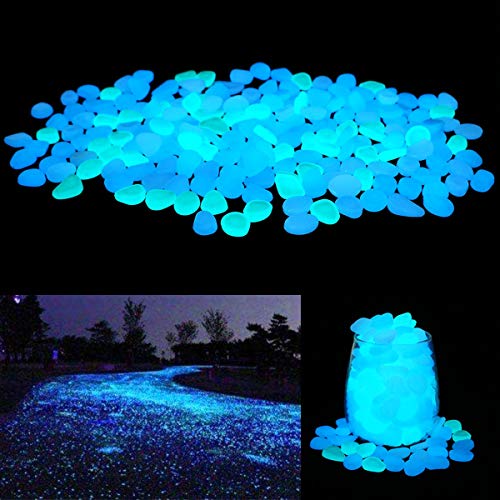
★Material★ - Photoluminescent pigment + resin. About 18×25×11mm each. 200PCS pack.
Selecting the Right Location
Location plays a crucial role in a successful rock garden. Choose a spot that receives adequate sunlight, typically six hours daily for most plants. Check soil drainage; rocky soils or slopes work best as they prevent water accumulation. Avoid low-lying areas prone to waterlogging. Observe local climate conditions to select plants that thrive in your environment. For instance, if you live in a warm area, consider drought-tolerant plants like sedums or hens and chicks.
Designing the Layout
Designing the layout shapes the aesthetic of your rock garden. Start with a rough sketch, planning where to place larger stones and plant clusters. Layer stones of various sizes to create depth and visual interest. Arrange plants in groups rather than scattering them randomly. Limit the use of straight lines; aim for natural curves that mimic a hillside or organic terrain.
Consider incorporating paths or stepping stones for accessibility. This allows you to enjoy your garden up close while maintaining the layout’s integrity. Use plants of varying heights to add dimension to your design. For example, place taller plants like foxgloves at the back and shorter ones like thyme in front.
By carefully choosing a location and crafting a thoughtful layout, you’ll create a rock garden that not only enhances your yard but also reflects your personal style.
Choosing Plants for Your Rock Garden
Choosing the right plants is essential for a thriving rock garden. Selecting species that fit your climate, soil, and personal taste enhances both beauty and sustainability.
Native Plants vs. Non-Native Plants
Native plants thrive in your local environment with minimal care. They generally require less water and attract local wildlife. Examples include:
- Echinacea purpurea (Purple Coneflower): This hardy perennial flourishes in full sun and attracts pollinators.
- Sedum spp. (Stonecrop): These succulents tolerate dry conditions and come in various colors.
Non-native plants, while sometimes more colorful or unique, may require extra maintenance to survive. They often demand more water and may not provide the same ecological benefits. Consider how each option fits your landscape goals before deciding.
Seasonal Considerations
Seasonality affects plant choices and maintenance. Select plants that offer year-round interest. For instance:
- Spring: Plant Phlox subulata (Creeping Phlox) for vibrant blooms early in the season.
- Summer: Incorporate Lavandula angustifolia (English Lavender) for both beauty and fragrance during the warmer months.
- Fall: Use Aster novae-angliae (New England Aster) to maintain visual appeal as the year progresses.
Consider plant hardiness zones when choosing species to ensure they survive year-round. Mix perennials and annuals for diverse colors and textures throughout the seasons.
Building Your Rock Garden
Building a rock garden involves careful planning and execution. Proper preparation leads to a thriving environment for plants and enhances the overall aesthetic.
Recommended Products

Eco-Friendly Recycled Smart Gravel: Made in the USA from 100% recycled plastics to help reduce environmental waste and plastic pollution

【Versatile Decoration】These gravel are widely used in aquariums, fish tanks, succulent displays, bamboo arrangements, glass jars, vases, and even as sidewalk embellishments. They enhance the beauty of any space.
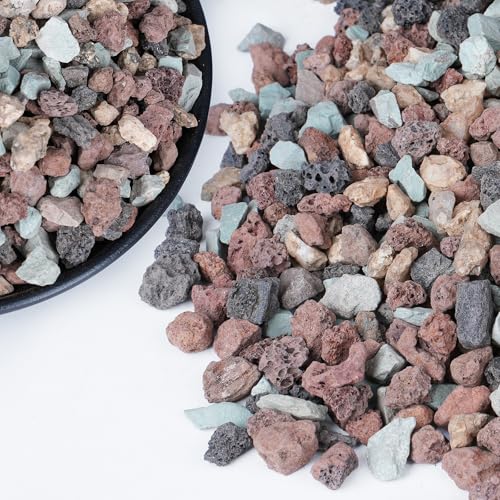
【Size】These rocks average about 3/8 inch in size, with slight variations in shape that add aesthetic appeal to your beloved plants and bring natural diversity to your garden.
Soil Preparation
Soil preparation forms the foundation of your rock garden. Start by selecting a well-draining area, avoiding spots with heavy clay or overly compacted soil.
- Clear the Area: Remove weeds, grass, and debris to create a clean workspace.
- Test the Soil: Analyze the pH and nutrient levels. Aim for a pH between 6.0 and 7.0 for most rock garden plants.
- Amend the Soil: Add organic matter, such as compost or well-rotted manure, to improve soil quality and drainage.
- Create a Base Layer: Mix in coarse sand or gravel. This layer ensures water flows freely and prevents root rot.
- Till the Soil: Blend amendments into the top 12 inches to ensure even distribution.
Choosing Rocks and Materials
The right rocks and materials enhance both structure and aesthetics in your rock garden.
- Select Rock Types: Opt for a variety of rocks, such as boulders, pebbles, and flagstones, to add texture.
- Consider Color and Size: Choose colors that complement your home and surrounding landscape. Aim for rocks varying in size to create visual interest.
- Incorporate Soil Mounds: Build mounds of soil under rocks to give the appearance of natural hills.
- Utilize Mulch: Use gravel or crushed stone to cover exposed soil. This choice prevents erosion and retains moisture.
- Add Accessories: Integrate natural elements like driftwood, or decorative items like garden ornaments to enhance uniqueness.
Following these steps sets a solid base for your rock garden, ensuring both functionality and beauty as it matures.
Maintenance Tips for Your Rock Garden
Maintaining a rock garden ensures its beauty and functionality over time. Follow these tips to keep your garden thriving and visually appealing.
Watering and Drainage
Watering practices play a vital role in rock garden maintenance. Focus on the following steps:
- Assess Needs: Determine plant water requirements. Native plants require less water compared to non-native ones.
- Check Soil Drainage: Ensure soil drains well. Avoid water accumulation, which can damage plant roots.
- Water Early Morning: Water during the early morning. This practice minimizes evaporation and allows plants to absorb moisture effectively.
- Use Soaker Hoses: Install soaker hoses if your garden covers a larger area. They provide consistent, slow moisture without over-saturating the soil.
Pruning and Weeding
Regular pruning and weeding help maintain plant health and garden aesthetics. Implement these strategies:
- Identify Dead or Diseased Foliage: Inspect plants for any dead or diseased stems or leaves. Trim these parts promptly to prevent spreading issues.
- Encourage Growth: Prune plants to promote healthy growth and improve airflow. Trim perennials after blooming to maintain shape.
- Remove Weeds Regularly: Check for weeds weekly. Pull them by hand or use a hoe, ensuring you remove the entire root.
- Mulch for Protection: Apply mulch around plants to suppress weeds and retain moisture. Choose gravel or stones that complement your garden’s design.
By adhering to these maintenance tips, you ensure your rock garden remains vibrant and beautifully complements your yard throughout the seasons.
Conclusion
Creating a rock garden is a rewarding way to transform your outdoor space. With thoughtful planning and the right plant choices you can enjoy a stunning landscape that requires minimal upkeep.
As your garden matures it’ll not only enhance the beauty of your yard but also support local wildlife and provide a unique habitat. Remember to embrace your creativity by mixing textures and colors while keeping maintenance simple.
So grab those stones and plants and get started on your rock garden adventure. You’ll be amazed at how much character it adds to your home.
Frequently Asked Questions
What is a rock garden?
A rock garden is a landscape design that features a combination of natural stones and various plant species. It aims to create an attractive and low-maintenance outdoor space by blending different textures and colors, making it visually appealing while also providing habitats for beneficial insects and small wildlife.
What are the types of rock gardens?
The main types of rock gardens include Alpine Gardens, Mediterranean Gardens, Zen Gardens, and Woodland Gardens. Each type has distinct plants and design elements suited to specific environments, aesthetics, and personal styles, allowing homeowners to choose according to their preferences and local climate.
How do I plan a rock garden?
Planning a rock garden involves selecting a suitable location with adequate sunlight and good soil drainage. Consider the local climate and the types of plants you want. Design an effective layout that creates depth using stones of varying sizes, incorporates natural curves, and includes accessible paths or stepping stones.
What plants are best for a rock garden?
Choose plants that thrive in your local climate and soil conditions. Native plants are ideal as they require less maintenance and attract local wildlife. Consider seasonal interest with species such as Creeping Phlox for spring, English Lavender for summer, and New England Aster for fall, mixing perennials and annuals for vibrant displays.
What preparation is needed before building a rock garden?
Before building a rock garden, prepare the soil by clearing debris, testing pH, amending with organic matter, and ensuring it is well-draining. Create a base layer using coarse sand or gravel. Selecting the right rocks and materials is also crucial for aesthetics and structural integrity.
How do I maintain a rock garden?
Maintain your rock garden by practicing proper watering techniques, assessing plant needs, and checking soil drainage. Regularly prune dead or diseased foliage and control weeds. Applying mulch can suppress weeds and retain moisture, ensuring the garden remains vibrant and complements your yard throughout the seasons.

My interest in trees started when I first saw the giant sequoias in Yosemite.I was a teenager then, and I remember thinking, “I need to learn more about this.”That moment stuck with me.A few years later, I went on to study forestry at Michigan Tech.
Since graduating, I’ve worked in a mix of hands-on tree care and community education.I’ve spent over ten years helping people understand how to plant, maintain, and protect the trees in their neighborhoods.I don’t see trees as just part of the landscape.They are living things that make a real difference in our daily lives.