Do you ever look out at your garden and wish it could soak up more sunshine? You’re not alone. Many gardeners struggle with shady spots that limit their plants’ growth and vitality.
Key Takeaways
- Understand Sunlight Needs: Recognize the different sunlight requirements of plants—full sun, partial sun, and shade-tolerant species—to choose appropriate plants for your garden.
- Assess Your Garden’s Layout: Map out shadow patterns and evaluate the areas in your garden to determine which spots receive optimal sunlight throughout the day and seasons.
- Utilize a Sun Chart: Create a sun chart by monitoring sunlight coverage in your garden, which helps visualize where and when sunlight hits, influencing plant selection.
- Increase Sun Exposure: Employ strategies like pruning trees and shrubs, relocating garden beds, and using reflective surfaces to boost sunlight in shaded areas for better plant health.
- Select Suitable Plants: Choose a balanced mix of sun-loving and shade-tolerant plants to maximize growth potential based on the sunlight available in your garden.
- Seasonal Maintenance: Regularly assess and maintain your garden to adapt to changing sunlight conditions throughout the year, ensuring continued plant vitality.
Understanding Sunlight Requirements
Sunlight plays a crucial role in the health of your garden. Understanding various sunlight needs helps you select the best plants and optimize their growth.
Importance of Sun Exposure
Sun exposure influences the photosynthesis process in plants. Without sufficient sunlight, plants might exhibit stunted growth, weak stems, and poor fruiting. Adequate sun enhances vibrant colors, robust growth, and increased flowering. Plants in full sun receive at least six hours of direct sunlight daily. Look for ways to maximize sunlight in your garden to support plant vitality.
Types of Plants and Their Sun Needs
Different plants have unique sunlight requirements:
- Full Sun Plants: Thrive in six or more hours of direct sunlight daily. Examples include tomatoes, marigolds, and lavender.
- Partial Sun Plants: Prefer four to six hours of sunlight. Examples include lettuce, impatiens, and ferns.
- Shade-Tolerant Plants: Grow well in less than four hours of sunlight. Examples include hostas, astilbes, and certain ferns.
Assess your garden’s layout to choose the right plants based on their sunlight needs. Consider where shadows from structures or trees fall to find optimal planting areas. This approach ensures your plants receive the right amount of sun for healthy growth.
Assessing Your Garden’s Sunlight
Assessing your garden’s sunlight is essential for promoting healthy plant growth. Understanding the light patterns helps you choose the right plants for each area.
Evaluating Shady Areas
Identify areas that receive limited sunlight. Look for spots obstructed by trees, fences, or nearby structures. Observe the time of day when these areas are shaded. You might notice that some spots get dappled light while others remain dark. This evaluation aids in determining whether sun-loving plants can thrive or if you need to select shade-tolerant varieties.
- Map out your garden layout.
- Note the positions of trees or buildings that create shade.
- Keep track of sunlight changes throughout the seasons.
- Test the soil in both sunny and shady areas to see how it affects plant options.
Using a Sun Chart
Using a sun chart simplifies the process of understanding sunlight in your garden. This tool visually represents how much light different parts of your garden receive throughout the day. You can create a sun chart by following these steps:
- Pick a sunny day to monitor your garden.
- Stand in the center of your garden and take note of sunlight coverage every hour.
- Draw a simple diagram indicating where sunlight hits and where shadows fall at each hour.
- Mark areas that stay sunny for six hours or more, four to six hours, and less than four hours.
This chart becomes a valuable reference for choosing plants that tolerate the specific light conditions in your garden. Make adjustments based on your findings for better plant health.
Strategies for Increasing Sun Exposure
Increasing sun exposure in your garden enhances plant health and vitality. Here’s how you can achieve better sunlight distribution.
Recommended Products

10 PACK REFLECTIVE BIRD DETERRENT DISC STRANDS – This set includes 10 preassembled hanging disc strands, each with 3 large 3-inch reflective discs, totaling 30 double-sided discs. The strong mirrored surface creates bright light reflections and gentle motion to help deter birds from nesting or perching in unwanted areas like balconies, gardens, and orchards.

A nice-looking hanging mirror decoration for your garden.

Design Feature – Fashion frameless style, one piece mirror lens, a key hole bridge, solid metal hinges, exquisite temples. All the details make JIM HALO sunglasses become durable enough for long time using and ensure you a perfect performance.
Pruning Trees and Shrubs
Pruning trees and shrubs helps remove excess foliage that blocks sunlight. Start by identifying overgrown trees or dense shrubs in shadowed areas. Use sharp, clean pruning shears to trim branches. Focus on removing limbs that obstruct sunlight and thin out crowded areas. Prune during late winter or early spring for the best results. Regular maintenance ensures the trees remain manageable and promotes healthier growth.
Relocating Garden Beds
Relocating garden beds can significantly improve sun exposure. Assess the current placement of your flower beds or vegetable patches and note their shadow patterns throughout the day. Choose a sunnier spot that receives at least six hours of direct sunlight daily. Dig up plants carefully to minimize root damage, and replant them in the new location. Water thoroughly after relocating to help establish roots in the new soil.
Using Reflective Surfaces
Using reflective surfaces boosts sunlight in shaded areas. Consider adding reflective materials like white walls, mirrors, or metallic objects around your garden. Position these strategically to direct sunlight onto plants. For instance, a mirror placed near a wall can bounce sunlight down onto lower-growing plants. Ensure that the surfaces are clean and free of debris for maximum effectiveness. This simple addition can significantly brighten shaded spots and improve plant growth.
Selecting the Right Plants
Choosing the right plants enhances sunlight exposure in your garden. Consider both sun-loving plants and shade-tolerant species to optimize growth based on the available light.
Recommended Products

14,000 QUALITY SEEDS: Loaded with 14,000 fresh, wildflower seeds specially selected to thrive in areas with limited sunlight.

RESEALABLE POUCH FOR MAXIMUM SEED FRESHNESS: Wildflower seeds are packaged in a durable, resealable pouch designed to protect against moisture, air, and light exposure. This prevents mold, premature germination, and seed damage-ensuring long-lasting viability, higher germination rates, and reliable planting results
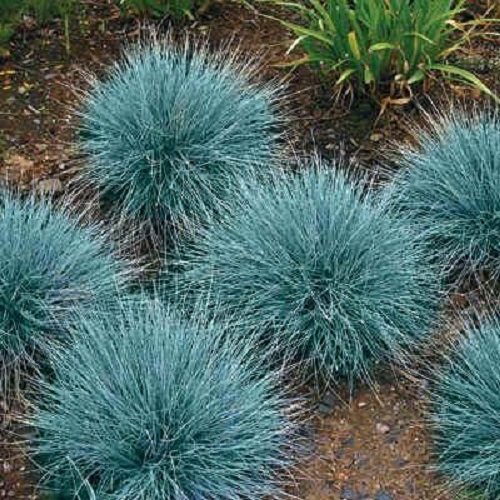
Easy to grow perennial, drought tolerant full sun or full shade
Sun-Loving Plants
Sun-loving plants thrive in full sun, which means they require at least six hours of direct sunlight each day. Examples of these plants include:
- Tomatoes: These popular garden choices yield fruit when given plenty of sunlight.
- Lavender: Known for its fragrance, this perennial enjoys sunny spots and well-drained soil.
- Zinnias: Bright and colorful, these flowers attract pollinators and flourish in sunny conditions.
When selecting sun-loving plants, consider the climate in your area. Different regions may have specific varieties that perform better in local conditions.
Shade-Tolerant Species
Shade-tolerant species adapt well to areas with limited sunlight. They flourish in spots that receive less than four hours of direct sunlight daily. Examples of shade-tolerant species include:
- Hostas: These leafy perennials thrive in shaded areas, providing lush foliage.
- Ferns: Various types, like lady ferns, add texture and greenery without needing full sun.
- Bleeding Heart: This unique flowering plant grows nicely in partially shaded gardens.
When planting shade-tolerant species, focus on grouping plants with similar water and soil requirements. This practice simplifies care and promotes healthy growth.
By selecting the right combination of sun-loving and shade-tolerant plants, you can maximize your garden’s sunlight exposure and enhance its overall vitality.
Conclusion
Getting more sun in your garden can truly transform your plants’ health and vibrancy. By assessing your garden layout and making simple adjustments like pruning or relocating beds, you can create a sunnier environment for your plants.
Don’t forget to choose the right mix of sun-loving and shade-tolerant plants to maximize your garden’s potential. With a little effort and creativity, you’ll be on your way to enjoying a flourishing garden that thrives in the sunlight. Happy gardening!
Frequently Asked Questions
What are the different types of sunlight requirements for plants?
Plants fall into three categories based on their sunlight needs: full sun plants (require six or more hours of sunlight), partial sun plants (prefer four to six hours), and shade-tolerant plants (thrive in less than four hours). Understanding these categories helps gardeners select suitable plants for different garden areas.
How can I assess shadow patterns in my garden?
Evaluate your garden’s layout by mapping out the shady areas. Note the positions of structures like trees and fences that block sunlight. Monitoring these spots seasonally will help you understand how sunlight changes and impacts your plants.
What strategies can I use to increase sunlight exposure in shaded areas?
To enhance sunlight, consider pruning trees to remove excess foliage, relocating garden beds to sunnier spots, or using reflective surfaces like white walls or mirrors. These methods help direct more light to plants and improve their growth.
What types of plants should I choose for a shady garden?
For shady areas, consider shade-tolerant plants such as hostas, ferns, and bleeding hearts. These plants thrive with less than four hours of sunlight. Pair them with sun-loving plants in sunnier spots to maximize your garden’s overall health.
Why is sunlight important for plant health?
Sunlight is crucial for photosynthesis, which enables plants to produce food and energy. Insufficient sunlight can lead to stunted growth and poor fruiting, while adequate sun exposure supports vibrant and healthy plants.

My interest in trees started when I first saw the giant sequoias in Yosemite.I was a teenager then, and I remember thinking, “I need to learn more about this.”That moment stuck with me.A few years later, I went on to study forestry at Michigan Tech.
Since graduating, I’ve worked in a mix of hands-on tree care and community education.I’ve spent over ten years helping people understand how to plant, maintain, and protect the trees in their neighborhoods.I don’t see trees as just part of the landscape.They are living things that make a real difference in our daily lives.