Are you tired of battling pesky weeds in your garden? You’re not alone. Many garden enthusiasts find themselves frustrated as these unwanted plants compete for nutrients, water, and sunlight, making it harder for your flowers and veggies to thrive.
Key Takeaways
- Understanding Weeds: Recognize different types of weeds—annual, perennial, biennial, and invasive—and their impact on garden health and aesthetics.
- Preparation is Key: Proper soil preparation, including testing, amending, and tilling, lays a strong foundation for a weed-free garden.
- Effective Prevention Techniques: Utilize methods such as mulching, planting ground covers, and implementing efficient watering practices to deter weed growth.
- Regular Maintenance: Conduct weekly inspections and engage in hand weeding to manage weeds early before they establish themselves.
- Natural Herbicides: Explore eco-friendly options like vinegar, salt, boiling water, and corn gluten meal for safe and effective weed control.
- Consistency is Crucial: Regular monitoring and timely applications of prevention and control methods will help maintain a thriving, weed-free garden.
Understanding Weeds
Weeds are unwanted plants that can overtake your garden, stealing vital resources from your flowers and vegetables. Identifying and understanding these nuisances helps you manage and control them effectively.
Types of Weeds
- Annual Weeds: Annual weeds, like crabgrass and chickweed, complete their life cycle within one growing season. They germinate, grow, and produce seeds quickly, making them a frequent challenge.
- Perennial Weeds: Perennial weeds, such as dandelions and bindweed, survive for multiple years. Their extensive root systems allow them to bounce back even after being pulled out.
- Biennial Weeds: Biennial weeds, like foxglove, have a two-year life cycle. They grow leaves the first year and flower the second, complicating removal efforts.
- Invasive Weeds: Invasive weeds, such as Japanese knotweed, spread aggressively and can outcompete native plants. They often require special strategies to control them.
- Resource Competition: Weeds compete with your plants for essential resources such as nutrients, water, and sunlight. This competition can stunt the growth of your desired plants.
- Diseases and Pests: Some weeds act as hosts to pests and diseases, potentially transferring these threats to your flowers and vegetables.
- Aesthetics: Weeds can quickly spoil the visual appeal of your garden, making it look unkempt and less inviting.
- Soil Health: Weeds may deplete soil nutrients, leading to poorer soil health over time. This can affect the overall productivity of your garden.
Recognizing these types of weeds and understanding their impacts can guide you in creating a more successful, weed-free garden.
Preparing Your Garden
Preparing your garden effectively sets the foundation for a weed-free space. Focus on soil preparation and choosing the right location to enhance your garden’s success.
Soil Preparation
- Test Your Soil: Use a soil test kit to check pH and nutrient levels. This helps determine what amendments, if any, your soil needs.
- Amend the Soil: Incorporate organic matter like compost to improve soil structure and nutrient content. This strengthens plants and lowers weed growth.
- Till the Soil: Loosen the top layer of soil to relieve compaction. Aim for a depth of 12 to 18 inches for optimal root development.
- Remove Debris: Clear any rocks, old roots, or debris from the area. These can harbor weeds or pests.
- Add Mulch: Apply a layer of organic mulch, like wood chips or straw, after planting. Mulch suppresses weeds and retains soil moisture.
- Assess Sunlight: Most vegetables and flowers thrive in full sun, requiring at least 6 to 8 hours of direct sunlight per day. Choose a spot that provides ample light.
- Consider Drainage: Select a location with well-draining soil. Avoid areas that tend to pool water after rain, as this can promote weed growth.
- Check Neighboring Plants: Ensure nearby plants or trees won’t shade your garden. Also, avoid spots near weed-infested areas that can spread seeds.
- Evaluate Accessibility: Position your garden in a spot that’s easily accessible for maintenance and harvesting. This encourages regular care.
- Observe Wind Patterns: If possible, locate your garden where it’s shielded from strong winds, which can damage tender plants and promote stress.
By preparing your garden with these strategies, you effectively reduce the likelihood of weed issues, setting the stage for healthy growth.
Weed Prevention Techniques
Implement effective strategies to prevent weeds in your garden. Focus on creating a sustainable environment that discourages weed growth while promoting healthy plant development.
Mulching
Apply a layer of mulch to suppress weed growth and retain soil moisture. Use organic materials like wood chips, straw, or grass clippings. Aim for a thickness of 2-4 inches around plants and garden beds. Make sure to leave space around plant stems to prevent rot. Replenish mulch as it breaks down, ensuring ongoing effectiveness.
Ground Covers
Choose ground cover plants that thrive in your garden’s conditions. These plants spread quickly, smothering weeds by blocking sunlight. Options include creeping thyme, clover, and sedum. Plant them densely to discourage weed growth. Regularly trim ground covers to maintain their health and effectiveness.
Proper Watering Practices
Water your garden efficiently to minimize weed competition. Use drip irrigation or soaker hoses to target plant roots directly. Water early in the morning to reduce evaporation and allow soil to dry slightly between sessions. This discourages weed seed germination while ensuring your plants receive the moisture they need.
Maintaining a Weed Free Garden
Maintaining a weed-free garden requires consistent effort and smart strategies. Regular monitoring and hands-on techniques can keep your garden thriving.
Regular Inspection
Regular inspections help you catch weeds early. Walk through your garden at least once a week. Look for any emerging weeds, especially around plants that are still growing. Early intervention prevents weeds from taking root and competing for resources. Consider keeping a notebook to track what types of weeds appear and where. This practice will help you identify patterns and plan your battle against them.
Hand Weeding Methods
Hand weeding remains one of the simplest and most effective methods. Use a handheld weeding tool or your hands to pull weeds. Pulling weeds after a rain, when the soil is moist, makes the task easier. Grasp the weed firmly at the base and pull straight up. Aim to remove the entire root to minimize regrowth. You can also create a routine of weeding while you tend to your other plants, incorporating it into your gardening tasks. If weeds grow in hard-to-reach areas, a long-handled weeder can help remove them without straining your back.
Natural Herbicides
Natural herbicides offer effective, eco-friendly options for controlling weeds in your garden. These solutions can enhance your gardening practices while protecting the environment.
Recommended Products

✅ All Natural and Safe Product- Safe for your family, safe for your pets.

KILLS TO THE ROOT: Our formula is guaranteed to kill more than 250 weeds and grass including broadleaf, crabgrass, dandelion, clover, ivy, and chickweed.
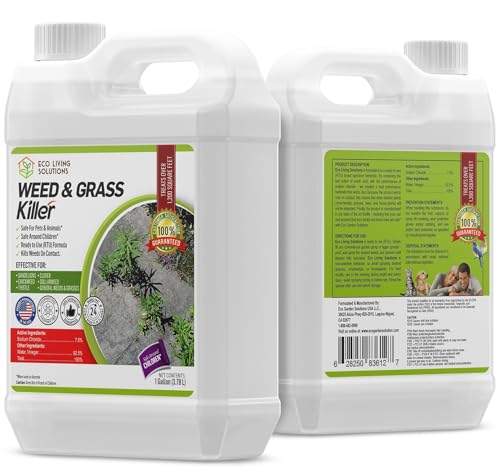
✔️ PET & KID SAFE HERBICIDE - Eco Garden Pro Weed Killer is designed with you and your family in mind! All of our ingredients are carefully selected to be SAFE FOR: PETS, CHILDREN, BEES, FISH, AND ANY LIVESTOCK!
Options for Organic Solutions
- Vinegar: Vinegar, particularly white vinegar with 20% acetic acid, serves as a potent weed killer. Apply it directly to the leaves of unwanted plants on sunny days for best results.
- Salt: Salt can effectively kill weeds when used carefully. Mix salt with water in a spray bottle and target specific weeds, avoiding nearby plants as it can harm them too.
- Boiling Water: Pouring boiling water over weeds instantly kills them. This method works well for weeds growing in cracks or between stones.
- Corn Gluten Meal: Corn gluten meal acts as a natural pre-emergent herbicide, preventing weed seeds from germinating. Apply it to your garden before weeds begin to sprout for optimal results.
- Mulch: Organic mulch, like straw or wood chips, not only suppresses weeds but also enhances soil health and moisture retention.
- Timing Matters: Apply natural herbicides on warm, sunny days. This boosts their effectiveness by facilitating quicker absorption into the weeds.
- Target Weeds Specifically: Focus herbicide applications directly on the weeds, avoiding desired plants. Using a spray bottle or sponge can help control where the solution goes.
- Test Before Full Application: Test the herbicide on a small area to observe its effects. If it works effectively, extend your application throughout the garden.
- Safety Precautions: Wear gloves and eye protection while applying natural herbicides, especially when using vinegar or salt solutions.
- Monitor and Repeat: Regularly check for new weed growth. Reapply natural herbicides as necessary, particularly after rain, which may dilute their effectiveness.
Using these natural herbicides can help you maintain a healthy garden free from weeds, promoting the growth of your desired plants effectively.
Conclusion
A weed-free garden is within your reach with the right strategies and a little dedication. By understanding the types of weeds and their impacts you can take proactive steps to prevent them from taking over your space.
Regular maintenance is key so make it a habit to check your garden weekly. Remember that even small efforts like hand weeding or using natural herbicides can make a big difference.
With patience and persistence your garden can thrive beautifully free of those pesky weeds allowing your flowers and vegetables to flourish. Enjoy the process and take pride in your weed-free oasis!
Frequently Asked Questions
What are the different types of weeds mentioned in the article?
The article discusses four primary types of weeds: annual weeds (like crabgrass and chickweed), perennial weeds (such as dandelions and bindweed), biennial weeds (like foxglove), and invasive weeds (such as Japanese knotweed). Each type presents unique challenges based on their life cycles and growth patterns.
Why are weeds considered a problem in gardens?
Weeds compete with flowers and vegetables for vital resources such as nutrients, water, and sunlight. They can hinder plant growth, harbor pests and diseases, negatively impact aesthetics, and deplete soil health, leading to an unhealthy garden environment.
How can I prepare my garden to minimize weeds?
To prepare your garden for minimal weed growth, test and amend the soil for pH and nutrient levels, till to relieve compaction, remove debris, and apply mulch to suppress weeds. Assess factors like sunlight exposure and drainage to optimize plant growth conditions.
What are some effective weed prevention techniques?
Effective weed prevention techniques include applying a layer of mulch to retain moisture, planting ground cover plants to block sunlight, and practicing efficient watering methods like drip irrigation. These strategies discourage weed growth while supporting healthy plant development.
How can I maintain a weed-free garden?
Maintaining a weed-free garden requires regular inspections, ideally at least once a week. Hand weeding is effective, especially after rain for easier removal. Keeping a notebook to track weeds and using long-handled weeders for hard-to-reach areas can also be beneficial.
What are natural herbicides, and how can they help?
Natural herbicides are eco-friendly options for controlling weeds, including vinegar, salt, boiling water, corn gluten meal, and organic mulch. Each has specific application methods and timing considerations. Regular monitoring and reapplication help maintain a healthy, weed-free garden.

My interest in trees started when I first saw the giant sequoias in Yosemite.I was a teenager then, and I remember thinking, “I need to learn more about this.”That moment stuck with me.A few years later, I went on to study forestry at Michigan Tech.
Since graduating, I’ve worked in a mix of hands-on tree care and community education.I’ve spent over ten years helping people understand how to plant, maintain, and protect the trees in their neighborhoods.I don’t see trees as just part of the landscape.They are living things that make a real difference in our daily lives.