Have you ever looked at your garden and felt overwhelmed by the relentless march of weeds? You’re not alone! Many gardeners face this frustrating challenge, and figuring out how to dispose of those pesky invaders can feel like a daunting task.
Key Takeaways
- Proper Weed Disposal is Essential: Disposing of weeds correctly not only prevents their regrowth but also protects your plants from competition for resources and diseases.
- Effective Disposal Methods: Utilize manual removal, composting (for non-invasive weeds), and burning (for dry types) as effective methods for weed disposal.
- Preventing Regrowth: Implement proactive strategies such as mulching and using landscape fabric to suppress future weed growth effectively.
- Eco-Friendly Alternatives: Explore natural disposal methods like using vinegar-based herbicides and boiling water to eliminate weeds without harming the environment.
- Maintain Garden Health and Aesthetics: Proper weed management leads to a healthier garden, ensuring your plants thrive while also enhancing your garden’s visual appeal.
Importance Of Proper Weed Disposal
Proper weed disposal plays a crucial role in maintaining a healthy garden. By discarding weeds correctly, you prevent their regrowth and protect your plants from potential harm. Below are key reasons to prioritize weed disposal.
Prevent Weed Regrowth
First, disposing of weeds properly stops seeds from spreading. When you leave weeds in your garden, they can produce seeds that lead to more weeds. This cycle can quickly overtake your flowers or vegetables, making it hard to reclaim your space.
Protect Plant Health
Second, weeds compete for resources. They absorb water, nutrients, and sunlight, depriving your desired plants of essential elements. Effective disposal ensures that your plants get the energy they need to thrive.
Minimize Disease Spread
Third, some weeds attract pests or harbor diseases. Disposing of infected weeds reduces the risk of those problems affecting your garden. Healthy gardens depend on removing potential threats.
Promote Environmental Balance
Fourth, responsible disposal methods protect local ecosystems. When you throw weeds in the trash or compost them incorrectly, they can become part of larger environmental issues. Utilize techniques like burning or burying weeds to maintain ecological balance.
Improve Aesthetic Appeal
Lastly, a neat garden feels more inviting. Proper weed disposal contributes to a tidy appearance, enhancing your garden’s overall visual appeal. Clean spaces encourage more time spent outdoors and foster enjoyment of your garden.
By understanding these importance factors, you recognize the need for proper weed disposal as an essential gardening practice.
Methods For Weed Disposal
Disposing of weeds correctly helps maintain a healthy garden. Here are several effective methods for weed disposal to keep your garden thriving.
Recommended Products

[5-in-1 Complete Weeding Tool Kit] — Everything you need for effortless weeding: V-shaped weed digger, 4-tine cultivator, crack weeder, waterproof repotting mat, and anti-slip gloves. Perfect for both indoor and outdoor gardening tasks.

【2026 New Weeding Tools】There are 2 weed puller tool with shafts and a pair of rubber gloves in the package, easy to use, just simply place the curved metal base on the ground, then dig and pull around the roots, use the tip of the tines to dig Just pry; weed puller tool is the perfect helper for farm work such as weeding, digging and shoveling.

3-in-1 Weeding Tool Set with Bonus Gloves:Kit includes 3 practical weeding tools + bonus gloves (protects hands while weeding): L-shaped sickle for narrow gaps, V-shaped weeder for prying deep roots, 4-teeth digger for loosening soil/removing roots/light shoveling. Fits most soil types, better when moist after rain/watering.
Manual Removal
Manual removal involves pulling weeds out by hand. Always wear gloves to protect your hands. Focus on removing the entire root to prevent regrowth. This method works best when the soil is moist, making it easier to extract weeds. Use tools like a hoe or weeding fork for stubborn weeds. Check your garden weekly for new growth, ensuring you catch weeds early.
Composting Weeds
Composting can be an eco-friendly way to dispose of certain weeds. However, be cautious; only compost weeds that are not seeding or invasive. Cut weeds into smaller pieces to speed up the decomposition process. Layer them with other organic materials in your compost bin. Keep the compost moist and turn it regularly to maintain airflow. In about two to three months, you’ll have nutrient-rich compost that benefits your garden.
Burning Weeds
Burning weeds offers a quick disposal method, particularly for dry and invasive types. Follow local regulations before burning. Use a propane torch to control the fire and ensure safety. Target only small patches of weeds. Once burned, allow the area to cool before planting anything else. This method effectively destroys weed seeds and roots, preventing future growth.
Preventing Weeds From Returning
Stopping weeds from returning involves proactive measures. Effective strategies exist to minimize their chances.
Recommended Products

Professional Grade Weed Barrier: LAVEVE weed barrier fabric is made of woven polypropylene material. Its high-density and permeable characteristics effectively stop weed growth and protect soil health so your plants can grow well.
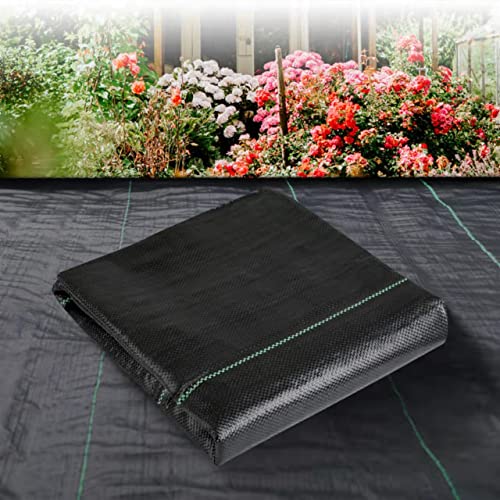
Premium Weed Barrier Fabric:Weed barrier landscape fabric is a type of geotextile fabric that is commonly used in landscaping and construction.With excellent weed control properties, providing a clean and tidy landscape.Very strong and durable,Pro landscape weed barrier will provide you with premium weed protection for a very long time.

【Superior Weed Control】Vanver 3.2 oz heavy-duty landscape fabric is designed to be sturdy and durable to inhibit weed growth, allowing you to eliminate tedious weeding, save more time and labor, and enjoy a hassle-free gardening experience!
Mulching Techniques
Applying mulch effectively suppresses weed growth. Spread organic materials like wood chips, straw, or grass clippings around your plants. Aim for a thickness of 2 to 4 inches for optimal results. Mulch blocks sunlight, preventing weed seeds from germinating. Additionally, organic mulch enriches the soil as it decomposes. Refresh the mulch annually to maintain its effectiveness.
Using Landscape Fabric
Employing landscape fabric offers a durable solution against weeds. Lay down woven fabric in garden beds before planting. Make sure to secure the edges with landscape staples. Cut holes in the fabric for your plants, allowing for air and water penetration. This barrier guards against weeds while promoting healthy plant growth. Check the fabric periodically for any signs of damage or tearing to ensure long-lasting effectiveness.
Eco-Friendly Alternatives
Explore eco-friendly alternatives for disposing of weeds effectively while minimizing environmental impact. These approaches use natural methods to control and eliminate weeds without harsh chemicals.
Recommended Products

✔️ PET & KID SAFE HERBICIDE - Eco Garden Pro Weed Killer is designed with you and your family in mind! All of our ingredients are carefully selected to be SAFE FOR: PETS, CHILDREN, BEES, FISH, AND ANY LIVESTOCK!
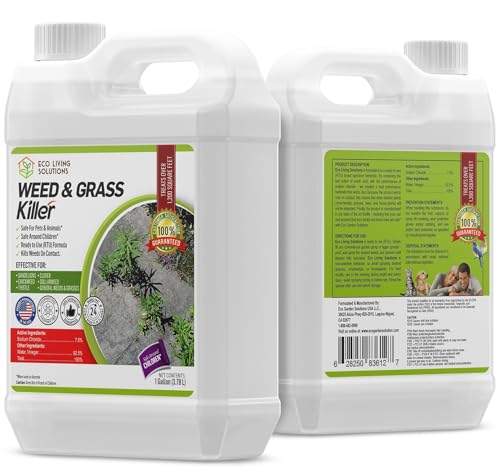
✔️ PET & KID SAFE HERBICIDE - Eco Garden Pro Weed Killer is designed with you and your family in mind! All of our ingredients are carefully selected to be SAFE FOR: PETS, CHILDREN, BEES, FISH, AND ANY LIVESTOCK!

CONTAINS NO GLYPHOSATE - Natural, Concentrated Formula For Making 250+ Types of Weeds and Grasses Stop Right in Their Tracks. Weeds and Grass Will Look Like You Took A Torch To Them.
Natural Herbicides
Use natural herbicides that rely on ingredients like vinegar, salt, and dish soap. Vinegar contains acetic acid, which destroys weed foliage on contact. Mix one part vinegar with one part water and a teaspoon of dish soap. Spray this solution directly on the weeds on a sunny day for optimal results. Salt can also work; however, apply it sparingly to prevent soil salinity issues. Use a mix of one cup of salt in two cups of water, but only target the weeds, as it can harm surrounding plants. Always test a small area first to gauge effectiveness and monitor any potential negative effects.
Boiling Water Method
Utilize boiling water for an instant and effective weed disposal method. Boiling water works best on small areas with visible weeds. Simply bring a pot of water to a boil and carefully pour it over the targeted weeds. This method not only kills the weeds instantly but also sterilizes the soil, reducing the chances of weed regrowth. Ensure safety precautions are in place to avoid burns. For larger areas, consider using a kettle or a garden sprayer filled with boiling water to cover more ground in one go.
Conclusion
Managing weeds in your garden doesn’t have to feel overwhelming. By implementing effective disposal methods and proactive strategies you can keep your garden healthy and beautiful. Remember that each method has its place and can work wonders when combined with good practices like mulching and using landscape fabric.
Embracing eco-friendly alternatives not only helps your plants thrive but also contributes to a healthier environment. With a little effort and the right techniques you’ll soon find that a weed-free garden is within your reach. Enjoy the process and watch your garden flourish!
Frequently Asked Questions
What are the common challenges gardeners face with weeds?
Many gardeners struggle with the overwhelming growth of weeds, which can compete for resources and diminish the beauty of their gardens. This common frustration often leads to feelings of helplessness, especially when weeds seem relentless.
Why is proper weed disposal important for a garden?
Proper weed disposal is crucial as it prevents regrowth, reduces competition for nutrients, and minimizes the spread of diseases. It also helps maintain the aesthetic appeal of your garden and promotes environmental health.
What are some effective methods for weed disposal?
Effective methods for weed disposal include manual removal, composting (with caution), and burning weeds. Manual removal should involve pulling weeds by their roots when the soil is moist, while careful composting can enrich soil if seeding weeds are avoided.
How can I prevent weeds from returning to my garden?
To prevent weed regrowth, you can use mulching techniques with organic materials like wood chips or straw, applying 2 to 4 inches in thickness. Additionally, landscape fabric can block weed growth while allowing air and water to penetrate.
Are there eco-friendly methods for disposing of weeds?
Yes, eco-friendly alternatives include using natural herbicides made from vinegar, salt, and dish soap, or using boiling water to kill weeds. These methods are effective without relying on harsh chemicals, promoting a healthier garden environment.

My interest in trees started when I first saw the giant sequoias in Yosemite.I was a teenager then, and I remember thinking, “I need to learn more about this.”That moment stuck with me.A few years later, I went on to study forestry at Michigan Tech.
Since graduating, I’ve worked in a mix of hands-on tree care and community education.I’ve spent over ten years helping people understand how to plant, maintain, and protect the trees in their neighborhoods.I don’t see trees as just part of the landscape.They are living things that make a real difference in our daily lives.