Have you ever thought about growing your own garden but felt overwhelmed by where to start? You’re not alone. Many people dream of fresh veggies and beautiful flowers but get stuck before planting a single seed.
Key Takeaways
- Understand Gardening Basics: Familiarize yourself with essential gardening principles to create a flourishing space tailored to your needs.
- Select the Right Location: Choose a spot with adequate sunlight, good drainage, and accessible for maintenance to foster plant growth.
- Plan and Design Your Garden Layout: Careful planning and organization of plant types, heights, and layout enhance both aesthetics and functionality.
- Prepare Healthy Soil: Test the soil quality and incorporate organic matter to create a nutrient-rich environment for your plants.
- Implement Effective Maintenance Practices: Regular watering, pest management, and attentive plant care are crucial for a productive garden.
- Know When and How to Harvest: Recognize optimal harvesting times to ensure maximum freshness and nutritional value of your crops.
Understanding the Basics of Gardening
Gardening can be simple and enjoyable with the right knowledge. When you grasp the fundamentals, you can create a thriving garden that meets your needs.
Importance of Gardening
Gardening offers numerous benefits. You gain access to fresh produce, which promotes better health. Gardening also enhances your environment by providing beauty and attracting pollinators. Engaging with plants reduces stress and fosters a sense of accomplishment. Additionally, you develop valuable skills like patience and responsibility.
Choosing the Right Location
Selecting an appropriate spot for your garden is essential for success. Look for a location that receives at least six to eight hours of sunlight daily. Ensure good drainage to prevent waterlogged soil. Avoid areas prone to heavy winds, which can damage plants. Consider proximity to a water source for easy irrigation. Inspect soil quality; rich, loamy soil encourages healthy growth. Lastly, assess accessibility; you’ll want to reach your plants easily for maintenance and harvesting.
Planning Your Simple Garden
Planning your garden is vital for success. Engaging in this process allows you to choose plants that thrive in your space and create an aesthetically pleasing layout.
Selecting the Right Plants
Selecting plants best suited for your climate and soil type ensures a successful garden. Consider these factors:
- Climate: Choose plants that thrive in your region’s temperature and rainfall patterns. Check local hardiness zones for guidance.
- Soil Type: Conduct a soil test to determine pH and nutrient levels. Amend your soil based on test results for optimal growth.
- Sun Exposure: Observe your garden space throughout the day. Select sun-loving plants for areas with full sunlight and shade-tolerant species for darker spots.
- Maintenance Level: Pick plants that align with your gardening experience. If you’re a novice, opt for low-maintenance varieties like tomatoes or marigolds.
Designing Your Garden Layout
Designing your garden’s layout enhances both functionality and beauty. Follow these tips for a well-organized plan:
- Sketch Your Garden: Use graph paper to create a scaled drawing of your space. Mark the areas for planting, pathways, and any features like trellises or benches.
- Plant Height Considerations: Position taller plants at the back or center of garden beds, keeping shorter ones in front. This arrangement maximizes sunlight exposure for all plants.
- Spacing: Adhere to spacing recommendations on seed packets or plant tags. Proper distance reduces competition for resources and promotes airflow.
- Pathways: Designate clear pathways for easy access to your plants. Gravel, mulch, or stepping stones work well to create visible routes.
By planning carefully, you set the stage for a flourishing garden that yields fresh produce and vibrant blooms.
Preparing the Soil
Preparing your soil is essential for a successful garden. Healthy soil promotes strong plant growth, ensuring your garden thrives.
Recommended Products

Quick, at home results for Soil pH, Nitrogen, Phosphorous and Potash Innovative and inexpensive soil test kit features an easy-to-use capsule system and patented color comparators
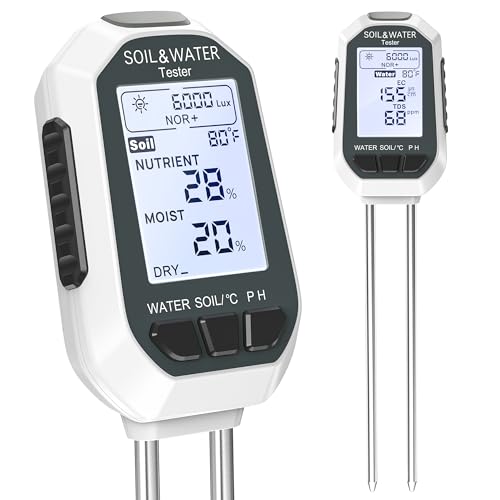
【7-in-1 Features】This is a 7-in-1 multi-function soil tester. Our soil tester quickly measures soil moisture, pH, temperature and light intensity, and its fertility function helps you take better care of your plants. With this device you can measure the soil moisture, pH, temperature and light intensity for your plants and with the EC and TDS functions you will know when it is time to water the soil.

Quick, at home results for Soil pH, Nitrogen, Phosphrous and Potash
Testing Soil Quality
Test your soil to determine its pH and nutrient levels. You can use a home testing kit or send a sample to a local extension service. Soil pH affects nutrient availability, so aim for a pH between 6.0 and 7.5 for most vegetables and flowers. A fertile soil will have adequate amounts of nitrogen, phosphorus, and potassium. This information helps you tailor amendments based on your plants’ needs.
Adding Organic Matter
Add organic matter to improve soil structure and fertility. Compost, aged manure, and shredded leaves enrich the soil, enhancing drainage and moisture retention. Incorporate 2 to 3 inches of organic matter into the top six inches of soil. This process increases microbial activity, promotes healthier plants, and reduces the need for chemical fertilizers. Regularly adding organic matter throughout the growing season maintains soil health and boosts plant vitality.
Planting Your Seeds or Seedlings
Planting is an exciting phase in your gardening journey. It sets the foundation for healthy, thriving plants. Follow these guidelines to plant your seeds or seedlings effectively.
Recommended Products

12-LED GROW LIGHT PER TRAY — Each of the five seed starting trays features a full-spectrum grow light with 12 LED beads, providing supplemental light for indoor seedlings.

Vegetable seeds variety pack: Grow 35 varieties of leafy greens, root vegetables, tomatoes, peppers, beans, peas, squash, melons, and more. Includes 16,000+ vegetable seeds for planting outdoors in raised beds, garden rows, or containers.

SEED VARIETIES: Complete garden starter kit includes 800 strawberry seeds, 800 raspberry seeds, 50 blueberry seeds, and 50 grape seeds for a diverse fruit garden
Timing Your Planting
Timing is crucial when planting seeds or seedlings. Pay attention to your local climate and growing seasons.
- Know the Frost Dates: Check the average last frost date in spring and the first frost date in fall for your region. These dates indicate when it’s safe to plant tender plants and when to harvest.
- Choose the Right Season: Different plants thrive in spring or fall. For instance, cool-season crops like lettuce and spinach grow well in early spring, while warm-season plants like tomatoes and peppers prefer late spring.
- Follow Seed Packet Instructions: Seed packets typically provide ideal planting dates and conditions. Use this information to optimize your planting schedule.
Proper Planting Techniques
Using the right planting techniques ensures seeds and seedlings establish themselves well.
- Prepare the Soil: Loosen the soil to a depth of at least 12 inches. This encourages root growth. Mix in compost or organic matter to enhance nutrients.
- Follow Depth Guidelines: Plant seeds at the recommended depth. For example, small seeds may require a shallow planting of 1/4 inch, while larger seeds may need up to 2 inches.
- Space Your Seeds: Allow sufficient space between seeds or seedlings. For example, tomatoes require at least 18-24 inches apart to grow properly, while radishes need about 1-2 inches.
- Water Gently: Water the newly planted seeds or seedlings gently with a fine spray or watering can. This helps settle the soil without displacing the seeds.
- Mulch for Moisture: Apply a layer of mulch around your plants after watering. Mulch conserves moisture, regulates soil temperature, and suppresses weeds.
By following these guidelines, you can promote healthy growth and increase your gardening success.
Maintaining Your Garden
Maintaining your garden is essential for ensuring its health and productivity. Proper care keeps plants flourishing and reduces potential issues.
Watering Strategies
Watering your garden requires attention to detail. Determine your plants’ specific needs. Most vegetables and flowers require about one inch of water per week.
- Check Soil Moisture: Stick your finger into the soil up to the second knuckle. If it feels dry, it’s time to water.
- Water Early or Late: Water in the early morning or late evening to minimize evaporation.
- Use Drip Irrigation: Consider installing a drip irrigation system for consistent moisture without wasting water.
Implementing these strategies promotes stronger root growth and improves overall plant health.
Pest Control Methods
Managing pests is crucial for preserving your garden. Regular checks for signs of pests can help catch problems early.
- Inspect Plants Weekly: Look for holes in leaves or the presence of bugs. Early detection prevents infestations.
- Encourage Beneficial Insects: Natural predators like ladybugs and lacewings help control aphids and other pests.
- Use Organic Solutions: Use neem oil or insecticidal soap to treat infestations safely. Follow instructions on the product for effective application.
By applying these methods, you can protect your garden while maintaining its natural balance.
Harvesting Your Crops
Harvesting involves gathering the fruits of your labor and enjoying the rewards of your gardening efforts. Knowing when and how to harvest ensures you maximize flavor and nutritional value from your plants.
Knowing When to Harvest
Knowing when to harvest your crops is key for optimal taste and texture. Each plant has specific signs indicating readiness.
- Vegetables: Look for color and size. For example, tomatoes should be fully colored, and bell peppers should reach full size.
- Herbs: Harvest herbs before flowers bloom for maximum flavor. For instance, basil’s best flavor occurs just before it flowers.
- Fruits: Many fruits, like strawberries, are sweeter when fully ripe. Check for color and firmness; ripe strawberries are bright red and firm to the touch.
- Root Vegetables: Carrots and radishes are ready when they reach their expected size, usually between 1-2 inches in diameter.
Consider using a calendar to track approximate maturity dates based on seed packets or plant tags.
Tips for Harvesting
Harvesting correctly can improve crop longevity and maintain plant health.
- Use Clean Tools: Always use clean scissors or garden shears to minimize disease spread.
- Harvest Early in the Day: Morning harvesting keeps produce crisp and fresh.
- Be Gentle: Handle fruits and vegetables with care to avoid bruising.
- Cut, Don’t Pull: For root veggies like onions and garlic, cut them at soil level instead of pulling to prevent breakage.
- Wash and Store Properly: Rinse your harvest gently under cool water. Store fresh produce in a cool, dry place or refrigerator depending on the type.
By following these guidelines, you’ll enjoy the bounty of your garden while maintaining its health for the next growing season.
Conclusion
Starting your own garden doesn’t have to be overwhelming. With a little planning and the right approach you can create a space that brings joy and nourishment to your life. Remember to choose the right plants for your environment and pay attention to soil health.
As you nurture your garden you’ll find it rewarding to watch your efforts blossom into fresh vegetables and beautiful flowers. Each step you take will not only enhance your gardening skills but also provide a sense of accomplishment.
So grab your tools and get started. Your garden adventure awaits and it’s sure to be a fulfilling journey. Happy gardening!
Frequently Asked Questions
What are the main benefits of gardening?
Gardening offers many advantages, including access to fresh vegetables and flowers, environmental benefits, stress reduction, and the development of valuable life skills such as patience and responsibility. Engaging in gardening can enhance your mental well-being and provide a rewarding hobby.
How can I start my own garden without feeling overwhelmed?
Begin by planning your garden carefully. Choose a suitable location with ample sunlight and good drainage. Start small with easy-to-grow plants and gradually expand as you gain confidence. Educate yourself on basic gardening techniques, and remember that gardening is a learning experience.
What factors should I consider when planning a garden?
Consider your local climate, soil type, and sunlight exposure. Research local hardiness zones and select plants that thrive in your area. Design a functional layout, ensuring proper plant spacing and pathways for easy access while maintaining aesthetics.
How do I prepare my garden soil?
Test your soil’s pH and nutrient levels, targeting a pH of 6.0 to 7.5 for most plants. Enhance soil quality by adding organic matter like compost or aged manure to improve structure and drainage. Regularly incorporating organic material helps maintain soil health throughout the growing season.
When is the best time to plant seeds or seedlings?
Check local frost dates to determine the optimal planting time for your region. Follow seed packet instructions for specific planting guidelines, and be sure to loosen the soil, maintain proper depth, and space seeds correctly for the best results.
What are some effective maintenance tips for my garden?
Water your plants according to their specific needs and check soil moisture regularly. Implement pest control strategies, such as inspecting for pests and encouraging beneficial insects. Consider using organic solutions to manage pest issues and keep your garden thriving.
How do I know when to harvest my crops?
Harvesting time varies by plant type. Look for specific signs like color, size, and ripeness indicators to determine readiness. For best flavor and nutrition, harvest vegetables, herbs, and fruits at their peak, using clean tools and gentle handling techniques.

My interest in trees started when I first saw the giant sequoias in Yosemite.I was a teenager then, and I remember thinking, “I need to learn more about this.”That moment stuck with me.A few years later, I went on to study forestry at Michigan Tech.
Since graduating, I’ve worked in a mix of hands-on tree care and community education.I’ve spent over ten years helping people understand how to plant, maintain, and protect the trees in their neighborhoods.I don’t see trees as just part of the landscape.They are living things that make a real difference in our daily lives.