Are you tired of spending a fortune on soil for your raised garden beds? You’re not alone. Many gardeners face the challenge of finding affordable ways to fill their beds without sacrificing quality.
Key Takeaways
- Understand the Benefits: Raised garden beds enhance soil quality, improve drainage, and provide easier access for gardening tasks.
- Layering Approach: Filling your beds with a base of large materials, followed by organic matter, and topped with quality topsoil or compost maximizes efficiency and cost savings.
- Use Local and Recycled Materials: Incorporate local resources like compost and yard clippings, as well as recycled items like pallets and cardboard, to create a budget-friendly fill.
- Promote Sustainability: Using cost-effective, natural, and upcycled materials not only saves money but also contributes to environmental health in your gardening practices.
- Simplify Preparation: Clear and level the garden bed area, use landscape fabric or cardboard to prevent weeds, and thoughtfully select materials that align with your gardening goals.
Understanding Raised Garden Beds
Raised garden beds consist of enclosed soil areas built above ground level. They offer numerous benefits, including improved drainage, better soil quality control, and easier access for planting and maintenance.
Recommended Products

Ready-to-Use Formula: No mixing or extra steps required. Simply pour and plant - perfect for gardeners of all experience levels.


Specially Crafted for Raised Beds: Formulated to provide the ideal growing environment for vegetables, herbs, flowers, planter boxes, and other container gardens.
Benefits of Raised Garden Beds
- Enhanced Soil Quality: You can customize the mix to fit specific plant needs, ensuring the best growth conditions.
- Improved Drainage: Soil in raised beds drains more effectively, preventing waterlogging and root rot.
- Easier Access: They reduce strain on your back and knees, making gardening more enjoyable.
Dimensions and Materials
Typically, raised beds measure 4 feet by 8 feet and stand 12 to 24 inches tall. Common materials include:
- Wood: Untreated cedar or redwood lasts long without chemicals.
- Concrete Blocks: Durable and customizable in shape.
- Metal: Galvanized steel provides a modern look and systemic longevity.
Filling Your Raised Garden Bed
Filling raised beds efficiently and affordably relies on a layered approach. Start with the following materials:
- Base Layer: Use large items like old branches or logs, known as hugelkultur. This helps with drainage and prevents soil from settling.
- Middle Layer: Add organic materials, such as straw, leaves, or grass clippings. These decompose and enrich the soil.
- Top Layer: Finish with a quality topsoil or compost mix, ideally from local community sources or your compost bin.
- Source Local Materials: Many garden centers offer discounts on bulk purchases.
- Recycled Items: Use household waste, such as kitchen scraps and yard clippings, to fill your layers.
- Community Programs: Some municipalities have composting programs or free soil exchanges.
These methods not only save money but also promote sustainability in your gardening practices. By understanding the structure and filling methods of raised garden beds, you can create an efficient and thriving garden space without overspending.
Benefits of Filling Raised Garden Beds
Filling raised garden beds offers multiple advantages that enhance your gardening experience. These benefits include improved soil quality and enhanced drainage, both essential for healthy plant growth.
Improved Soil Quality
Filling raised garden beds allows for customized soil blends tailored to specific plant needs. You can mix organic materials, such as compost and well-rotted manure, with quality topsoil to create nutrient-rich environments. This process supports better root development and facilitates nutrient absorption. A balanced soil mix encourages healthy microbial activity, further boosting plant health. For example, when growing vegetables, adding a high-nitrogen compost can promote lush growth and higher yields.
Enhanced Drainage
Raised garden beds naturally improve drainage, reducing the risk of waterlogging that can damage plant roots. Filling the beds with larger materials at the base, like gravel or broken branches, enhances airflow within the soil structure. This setup allows excess water to flow away while retaining moisture for plants. Adequate drainage prevents root rot, which often occurs in traditional soil. For instance, if you live in a rainy area, using this method will ensure your plants stay healthy and productive, even during heavy downpours.
Cost-Effective Materials for Filling
Filling raised garden beds effectively and affordably involves choosing the right materials. Below are two main categories to consider: natural resources and recycled/upcycled options.
Recommended Products

100% Organic & Peat-Free: Our compost mix is 100% organic & peat-free. Peat is one of Mother Nature’s most important stores of carbon. Instead of imported peat, the base of our soils is made from upcycled plant matter or wood fines from the United States!

SUPERCHARGE YOUR GARDEN: Elevate your plants' growth with premium organic Brut Worm Castings. Our certified organic formula guarantees optimal nutrition for your indoor and outdoor plants.

Includes 10lb block of Back to the Roots compressed Coconut Coir that expands to 51qt of potting soil. A balanced pH, which means it’s truly all-purpose. Use alone or as an amendment for anything in a pot or in the ground — vegetables, flowers, herbs, and even starting seeds.
Natural Resources
Natural resources offer excellent, cost-effective materials for your raised garden beds. Here are some options:
- Compost: Rich in nutrients, compost improves soil fertility and structure. Create compost at home using kitchen scraps, grass clippings, and yard waste. It’s free, and you’ll reduce waste.
- Wood Chips: Use wood chips or bark mulch for layers. These materials improve drainage and add organic matter as they decompose.
- Leaves: Shredded leaves provide aeration and moisture retention. Collect them in the fall and store them for use in your raised beds.
- Grass Clippings: Fresh grass clippings serve as a nitrogen-rich layer. Spread them in thin layers to prevent matting and odor.
Recycled and Upcycled Options
Recycling and upcycling materials not only saves money but also promotes sustainability. Consider these ideas:
- Old Pallets: Reclaimed wooden pallets can form the base layer. Ensure they’re untreated to avoid harmful chemicals. Disassemble and position them at the bottom of your bed.
- Cardboard: Flattened cardboard boxes can prevent weeds while breaking down to enrich the soil. Layer cardboard at the bottom before adding other organic matter.
- Cinder Blocks: Use cinder blocks for drainage and structure. They also provide a unique aesthetic, allowing for creative plant arrangements.
- Coffee Grounds: Collect used coffee grounds from your local café. They enrich the soil and attract beneficial microorganisms, aiding plant health.
Using these cost-effective materials not only fills your raised garden beds but also contributes to a healthier environment. By selecting the right combination of natural resources and recycled items, you create a thriving garden space without overspending.
Step-by-Step Guide to Filling Raised Garden Beds
Filling raised garden beds efficiently and affordably requires a structured approach. Follow these steps for a successful and cost-effective gardening experience.
Recommended Products

ALL-NATURAL MIX: Burpee Organic Premium Potting Mix is formulated with plant food & coconut coir to promote seed & root growth and healthy flower, vegetable & herb plants. OMRI Listed for organic use.
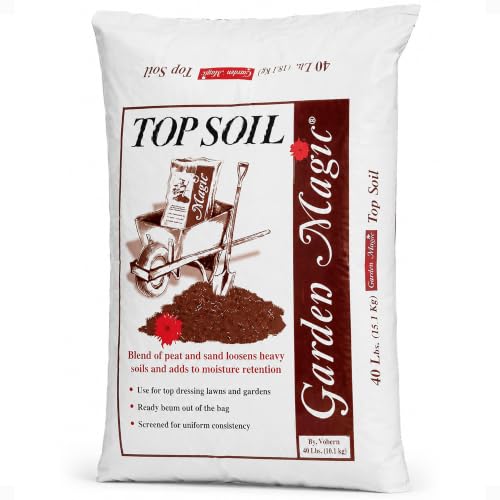
Ready-to-Use for All Planting Needs: This general-purpose potting soil is ready to use out of the bag, perfect for both indoor and outdoor planting without any extra prep

Preparing the Bed
Start by measuring your raised garden bed’s dimensions. Clear the area of weeds, debris, and grass. Level the base to create a sturdy foundation for the layers above. Use landscape fabric or cardboard at the bottom to prevent weeds from growing up into your soil. This step saves you time and effort later, ensuring your plants thrive.
Choosing the Right Materials
Select materials that fit your budget and environmental goals. Consider these options:
- Natural Materials: Compost enriches soil. Wood chips improve drainage. Shredded leaves add nutrients. Grass clippings provide nitrogen.
- Recycled Materials: Old pallets create structure. Cardboard helps block weeds. Cinder blocks can be stacked for extra height. Coffee grounds enhance soil acidity.
Mix and match these materials to create a filled bed that promotes healthy plant growth without breaking the bank.
Layering Techniques
Employ a layered approach to maximize efficiency and cost-effectiveness:
- Base Layer: Use larger items like branches or rocks for drainage. This helps prevent waterlogging.
- Middle Layer: Add organic materials, such as shredded leaves or straw. These will break down over time, enriching the soil.
- Top Layer: Finish with a high-quality topsoil or compost. This layer directly supports plant roots.
By stacking materials correctly, you enhance air circulation and drainage, creating an optimal environment for plant growth.
Adhering to this guide helps you fill raised garden beds efficiently, promoting cost-effective gardening practices. Enjoy a thriving garden without overspending.
Conclusion
Filling your raised garden beds doesn’t have to break the bank. By using a layered approach and sourcing materials locally or recycling what you already have, you can create a thriving garden that’s both budget-friendly and sustainable.
Remember to customize your soil mix to suit your plants’ needs and ensure proper drainage. With a little creativity and effort, you’ll be on your way to growing healthy plants while saving money. Happy gardening!
Frequently Asked Questions
What are raised garden beds?
Raised garden beds are enclosed soil areas elevated above ground level. They provide better drainage, improved soil quality control, and easier access for planting and maintenance, making them an excellent choice for gardeners.
Why should I use a layered approach for filling raised beds?
A layered approach enhances drainage, promotes airflow, and optimizes soil quality. Starting with larger materials at the bottom helps prevent waterlogging, while middle and top layers support healthy root development and nutrient absorption.
What materials can I use to fill raised garden beds?
You can fill raised beds with a combination of untreated wood, concrete blocks, galvanized steel, compost, wood chips, and even recycled items like pallets. Mixing natural and recycled materials helps create a balanced soil environment.
How do I prepare my raised bed for filling?
Begin by measuring the dimensions, clearing the area, and leveling the base. Consider using landscape fabric or cardboard at the bottom to prevent weeds while you fill the bed in layers.
How can using local and recycled materials save money?
Sourcing local materials and using recycled items reduces the costs associated with buying new soil and supplies. Participating in community programs can also provide access to organic materials at little to no cost.
What benefits do raised garden beds offer for plant growth?
Raised garden beds enhance soil quality, improve drainage, and reduce physical strain on gardeners. Customized soil blends support better root development and nutrient absorption, ensuring healthy plant growth and productivity.
Can I grow any plants in raised garden beds?
Yes, raised garden beds can accommodate nearly any type of plant. By customizing the soil mix and layer structure, you can create optimal conditions for vegetables, flowers, herbs, and more.
How often should I replenish the soil in my raised bed?
Soil in raised beds typically needs replenishing every few years or as plants are harvested. Regularly adding organic materials like compost will help maintain soil quality and fertility over time.

My interest in trees started when I first saw the giant sequoias in Yosemite.I was a teenager then, and I remember thinking, “I need to learn more about this.”That moment stuck with me.A few years later, I went on to study forestry at Michigan Tech.
Since graduating, I’ve worked in a mix of hands-on tree care and community education.I’ve spent over ten years helping people understand how to plant, maintain, and protect the trees in their neighborhoods.I don’t see trees as just part of the landscape.They are living things that make a real difference in our daily lives.