Have you ever dreamed of growing fresh vegetables and vibrant flowers all year round? Greenhouse gardening might be the perfect solution for you. Picture stepping into a warm, sunlit space filled with lush greenery, no matter the season outside.
Key Takeaways
- Understanding Greenhouse Gardening: Grow plants in controlled environments year-round, enabling an expanded variety of vegetables and flowers regardless of outdoor conditions.
- Benefits of Greenhouses: Enjoy extended growing seasons, better pest management, higher yields, and the ability to cultivate diverse plant species.
- Greenhouse Types: Choose from various options such as lean-to, freestanding, high tunnel, glass, and mini greenhouses to fit your space and gardening goals.
- Essential Materials and Tools: Use quality frames, glazing options, and a sturdy foundation, along with proper ventilation, heating systems, and soil amendments for successful gardening.
- Planting Techniques: Test soil quality, maintain ideal pH levels, and implement effective watering and humidity control practices to enhance plant growth.
- Managing Challenges: Regularly monitor for pests, ensure proper ventilation, and utilize organic solutions to maintain healthy plants and minimize diseases.
Understanding Greenhouse Gardening
Greenhouse gardening allows you to grow plants in controlled environments. You can cultivate a variety of vegetables and flowers year-round, regardless of outside conditions.
Benefits of Greenhouse Gardening
- Extended Growing Seasons: Greenhouses enable early planting in spring and late harvesting in fall.
- Climate Control: You maintain optimal temperatures and humidity levels. This control results in healthier plants.
- Pest and Disease Management: Enclosed spaces reduce exposure to pests and diseases common in outdoor gardening.
- Higher Yields: Controlled conditions can lead to increased productivity, often producing more crops than traditional gardens.
- Diverse Plant Options: You can grow plants that may not thrive in your region’s climate, expanding your gardening possibilities.
- Lean-To Greenhouses: These attach to an existing structure, utilizing its heat. They require less space and provide easy access.
- Freestanding Greenhouses: These stand independently and offer ample space for gardening. Their layout allows for versatility in design.
- High Tunnel Greenhouses: These temporary structures use plastic to create a warmer environment. They’re often less expensive and easier to set up.
- Glass Greenhouses: These are durable and offer excellent light transmission. They provide a classic aesthetic and better temperature regulation.
- Mini Greenhouses: Ideal for small spaces, these compact structures allow you to grow plants, herbs, or seedlings easily.
Getting Started with Greenhouse Gardening
Greenhouse gardening sets the stage for successful year-round cultivation. It presents unique opportunities for gardeners of all levels to maximize their growing potential.
Recommended Products

Ideal for growing seeds for flowers, herb, or fruits and vegetables. These trays will keep your precious seedlings safe and healthy while you wait for growth.

Ideal for growing seeds for flowers, herb, or fruits and vegetables. These trays will keep your precious seedlings safe and healthy while you wait for growth.

You will receive 10 inserts per order. Each pot measures 2.5 x 2.5 x 3.5 inches in dimension. They are designed to fit 32 inserts into a standard 1020 (10" x 20") carrying tray.
Choosing the Right Location
You’ll want to select a spot that receives ample sunlight—ideally, at least six hours of direct light per day. Look for areas with good drainage to avoid water accumulation around the greenhouse. Sheltering your greenhouse from strong winds with natural barriers like trees or fences offers extra protection.
Consider the proximity to water sources and electricity, as these are essential for maintaining plant health. Also, assess the path for easy access; you should be able to reach your greenhouse conveniently.
Selecting the Appropriate Greenhouse
You can choose from various greenhouse types based on your space and gardening goals. Each type presents distinct advantages:
- Lean-To Greenhouses: These attach to a wall, using existing structures for support. They’re ideal for small spaces and can benefit from the warmth of the house.
- Freestanding Greenhouses: These structures offer flexibility in placement. They provide ample space for larger gardens and require careful positioning for maximum light.
- High Tunnel Greenhouses: These aren’t fully enclosed. They’re useful for extending the growing season and can be less costly while still providing some degree of climate control.
- Glass Greenhouses: These offer excellent light transmission, making them suitable for high-end gardening. However, glass can be more expensive and may require additional maintenance.
- Mini Greenhouses: Great for beginners or those with limited space, mini greenhouses provide an easy way to start gardening without overwhelming commitment.
Consider factors like budget, space, and the types of plants you want to grow when selecting your greenhouse.
Essential Materials and Tools
Successful greenhouse gardening requires specific materials and tools. Understanding what you’ll need makes the process smoother and ensures healthy plant growth.
Recommended Products

100-Piece W Spring Clip Set - Includes 100 stainless steel greenhouse glazing clips for replacing missing or worn panel clips in compatible greenhouse frames.
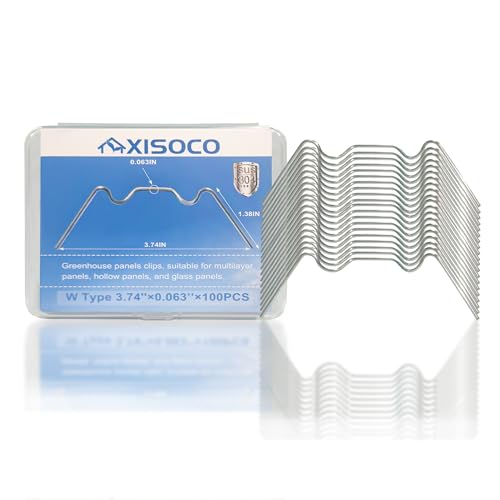
XISOCO Stainless Steel Clips: Greenhouse clips are constructed from durable and premium quality stainless steel, sturdy, and provide long-lasting use.

Product Advantages: These XISOCO polycarbonate panels offer 99.5% UV protection, and the lightweight good light transmittance shatterproof multiwall design coupled with integrated UV-resistant co-extruded layer yields long service periods backed up by a 10-year limited warranty.
Greenhouse Structure and Materials
- Frame Materials: Choose frames made from aluminum, steel, or wood. Aluminum offers durability and lightweight portability. Steel provides strength but may rust. Wood delivers aesthetic appeal but requires maintenance.
- Glazing Options: Select glazing materials such as glass, polycarbonate, or polyethylene. Glass allows maximum light penetration, although it breaks easily. Polycarbonate is stronger and offers better insulation. Polyethylene is cost-effective and easy to install but may require replacement every few years.
- Foundation: Build a sturdy foundation using concrete blocks, bricks, or treated lumber. This keeps the greenhouse stable and protects against pests.
- Ventilation: Install vents or fans to ensure proper air circulation. Using automatic or manual roof vents helps control temperature and humidity inside the greenhouse.
- Heating System: If you live in a colder climate, consider a heating system. Options include electric heaters, propane heaters, or even passive solar systems.
- Soil and Amendments: Use high-quality potting soil enriched with compost or organic matter. This promotes healthy root development and provides essential nutrients.
- Containers: Select containers or pots suitable for your plants. Choose sizes that match your selected plant varieties and ensure they have drainage holes.
- Watering System: Implement a watering system, such as a drip irrigation system or soaker hoses. These methods provide consistent moisture to plants and reduce water waste.
- Fertilizers: Keep fertilizers on hand, including organic options. Use slow-release fertilizers for steady nutrient supply or liquid fertilizers for quick boosts.
- Tools: Gather essential tools like a trowel, pruners, and gloves. Invest in quality tools that suit your gardening tasks, such as potting, pruning, and planting.
- Pest Control: Stock up on organic pest control solutions, including insecticidal soaps and neem oil. These products keep pests in check without harming beneficial insects.
- Labels: Use plant labels to identify your varieties. This organization helps track growth and care for each plant effectively.
Planting and Care Techniques
Effective greenhouse gardening relies on proper planting and care techniques that enhance plant growth and overall health. Following these guidelines ensures a flourishing garden.
Soil Preparation and Fertilization
Ensure soil quality by testing pH levels and nutrient content before planting. Aim for a pH between 6.0 and 6.8 for most vegetables and flowers.
- Choose Quality Soil: Use a mixture of organic matter, such as compost or well-rotted manure, along with high-quality potting soil. This combination enhances drainage and nutrient retention.
- Amend the Soil: Amend soil with fertilizers based on testing results. For example, add nitrogen-rich fertilizers for leafy greens or phosphorus for flowering plants.
- Till the Soil: Till the mixture to a depth of about 12 inches. This step aerates the soil, allowing roots to grow and nutrients to reach them easily.
- Mulch: Apply a 2-3 inch layer of organic mulch around plants. Mulch retains moisture, suppresses weeds, and gradually adds nutrients as it decomposes.
Watering and Humidity Control
Watering practices and humidity levels play crucial roles in greenhouse gardening. Correct management keeps plants healthy and productive.
- Check Moisture Levels: Monitor soil moisture regularly. Stick your finger about an inch into the soil; if it feels dry, it’s time to water.
- Irrigation Systems: Consider using drip irrigation systems. This method delivers water directly to the root zone, reducing waste and improving efficiency.
- Watering Schedule: Water in the early morning or late afternoon to minimize evaporation. Aim for consistency—typically, 1-2 inches of water per week suffices for most plants.
- Control Humidity: Maintain humidity levels between 50-70% for optimal growth. Use vent fans or dehumidifiers to regulate humidity. You can also mist plants lightly in the mornings to increase humidity levels naturally.
Implement these planting and care techniques to optimize your greenhouse gardening experience, ensuring robust and vibrant plants year-round.
Common Challenges and Solutions
Greenhouse gardening presents unique challenges. Addressing these challenges enhances your gardening experience and plant health.
Managing Pests and Diseases
Preventing pests and diseases involves strict monitoring and an integrated approach. Use the following strategies:
- Regular Inspections: Check plants for signs of pests or diseases weekly. Look for discolored leaves or unusual growth.
- Physical Barriers: Use insect netting or row covers to shield plants from pests without damaging them.
- Companion Planting: Plant herbs like basil or marigold alongside vegetables. These plants naturally deter harmful insects.
- Organic Pesticides: Apply neem oil or insecticidal soap when necessary. These options target pests while remaining safe for your plants and the environment.
- Proper Hygiene: Clean old plant debris and containers regularly to minimize pest habitats and disease sources.
- Ventilation: Open vents or windows during warm days. This action promotes airflow and reduces internal temperatures. Consider installing automated vent openers for convenience.
- Shading: Use shade cloths to block excessive sunlight. Position this cloth during the hottest parts of the day to prevent heat buildup.
- Heating Systems: Invest in a reliable heater if winter temperatures drop. Propane or electric heaters can maintain adequate warmth for sensitive plants.
- Thermometers: Install thermometers at different locations inside the greenhouse. This measure provides accurate readings of temperature variations.
- Thermostats: Use thermostats to automate heating and cooling systems. Set target temperatures to ensure consistent conditions for your plants.
Conclusion
Greenhouse gardening opens up a world of possibilities for you and your plants. By creating a controlled environment you can enjoy fresh produce and beautiful blooms no matter the season.
With the right setup and care techniques you’ll be well on your way to cultivating a thriving garden. Remember to choose the greenhouse that fits your space and needs while keeping an eye on factors like ventilation and watering.
Embrace the joy of gardening and watch your plants flourish in your very own greenhouse oasis. Happy gardening!
Frequently Asked Questions
What are the benefits of greenhouse gardening?
Greenhouse gardening allows you to grow vegetables and flowers year-round, regardless of the weather. It provides climate control for healthier plants, extends growing seasons, reduces exposure to pests and diseases, and offers higher yields. This method also enables you to cultivate various plant types that may struggle in your local climate.
What types of greenhouses are available?
There are several types of greenhouses, including lean-to, freestanding, high tunnel, glass, and mini greenhouses. Each type has unique advantages and can be chosen based on your available space, gardening goals, and climate conditions.
How do I choose the right location for my greenhouse?
Select a location that receives ample sunlight, has good drainage, and is sheltered from strong winds. Ensure it is close to a water source and electricity. Easy access is essential for tending to your plants and maintaining the greenhouse.
What materials are needed for a greenhouse?
Essential materials include sturdy frame options such as aluminum, steel, or wood, and glazing choices like glass, polycarbonate, or polyethylene. You’ll also need a strong foundation, proper ventilation, heating systems (for cold climates), and high-quality potting soil.
How can I ensure healthy plant growth in my greenhouse?
Focus on soil preparation, fertilization, and watering practices. Test your soil for pH and nutrients, use organic matter mixed with potting soil, and monitor moisture levels. Maintain humidity between 50-70%, and apply mulch to retain moisture and suppress weeds.
What are common challenges in greenhouse gardening?
Common challenges include managing pests and diseases. Regular inspections, using insect netting, and practicing organic pest control can help. Additionally, ensure proper ventilation, heating, and shading to create a stable growing environment for your plants.
How do I manage pests and diseases in my greenhouse?
To manage pests and diseases, perform regular inspections, use physical barriers like insect netting, and consider companion planting. Implement organic pesticides and maintain cleanliness to reduce risks. Environmental control, such as ventilation and humidity monitoring, is also essential.
What tools are essential for greenhouse gardening?
Key tools include pots, trays, a watering system, soil testing kits, and basic gardening tools like shovels, trowels, and pruning shears. Additionally, using thermometers and thermostats can help monitor the greenhouse conditions for optimal plant health.

My interest in trees started when I first saw the giant sequoias in Yosemite.I was a teenager then, and I remember thinking, “I need to learn more about this.”That moment stuck with me.A few years later, I went on to study forestry at Michigan Tech.
Since graduating, I’ve worked in a mix of hands-on tree care and community education.I’ve spent over ten years helping people understand how to plant, maintain, and protect the trees in their neighborhoods.I don’t see trees as just part of the landscape.They are living things that make a real difference in our daily lives.