Are you tired of struggling with poor soil and pesky weeds in your backyard? A raised vegetable garden might be the perfect solution for you. It not only makes gardening easier but also gives you better control over soil quality and drainage.
Key Takeaways
- Benefits of Raised Beds: Raised vegetable gardens improve soil quality, enhance drainage, ease access, reduce weeds and pests, and offer an extended growing season.
- Location Selection: Proper site selection is vital; ensure your garden receives at least 6-8 hours of sunlight and is close to a water source for easy maintenance.
- Material Choices: Various materials such as wood, composite, metal, and stone can be used for raised beds, each providing distinct benefits in durability and aesthetics.
- Soil Preparation: A balanced soil mix with topsoil, compost, and drainage material is essential for promoting healthy plant growth in raised beds.
- Planting Strategies: Choose suitable vegetables based on your climate and space, and implement companion planting to enhance growth and deter pests.
- Ongoing Maintenance: Regular watering, pest control, and monitoring of plant health are crucial for maintaining a thriving raised vegetable garden.
Benefits Of Raised Vegetable Gardening
Raised vegetable gardening offers numerous advantages for any gardener. Here are several key benefits:
Improved Soil Quality
Raised beds provide better soil than native ground. You can mix your own soil, ensuring it’s nutrient-rich. This control leads to healthier plants and higher yields.
Enhanced Drainage
Water drains effectively in raised beds. With elevated soil, you reduce the risk of waterlogging. Plants thrive when roots avoid excess moisture.
Easier Access
Raised beds create a comfortable working height. You won’t need to bend or kneel, making gardening more accessible. This aspect is especially beneficial for those with mobility challenges.
Reduced Weeds and Pests
Weeds are easier to manage in raised beds. You can line the bottom with landscaping fabrics to inhibit weed growth. Additionally, the elevation can deter some pests, reducing the need for chemicals.
Extended Growing Season
Raised beds warm up faster in spring. You can plant earlier and extend the growing season into fall. This advantage lets you enjoy a longer harvest.
Customized Planting Arrangements
You can design raised beds to suit various plants. Square foot gardening, for example, allows for intensive planting. This method maximizes space and improves productivity.
Versatility
Raised beds fit various spaces, from small yards to patios. They can even be placed on concrete or gravel. This versatility enables effective gardening in any environment.
Aesthetic Appeal
Raised beds create visually appealing structures in your garden. You can choose materials and designs that enhance your landscape. A well-maintained raised garden can serve as an attractive focal point.
Controlled Environment
You control the environment in raised beds. Adjustments in soil and moisture stabilize conditions. This control leads to more consistent growth and healthier plants.
By considering these benefits, you can decide if a raised vegetable garden is the right choice for you.
Choosing The Right Location
Choosing the right location for your raised vegetable garden significantly impacts its success. Consider factors like sunlight and access to water when selecting a site.
Recommended Products
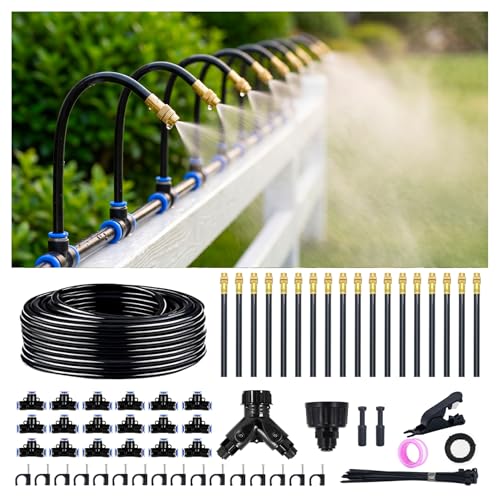
360° Garden Watering System: Our irrigation nozzles support 360° angle adjustment for precise watering of garden plants. Simply connect it to the faucet to water all garden plants, no manual watering needed. Easy to install and perfect for gardening beginners
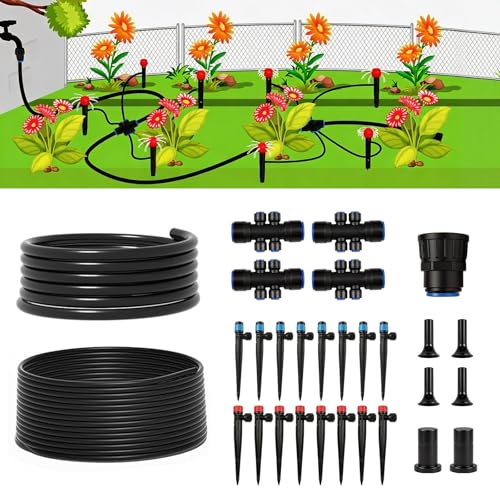
TRUE QUICK CONNECT – NO LEAKS, NO STRUGGLE: Unlike traditional kits that require twisting and force-fitting, our quick-connect design lets you simply push tubing into place. Secure, leak-resistant connections every time — no tools needed.
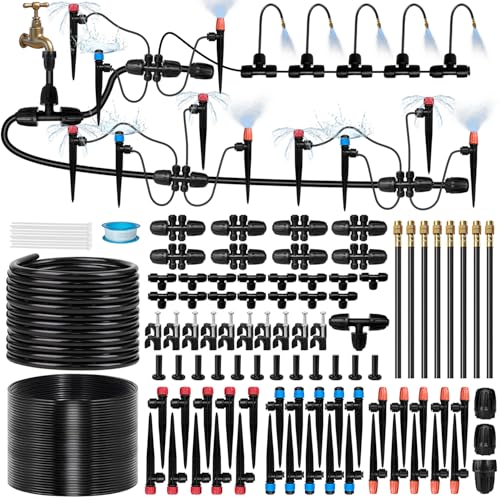
【Upgraded Tube Design & Water Saving】 Our garden watering system is upgraded to 1/2” diameter to support high water pressure. The 1/2” tee connector allows seamless splitting into 2 independent zones for customized watering schedules. By delivering moisture directly to root zones, this drip Irrigation system significantly reduces evaporation and runoff—saving more water compared to conventional sprinklers while eliminating the need for manual watering.
Sunlight Requirements
Vegetables thrive in full sun, so your garden should receive at least six to eight hours of direct sunlight daily. Observe your yard throughout the day to identify sunny spots. Choose a location free from obstructions like trees or buildings that may cast shadows. Some crops, like tomatoes and peppers, prefer more sunlight, while leafy greens can tolerate slightly less. Understanding these needs helps ensure a productive garden.
Proximity To Water Source
Access to a water source simplifies the maintenance of your raised vegetable garden. Ideally, place your garden near a hose or faucet to facilitate regular watering, especially during dry spells. Consider using drip irrigation systems for efficient watering that conserves moisture. If your garden site lacks immediate access to water, plan ahead with watering cans or a rainwater collection system. Ensuring consistent hydration encourages healthy plant growth.
Selecting Materials For Your Raised Bed
Choosing the right materials for your raised vegetable garden bed significantly affects its durability, appearance, and overall gardening success. You can select from various options to suit your preferences and budget.
Recommended Products

Elevate Your Garden - Opt for a brilliantly engineered raised garden bed to revolutionize your gardening. Its spacious design, measuring 48x24x30 inches, allows for the cultivation of multiple vegetable varieties alongside a plethora of herbs, optimizing your gardening space for ease and diversity.
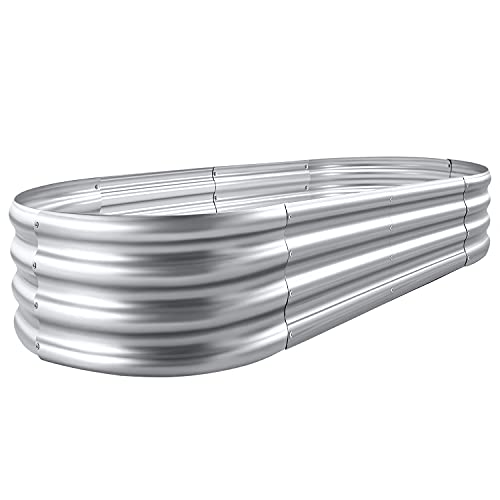
Each raised metal garden bed size: 4×2×1ft ,7.14Cu

LARGE PLANTING SPACE: 8.4 cubic feet of space can support your choice of flowers, succulents, vegetables, and more
Wood Options
- Cedar: Cedar is weather-resistant and naturally repellent to insects, making it a top choice. Expect a lifespan of 10 to 15 years with minimal maintenance.
- Redwood: Redwood offers similar benefits to cedar, with a stunning look. It may last up to 20 years but comes with a higher price tag.
- Pine: Treated pine is a cost-effective option that typically lasts around 5 to 10 years. Ensure it’s food-safe and treated for longevity.
- Hardwoods: Less common, hardwoods like oak can provide durability. However, they can be more expensive and heavy to work with.
- Composite materials: Composed of recycled plastic and wood fibers, these resist rot and fading, offering a lifespan of over 20 years with little upkeep.
- Metal: Galvanized steel or aluminum provides a modern look and lasts significantly longer than wood. They resist rusting and come in various styles.
- Bricks and Blocks: For a sturdy structure, use bricks or concrete blocks. They allow for unique designs and offer excellent durability.
- Stone: Natural stone creates an aesthetically pleasing option that lasts indefinitely. It requires professional installation but enhances your garden’s elegance.
Consider your garden’s style, budget, and desired durability when selecting materials. Each option presents unique benefits, so choose what works best for you and your gardening goals.
Preparing The Soil
Preparing the soil for a raised vegetable garden involves creating the best foundation for your plants. Focus on soil composition and drainage solutions to optimize growth and health.
Soil Composition
Choose a well-balanced soil mix to ensure your plants thrive. A recommended blend consists of three main components:
- Topsoil: Provides essential nutrients and supports plant growth.
- Compost: Enriches the soil with organic matter and beneficial microbes.
- Drainage Material: Incorporates materials like perlite, vermiculite, or coarse sand to improve aeration and prevent compaction.
Aim for a mix ratio of 40% topsoil, 40% compost, and 20% drainage material. Adjustments can adapt based on specific plant needs or local soil conditions. Test the pH of your soil mix; a pH between 6.0 and 7.0 suits most vegetables.
Drainage Solutions
Effective drainage is crucial for preventing waterlogged soil, which can harm plant roots. To enhance drainage in your raised beds:
- Create Sloped Beds: Position the raised beds slightly sloped to facilitate water runoff, directing excess water away from plants.
- Use a Layering Technique: Place a layer of gravel or small stones at the bottom of the bed before adding your soil mix. This layer helps excess water drain quickly.
- Consider Plant Selection: Choose plants suitable for your drainage conditions. Some vegetables, like tomatoes and peppers, prefer well-drained soil, while others, like lettuce and radishes, tolerate slightly wetter conditions.
Implement these drainage solutions to maintain optimal moisture levels and support healthy plant growth in your raised vegetable garden.
Planting Your Vegetables
Planting your vegetables requires careful planning and execution. Selecting the right plants and using companion planting strategies can enhance your garden’s productivity.
Ideal Vegetable Choices
Choose vegetables suited for your growing conditions. Consider factors like climate, sunlight, and available space. Popular choices include:
- Tomatoes: Thrive in warm climates, need six to eight hours of sunlight.
- Lettuce: Grows well in cooler weather, can be planted in partial shade.
- Carrots: Require loose, well-drained soil for proper root development.
- Peppers: Flourish in warmth, also prefer full sun.
Select varieties based on your taste preferences and local growing season. Researching specific planting dates for each vegetable ensures optimal growth.
Companion Planting Strategies
Use companion planting to promote healthy growth and deter pests. Certain plants benefit each other when grown together. Effective combinations include:
- Tomatoes and Basil: Basil may enhance tomato flavor and repel pests.
- Carrots and Onions: Onions can deter carrot flies while both share similar growing conditions.
- Beans and Corn: Beans fix nitrogen, improving soil for corn, while corn provides support for climbing beans.
Follow guidelines for spacing to avoid overcrowding. This promotes air circulation and inhibits disease. Regularly monitor your garden for pest issues and plant health, ensuring a thriving vegetable garden.
Maintenance Tips For A Thriving Garden
Maintaining a raised vegetable garden ensures optimal growth and productivity. Follow these tips for consistent results.
Recommended Products

IDEAL GARDEN BASKET: Basket made of durable, plastic with multi-functional features to simplify collecting, transporting, and cleaning harvested produce or tools; Designed with two sets of handles for each user's preferred carry

30% RECYCLED PLASTIC CONSTRUCTION: Durable tool made from post-consumer recycled plastic, supporting sustainable gardening practices while reducing environmental impact

GARDENING ESSENTIAL: Heavy duty, ergonomic hand cultivator with sharp tines ideal for a variety of gardening tasks like digging in tough soil, aerating soil, removing weeds, and more to encourage overall plant health and appearance
Watering Techniques
Water deeply and consistently to promote strong root development. Aim for approximately 1 to 1.5 inches of water per week, adjusting based on rainfall. Use the following methods for effective watering:
- Drip Irrigation: Install a drip irrigation system for efficient moisture delivery directly to the roots. This method minimizes evaporation and fungal diseases.
- Soaker Hoses: Lay soaker hoses along the base of your plants, allowing water to seep through slowly and evenly.
- Watering Can: Use a watering can for targeted watering, ensuring that you focus on the plants’ root zones.
Check soil moisture with a finger test. If the top inch of soil feels dry, it’s time to water. Avoid overwatering, as it can lead to root rot.
Pest Control Methods
Implement various strategies to manage pests in your raised vegetable garden effectively. Use an integrated approach that combines prevention and intervention:
- Companion Planting: Pair plants that deter pests. For example, marigolds repel nematodes and aphids, while basil enhances the growth of tomatoes and repels flies.
- Row Covers: Install lightweight fabric covers over plants. These barriers prevent insects from accessing your crops while still allowing sunlight and rain through.
- Natural Predators: Encourage birds and beneficial insects to visit your garden. Ladybugs, for instance, eat aphids, while lacewings target caterpillars.
- Homemade Sprays: Create simple pest deterrents using ingredients like garlic, chili pepper, or dish soap mixed with water. Spray on affected plants to ward off pests.
Regularly inspect your plants for signs of damage. Early detection helps in addressing pest problems before they escalate.
Conclusion
Creating a raised vegetable garden can transform your gardening experience into something enjoyable and rewarding. With the right planning and care you’ll be well on your way to growing fresh vegetables right in your backyard.
By choosing suitable materials and preparing your soil properly you’re setting yourself up for success. Don’t forget to monitor your plants and adjust your strategies as needed.
Whether you’re a seasoned gardener or just starting out a raised bed can be a fantastic addition to your outdoor space. So grab your tools and get started on your gardening journey—you’ll love the fruits of your labor!
Frequently Asked Questions
What are the benefits of a raised vegetable garden?
Raised vegetable gardens offer improved soil quality, better drainage, and easier access for gardeners. They help control weeds and pests, extend the growing season, and allow for customized planting arrangements, making gardening simpler and more enjoyable.
How do I choose the right location for my raised vegetable garden?
Select a site that receives at least six to eight hours of direct sunlight daily. Ensure the area is free from obstructions like trees or buildings and is close to a water source to simplify watering, ideally using a drip irrigation system.
What materials should I use for constructing raised beds?
Common materials include wood (cedar, redwood, treated pine), metal, bricks, blocks, and natural stone. Consider factors like durability, appearance, garden style, and budget when selecting materials to optimize your raised vegetable garden.
How can I prepare the soil for my raised vegetable garden?
Aim for a soil mix of 40% topsoil, 40% compost, and 20% drainage material. Test the pH to ensure it’s between 6.0 and 7.0. Incorporate drainage solutions like sloped beds or gravel layers to maintain optimal moisture levels.
What vegetables are best suited for a raised garden?
Popular vegetable choices include tomatoes, lettuce, carrots, and peppers. Research planting dates and consider your garden’s climate and sunlight conditions to select the best vegetables for optimal growth.
How can I maintain a raised vegetable garden effectively?
Use consistent watering methods like drip irrigation or soaker hoses, and regularly check soil moisture. For pest control, implement companion planting, row covers, and encourage natural predators, addressing any issues promptly to maintain plant health.

My interest in trees started when I first saw the giant sequoias in Yosemite.I was a teenager then, and I remember thinking, “I need to learn more about this.”That moment stuck with me.A few years later, I went on to study forestry at Michigan Tech.
Since graduating, I’ve worked in a mix of hands-on tree care and community education.I’ve spent over ten years helping people understand how to plant, maintain, and protect the trees in their neighborhoods.I don’t see trees as just part of the landscape.They are living things that make a real difference in our daily lives.