Are pesky insects ruining your garden dreams? You’re not alone. Many gardeners face the same frustrating battle against unwanted pests lurking in the soil, threatening your plants and flowers.
Key Takeaways
- Identify Garden Pests: Recognize common insects like ants, grubs, wireworms, and nematodes to effectively manage their impact on plant health.
- Natural Control Methods: Use beneficial insects (e.g., ladybugs, praying mantises) and organic solutions like neem oil, diatomaceous earth, garlic spray, and soapy water for safe insect control.
- Chemical Solutions: Understand various pesticide types, including contact and systemic insecticides, and apply them following safety guidelines for effective pest management.
- Soil Health Maintenance: Regularly test and enhance soil quality with organic matter and proper moisture management to reduce pest problems.
- Companion Planting: Implement companion planting strategies to naturally deter pests and promote a thriving garden ecosystem.
- Regular Monitoring: Keep an eye on your garden to catch signs of insect activity promptly, allowing for timely intervention and effective pest management.
Understanding Garden Insects
Garden insects can affect your plants, causing damage and impacting growth. Recognizing the types of insects in your garden soil helps you manage them effectively.
Common Types of Insects in Garden Soil
- Ants: Ants often create nests in garden soil. They can be beneficial by aerating the soil, but some species protect harmful aphids.
- Grubs: Grubs are the larvae of various beetles. They feed on root systems, potentially leading to wilting or dead plants.
- Wireworms: Wireworms are the larvae of click beetles. They live in soil, damaging seeds and young plants.
- Pillbugs: Commonly known as roly-polies, pillbugs thrive in damp soil and feed on decaying organic matter. They can, however, damage young seedlings.
- Nematodes: Some nematodes are beneficial, aiding soil health, while others parasitize plant roots, leading to stunted growth.
- Wilting Plants: If plants appear dry or wilted, inspect the soil for grubs or nematodes disrupting root systems.
- Uneven Growth: Look for signs of uneven plant growth. This could indicate wireworms or other larvae damaging roots.
- Visible Insects: Check the surface of the soil and nearby plants for active insects, like ants or pillbugs.
- Soil Discoloration: Discolored soil might signal insect activity underground. Digging a small hole can reveal grubs or other pests.
- Droppings: Finding insect droppings or frass (insect waste) around your garden indicates an infestation.
By recognizing these common insects and their signs, you can take steps to protect your garden and promote healthy plant growth.
Natural Methods to Control Insects
Natural methods provide effective ways to manage insects in garden soil without resorting to harsh chemicals. Utilizing beneficial insects and organic pest control solutions keeps your garden healthy and thriving.
Recommended Products

READY-TO-USE CONTACT SPRAY: No mixing required. Thoroughly spray insecticide on all plant parts, including the underside of leaves. Pests must be sprayed directly to achieve control
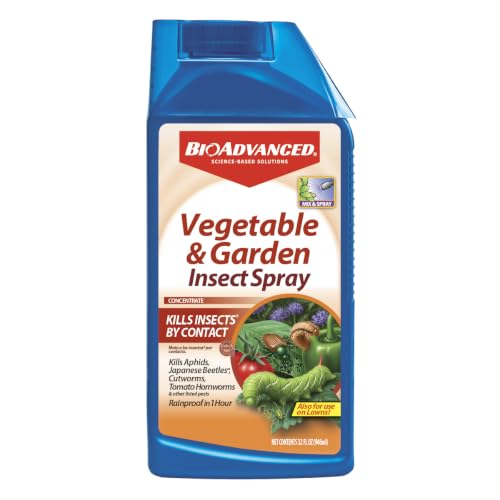
KILLS LISTED INSECTS ON CONTACT: Vegetable & Garden Insect Spray kills stink bugs, ants, ticks, fleas, mosquitos, flies, aphids, and over 70 other listed insects

GNAT CONTROL FOR INDOOR PLANTS: Our powerful gnat spray for indoor plants kills fungus gnats, spider mites, and fruit flies; it's the perfect solution for getting rid of fruit fly and fungus gnats
Beneficial Insects
Incorporating beneficial insects into your garden helps maintain a balanced ecosystem. These insects prey on harmful pests, reducing their populations naturally. Some key beneficial insects include:
- Ladybugs: They feast on aphids and can consume up to 50 per day, making them excellent allies in pest control.
- Praying Mantises: These predators eat a variety of insects, including caterpillars and beetles, contributing to overall pest reduction.
- Lacewings: Known for their voracious appetite for aphids and other soft-bodied insects, lacewing larvae are particularly effective during their growth stage.
- Parasitic Wasps: They lay eggs inside host pests, such as caterpillars, and the larvae feed on them, controlling pest populations effectively.
To attract beneficial insects, plant a variety of flowers that bloom at different times. This provides a continuous food source throughout the growing season.
Organic Pest Control Solutions
Organic pest control solutions offer safe alternatives for managing insect populations. Here are some effective options you can implement:
- Neem Oil: Derived from the seeds of the neem tree, neem oil disrupts insect hormones, preventing growth and reproduction. Dilute and spray on affected plants.
- Diatomaceous Earth: This powdery substance kills insects with exoskeletons, such as ants and beetles, by dehydrating them. Sprinkle it around garden areas for effective results.
- Garlic Spray: Blend garlic with water and strain to create a natural repellent. Spray on plants to deter pests with its strong odor.
- Soapy Water: Mix water with liquid soap to create a gentle pesticide. Spray directly on pests like aphids and spider mites for effective treatment.
Regularly monitoring your garden for signs of insect activity ensures timely action. Combine these methods for a comprehensive approach to insect control in your garden soil.
Chemical Solutions for Insect Control
Chemical solutions provide effective methods for managing garden insect populations. Depending on the severity of the infestation, these treatments can offer quick relief for damaged plants.
Recommended Products

Controls a number of insects including Aphid, Psyllids and more. See label for full list of insects.

Kills 100+ listed insects fast

KILLS 100+ LISTED INSECTS: Kills aphids, tomato hornworms, green fruitworms and other listed insect pests
Pesticides Overview
Pesticides fall into several categories, including insecticides, fungicides, and herbicides. Insecticides target specific insects, while fungicides address fungal issues. Different formulations include:
- Contact Insecticides: Kill insects on contact. They act quickly but require precise application.
- Systemic Insecticides: Absorbed by plants, affecting insects that feed on treated foliage. These offer longer-lasting protection.
- Biorational Insecticides: Derived from natural sources, they target pests with minimal impact on beneficial insects.
Selecting the right pesticide depends on the type of insect and its lifecycle stage. Read labels for proper usage and safety guidelines.
Safe Application Techniques
Applying pesticides safely protects you, your plants, and the environment. Follow these techniques:
- Wear Protective Gear: Use gloves, masks, and goggles to shield yourself during application.
- Choose Calm Days: Apply pesticides when there’s no wind. This minimizes drift to non-target plants and areas.
- Test Small Areas First: Check how your plants respond to the pesticide by applying it in a small spot.
- Follow Label Instructions: Adhere to dosages and timing recommendations on the product label.
- Store Pesticides Properly: Keep them in a cool, dry place, away from children and pets.
By focusing on safe application, you enhance effectiveness while minimizing risks associated with chemical controls.
Preventive Measures
Preventing insect infestations creates a healthier garden environment. Implement strategies that strengthen soil health and embrace companion planting for optimal results.
Recommended Products

Garden pest control to protect your lawn, fruits and vegetables from listed damaging pests

Compressed Block Replaces Heavy Bags: No more heavy, messy, bulky bags—this compressed block is easy to carry, store, and handle. Just add water and it expands in minutes into ready-to-use mulch for fast, simple application

Organic Coconut Chip: You will get 2 pcs coco chips bricks planting substrate, made from pure natural coco coir chips and coconut fiber, 100% natural and organic, degradable and sustainable, this is an alternative to conventional soil and provides the best substrate for all types of plant growth
Soil Health and Maintenance
Maintaining healthy soil reduces pest problems. Use the following practices to enhance soil quality:
- Regular Testing: Test soil annually for nutrient levels and pH balance. Adjust accordingly to promote beneficial microbial activity.
- Organic Matter: Incorporate organic materials like compost or well-rotted manure to improve soil structure and fertility. This attracts beneficial organisms that outcompete harmful pests.
- Mulching: Apply a layer of organic mulch to conserve moisture, suppress weeds, and create a habitat for beneficial insects. Shredded leaves, straw, or wood chips work well.
- Moisture Management: Practice proper watering techniques to avoid over-saturation. Well-drained soil supports healthier plants less prone to pests.
Companion Planting Strategies
Companion planting offers a natural way to deter insects. Combining certain plants enhances growth and repels pests. Consider these combinations:
- Marigolds with Vegetables: Plant marigolds near crops to deter nematodes and other pests. Their scent confuses harmful insects.
- Basil with Tomatoes: Basil improves tomato flavor while repelling thrips and whiteflies. This duo promotes a thriving garden.
- Nasturtiums as Trap Crops: Plant nasturtiums to attract aphids, diverting them from other plants. Remove infested nasturtiums regularly.
- Garlic Among Roses: Interplant garlic with roses to ward off aphids and other pests. Garlic’s strong scent acts as a natural repellent.
These preventive measures promote a balanced ecosystem that supports healthy plants and deters unwanted insects. Adopting these strategies enables you to enjoy a flourishing garden free from pest-related issues.
Conclusion
Taking care of your garden means keeping pests at bay. By understanding the insects that might invade your soil and recognizing the signs of their presence, you can act quickly to protect your plants. Whether you choose natural methods or opt for chemical solutions, it’s all about finding what works best for your garden.
Don’t forget the importance of prevention. Healthy soil and strategic planting can go a long way in creating a thriving ecosystem. With a little attention and care, you can enjoy a beautiful garden free from pesky insects. Happy gardening!
Frequently Asked Questions
What are common garden pests?
Common garden pests include ants, grubs, wireworms, pillbugs, and nematodes. These insects can damage plants by feeding on roots, leaves, and stems, leading to diminished growth and health.
How can I identify insect damage in my garden?
Signs of insect damage include wilting plants, uneven growth, visible insects on leaves or soil, soil discoloration, and insect droppings. Regularly inspecting plants can help spot these issues early.
How can I manage pests naturally?
Natural pest management includes using beneficial insects like ladybugs and praying mantises, and organic solutions like neem oil, diatomaceous earth, garlic spray, and soapy water. These methods promote a safe gardening environment.
What are chemical solutions for garden pests?
Chemical solutions include insecticides, fungicides, and herbicides, which can provide quick relief from pests. It’s important to choose the right type based on the pest and read labels for proper usage.
How can I prevent pest problems in my garden?
Prevent pest issues by maintaining soil health through testing, adding organic matter, mulching, and managing moisture. Companion planting, like pairing marigolds with vegetables, can also deter pests naturally.

My interest in trees started when I first saw the giant sequoias in Yosemite.I was a teenager then, and I remember thinking, “I need to learn more about this.”That moment stuck with me.A few years later, I went on to study forestry at Michigan Tech.
Since graduating, I’ve worked in a mix of hands-on tree care and community education.I’ve spent over ten years helping people understand how to plant, maintain, and protect the trees in their neighborhoods.I don’t see trees as just part of the landscape.They are living things that make a real difference in our daily lives.