Are weeds taking over your vegetable garden? You’re not alone. Many gardeners face the frustrating challenge of keeping these pesky invaders at bay. Weeds compete for nutrients and water, and if left unchecked, they can choke the life out of your prized plants.
In this article, you’ll discover practical and effective strategies to eliminate weeds without resorting to harsh chemicals. From simple preventive measures to easy removal techniques, you’ll learn how to reclaim your garden space. Say goodbye to the hassle of weeds and hello to a thriving vegetable garden that flourishes all season long.
Key Takeaways
- Understanding Weeds: Familiarize yourself with the three main types of weeds—annual, biennial, and perennial—along with their life cycles and impacts on vegetable growth.
- Preventative Measures: Implement soil preparation strategies and effective mulching techniques to create a robust defense against weed growth in your vegetable garden.
- Manual Weeding Methods: Utilize hand pulling and hoeing techniques as simple and effective ways to remove weeds without chemicals, allowing your vegetables to thrive.
- Chemical Alternatives: Explore herbicides and organic solutions as viable options for weed control, ensuring to choose products safe for your vegetable plants.
- Regular Maintenance: Conduct weekly inspections of your garden to catch new weed growth early, and adopt seasonal strategies to manage weeds throughout the year.
Understanding Weeds in Vegetable Gardens
Weeds pose a significant challenge in vegetable gardens. Identifying their types and understanding their impact on plant growth is crucial for effective management.
Types of Weeds
Weeds generally fall into three main categories:
- Annual Weeds: These weeds complete their life cycle within a year. Common examples include lamb’s quarters and chickweed. They germinate, grow, and produce seeds quickly, making early removal essential.
- Biennial Weeds: These weeds take two years to complete their life cycle. They typically grow in the first year and flower in the second. Examples include mullein and burdock. Effective control involves removing the plants before they produce seeds.
- Perennial Weeds: These weeds live for multiple years and can be quite stubborn. Dandelions and bindweed fall into this category. They often spread through extensive root systems, so thorough removal of both the plant and its roots is necessary.
Impact on Vegetable Growth
Weeds compete with your vegetables for essential resources. They absorb nutrients, water, and sunlight, limiting what’s available for your plants. This competition can result in stunted growth and reduced yields.
Additionally, some weeds can harbor pests or diseases that may harm your vegetables. For instance, nightshade plants attract aphids, which can spread to crops. Furthermore, weeds can promote humidity around plants, creating favorable conditions for fungal diseases.
By understanding the types of weeds and their effects on your garden, you can implement more effective strategies for weed elimination.
Preventative Measures
Implementing preventative measures creates a proactive defense against weed growth in your vegetable garden.
Recommended Products

Natural Cedar; Use with your outdoor and indoor plants; will hold moisture in! THIS IS A 4 QUART SIZE OF CEDAR CHIPS

100% Natural Expanding Mulch Medium - Made from natural coconut husks, Plantonix Coco Chips create a protective mulch layer for outdoor plants, raised beds, flower gardens, trees, shrubs, and container plants. Coco husk chips are perfect for tropical plants, orchids, and outdoor gardens where it’s important to retain moisture throughout the growing season.

🌿 100% Organic Mulch: Made from natural wood, GARDENWISE Premium Organic Mulch is free from chemicals and additives, making it perfect for organic gardening and sustainable landscaping.
Soil Preparation
Prepare your soil wisely to reduce weed emergence. Test your soil for pH and nutrient levels. Opt for well-draining, nutrient-rich soil, which promotes healthy vegetable growth while inhibiting weed development. Incorporate organic matter, like compost, to enhance soil structure and fertility. This improved condition makes it harder for weeds to establish. After tilling, even out the surface to minimize weed pockets.
Mulching Techniques
Use mulch effectively as a barrier against weeds. Choose organic mulches, such as wood chips, straw, or shredded leaves, to suppress weed growth while enriching the soil as they break down. Apply a layer of mulch about 2 to 4 inches thick around your vegetable plants. Keep mulch clear from the plant stems to prevent moisture retention and rot. Renew mulch as it decomposes for continuous protection against weeds.
Manual Weeding Methods
Manual weeding methods provide effective, chemical-free options for maintaining a healthy vegetable garden. These techniques require minimal tools and offer immediate results when performed consistently.
Recommended Products

Get the entire root without needing to dig wide holes! This handheld weeder is great for removing pesky weeds and thistles from your patio, sidewalk, and driveway. Stainless Steel with L-shaped head and ergonomic handle.
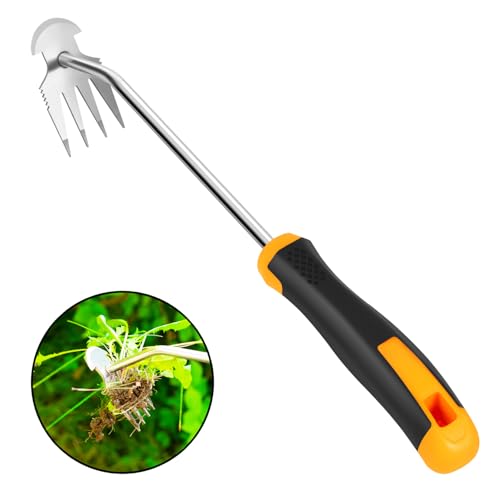
Premium Stainless Steel Construction - This heavy-duty hand weeder features stainless steel that won't rust or bend, perfect for removing stubborn weeds with deep roots. The sharp, pointed tip easily penetrates hard soil. Its durable one-piece design lasts years longer than cheaper alternatives.

GARDENING ESSENTIAL: Garden weeder ideal for a variety of gardening tasks like removing invasive weeds, maintaining your herb garden, uprooting dandelions and thistles, and more to encourage overall plant health and appearance
Hand Pulling
Hand pulling is one of the simplest and most effective methods for eliminating weeds. To do this effectively:
- Identify: Spot the weeds. Make sure you know which ones to pull, focusing on young, small plants.
- Soften: Water the soil before pulling. Moist soil makes it easier to remove entire roots.
- Grip: Grab the weed close to the base. Use your fingers to grasp the stem firmly.
- Pull: Gently tug the weed while twisting slightly. This motion helps dislodge the roots from the soil.
- Dispose: Place the pulled weeds in a compost bin or yard waste bag to prevent regrowth.
Make a habit of checking for weeds weekly. Regular hand pulling stops weeds before they can compete with your vegetables.
Hoeing
Hoeing is another efficient manual method for controlling weeds. This technique allows you to cover larger areas quickly. Follow these steps for effective hoeing:
- Choose the Right Tool: Use a hoe with a sharp blade. A pointed or oscillating hoe works well for different weed sizes.
- Position: Hold the hoe at a comfortable angle. Stand upright to maintain good posture while hoeing.
- Strike: Use a chopping motion to cut through the soil just beneath the surface. Aim for a depth of about 1 inch to sever the weeds without damaging your vegetables.
- Clear: Push the cut weeds to the side. Make sure they don’t touch the soil again to prevent rooting.
- Revisit: Hoe regularly, especially after rainfall. Weeds tend to grow faster when the soil is moist.
Using these manual methods helps keep your vegetable garden free from unwanted competition, promoting healthier plant growth and yields.
Chemical Alternatives
Chemical alternatives can offer effective solutions for weed control in your vegetable garden. These options help manage weeds without compromising your garden’s health and safety.
Herbicides
Herbicides serve as a popular choice among gardeners for targeting unwanted weeds. Selectivity is critical; you want a product that specifically targets weeds without harming your vegetable plants. Pre-emergent herbicides, applied before weed seeds germinate, prevent weed growth in the first place. Examples include pendimethalin and trifluralin.
Post-emergent herbicides work on actively growing weeds. Non-selective options, such as glyphosate, eliminate all vegetation, so exercise caution. Always read the manufacturer’s instructions for application rates and timing. Apply herbicides when the weather is calm to prevent drift to desirable plants. Wear protective gear during application, and ensure that the herbicide is safe for the vegetables you’re growing.
Organic Solutions
Organic solutions serve as viable alternatives to synthetic herbicides. Natural herbicides, often based on vinegar or clove oil, effectively discourage weed growth. For example, acetic acid in vinegar kills weeds on contact, making it a great choice for small patches or individual weeds.
Corn gluten meal acts as a pre-emergent herbicide, suppressing weed seed germination. Spread it in early spring for best results. Another method is to create a boiling water solution to pour directly on weeds; this method works well for small patches and offers immediate results.
Using mulch, as mentioned previously, also helps suppress weed growth. Applying a thick layer of organic mulch creates a barrier, minimizing sunlight exposure to weeds. Lastly, consider planting cover crops like clover or buckwheat during the off-season. These crops suppress weeds while improving soil health.
Maintenance and Monitoring
Regular maintenance and monitoring are essential for keeping weeds at bay in your vegetable garden. They help ensure your plants thrive by reducing competition for nutrients and moisture.
Regular Inspections
Conduct inspections of your garden at least once a week. Check for any new weed growth, especially around vegetable plants. Pulling weeds early prevents them from becoming established. When inspecting, focus on areas where moisture collects, like along garden edges or near pathways, as these spots often harbor weeds.
Use a small hand tool or a trowel to loosen the soil around the weed before pulling it out. Ensure you remove the entire root to prevent regrowth. While you’re inspecting, look for other issues, such as pests or diseases that may affect your plants.
Seasonal Strategies
Implement seasonal strategies to manage weeds effectively. Start in early spring by preparing your garden for planting. Apply mulch around vegetable plants to suppress weed growth and retain moisture.
As summer progresses, monitor weed growth closely, especially after heavy rains. Weeds can quickly flourish in warm, moist conditions. Regularly refresh mulch and consider using landscape fabric in larger garden areas.
In the fall, after harvesting, clear your garden of any weeds or plant debris. Consider planting cover crops, which can smother weeds and improve soil health over the winter. Rotating crops annually also disrupts weed life cycles, reducing their presence in your garden.
Conclusion
Maintaining a weed-free vegetable garden is all about being proactive and consistent. By understanding the types of weeds you’re dealing with and using the right strategies you can keep your garden thriving.
Regular monitoring and timely interventions are key to staying ahead of weed growth. Whether you choose manual methods or organic solutions you’ll find that a little effort goes a long way in protecting your plants.
With the right techniques in place you’ll not only enhance the health of your vegetables but also enjoy a more productive gardening experience. Happy gardening and may your harvests be plentiful!
Frequently Asked Questions
What are the different types of weeds in vegetable gardens?
Weeds can be categorized into three main types: annual, biennial, and perennial. Annual weeds, like lamb’s quarters, complete their life cycle in one year. Biennial weeds, such as mullein, take two years to mature. Perennial weeds, like dandelions, live for several years and are particularly stubborn. Understanding these types is crucial for effective management.
How do weeds affect vegetable growth?
Weeds compete with vegetable plants for vital nutrients, water, and light. This competition can inhibit the growth of your vegetables, leading to lower yields. Additionally, some weeds can harbor pests and diseases, further harming your garden’s overall health.
What preventative measures can I take against weeds?
To prevent weeds, focus on soil preparation. Test for pH and nutrient levels, and incorporate organic matter like compost to improve soil structure. Using mulch is also effective, creating a barrier against weeds. Apply a 2 to 4-inch layer of organic mulch around plants while keeping it away from stems to avoid moisture retention issues.
What are manual weeding methods?
Manual weeding methods include hand pulling and hoeing. For hand pulling, first soften the soil, then grip and pull the weed, ensuring to remove the roots. Hoeing effectively cuts weeds below the soil surface. Use the right tools and maintain proper posture for best results.
Are there chemical alternatives for weed control?
Yes, there are selective herbicides that target weeds without harming your vegetables. Pre-emergent herbicides prevent weed seeds from germinating, while post-emergent options tackle already growing weeds. Always opt for selective types and consider organic solutions like vinegar-based herbicides or corn gluten meal.
How often should I inspect my garden for weeds?
Regular inspections are vital for managing weeds. Check the garden frequently, especially in moisture-prone areas, to catch new growth early. Seasonally, apply mulch in spring, monitor actively for weeds in summer, and clear debris and weeds in fall.
Can cover crops help with weed management?
Yes, cover crops are excellent for suppressing weeds and improving soil health. Planting cover crops during the off-season can create a natural barrier against weeds, enhancing nutrient availability and soil structure for your vegetable garden.

My interest in trees started when I first saw the giant sequoias in Yosemite.I was a teenager then, and I remember thinking, “I need to learn more about this.”That moment stuck with me.A few years later, I went on to study forestry at Michigan Tech.
Since graduating, I’ve worked in a mix of hands-on tree care and community education.I’ve spent over ten years helping people understand how to plant, maintain, and protect the trees in their neighborhoods.I don’t see trees as just part of the landscape.They are living things that make a real difference in our daily lives.