Have you ever dreamed of creating your own tranquil zen garden but felt overwhelmed by where to start? You’re not alone. Many people want to cultivate a serene space filled with the perfect plants, yet they often struggle to find the right varieties and care tips.
This article will guide you through the process of gathering all the essential zen garden plants. You’ll discover how to choose the best options for your space and learn simple care techniques to keep your garden thriving. By the end, you’ll be well on your way to crafting a peaceful retreat right in your backyard.
Key Takeaways
- Understand Zen Garden Basics: Zen gardens are designed for tranquility and reflection, incorporating elements like rocks, sand, and carefully chosen plants to create a serene atmosphere.
- Select Appropriate Plants: Opt for low-maintenance plants such as moss, Japanese maples, and ornamental grasses that contribute to the calmness without overwhelming the space.
- Implement Care Techniques: Regular maintenance like raking sand patterns, weeding, and proper watering is essential for preserving the garden’s aesthetics and harmony.
- Seek Reliable Plant Sources: Visit local nurseries or reputable online retailers to find a diverse selection of zen garden plants that suit your climate and preferences.
- Design Thoughtfully: Plan your garden layout with features like focal points, pathways, and minimalistic elements to enhance the peaceful environment.
- Embrace Seasonal Variations: Select plants that offer changing colors and textures throughout the year, maintaining visual interest and beauty in your zen garden.
Understanding Zen Gardens
Zen gardens, also known as Japanese rock gardens or karesansui, serve as peaceful retreats that promote meditation and contemplation. You create these gardens with simple elements that inspire tranquility.
Key Elements of Zen Gardens
- Rocks and Stones: Use various sizes of rocks to represent mountains or islands. Position them thoughtfully to guide the eye and create a focal point.
- Sand or Gravel: Rake the sand or gravel into patterns that symbolize water. This surface encourages mindfulness as you maintain its design.
- Plants: Select a few low-maintenance plants, such as moss, grasses, and small shrubs. These plants provide subtle greenery without overwhelming the space.
- Water Features: Incorporate a small fountain or pond. These elements add soothing sounds and attract wildlife, enhancing the serene atmosphere.
- Pathways: Design stone or gravel paths that lead through the garden. Paths invite reflection and exploration.
Choosing the Right Plants
When selecting plants for your zen garden, prioritize simplicity and calmness. Here are options to consider:
- Moss: Great for ground cover, moss adds lush greenery and texture.
- Japanese Maple: This tree offers stunning fall colors without dominating the space.
- Bamboo: Use bamboo for height and privacy, ensuring it’s contained to avoid overgrowth.
- Hellebores: These shade-tolerant flowers bloom early, bringing life to winter gardens.
Caring for Your Zen Garden
Maintaining your zen garden requires consistent attention to preserve its calm. Follow these care tips:
- Raking: Regularly rake the gravel or sand to keep patterns fresh. Aim for a weekly routine.
- Weeding: Remove weeds promptly to maintain visual harmony. Check for weeds every few weeks.
- Watering: Water plants based on their specific needs, ensuring not to overwater. Most zen garden plants prefer well-drained soil.
- Pruning: Prune larger plants annually to keep their size manageable and enhance your garden’s appearance.
By integrating these elements thoughtfully, you cultivate a serene space that invites reflection and peace.
Types of Zen Garden Plants
Choosing the right plants is essential for creating a balanced and tranquil zen garden. Here are some key types to consider:
Recommended Products

MATURE SIZE: Grows up to 5 inches tall at shipping, developing into a striking succulent with distinctive bluish-colored leaves and unique leaf margins
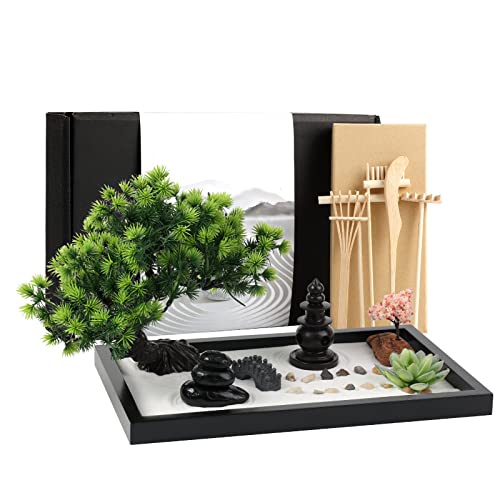
☘️【DESK ZEN GARDEN SET】 - The Japanese zen garden kit include 14 items, a black 32x20x2cm wooden tray with white zen sand, zen stacking stones, Succulents, bonsai tree and cherry blossom mini tree, pagoda and bridge, and 5 different unique meditation accessories and traditional tools; Enclosed a information booklet to help discover the history and meaning of Japanese Zen garden and its features. This Japanese Decor Bring balance and serenity to your coffee table, office desk ...

✔COMPLETE ZEN DECORATION KIT: Our mini Japanese zen sand garden kit includes all the accessories for a peacefully moment of meditation: solid wood tray 8.5 x 6.7 x 0.5 inches, white sand, bamboo rake, rocks, 2 figures. Ideal for desks, tables, countertops & more
Low Maintenance Options
- Moss: Moss thrives in shaded areas and requires little care, making it perfect for filling gaps. It adds rich texture to your garden.
- Ornamental Grasses: Varieties like fountain grass and Japanese blood grass grow well in various conditions and only need occasional trimming.
- Dwarf Conifers: These small evergreen trees maintain a neat shape without regular pruning. They offer year-round greenery and serenity.
- Succulents: Varieties such as jade plant and sedum need minimal watering and add unique shapes and colors to your garden.
- Japanese Maple: This stunning tree showcases vibrant colors in spring and autumn. Choose a dwarf variety for smaller gardens.
- Hellebores: Blooming in winter and early spring, hellebores introduce delicate flowers, adding seasonal interest to your space.
- Chrysanthemums: These fall-flowering plants bring color and texture when many other plants fade. They require sunny spots and regular watering.
- Bamboo: Fast-growing and versatile, bamboo offers lush green aesthetics. Select clumping varieties to control spread and maintain tranquility.
Selecting the right types of plants enhances the calmness and beauty of your zen garden, supporting a peaceful retreat in your outdoor space.
Sourcing Zen Garden Plants
Finding the right plants for your zen garden requires knowledge of where to look. Various sources offer a wide selection to fit your needs.
Recommended Products

Covers soil for interior plants

🍁 Iconic Japanese Maple – Acer palmatum ‘Bloodgood’ with deep red foliage spring to fall

In early spring the red edges emerge on light green leaves
Local Nurseries
Local nurseries serve as excellent places to start. They often stock a variety of plants suited for zen gardens, such as moss, Japanese maples, and dwarf conifers.
- Visit your local nursery and ask staff for recommendations on low-maintenance plants.
- Check for seasonal availability; some plants thrive in specific seasons.
- Consider buying plants already conditioned to your local climate, ensuring better growth.
Online Retailers
Online retailers provide convenience and a broader selection of zen garden plants. They often have hard-to-find varieties and unique plants.
- Search for reputable online nurseries that specialize in native or exotic plants.
- Review customer ratings to gauge plant quality and return policies.
- Use filters to narrow down options to low-maintenance or specific types like succulents.
Combining purchases from local nurseries and online retailers gives you flexibility and access to diverse options for a tranquil zen garden.
Plant Care Tips
Caring for your zen garden plants is crucial for maintaining the tranquil atmosphere you desire. Here are some essential guidelines to ensure your plants thrive.
Recommended Products

Automatic Drip Irrigation System Kit: The universal connector adapts to different tubing sizes with a secure, leak-free fit; the dual-channel connector splits a single line into two separate watering paths for multi-zone irrigation. The garden bed watering system includes 100FT 1/4" Water Pipe, Cable Ties x 24, Universal Connector x 1, Dual Channel Connector x 1, Quick Tees x 24, Sealing Tape x 1, Fixing Clips x 24, End Plus x 4, and Brass Nozzles x 24. Simply unbox and start building automatic misting system.
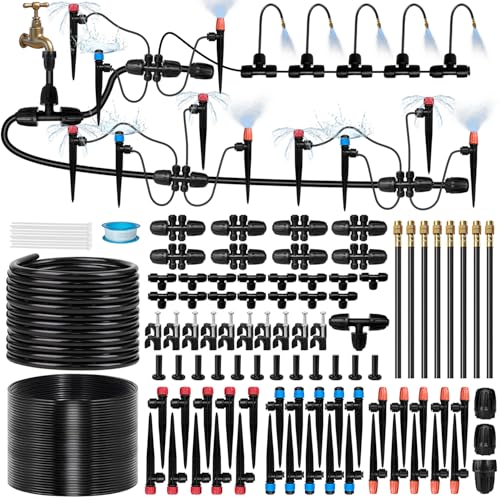
【Upgraded Tube Design & Water Saving】 Our garden watering system is upgraded to 1/2” diameter to support high water pressure. The 1/2” tee connector allows seamless splitting into 2 independent zones for customized watering schedules. By delivering moisture directly to root zones, this drip Irrigation system significantly reduces evaporation and runoff—saving more water compared to conventional sprinklers while eliminating the need for manual watering.

✔Comprehensive Drip Irrigation Kit:MIXC drip irrigation system, equipped with a versatile range of components, caters to all your garden watering needs.Includes essential parts such as 197ft 1/4'' irrigation tube, 33ft 1/2'' irrigation tube, 1/2‘’ Lock Barbed Tee connectors, drip emitter streams, vortex emitters, Blue Mist Nozzles, Quick connection tees, Faucet Connector, and more.
Watering Guidelines
Watering practices depend on the specific needs of your plants.
- Check Soil Moisture: Before watering, test the soil’s moisture level. Stick your finger about an inch deep. If it feels dry, it’s time to water.
- Water Early or Late: Water your plants in the early morning or late evening to minimize evaporation.
- Use a Drip Irrigation System: Consider using a drip irrigation system for consistent moisture. This option delivers water directly to the roots.
- Avoid Overwatering: Ensure pots or garden beds have proper drainage. Overwatering leads to root rot and unhealthy plants.
- Adjust for Seasons: Watering frequency changes with the seasons. Reduce watering in winter when many plants enter dormancy.
Soil Requirements
The right soil composition plays a vital role in supporting your zen garden plants.
- Well-Draining Soil: Choose soil that drains well. This prevents waterlogging, which can harm plant roots.
- Use a Mix: Create a mix of potting soil, sand, and perlite. This combination enhances drainage and aeration.
- Check pH Levels: Most zen garden plants prefer slightly acidic to neutral soil (pH 6.0 to 7.0). Test your soil to ensure proper pH levels.
- Add Organic Matter: Incorporate organic matter like compost or leaf mulch. This enriches the soil with nutrients and improves its structure.
- Refresh Soil Annually: Refreshing the top layer of soil each year helps replenish nutrients and maintains soil health.
Following these care tips ensures that your zen garden plants flourish, contributing to a peaceful and serene environment.
Designing Your Zen Garden
Designing a zen garden requires thoughtful planning and a sense of tranquility. Start by considering the layout and structure of your space. Follow these key guidelines for an effective design.
Choose the Right Location
- Select a quiet area that receives plenty of natural light. Look for spots away from noise and distractions.
- Observe sunlight patterns throughout the day. This helps you determine what plants will thrive.
Define Your Space
- Use rocks or wood to create boundaries for your garden. These elements help delineate different areas.
- Consider adding gravel or sand to fill in empty spaces, creating texture and enhancing the aesthetic.
Create a Focal Point
- Incorporate a water feature, such as a small pond or fountain. Water brings soothing sounds and movement.
- Use stones, sculptures, or unique plant arrangements to draw the eye and serve as a centerpiece.
Select Appropriate Plants
- Choose low-maintenance plants. Favor species like moss, ornamental grasses, and dwarf conifers, which thrive with little care.
- Group plants in odd numbers for a more natural look. For example, three Japanese maples or five succulents create visual interest.
Utilize Pathways
- Install stones, gravel, or wood chips to create pathways. These guide the viewer throughout the garden.
- Ensure pathways are wide enough for comfortable walking. Consider using curves for a relaxed, organic feel.
Embrace Minimalism
- Limit the use of ornaments and decorations. Less is often more in zen garden design.
- Focus on simplicity in plant selection and placement, allowing space for reflection and meditation.
Incorporate Raked Patterns
- Rake gravel or sand into calming patterns, like waves or ripples. This symbolizes water and adds texture.
- Regularly maintain these patterns to preserve the garden’s serene look.
Pay Attention to Seasonal Changes
- Select plants that showcase different colors and textures throughout the seasons. This keeps the garden engaging year-round.
- Incorporate seasonal features such as changing leaf colors, blooming flowers, or falling snow for added beauty.
- Use solar lights or lanterns to illuminate pathways or focal points. Soft lighting provides ambiance during nighttime.
- Ensure lighting complements the garden’s peaceful atmosphere without overwhelming the senses.
By following these guidelines, you create a zen garden that fosters peace and tranquility. Focus on the elements that resonate with you, and enjoy the process of creating your serene space.
Conclusion
Creating your zen garden can be a rewarding journey that brings peace and tranquility to your space. By carefully selecting the right plants and following simple care tips you can cultivate a serene retreat that reflects your personal style.
Don’t forget to explore both local nurseries and online options to find the perfect plants for your garden. Embrace the beauty of simplicity and let your garden evolve with the seasons.
With a little patience and attention you’ll soon have a calming oasis right in your backyard. Enjoy the process and the peaceful moments that come with nurturing your zen garden.
Frequently Asked Questions
What is a zen garden?
A zen garden, or Japanese rock garden, is a peaceful outdoor space designed for meditation and contemplation. It features elements like rocks, gravel, and minimal plants to create a serene atmosphere that promotes relaxation and reflection.
What types of plants are best for a zen garden?
Ideal plants for a zen garden include low-maintenance options such as moss, ornamental grasses, dwarf conifers, and succulents. Seasonal plants like chrysanthemums and bamboo also add beauty while maintaining tranquility.
How do I care for my zen garden?
Care for your zen garden involves regular tasks like raking gravel, weeding, watering, and pruning. Ensure proper watering practices and maintain soil quality to support healthy plant growth.
Where can I find plants for my zen garden?
You can find suitable plants for your zen garden at local nurseries, which often offer personalized recommendations. Online retailers also provide a wider selection, so consider checking customer ratings for quality.
What are key design tips for a zen garden?
To design a zen garden, choose a tranquil location, define the space with natural elements, and create focal points like water features. Embrace minimalism, utilize pathways, and incorporate seasonal changes for visual interest.

My interest in trees started when I first saw the giant sequoias in Yosemite.I was a teenager then, and I remember thinking, “I need to learn more about this.”That moment stuck with me.A few years later, I went on to study forestry at Michigan Tech.
Since graduating, I’ve worked in a mix of hands-on tree care and community education.I’ve spent over ten years helping people understand how to plant, maintain, and protect the trees in their neighborhoods.I don’t see trees as just part of the landscape.They are living things that make a real difference in our daily lives.