Are you excited to start your vegetable garden but unsure where to begin? Getting your soil ready is the first step to growing healthy plants and bountiful crops. Many gardeners overlook this crucial part, leading to disappointing results and wasted effort.
Key Takeaways
- Soil Quality is Essential: Healthy soil promotes strong root systems, enhances nutrient availability, and supports beneficial microorganisms crucial for plant growth.
- Identify Your Soil Type: Different soil types (clay, sandy, silt, loamy) require specific amendments to optimize plant growth. Conduct a simple soil ball test to identify your soil type.
- Regular Soil Testing: Testing your soil’s pH and nutrient levels helps you understand its health and informs you on necessary amendments for optimal vegetable growth.
- Enhance Soil Structure: Add organic matter like compost and use aeration techniques to improve soil texture, fertility, and overall health, ensuring better root growth and nutrient absorption.
- Choose the Right Fertilizer: Understanding your soil’s nutrient needs based on test results will guide you in selecting appropriate organic or synthetic fertilizers for your garden.
- Prepare the Planting Area: Proper tilling, breaking up clumps, and organizing planting rows or raised beds set the stage for healthy plant growth and fruitful yields.
Understanding Soil Quality
Soil quality plays a crucial role in the success of your vegetable garden. Healthy soil promotes strong root systems, enhances nutrient availability, and supports beneficial microorganisms.
The Importance of Soil Health
Soil health directly impacts plant growth. Healthy soil improves water retention, reduces erosion, and buffers against disease. Plants thriving in healthy soil are more resilient to pests and harsh weather conditions. For example, crops grown in nutrient-rich soil yield better harvests, providing you with larger and tastier vegetables.
Types of Soil and Their Characteristics
Understanding different soil types helps you determine the best amendments for your garden. Here are the primary soil types:
- Clay Soil: Dense and compact, clay soil retains moisture but drains poorly. It’s rich in nutrients but can become waterlogged. Amending with compost and sand enhances drainage.
- Sandy Soil: Light and loose, sandy soil drains quickly but doesn’t hold nutrients well. It warms up faster in spring. Mixing in organic matter helps retain moisture and adds nutrients.
- Silt Soil: Silty soil has a smooth texture and holds moisture better than sandy soil. It’s typically fertile. Adding mulch can prevent compaction and improve aeration.
- Loamy Soil: A balanced blend of clay, sand, and silt, loamy soil supports healthy plant growth and maintains moisture and nutrients effectively. It’s often considered the ideal soil for most vegetable gardens.
Identify your soil type by conducting a simple “soil ball” test: moisten a small amount of soil and mold it into a ball. The way it holds together will reveal its texture. Adjust your soil conditions based on the identified type to optimize growth for your plants.
Testing Your Soil
Testing your soil is a critical step for a successful vegetable garden. Understanding its composition helps you make informed amendments for optimal plant growth.
Recommended Products

Quick, at home results for Soil pH, Nitrogen, Phosphorous and Potash Innovative and inexpensive soil test kit features an easy-to-use capsule system and patented color comparators

Quick, at home results for Soil pH, Nitrogen, Phosphrous and Potash

Comprehensive Soil Analysis: Liquid soil test kits offer a comprehensive analysis of essential soil parameters, including pH, ammonia, nitrogen, phosphorus, and potassium. Having all these measurements in one kit provides a holistic understanding of the soil's fertility and health.
Testing Kits and Methods
You can use soil testing kits for a straightforward evaluation. These kits are available at garden centers or online. Most kits provide all necessary materials, including soil pH test strips, nutrient tests, and detailed instructions.
For more comprehensive testing, consider sending a soil sample to a local agricultural extension office. This service often analyzes soil nutrient levels, pH, and other essential factors.
Performing a simple home test, like the vinegar-baking soda method, offers quick insights into your soil’s pH. Pour vinegar on a small soil sample; if it fizzes, your soil is alkaline. If baking soda mixed with water fizzes, your soil is acidic.
Analyzing Soil pH and Nutrients
Soil pH influences nutrient availability. Most vegetables thrive in soil pH levels between 6.0 and 7.0. Test your soil regularly to monitor its pH level and adjust as needed.
Nutrient analysis reveals levels of nitrogen, phosphorus, and potassium, essential elements for plant growth.
- Nitrogen promotes leafy growth.
- Phosphorus supports root development.
- Potassium improves overall plant health.
If tests indicate deficiencies, amend your soil with appropriate fertilizers or organic materials. For instance, use compost to enrich nutrient content while enhancing soil structure.
Improving Soil Structure
Improving soil structure enhances the overall health of your vegetable garden. Healthy soil promotes root growth and ensures optimal nutrient absorption.
Recommended Products
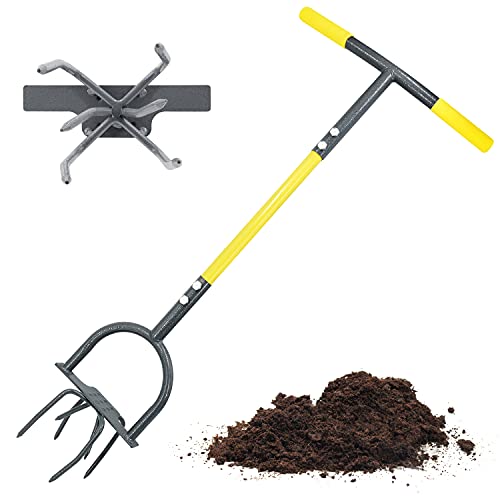
【Anti-Slip Foot Plate - Penetrate Soil with One Tread】- This manual hand tiller comes with anti-slip foot plate, maximize downward force of treading and penetrate into soil easily. The curved handle and long design reduce twisting effort and back strain, ideal for seniors or anyone with joint strain

Wider And Longer Curve Of Tines: The tine is much longer wider than market other tools, digs deeper and wider save your working time and power
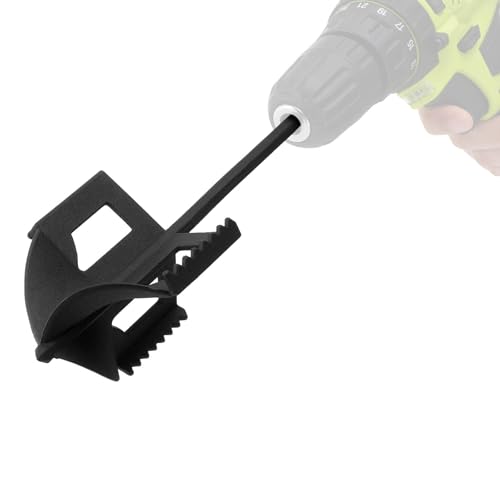
Versatile: 4-in-1 cultivator, tiller, digger, bulb planter loosens soil, weeds, plants bulbs and mixes compost, reducing extra gardening tools.
Adding Organic Matter
Adding organic matter enriches soil texture and fertility. Mix materials like compost, aged manure, or shredded leaves into your soil. Aim for a 2-4 inch layer of organic matter spread evenly across the planting area. This amendment boosts nutrient levels, enhances water retention, and supports beneficial microorganisms. Compost takes at least 3-6 months to break down, so add it ahead of planting.
Techniques for Aeration
Aerating soil improves airflow and promotes root growth. Utilize simple techniques like hand-held garden forks or mechanical tillers. Push a garden fork into the soil and rock it back and forth to create small holes. Alternatively, rent a tiller for larger areas. Aim to aerate your soil to a depth of 6-8 inches. For sandy soils, aeration encourages water retention, while clay soils benefit from improved drainage. Regular aeration—about once a year—keeps soil loose and fertile.
Fertilizing Your Soil
Fertilizing your soil boosts its nutrient content, essential for a thriving vegetable garden. Understanding how to choose the right fertilizer and knowing the differences between natural and synthetic options can maximize your garden’s potential.
Recommended Products

For more nutritious and tasty vegetables

Safe for the Environment: Non-toxic and safe for beneficial insects, pollinators, pets, and the surrounding ecosystem, promoting a healthier garden environment.

Burpee Organic All Purpose Granular Plant Food is formulated for long-lasting results
Choosing the Right Fertilizer
Selecting the appropriate fertilizer depends on your soil’s nutrient needs. Start by reviewing your soil test results to identify deficiencies in nitrogen, phosphorus, or potassium.
- Organic fertilizers: These include compost, well-aged manure, and bone meal. They improve soil structure and encourage beneficial microorganism activity.
- NPK fertilizers: These contain nitrogen (N), phosphorus (P), and potassium (K) ratios. For example, a fertilizer labeled 10-10-10 contains 10% of each nutrient, offering balanced support.
- Slow-release fertilizers: These gradually release nutrients, providing a steady supply to your plants over time. They reduce the risk of nutrient runoff and minimize the frequency of application.
Choose a fertilizer that aligns with your garden’s specific requirements for healthy plant growth.
Natural vs. Synthetic Options
Deciding between natural and synthetic fertilizers involves weighing benefits against potential drawbacks.
- Natural fertilizers:
- Improve soil health over time, fostering a sustainable ecosystem.
- Release nutrients slowly, reducing the risk of nutrient burn in plants.
- Examples include compost, which adds organic matter, and fish emulsion, which provides quick nitrogen boosts.
- Synthetic fertilizers:
- Deliver nutrients more quickly, making them useful for immediate plant needs.
- Offer precise control over nutrient ratios, allowing tailored applications.
- However, they can lead to nutrient runoff and degrade soil health with prolonged use.
Consider your gardening goals and the environmental impact when selecting between natural and synthetic fertilizers. Each option has its merits, so understanding their effects ensures you choose appropriately for your vegetable garden.
Prepping the Planting Area
Preparing your planting area is crucial for a successful vegetable garden. This process ensures the soil is ready for planting, fostering robust growth and fruitful yields.
Tilling and Breaking Up Clumps
Tilling loosens the soil, which improves aeration and promotes root growth. Use a garden tiller or a hand fork to mix organic matter into the soil. Aim for a depth of about 6-12 inches to incorporate nutrients effectively.
Break up any large clumps of soil. Ideally, the soil should feel crumbly, as this allows water and air to penetrate easily. If soil is too compacted, consider double-digging. This involves digging out a trench, loosening the soil at the bottom, and adding organic matter before moving to the next trench.
Creating Rows and Beds
Creating rows or raised beds helps organize your planting area and improves drainage. For traditional rows, space them at least 3 feet apart. This width allows easy access for maintenance and harvesting.
Raised beds, typically about 12-18 inches high, offer excellent drainage and warming for early planting. Construct your raised beds with rot-resistant wood or stones, measuring at least 4 feet wide for easy reaching.
Label each section or row with plant names or varieties. This practice keeps your garden organized and helps track growth and maintenance.
Conclusion
Getting your soil ready for a vegetable garden is a rewarding journey that sets the stage for healthy plants and bountiful harvests. By understanding your soil type and making the right amendments you can create an environment where your vegetables thrive. Regular testing and incorporating organic matter will ensure your soil remains nutrient-rich and well-structured.
Don’t forget to aerate and till your soil to promote healthy root growth and improve drainage. With a little effort and attention to detail your garden will flourish. So roll up your sleeves and enjoy the process of nurturing your soil. Happy gardening!
Frequently Asked Questions
Why is soil preparation important for a vegetable garden?
Preparing soil is crucial for a vegetable garden as it influences plant growth and harvest quality. Healthy soil supports strong root systems, improves nutrient availability, and helps retain moisture. Neglecting soil preparation can lead to poor plant performance and lower yields.
What are the different types of soil?
The four main soil types are clay, sandy, silt, and loamy. Each type has unique characteristics, such as drainage capabilities and nutrient retention. Understanding your soil type helps in making effective amendments for better plant growth.
How can I test my soil quality?
You can test your soil quality using soil testing kits available at garden centers or online. For a quick assessment, perform a home test using vinegar and baking soda to check pH. For comprehensive analysis, send a sample to a local agricultural extension office.
What are the benefits of adding organic matter to soil?
Adding organic matter, like compost or aged manure, improves soil structure, fertility, and moisture retention. It fosters beneficial microorganisms, boosts nutrient levels, and enhances overall soil health, leading to better plant growth.
How often should I aerate my garden soil?
Aerating your garden soil is recommended at least once a year. Regular aeration improves airflow, promotes root growth, and prevents soil compaction. Specific techniques may vary based on soil type—sandy vs. clay soils—to optimize air and water penetration.
What type of fertilizer should I use for my vegetable garden?
Choose fertilizers based on your soil test results. Organic fertilizers enhance soil structures while providing nutrients slowly, whereas synthetic options deliver nutrients quickly. Always consider the environmental impact and nutrient needs of your plants when selecting fertilizers.
How do I prepare the planting area for my vegetable garden?
To prepare your planting area, till the soil to improve aeration and nutrient incorporation. Break up large clumps to create a crumbly texture for better water permeability. You may also consider creating rows or raised beds for organization and drainage.

My interest in trees started when I first saw the giant sequoias in Yosemite.I was a teenager then, and I remember thinking, “I need to learn more about this.”That moment stuck with me.A few years later, I went on to study forestry at Michigan Tech.
Since graduating, I’ve worked in a mix of hands-on tree care and community education.I’ve spent over ten years helping people understand how to plant, maintain, and protect the trees in their neighborhoods.I don’t see trees as just part of the landscape.They are living things that make a real difference in our daily lives.