Have you ever looked at your garden and wished those plants would grow just a little faster? You’re not alone. Many gardeners face the frustration of watching their hard work take longer than expected to pay off. Whether you’re a seasoned pro or just starting out, it’s easy to feel impatient when you’re eager for vibrant blooms or fresh veggies.
Key Takeaways
- Understand Growth Factors: Key elements like sunlight, soil quality, and proper watering techniques are crucial for accelerating plant growth.
- Optimize Sunlight Exposure: Ensure plants receive at least 6-8 hours of direct sunlight daily, positioning sun-loving plants in bright areas.
- Improve Soil Quality: Regularly test and enrich your soil with organic matter like compost for enhanced nutrient availability and drainage.
- Adopt Effective Watering Techniques: Water deeply and at appropriate times to encourage root growth, adjusting frequency based on weather conditions.
- Implement Pruning and Fertilization: Use proper pruning methods and timely fertilization strategies to support plant health and productivity.
- Utilize Technology: Incorporate smart gardening tools and mobile apps to monitor conditions and manage garden tasks efficiently for optimal growth.
Understanding Plant Growth Factors
Understanding the factors that influence plant growth can significantly enhance your gardening success. Key elements such as sunlight, soil quality, and watering techniques play crucial roles in how quickly your garden thrives.
Sunlight Requirements
Sunlight directly affects plant growth speeds. Most plants require at least 6-8 hours of direct sunlight daily. For optimal growth, place sun-loving plants like tomatoes and peppers in bright locations. Alternatively, shade-tolerant plants like ferns and hostas flourish in lower light. Monitoring sun exposure throughout the day helps ensure plants receive adequate light.
Soil Quality and Composition
Soil quality impacts nutrient availability, drainage, and root health. Good soil is rich in organic matter, contains a balance of sand, silt, and clay, and drains well to prevent waterlogged roots. Conducting a soil test reveals pH levels and nutrient deficiencies. Adding compost enhances soil structure and fertility. For instance, incorporating a mix of peat moss, vermiculite, and compost boosts growth in many plants.
Watering Techniques
Effective watering techniques promote rapid growth. Aim for deep watering sessions so roots reach moisture below the surface. Water early in the morning to reduce evaporation and fungal diseases. Consider using a drip irrigation system to deliver consistent moisture directly to roots. Adjust frequency based on weather and plant needs. For example, potted herbs may require more frequent watering than perennial flowers in the ground.
Essential Gardening Techniques
You can accelerate your garden’s growth by employing several essential techniques. Focusing on proper methods guarantees healthier plants and a more vibrant garden.
Recommended Products

AMBIDEXTROUS DESIGN: Pruner shape is designed for both right and left-handed use while pruning indoor & outdoor plants such as shrubs, ornamental trees, vines, & flowers like roses; SoftGrip handle reduces hand fatigue & enhances comfort and control

What Makes VT-C800 Unique? Ever-Sharp Teflon-Coated SK5 Blades | Jam-Proof Sealed Spring | Ambidextrous Thumb Lock | Backed by Lifetime Support

DUAL CUTTING POWER: VERSATILE PRUNING COMBO --- With both Pruning Shears and Pruning Snip, this combo delivers unmatched versatility. Whether you're delicately trimming flowers and shrubs, tackling thicker tree branches, or tending to your vegetable and fruit garden, our combo pack excels in all areas. They're also perfect for landscaping projects and maintaining the health and appearance of indoor plants. With this pack, you have a versatile tool that simplifies your gardening tasks.
Proper Pruning Methods
Pruning encourages rapid growth by removing dead or unhealthy branches. It benefits plants by improving airflow and light penetration. Ensure you:
- Use sharp, clean tools to prevent disease.
- Trim during the plant’s dormant season for optimal recovery.
- Make clean cuts at a 45-degree angle to promote healing.
For example, cutting back rose bushes in early spring enhances blooming. Regularly check plants for overgrowth, and avoid heavy pruning on new plants to prevent stress.
Fertilization Strategies
Fertilization supplies essential nutrients that support plant growth. Choose the right fertilizer based on your plants’ specific needs. To fertilize effectively:
- Test your soil to understand nutrient levels.
- Apply a balanced fertilizer, such as a 10-10-10 NPK mix, for general use.
- Follow package instructions for application frequency and amount.
For vegetable gardens, use compost or organic fertilizers like fish emulsion every few weeks. Observe plant health and adjust your strategy based on growth patterns or deficiencies.
Mulching Benefits
Mulching conserves moisture, suppresses weeds, and regulates soil temperature. It also enriches the soil as it decomposes. To mulch properly:
- Choose organic materials like straw, wood chips, or shredded leaves.
- Apply a 2-4 inch layer around plants, avoiding contact with stems.
- Replenish as necessary since organic mulch breaks down over time.
For example, using mulch in vegetable gardens can reduce watering frequency by retaining moisture. You’ll notice healthier plants and less competition from weeds, promoting faster growth.
Pest and Disease Management
Pest and disease management plays a vital role in ensuring your garden grows quickly and healthily. By addressing these issues promptly, you can protect your plants and promote faster growth.
Recommended Products
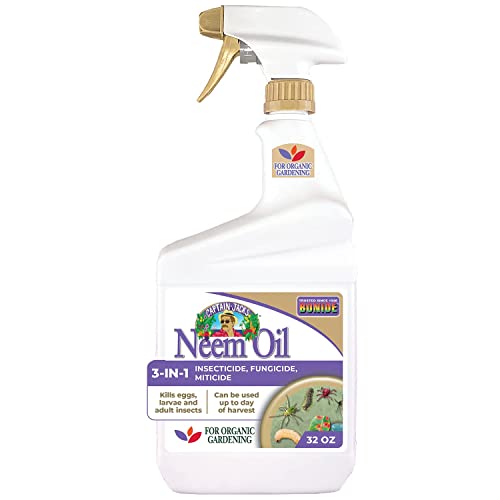
Protect your oasis with 3 garden products in 1 from Captain Jack’s; Bonide Captain Jack’s Ready-to-Use Neem Oil spray for plants is a multi-purpose fungicide, insecticide and miticide for your lawn & garden

FUNGAL DISEASE CONTROL: Prevents and controls black spot on roses, powdery mildew, rust, downy mildew, and other listed fungal diseases when applied on a 7–14 day schedule
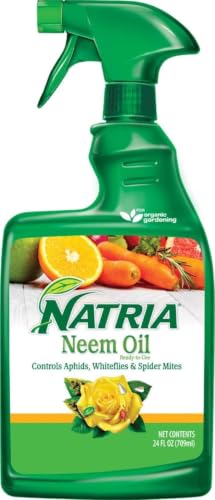
PLANT DISEASE CONTROL: Natria Neem Oil acts as an insecticide and fungicide in one convenient spray; Ready-to-use trigger sprayer requires no mixing
Identifying Common Pests
Identifying common pests helps you take action before they cause serious damage. Look for:
- Aphids: Small, soft-bodied insects that cluster on new growth, sucking sap and causing leaves to curl.
- Spider Mites: Tiny pests that create webbing on the undersides of leaves, leading to discolored or stippled foliage.
- Caterpillars: Larvae of moths and butterflies that eat leaves, often leaving behind holes and ragged edges.
- Whiteflies: Small, white flying insects that feed on plant sap and can spread diseases.
Regularly inspecting your plants for these pests allows you to spot infestations early.
Organic Pest Control Options
Organic pest control options provide effective solutions without harmful chemicals. Consider these methods:
- Neem Oil: This natural insecticide disrupts the life cycle of various pests. Mix it with water according to package directions and spray on affected plants.
- Insecticidal Soap: Use this spray to suffocate soft-bodied insects like aphids and spider mites. Apply it directly to the pests, covering all surfaces.
- Companion Planting: Plant certain species together to deter pests. For instance, marigolds can help repel nematodes and other harmful insects.
- Handpicking: Remove larger pests like caterpillars by hand. Do this early in the morning or late in the evening when they’re most active.
Implementing these organic methods ensures a healthier garden environment, contributing to faster growth and abundant yields.
Utilizing Technology in Gardening
Technology plays an essential role in enhancing your gardening experience and promoting faster growth for your plants. By adopting smart gardening tools and utilizing mobile applications, you can maximize your garden’s potential.
Recommended Products

Smart Irrigation Control Anywhere: The Orbit B-hyve Indoor Smart Sprinkler Controller provides smart sprinkler timer functionality for efficient yard irrigation

Indoor/Outdoor WiFi sprinkler timer puts control of your sprinkler system in the palm of your hand with intuitive Rain Bird mobile app

12 ZONE CONTROL FOR COMPLETE LANDSCAPE COVERAGE: Easily manage up to 12 irrigation zones with precision. Ideal for residential yards, commercial properties, or multi-zone setups that require tailored watering.
Smart Gardening Tools
Smart gardening tools combine technology with traditional gardening practices. These tools help you manage your garden more efficiently and effectively.
- Soil Moisture Sensors: Place these sensors in your garden to monitor soil moisture levels. They provide real-time data, allowing you to water precisely when necessary and prevent overwatering.
- Smart Irrigation Systems: These systems adjust watering schedules based on weather data. By using them, you conserve water while ensuring your plants receive adequate moisture.
- Digital Thermometers and Hygrometers: Track temperature and humidity levels in your garden. Accurate environmental data helps you make informed decisions about when to plant and how to care for your plants.
- Garden Drones: Use drones for surveying large gardens or landscaping projects. They capture images of your plants, helping you identify areas needing attention or modifications.
Apps for Garden Management
Mobile applications streamline garden management, allowing you to track progress, schedule tasks, and gain insights.
- Plant Care Apps: Download apps that provide specific care instructions for different plant species. These apps offer tailored reminders for watering, fertilizing, and pruning.
- Garden Planning Software: Utilize planning software to design your garden layout. These tools help you visualize plant placements, ensuring optimal growth based on sunlight exposure and spacing requirements.
- Pest Identification Apps: Use apps with image recognition features to identify pests and diseases. Quick identification enables you to take immediate action, protecting your plants and promoting faster recovery.
- Weather Tracking Apps: Stay updated on local weather conditions. Knowing forecasts allows you to plan outdoor tasks, improving your chance for success.
Embracing technology in gardening not only saves time and effort but also significantly boosts your garden’s growth potential.
Conclusion
Getting your garden to grow faster is all about understanding the essentials and making smart choices. By optimizing sunlight exposure improving soil quality and using effective watering techniques you can create an environment where your plants thrive.
Don’t forget the importance of proper pruning and fertilization to keep everything healthy. Managing pests and diseases early on will also help prevent setbacks.
With a little patience and the right tools you can enjoy a vibrant garden that flourishes in no time. Happy gardening!
Frequently Asked Questions
Why do plants grow slowly sometimes?
Slow plant growth can be attributed to several factors, including insufficient sunlight, poor soil quality, and inadequate watering. Most plants require 6-8 hours of direct sunlight daily, and nutrient-rich, well-draining soil is vital for root health. Additionally, improper watering techniques can hinder growth by either overwatering or underwatering. Understanding these elements can significantly improve plant development.
How can I improve my soil quality for better plant growth?
To improve soil quality, start by testing its nutrient levels. Incorporate organic matter like compost or well-rotted manure to enhance fertility and drainage. You can also add mulch to retain moisture and suppress weeds. Regularly aerating the soil promotes root health and allows oxygen to reach plant roots effectively, leading to stronger, healthier plants.
What are the best watering techniques for my garden?
Deep watering early in the morning is the most effective technique, allowing moisture to penetrate deep into the soil. Adjust your watering frequency based on the type of plants and current weather conditions. Check soil moisture with your finger; if it feels dry an inch below the surface, it’s time to water. This method promotes healthy root systems.
How can pruning help my garden grow faster?
Pruning involves removing dead or unhealthy branches, which improves airflow and light penetration, both essential for plant growth. Using sharp tools to make clean cuts reduces the chance of disease. This practice not only promotes quicker growth but also shapes the plant for better form and structure, leading to a more vibrant garden.
What fertilization strategies should I consider?
Start by testing your soil to determine its nutrient needs. Use balanced fertilizers or organic options based on your plant types. Fertilizers should be applied during the growing season, usually in spring and early summer. Ensure you follow the recommended application rates to avoid nutrient burn and promote healthier, faster plant growth.
How does mulching benefit my garden?
Mulching conserves moisture, suppresses weeds, and regulates soil temperature, leading to healthier plants. Use organic materials like shredded leaves or straw, applying them in layers of 2-4 inches. Regularly maintain mulch layers to ensure optimum effectiveness, promoting a well-hydrated and nutrient-rich growing environment.
What are some good pest control methods for my garden?
Implement regular inspections to identify pests early, such as aphids and spider mites. Organic pest control methods include neem oil, insecticidal soap, and companion planting. Handpicking pests can also be effective. Utilizing these methods creates a healthier garden environment and reduces chemical use, supporting both faster plant growth and abundance.
How can technology enhance my gardening experience?
Smart gardening tools like soil moisture sensors, smart irrigation systems, and garden planning apps help manage gardens efficiently. These technologies automate watering and provide valuable data, making it easier to monitor plant health. Embracing such tools not only saves time but also promotes faster growth and increased yields in your garden.

My interest in trees started when I first saw the giant sequoias in Yosemite.I was a teenager then, and I remember thinking, “I need to learn more about this.”That moment stuck with me.A few years later, I went on to study forestry at Michigan Tech.
Since graduating, I’ve worked in a mix of hands-on tree care and community education.I’ve spent over ten years helping people understand how to plant, maintain, and protect the trees in their neighborhoods.I don’t see trees as just part of the landscape.They are living things that make a real difference in our daily lives.