Have you ever wished you could easily access natural remedies right in your backyard? Growing a medicinal garden not only provides you with fresh herbs but also empowers you to take charge of your health. Imagine stepping outside to pick a handful of basil for your pasta or chamomile to brew a calming tea.
Key Takeaways
- Understanding Medicinal Plants: Growing a medicinal garden provides easy access to natural remedies, empowering better health management through fresh herbs.
- Benefits of Medicinal Gardens: Key advantages include immediate accessibility, cost savings on herbal remedies, enhanced health control, sustainable practices, and educational opportunities about plant properties.
- Popular Medicinal Plants: Consider cultivating varieties like peppermint, echinacea, lavender, aloe vera, and chamomile for their health benefits and contributions to garden aesthetics.
- Planning and Location: An optimal garden location with at least six hours of sunlight and proper drainage is essential for successful growth; thoughtful layout maximizes space and plant health.
- Soil Preparation and Organic Practices: Test and amend soil to ensure fertility and drainage; adopt organic gardening methods, including crop rotation and natural pest control, for healthier plants.
- Harvesting and Utilizing Plants: Harvest at the right time for maximum potency, and use various preparation methods such as drying, infusing, or creating ointments to enjoy the full benefits of your medicinal garden.
Understanding Medicinal Plants
Medicinal plants provide numerous benefits that enhance health and well-being. Growing these plants in your garden allows you to harness natural remedies easily.
Benefits of Medicinal Gardens
Medicinal gardens offer several advantages, including:
- Accessibility: You can gather fresh herbs and plants right from your backyard whenever you need them.
- Cost Savings: Growing your own medicinal plants reduces the cost of purchasing herbal remedies and supplements.
- Health Control: Cultivating specific plants helps you directly manage your health and wellness through natural means.
- Sustainability: Medicinal gardens promote sustainable practices, reducing your carbon footprint and reliance on commercial products.
- Education: Gardening fosters knowledge about plant properties and their benefits, empowering you with valuable skills.
Popular Medicinal Plants to Grow
Cultivating a variety of medicinal plants can enhance your garden and health. Consider these popular choices:
- Peppermint: Excellent for digestive issues and headaches, peppermint thrives in sunny spots.
- Echinacea: Known for supporting the immune system, it attracts pollinators, promoting biodiversity in your garden.
- Lavender: This fragrant plant aids in relaxation and sleep; it prefers well-drained soil and full sunlight.
- Aloe Vera: Effective for soothing skin irritations, aloe vera requires minimal care and can grow indoors or outdoors.
- Chamomile: Beneficial for calming nerves and aiding digestion, chamomile needs sunny locations for optimal growth.
These plants not only provide health benefits but also create a beautiful and functional garden space.
Planning Your Medicinal Garden
Planning your medicinal garden ensures an efficient and enjoyable growing experience. Consider key factors like location and layout to maximize your yields and benefits.
Recommended Products
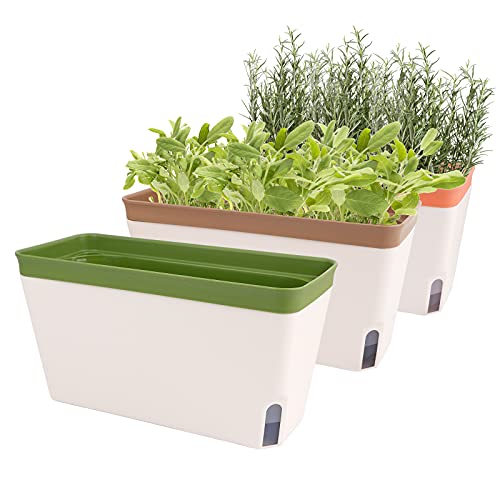
SELF-WATERING PRINCIPLE: Through two absorbent cotton ropes, the self watering pots provide water to the soil and keep the soil moist through the principle of osmosis, without having to water the plants regularly. Even if you leave home for a few days, it can help you take care of the plants and avoid plants die from water shortage.
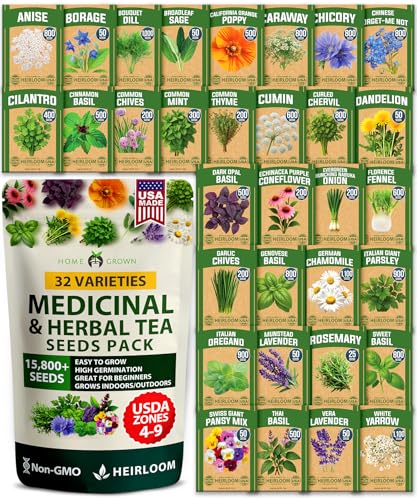
GROW YOUR OWN WELLNESS GARDEN – Cultivate 32 MEDICINAL HERB SEEDS and TEA HERBS for natural wellness.Open-Pollinated Heirloom Seeds (USA): Non-GMO, Untreated, High Germination Rate. The concentrated power of traditional aromatic herbs. The ideal balance of crops for crafting elite tea blends and botanical extracts. Eco-segment.

【Indoor Herb Garden】Experience the joy of gardening with our specialized indoor herb planter. This set includes a planter with a tray but does not come with plants and seeds. Designed specifically for herb cultivation, these planters can be used both indoors and outdoors. Crafted from durable metal with a sleek, glossy white finish, they blend functionality with a farmhouse style to enhance your living space.
Choosing the Right Location
Choosing the right location is crucial for your garden’s success. Look for a spot that receives at least six hours of sunlight daily. This light is essential for most medicinal plants. Examine the soil quality and ensure good drainage. Avoid areas prone to flooding or standing water. Access to water is also important; proximity to a hose or watering source simplifies maintenance. If space is limited, consider container gardening on patios or balconies.
Designing Your Garden Layout
Designing your garden layout involves optimizing space and plant health. Arrange taller plants, like echinacea, at the back and shorter herbs, like chamomile, in the front for easy access. Utilize raised beds for better drainage and to deter pests. Consider companion planting; herbs like basil repel pests that may harm plants like cilantro or peppermint. Group plants with similar watering and sunlight needs together to streamline care. Using labels to mark each plant can help you remember their medicinal uses and growth requirements.
With a thoughtful plan, your medicinal garden can flourish and provide health benefits year-round.
Soil and Gardening Techniques
Proper soil preparation and effective gardening techniques are crucial for a thriving medicinal garden. Healthy plants start with nutrient-rich soil and suitable gardening practices that promote growth.
Recommended Products

Quick, at home results for Soil pH, Nitrogen, Phosphorous and Potash Innovative and inexpensive soil test kit features an easy-to-use capsule system and patented color comparators

KNOW BEFORE YOU GROW | Grow the healthiest, sustainable lawn and garden with the most accurate and easy to use professional soil test kit on the market

Comprehensive Soil Analysis: Liquid soil test kits offer a comprehensive analysis of essential soil parameters, including pH, ammonia, nitrogen, phosphorus, and potassium. Having all these measurements in one kit provides a holistic understanding of the soil's fertility and health.
Preparing the Soil
Begin by testing your soil’s pH and nutrient levels. Most medicinal herbs prefer slightly acidic to neutral soil, with a pH range of 6.0 to 7.0. Use a simple soil testing kit available at garden centers.
After testing, amend the soil as needed. Incorporate organic matter, such as compost or well-rotted manure, to improve fertility and drainage. Aim for a soil depth of at least 12 inches for adequate root growth.
Next, work the soil using a garden fork or tiller to ensure it’s loose and aerated. Remove debris, rocks, and weeds. Level the surface for an even planting area.
Organic Gardening Practices
Organic gardening practices promote healthy plant growth while protecting the environment. Start by choosing organic seeds or seedlings from reputable sources.
Implement crop rotation to reduce pest and disease buildup in the soil. Alternate the types of plants you grow in a specific area each year for optimal soil health.
Use natural pest control methods, like introducing beneficial insects, such as ladybugs, and applying organic solutions, like neem oil, for pest management.
Mulching helps retain moisture and suppress weed growth. Use straw, wood chips, or shredded leaves as mulch around your plants.
Water your plants appropriately, focusing on deep, infrequent watering to encourage roots to grow deeper. Always water in the morning to reduce evaporation.
By focusing on soil quality and employing organic practices, your medicinal garden can thrive, yielding beneficial herbs for your health and well-being.
Planting and Maintenance
Planting and maintaining your medicinal garden involves specific techniques to ensure robust plant health and productivity. Following these practices helps you reap the benefits of your herb garden effectively.
Recommended Products

【Seed Starter Tray with Heat Mat】 Upgraded seed starter kit with heat mat. Steady 104°F (40°C) warmth goes straight to the soil. Speeds up seed germination. Promotes stronger roots. No more waiting for seeds to wake up. Unlike ordinary heating mats, our waterproof seedling heat mat keeps working even after accidental spills and moisture. No short circuits, no damage, you can water without worry and your seedlings stay warm and safe. Consistent heat, faster sprouts, happy seedlings.
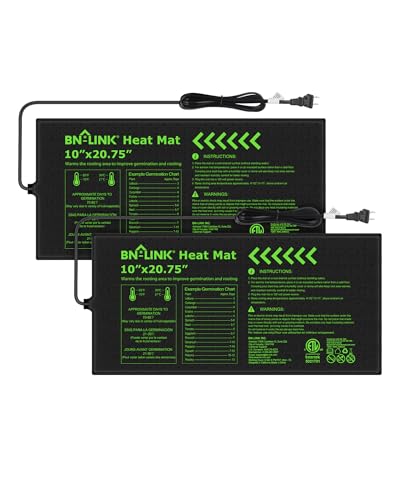
IDEAL GERMINATION TEMPERATURE: The BN-LINK seedling heat mats for seed starting helps maintain temperatures around 70°F to 85°F, the optimal range for seed germination, cutting propagation, and healthy seedling growth. Achieve faster germination and higher growth rates with seed heating mat.
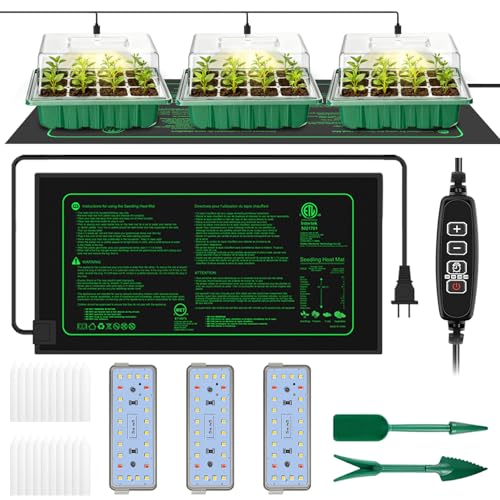
🌱【Most Suitable Temperature】The Durable Seedling Hydroponic Heat Mat provides consistent, uniform heating at temperatures around 70°F to 85°F (24℃ to 30℃), which are the perfect temperatures for seed starting and cutting propagation.High-quality plastic is reusable, recyclable. The seed starter trays are divided into equal 1.96" squares in 1.85" depth for your small or large seeds for flowers, vegetables, fruits, succulents and other plants. It is designed with the proper size holes to allow drainage, while the bottom seedling trays retains overflow water to prevent leaking.
Seed Starting and Planting Techniques
Starting seeds indoors gives your plants a head start. Use seed trays filled with seed-starting mix, and place them in a warm spot. Keep the soil moist but not soggy. When seedlings have two sets of true leaves, they’re ready for transplanting.
Transplant outdoors when nighttime temperatures are consistently above 50°F. Space plants according to their specific requirements, typically 12 to 18 inches apart. Dig holes slightly larger than the root balls and gently place the plants in, filling in around them with soil. Press down lightly to eliminate air pockets.
Consider succession planting for a continuous supply of herbs throughout the growing season. For example, sow basil seeds every few weeks for a steady harvest. Labeling plants as you grow them provides clarity on which herbs are where.
Watering and Fertilizing
Water your medicinal garden consistently, aiming for about 1 inch of water per week, depending on weather conditions. Early morning is the best time to water, as it reduces evaporation and fungal diseases.
Fertilize your herbs with an organic fertilizer that suits their needs. Use a balanced fertilizer during the growing season every four to six weeks. For instance, a fish emulsion or compost tea works well for most herbs. Dilute fertilizers properly to prevent root burn.
Mulching around plants helps conserve moisture and suppress weeds. Use organic materials like straw or wood chips. This practice not only enhances soil structure but also contributes nutrients as they decompose.
Harvesting and Using Medicinal Plants
Harvesting your medicinal plants at the right time maximizes their potency and effectiveness. This section covers when to harvest and methods for preparation, helping you make the most of your garden.
When to Harvest
Timing is key for harvesting medicinal plants. Generally, you should consider the following:
- Leaves: Harvest leaves just before the plant flowers for maximum oil concentration.
- Flowers: Collect flowers when they are fully open. This period contains the highest levels of active compounds.
- Stems: Cut stems in the morning after dew has dried but before the sun is too hot. This timing ensures maximum moisture retention.
- Roots: Wait until autumn for root plants. This is when nutrients concentrate and the plant is less active.
Regularly check your plants for signals indicating when to harvest. Signs include vibrant colors, aromatic scents, or when a plant approaches its peak growth.
Methods of Preparation
Preparing medicinal plants correctly ensures you retain their healing properties. Here are some methods you can use:
- Drying: Hang herbs upside down in a dry, dark, and well-ventilated area. This method conserves essential oils. Once dry, store in airtight containers.
- Infusing: Use dried leaves for infusions. Steep them in hot water for 5-10 minutes. This technique extracts flavors and benefits.
- Tinctures: Combine chopped herbs with alcohol in a jar, sealing it tightly. Shake daily for 2-6 weeks, then strain the mixture. Store in a dark bottle.
- Ointments: Simmer fresh herbs in a base oil (like olive oil) for a few hours, strain, and mix with beeswax. This creates a soothing ointment for skin applications.
Utilizing these methods allows you to enjoy fresh, potent remedies from your garden. Each preparation enhances the unique properties of your chosen plants, putting the power of nature in your hands.
Conclusion
Growing a medicinal garden is a rewarding journey that brings health and wellness right to your doorstep. By nurturing these plants you’re not only enhancing your garden’s beauty but also empowering yourself with natural remedies.
With a little planning and care you can create a thriving space filled with herbs that support your health and well-being. Remember to enjoy the process and learn as you go.
So grab your gardening tools and start cultivating your own little slice of nature’s pharmacy. Your body and mind will thank you for it!
Frequently Asked Questions
What are the benefits of a medicinal garden?
A medicinal garden provides easy access to fresh herbs for natural remedies, empowering individuals to manage their health. It offers cost savings on herbal treatments, enhances sustainability, promotes education about plants, and allows for a personal sanctuary of beauty and utility in your own backyard.
Which herbs are best to grow in a medicinal garden?
Popular herbs for a medicinal garden include peppermint for digestion, echinacea for immunity, lavender for relaxation, aloe vera for skin care, and chamomile for calming nerves. These plants offer health benefits while adding aesthetic appeal to your garden.
How do I plan my medicinal garden?
Choose a location with at least six hours of sunlight, good soil quality, and easy access for watering. Design your garden by placing taller plants at the back and shorter ones in front. Raised beds and companion planting can enhance growth and maintenance.
What soil preparation is needed for a medicinal garden?
Proper soil preparation involves testing pH and nutrient levels, amending soil with organic matter, and ensuring at least 12 inches of depth for root development. Focusing on soil quality is essential for a thriving medicinal garden.
How should I care for my medicinal plants?
Start seeds indoors, transplant when temperatures are above 50°F, and ensure proper spacing. Water consistently—about 1 inch per week—and use organic fertilizers every four to six weeks. Mulching helps retain moisture and suppress weeds.
When is the best time to harvest medicinal herbs?
The ideal times to harvest vary by plant. Generally, pick leaves before flowering, harvest blossoms when fully open, stems in the morning, and roots in the autumn. Regularly check for readiness to maximize potency.
How can I use the herbs I grow?
You can use your herbs by drying them, infusing them in oils, making tinctures, or creating ointments. Each method preserves the healing properties, allowing you to enjoy potent, natural remedies from your garden.

My interest in trees started when I first saw the giant sequoias in Yosemite.I was a teenager then, and I remember thinking, “I need to learn more about this.”That moment stuck with me.A few years later, I went on to study forestry at Michigan Tech.
Since graduating, I’ve worked in a mix of hands-on tree care and community education.I’ve spent over ten years helping people understand how to plant, maintain, and protect the trees in their neighborhoods.I don’t see trees as just part of the landscape.They are living things that make a real difference in our daily lives.