Are you tired of struggling to grow healthy plants in your garden? Poor soil might be the culprit. Many gardeners face this challenge, leading to frustration and failed crops. But don’t worry—improving your soil can make a world of difference.
Key Takeaways
- Understanding soil composition is essential for gardening success, as good soil provides necessary nutrients, water retention, and drainage.
- The ideal soil mix consists of sand, silt, and clay, resulting in loamy soil that supports healthy plant growth.
- Regular soil testing helps identify current soil quality and informs necessary adjustments for optimal plant health.
- Adding organic matter, such as compost, significantly improves soil structure and nutrient content while enhancing moisture retention.
- Utilizing soil amendments based on test results allows for tailored adjustments to pH and nutrient availability, fostering a thriving garden.
- Practices like crop rotation and mulching promote sustainable soil health, preventing nutrient depletion and supporting moisture retention.
Understanding Soil Composition
Soil composition plays a vital role in gardening success. Good soil provides plants with essential nutrients, adequate water retention, and proper drainage.
Recommended Products

Quick, at home results for Soil pH, Nitrogen, Phosphorous and Potash Innovative and inexpensive soil test kit features an easy-to-use capsule system and patented color comparators

KNOW BEFORE YOU GROW | Grow the healthiest, sustainable lawn and garden with the most accurate and easy to use professional soil test kit on the market

PROFESSIONAL-GRADE ACCURACY: Engineered specifically for soil pH testing, delivering results quickly (in about 60 seconds). With a 3rd Generation, 3-pad ph tester strips design, our soil ph test kit ensures consistent, repeatable results for all your lawn, landscape and garden needs.
Components of Good Soil
Good soil consists of three main components:
- Sand: Sand particles are large and help with drainage. Your garden needs some sand to prevent waterlogging.
- Silt: Silt particles are medium-sized and retain moisture and nutrients. A balance between silt and sand promotes healthy root growth.
- Clay: Clay particles are small and can hold moisture and nutrients well, but they can compact, leading to poor drainage. A mix of clay, sand, and silt creates loam, which is ideal for gardening.
You can improve your soil with organic matter, like compost, which adds nutrients and improves texture. A soil test can determine your soil’s composition, informing you on how to adjust it.
Importance of Soil Quality
Soil quality directly affects plant growth. High-quality soil supports healthy root development, promotes nutrient absorption, and retains moisture during dry periods.
Healthy soil improves biodiversity, supporting beneficial microorganisms and insects, which contribute to a thriving ecosystem. It also prevents erosion and enhances water infiltration, making your garden resilient to extreme weather.
To evaluate soil quality, check for texture, color, and drainage. A darker color often indicates higher organic matter content, while gritty texture may indicate better drainage. Regular testing helps monitor changes and maintain soil health, ensuring successful gardening.
Assessing Your Current Soil
Understanding your current soil is key for creating a productive garden. This assessment helps in identifying what improvements are necessary for optimal plant growth.
Recommended Products

Comprehensive Soil Analysis: Liquid soil test kits offer a comprehensive analysis of essential soil parameters, including pH, ammonia, nitrogen, phosphorus, and potassium. Having all these measurements in one kit provides a holistic understanding of the soil's fertility and health.

✅ 1Dial & 1 LCD Screen - Replace/install all 3 batteries each time. Put button to %RH/°F to - Turn On, and put to LIGHT to - Turn Off. Read the LCD results in 3-5 mins. (Not Water Moisture Meter, so, please don't test liquid)
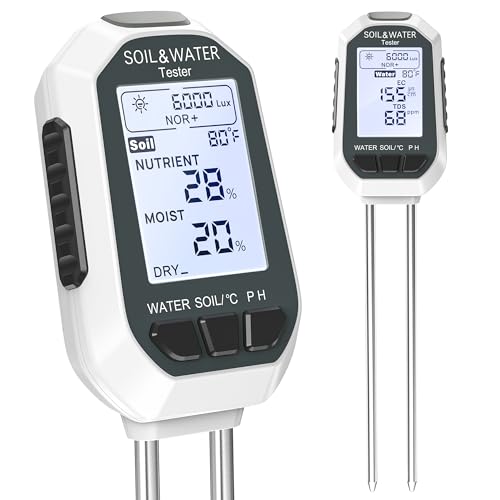
【7-in-1 Features】This is a 7-in-1 multi-function soil tester. Our soil tester quickly measures soil moisture, pH, temperature and light intensity, and its fertility function helps you take better care of your plants. With this device you can measure the soil moisture, pH, temperature and light intensity for your plants and with the EC and TDS functions you will know when it is time to water the soil.
Soil Testing Methods
Start by testing your soil to gain insights into its composition and nutrient levels.
- DIY Testing Kits: Purchase a soil test kit from a garden center. These kits typically measure pH, nitrogen, phosphorus, and potassium levels. Follow the instructions for collecting and testing soil samples.
- Laboratory Analysis: For more in-depth analysis, consider sending soil samples to a local agricultural extension service or testing laboratory. They’ll provide detailed reports on nutrient content and recommendations for amendments.
- Visual Tests: Conduct a simple jar test. Mix soil with water in a clear jar, shake it, and let it settle. Observe the layers that form; this offers insight into your soil’s texture, indicating the proportions of sand, silt, and clay.
Identifying Soil Types
Recognizing your soil type aids in understanding its strengths and limitations.
- Sand: Sandy soil feels gritty and drains quickly. It’s suitable for drought-tolerant plants but may require more frequent watering.
- Silt: Silty soil is smooth and retains moisture well. This type supports diverse plant growth but can become compacted.
- Clay: Clay soil is dense and holds water but drains poorly. It may benefit from organic matter to improve texture and drainage.
- Loam: Loamy soil mixes sand, silt, and clay in balanced proportions, providing excellent drainage and nutrient retention. This soil type is ideal for most vegetable and flower gardens.
Assessing your current soil through testing and identifying its type will inform your gardening strategy, leading to healthier plants and more successful crops.
Improving Soil Quality
Improving soil quality enhances your garden’s success. Consider these methods for better soil.
Recommended Products

Package contains 6 pounds organic soil de-acidifier grains and is produced to avoid wasteful runoff, mess, hazards and smells

OMRI Listed - Cz Dolomite Lime is an All-Natural mineral fertilizer listed by the Organic Materials Review Institute (OMRI). It may be used in certified organic production or food processing and handling according to the USDA National Organic Program regulations. (OMRI Certified 2024)
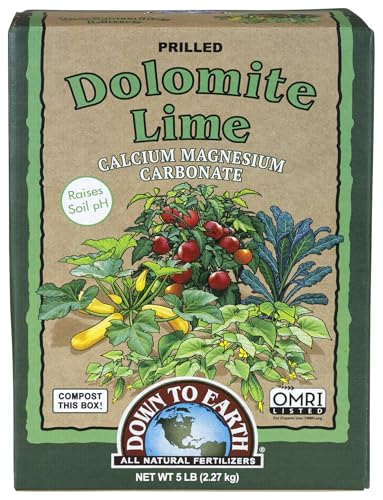
Raises Soil pH Naturally: Helps correct acidic soils for optimal nutrient uptake.
Adding Organic Matter
Adding organic matter boosts soil health significantly. Organic matter, like compost, aged manure, and leaf mold, enriches nutrient levels while enhancing soil structure. Add 2 to 4 inches of organic material to your garden annually. Mixing it into the top 6 to 12 inches of soil promotes aeration and water retention, creating a conducive environment for plant growth. Monitor moisture levels; the right balance prevents both drought and flooding.
Utilizing Soil Amendments
Utilizing soil amendments tailors soil to your plants’ needs. Amendments, such as lime, sulfur, or gypsum, adjust pH and improve nutrient availability. Use lime to raise pH in acidic soils or sulfur to lower it in alkaline soils. For compact or clay-heavy areas, gypsum breaks down soil particles, enhancing drainage. Apply amendments according to soil test results for optimal effectiveness. Follow manufacturer guidelines for application rates.
Maintenance for Healthy Soil
Maintaining healthy soil requires regular attention and mindful practices. Following these strategies helps create a thriving garden environment.
Regular Testing and Monitoring
Regular soil testing keeps you informed about nutrient levels and pH balance. Test soil every 1 to 3 years, or after significant changes, like major fertilization. Use a DIY soil test kit for basic measurements or send samples to a laboratory for comprehensive analysis. Track results over time to identify trends and make informed adjustments.
Monitoring signs of soil health, such as plant growth and color, helps determine if further action is necessary. If plants show signs of nutrient deficiency or poor growth, investigate soil composition and amend accordingly.
Crop Rotation and Mulching
Crop rotation boosts soil health by alternating plant families each growing season. This practice prevents nutrient depletion and reduces pest and disease buildup in the soil. For example, if you grow tomatoes one year, consider planting legumes the next to replenish nitrogen levels.
Mulching involves covering soil with organic materials like straw, wood chips, or grass clippings. This process retains moisture, suppresses weeds, and gradually adds organic matter as mulch breaks down. Apply a 2- to 3-inch layer around plants, keeping it clear of stems to promote airflow and prevent rot.
Conclusion
With a little effort and the right techniques you can transform your garden soil into a thriving foundation for your plants. By understanding your soil’s composition and regularly testing its quality you’ll be able to make informed decisions that lead to healthier plants and bountiful harvests.
Incorporating organic matter and using soil amendments tailored to your specific needs will go a long way in enhancing soil structure and nutrient content. Remember to keep monitoring your soil and adjust your practices as needed.
Your garden deserves the best soil possible so dig in and enjoy the rewarding journey of nurturing your plants from the ground up. Happy gardening!
Frequently Asked Questions
What is poor soil, and how does it affect gardening?
Poor soil lacks essential nutrients, has inadequate water retention, and improper drainage, which can lead to unhealthy plants and failed crops. Improving soil quality is crucial for gardening success.
What are the main components of good soil?
Good soil consists of three main components: sand, silt, and clay. A balanced mix of these elements creates loam, which is ideal for providing nutrients, water retention, and proper drainage.
How does organic matter improve soil quality?
Organic matter, like compost, enhances soil texture and nutrient content. Adding organic materials helps with aeration, water retention, and promotes biodiversity, leading to healthier plants and better crop yields.
How can I evaluate my soil quality?
Evaluate soil quality by assessing its texture, color, and drainage. Regular soil testing using DIY kits or lab analysis can provide detailed information about pH and nutrient levels, helping you understand soil conditions.
What are common soil types, and how do they affect plant growth?
Common soil types include sand, silt, clay, and loam. Each type has unique characteristics that influence drainage, nutrient availability, and root growth. Understanding your soil type can help in selecting appropriate plants.
How can I improve my soil quality?
To improve soil quality, add 2 to 4 inches of organic material, like compost or aged manure, to the top 6 to 12 inches of soil. Incorporate soil amendments, based on soil test results, to tailor conditions to specific plant needs.
How often should I test my soil?
It’s recommended to test your soil every 1 to 3 years to monitor nutrient levels and pH. Regular testing helps identify trends and allows you to make necessary adjustments for optimal gardening conditions.
What is crop rotation, and how does it benefit soil health?
Crop rotation involves alternating different plant families in your garden to prevent nutrient depletion and reduce pests. This practice enhances soil health and promotes a more sustainable gardening approach.
How can mulching enhance soil quality?
Mulching with organic materials helps retain moisture, suppress weeds, and gradually improves soil quality as the mulch decomposes. It contributes to better soil structure and nutrient availability for plants over time.

My interest in trees started when I first saw the giant sequoias in Yosemite.I was a teenager then, and I remember thinking, “I need to learn more about this.”That moment stuck with me.A few years later, I went on to study forestry at Michigan Tech.
Since graduating, I’ve worked in a mix of hands-on tree care and community education.I’ve spent over ten years helping people understand how to plant, maintain, and protect the trees in their neighborhoods.I don’t see trees as just part of the landscape.They are living things that make a real difference in our daily lives.