Have you ever stepped into your vegetable garden only to find it riddled with unsightly mounds and tunnels? Moles can wreak havoc on your hard work, leaving you frustrated and worried about your precious plants. You’re not alone—many gardeners face this pesky problem.
Key Takeaways
- Understanding Moles: Moles play a beneficial role in maintaining soil health and aeration but can also disrupt root systems in your vegetable garden.
- Identifying Infestations: Look for signs like dirt mounds, surface tunnels, and damaged plants to recognize a mole problem early.
- Humane Deterrents: Use natural repellents such as castor oil, garlic, and hot pepper sprays, or plant scents that moles find unappealing to keep them away.
- Effective Trapping: Implement traps in active tunnels for an efficient removal strategy, ensuring they are set correctly and checked regularly.
- Preventive Measures: Employ garden design techniques like using resistant plants, installing barriers, and creating raised beds to deter future infestations.
- Consider Professional Help: If moles persist, seek professional pest control services that utilize humane, integrated pest management approaches.
Understanding Moles in Your Garden
Moles may seem like a nuisance in your vegetable garden, but understanding their behavior can help you manage their presence effectively.
The Role of Moles in the Ecosystem
Moles play a crucial role in soil health and aeration. They help control insect populations, such as grubs and beetles, which can benefit your garden. Moles also aerate the soil, promoting better water drainage and nutrient distribution. Without moles, soil can become compacted, leading to fewer healthy plants. Balancing their presence while protecting your crops is essential.
Signs of Mole Infestation
Identifying signs of a mole infestation can help you take swift action. Look for:
- Mounds of Dirt: Additionally, raised mounds, typically 6 to 12 inches in diameter, indicate active tunneling.
- Tunnels on the Surface: Check for shallow, linear tunnels in your garden. These may appear as ridges in the soil.
- Damaged Plants: Observe for wilting or uprooted plants, which may signal that moles are disrupting their root systems.
Recognizing these signs early allows you to address the issue before it escalates.
Effective Methods to Get Rid of Moles
Managing moles in your vegetable garden requires a variety of effective methods. Here’s a breakdown of approaches you can take.
Recommended Products
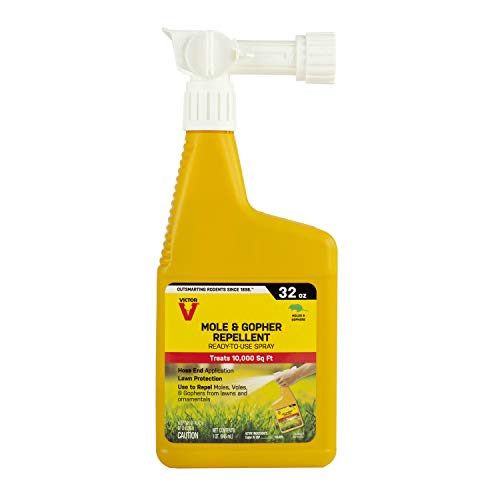
REPELS MOLES & GOPHERS: Quickly repels moles, gophers, voles, armadillos, and other burrowing animals with the M8002 Victor Mole & Gopher Repellent Ready to Use Spray
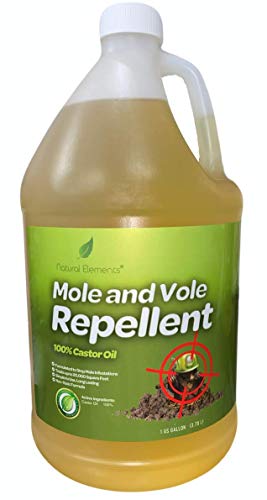
🌿 Harness the Power of Pure Castor Oil: Uniquely formulated with 100% castor oil, this repellent disrupts the sensory perception of moles and voles, making your property an unattractive habitat. Say goodbye to lawn damage as the creatures naturally choose to relocate.

100% CASTOR OIL NATURAL FORMULA: Say goodbye to moles and gophers in your yard with our effective mole gopher caster oil formula that is made from pet-safe castor oil formula. A natural solution for Mole and Vole Squatters that works perfectly!
Natural Deterrents
Natural deterrents offer a humane way to discourage moles without harming them.
- Castor Oil: Mix castor oil with water and spray it over the affected areas. Moles dislike the smell and taste, steering clear of treated spots.
- Garlic and Hot Pepper: Create a mixture of garlic and hot pepper in water, then spray it around your garden. The strong scent irritates moles, pushing them away.
- Plants: Planting certain flowers, like marigolds and daffodils, can deter moles, given their dislike for these plants’ scents.
Trapping Techniques
Trapping is a direct and effective method to remove moles from your garden.
- Choose the Right Trap: Use scissor traps for more effective capture. Place them in active tunnels, as this increases the chances of a successful catch.
- Set Traps Correctly: Dig into the tunnel to find its center, then set the trap level with the tunnel’s bottom. Cover the trap with soil to maintain darkness, enticing the mole.
- Check Regularly: Inspect traps daily. Prompt removal of any captured moles ensures a better garden environment.
Chemical Solutions
Chemical solutions can provide quick results but require caution.
- Granular Repellents: Apply granules designed to repel moles. Follow manufacturer instructions closely for safe usage.
- Baits: Use baits with the active ingredient bromethalin, which targets moles. Place baits into active burrows, ensuring they are inaccessible to pets and other wildlife.
- Fumigation: Although effective, consider this method a last resort. Use gas cartridges labeled for mole control, applying them in the tunnels to kill moles underground.
Implementing these methods balances your desire for a healthy vegetable garden with the need to manage mole populations effectively. You can protect your crops while addressing the problems moles cause.
Preventive Measures for Future Infestations
Implementing preventive measures reduces the likelihood of future mole infestations. By taking proactive steps, you can create an environment that discourages moles from returning.
Recommended Products

Ultimate Plant Protection: Our root guard mesh wire set includes two rolls, one measuring 5 inches in width and the other 8.2 inches, each roll measures 118 inch in length, providing ample material to create custom plant wire baskets for multiple plants.

ELITE PLANT ROOT GUARD BASKETS: These stainless steel guard baskets (mesh pockets) are designed to protect the roots, tubers, bulbs, and fruits of plants from damage caused by voles, moles, and gophers. The flexibility of the stainless steel mesh basket, combined with the durability of the wire, effectively deters vandalism

【Complete Set】This package includes 12 gopher baskets in 3 sizes: 6 of 10x9 inch (1 gallon), 4 of 14x14 inch (3 gallon), and 2 of 18x16 inch (5 gallon). Each gopher wire basket is crafted from premium stainless steel, ensuring long-lasting durability and resistance to rust, making these wire baskets for plants a reliable choice for your garden.
Garden Design Tips
- Choose Resistant Plants: Select plants that are less attractive to moles, such as daffodils, marigolds, and herbs like lavender or mint.
- Install Barriers: Use underground fences made of wire mesh or hardware cloth. Bury the barrier at least 12 inches deep to deter tunneling.
- Create Raised Beds: Raised garden beds not only improve drainage but also make it more difficult for moles to reach your vegetables.
- Aerate Your Soil: Regularly aerate your soil to promote good drainage, reducing the need for moles that aerate it naturally.
- Avoid Overwatering: Excess water attracts insects, which in turn can entice moles. Water your garden as necessary to keep soil moisture at optimal levels.
- Implement Crop Rotation: Rotate your crops each season. Changing the variety of plants can disrupt the food supply for moles and other pests.
Taking these preventive steps helps maintain a healthy vegetable garden while minimizing the chance of moles causing future problems.
Alternative Solutions
Consider these alternative methods to manage moles in your vegetable garden, which offer eco-friendly and humane options.
Recommended Products
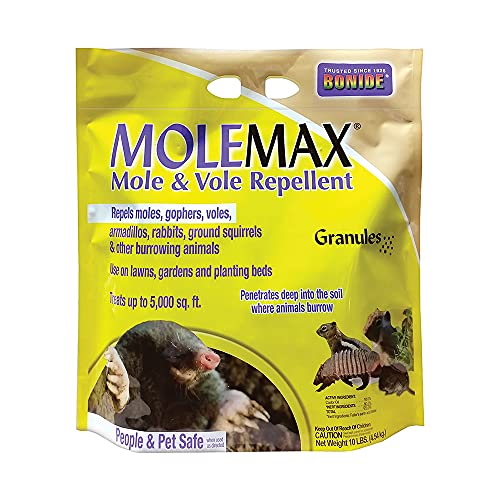
MOLEMAX Mole & Vole Repellent Granules keep animals out of your garden! This product protects against moles, gophers, voles, armadillos, rabbits, ground squirrels and other burrowing animals.

Drive Moles & Voles Away - Our castor oil sends moles & voles in the opposite direction of your home & property. Our formula was specifically designed to impact natural behaviors of these critters. Nature's MACE Castor Oil taints their food source, and leaves an unpleasant smell that moles & voles cannot stand! Moles & voles will go away, searching elsewhere for food.

COVERAGE AND PROTECTION: Nature's MACE 10 LB Granular bag covers up to 8,000 Sq. Ft, protecting fields, lawns, gardens, flowerbeds, landscapes, and playgrounds from moles, voles, gophers, and armadillos
Organic Methods
Use organic methods to deter moles without harmful chemicals. Here are some effective strategies:
- Castor Oil: Mix castor oil with water and spray it around your garden. Moles dislike the scent, making your garden less inviting.
- Garlic and Hot Pepper: Blend garlic with hot peppers and water. Spray this mixture in tunnels and pathways. The strong odor can repel moles naturally.
- Companion Planting: Plant specific flowers like marigolds and daffodils. Their scents can deter moles while enhancing your garden’s beauty.
Professional Pest Control Services
If moles persist despite your efforts, consider hiring professional pest control services. Here’s what to keep in mind:
- Evaluation: Professionals assess your garden to determine the extent of the infestation and the best methods for removal.
- Trapping: Certified experts use effective traps that minimize harm to moles, focusing on humane methods to relocate them.
- Integrated Pest Management: Many services implement holistic approaches, combining trapping, habitat modification, and organic deterrents for long-term solutions.
Using these alternative options can help you manage mole populations while maintaining a balanced ecosystem in your vegetable garden.
Conclusion
Dealing with moles in your vegetable garden can be a challenge but you don’t have to face it alone. By understanding their behavior and using a mix of natural deterrents traps and preventive measures you can protect your precious plants while still appreciating the role moles play in your garden’s ecosystem.
Remember to stay patient and consistent with your chosen methods. Whether you opt for organic solutions or professional help there’s always a way to strike a balance. With a little effort and creativity you’ll be able to enjoy a thriving garden free from unwanted mole disturbances. Happy gardening!
Frequently Asked Questions
What signs indicate a mole infestation in my garden?
Mole infestations can be identified by raised mounds of soil, surface tunnels, and damaged plants. These signs indicate that moles are tunneling and disrupting the garden’s ecosystem. Early detection is key to managing the problem effectively.
How do moles benefit soil health in the garden?
Moles play a vital role in soil health by aerating the soil, controlling insect populations, and improving water drainage. Their tunneling activities contribute to a healthier garden ecosystem, making them important despite the challenges they pose for gardeners.
What natural deterrents can I use to keep moles away?
Natural deterrents include castor oil, garlic and hot pepper mixtures, and certain plants like marigolds and daffodils. These methods can humanely discourage moles from invading your garden while promoting a more balanced ecosystem.
Are trapping methods effective for managing moles?
Yes, trapping is an effective way to manage moles. Scissor traps placed in active tunnels can capture moles efficiently. Regular checks on the traps are essential to ensure they are functioning properly and to manage mole populations effectively.
How can I prevent future mole infestations in my garden?
Preventive measures include using resistant plants like daffodils and lavender, installing underground barriers, creating raised beds, and regularly aerating soil. Avoiding overwatering and practicing crop rotation can also help deter moles and maintain a healthy garden.
When should I consider professional pest control for moles?
Consider professional pest control if you have persistent mole infestations that are difficult to manage. Professionals can assess the situation, employ humane trapping methods, and implement integrated pest management strategies to control mole populations effectively.

My interest in trees started when I first saw the giant sequoias in Yosemite.I was a teenager then, and I remember thinking, “I need to learn more about this.”That moment stuck with me.A few years later, I went on to study forestry at Michigan Tech.
Since graduating, I’ve worked in a mix of hands-on tree care and community education.I’ve spent over ten years helping people understand how to plant, maintain, and protect the trees in their neighborhoods.I don’t see trees as just part of the landscape.They are living things that make a real difference in our daily lives.