Are those shiny little pests munching away at your vegetable garden? Japanese beetles can quickly turn your hard work into a feast for them, leaving you frustrated and your plants vulnerable. If you’ve ever watched helplessly as they devoured your prized tomatoes or beans, you know how important it is to take action.
Key Takeaways
- Identify Japanese Beetles: Recognize their metallic green bodies and characteristic feeding habits to take timely action in your garden.
- Understand Their Lifecycle: Familiarize yourself with the four stages of Japanese beetles (egg, larva, pupa, adult) to effectively time your control measures.
- Implement Prevention Strategies: Plant resistant varieties like garlic and lavender, maintain garden hygiene, rotate crops, and water wisely to deter beetles.
- Utilize Control Methods: Combine handpicking, traps, and organic solutions like neem oil or diatomaceous earth for effective management of beetle populations.
- Practice Companion Planting: Grow pest-repelling plants alongside your crops to create a balanced garden ecosystem that supports beneficial insects.
- Monitor Regularly: Conduct frequent inspections during summer peak activity to catch and control beetle populations before they cause significant damage.
Understanding Japanese Beetles
Japanese beetles pose a significant threat to your vegetable garden. They are known for their destructive feeding habits, targeting various plants, including tomatoes and beans. Understanding these pests will help you manage their invasion effectively.
Description and Identification
Japanese beetles are 1/2 inch long, with a metallic green body and coppery brown wing covers. You can recognize them by the white tufts of hair along their sides and the distinctive way they feed—skeletonizing leaves of plants. Look for them on sunny days, where they often cluster on plant foliage.
Lifecycle and Habits
Japanese beetles undergo a complete metamorphosis, consisting of four stages: egg, larva, pupa, and adult.
- Eggs: Adult females lay approximately 40 to 60 eggs in the soil during late spring to early summer.
- Larvae: Eggs hatch into larvae, also known as grubs, which feed on grassroots throughout summer and fall.
- Pupa: In late fall, grubs transform into pupae, entering a dormant stage until the following spring.
- Adults: Emergence occurs in late May to early July, marking the start of their feeding frenzy.
Understanding these stages enables you to time your control efforts better, targeting them when they are most vulnerable.
Prevention Strategies
Effective prevention strategies can significantly reduce the likelihood of Japanese beetles invading your vegetable garden. Implementing these practices creates an inhospitable environment for these pests.
Recommended Products

【Each Sprout equals one plant】Each root system may have two sprouts, equivalent to two plants. 【Chinese Garlic Chives】10 plants with roots freshly harvested same day of shipping.
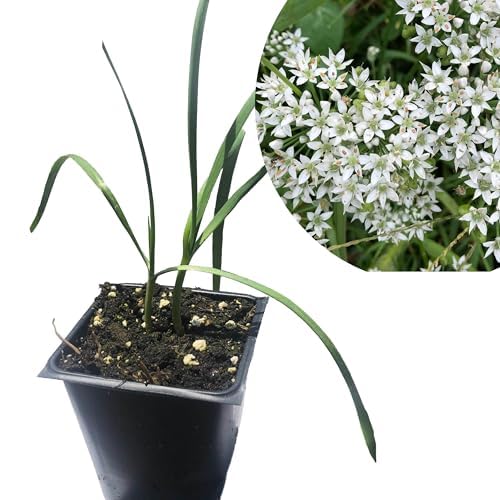

Includes 4 live Chives (heirloom leek chives) plants, 4-8" tall
Choosing Resistant Plants
Selecting plants resistant to Japanese beetles minimizes damage. Varieties include:
- Garlic: Deterrent due to its strong odor.
- Chives: Similar to garlic, chives repel beetles effectively.
- Ferns: Non-attractive to beetles; they thrive without incidents.
- Lavender: The fragrance keeps pests away.
Incorporate these plants into your garden layout to safeguard more vulnerable crops like tomatoes and beans.
Garden Maintenance Tips
Regular maintenance plays a crucial role in keeping Japanese beetles at bay. Follow these tips:
- Clean the Garden: Remove debris and dead plants. Beetles often hide and lay eggs in these areas.
- Rotate Crops: Change the location of your plants each season. This disrupts the lifecycle of the beetles.
- Water Wisely: Water plants early in the morning. Wet foliage attracts beetles, while dry conditions deter them.
- Mulch: Use organic mulch to suppress weeds and combat pests. Beetles prefer to infest unprotected areas.
By adopting these maintenance strategies, you can create an environment less conducive to Japanese beetles, protecting your garden’s health and productivity.
Control Methods
To effectively manage Japanese beetles in your vegetable garden, implement a combination of control methods. Each method offers unique benefits that can enhance your efforts in protecting your crops.
Recommended Products
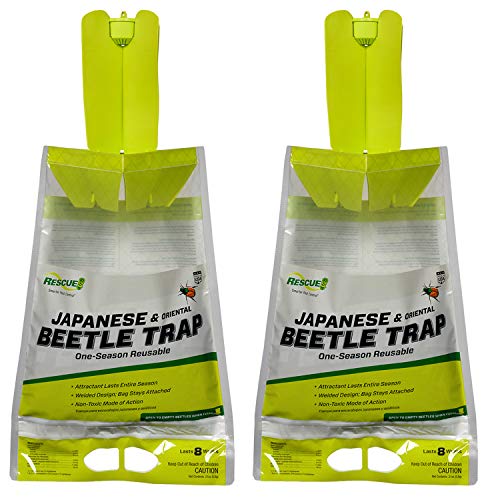
Catch Beetles by the Bagful – Japanese and Oriental Beetles are invasive species that can wreak havoc on your garden and landscaping. This trap attracts and catches both!

JAPANESE BEETLE TRAP: Traps Japanese beetles over a 5,000 square foot area.

WHAT'S INCLUDED: Includes 1 trap, 1 lure, and 2 bags. Stand sold separately
Handpicking and Traps
Handpicking is an immediate way to reduce Japanese beetle numbers. Inspect plants daily, especially in the morning when beetles are less active. Remove them by hand and drop them into soapy water to eliminate them.
Using traps can help catch and monitor beetle populations. Set up traps away from your garden to draw beetles away from plants. Utilize commercially available traps or create homemade versions using containers with soapy water and attractants like overripe fruit.
Organic Solutions
Organic solutions provide safe options for pest control. Neem oil disrupts beetle feeding and can be sprayed on affected plants. Diatomaceous earth acts as a physical barrier, damaging beetles’ exoskeletons upon contact. Maintain regular applications after rain or irrigation.
Beneficial insects like ladybugs and parasitic wasps help reduce beetle populations. Encourage these natural predators by planting diverse flowers that attract them and maintaining habitat areas for their development.
Chemical Treatments
If infestations become severe, targeted chemical treatments offer another layer of protection. Insecticides containing pyrethroids or carbaryl effectively eliminate Japanese beetles. Follow label instructions for dosage and application timing for maximum effectiveness.
Use chemical treatments as a last resort and apply them in the evening to minimize disruption to beneficial insects. Always consider the impact on surrounding wildlife and choose the least harmful options available.
Best Practices for a Healthy Garden
Maintaining a healthy garden prevents Japanese beetles from taking over. Implementing specific practices keeps your plants thriving and minimizes pest damage.
Recommended Products
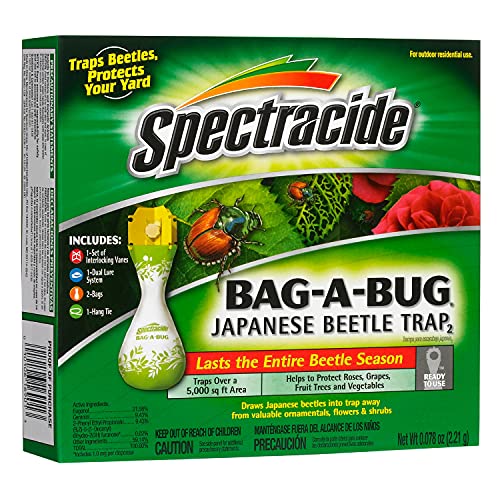
Coverage: Traps over a 5,000 sq ft area

Catch Beetles by the Bagful – Japanese and Oriental Beetles are invasive species that can wreak havoc on your garden and landscaping. This trap attracts and catches both!
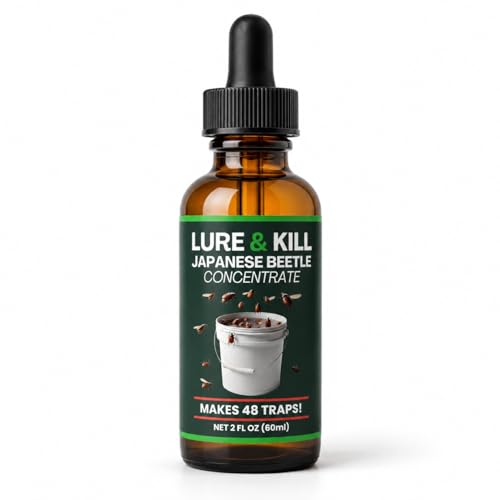
Japanese Beetle Traps Outdoor Killer - 2oz concentrate makes 48 bucket traps!
Companion Planting
Companion planting involves growing certain plants together to deter pests. Use plants like marigolds, which attract beneficial insects and repel beetles. Planting garlic or chives near vulnerable crops adds an extra layer of protection. Consider using herbs such as basil or mint, which also deter beetles and enhance flavor in your harvest. Keep in mind, a diverse garden protects against pests while supporting pollinators.
Regular Monitoring
Regular monitoring of your garden ensures early detection of Japanese beetles. Check plants every few days, especially during the beetles’ peak activity period in summer. Look for signs of beetles and their damage, such as skeletonized leaves. If you spot beetles, remove them manually or use traps. Establish a routine to inspect and document your findings, allowing you to adjust your pest control strategies promptly. Quick action results in better outcomes for your plants.
Conclusion
Dealing with Japanese beetles in your vegetable garden can be a real challenge but you’ve got the tools to protect your plants. By understanding their lifecycle and implementing effective prevention and control methods, you can keep these pesky invaders at bay.
Remember to stay proactive with regular garden maintenance and consider companion planting to create a more resilient environment. With a little patience and persistence, you’ll be able to enjoy a thriving garden free from the damage these beetles can cause. Happy gardening and may your veggies flourish!
Frequently Asked Questions
What are Japanese beetles and why are they a problem for vegetable gardens?
Japanese beetles are pests that can severely damage vegetable plants, particularly tomatoes and beans. They feed on leaves by skeletonizing them, which can lead to wilting and stunted growth, frustrating gardeners who work hard to maintain their crops.
How can I identify Japanese beetles in my garden?
Japanese beetles are about 1/2 inch long, with a metallic green body and coppery brown wing covers. They have distinctive white tufts of hair along their sides, making them easy to spot during their active periods on sunny days.
What is the lifecycle of Japanese beetles?
The lifecycle of Japanese beetles includes four stages: egg, larva, pupa, and adult. Understanding this lifecycle helps gardeners target their pest control efforts more effectively, timing actions for when beetles are most vulnerable.
What are some effective prevention strategies against Japanese beetles?
To prevent Japanese beetles, choose resistant plants like garlic and lavender, and maintain your garden by cleaning regularly and rotating crops. Using organic mulch can also help create an environment that deters beetles from invading.
How can I manage Japanese beetles once they’re in my garden?
Managing Japanese beetles can include handpicking, using traps set away from the garden, and organic solutions like neem oil. Encouraging beneficial insects and using targeted chemical treatments as a last resort can also effectively control infestations.
What is companion planting, and how does it help with Japanese beetles?
Companion planting involves growing specific plants together to deter pests. For Japanese beetles, plants like marigolds, garlic, and chives can repel them while providing added benefits for pollinators, enhancing overall garden health.
How often should I monitor my garden for Japanese beetles?
Regular monitoring is crucial, especially during peak activity periods. Check plants frequently for beetles, and document findings to adjust pest control measures as needed. Quick action can lead to better outcomes for your plants.
Are there any safe chemical treatments for severe Japanese beetle infestations?
For severe infestations, targeted insecticides like pyrethroids or carbaryl may be recommended as a last resort. It’s important to follow application guidelines to minimize harm to beneficial insects and wildlife in your garden.

My interest in trees started when I first saw the giant sequoias in Yosemite.I was a teenager then, and I remember thinking, “I need to learn more about this.”That moment stuck with me.A few years later, I went on to study forestry at Michigan Tech.
Since graduating, I’ve worked in a mix of hands-on tree care and community education.I’ve spent over ten years helping people understand how to plant, maintain, and protect the trees in their neighborhoods.I don’t see trees as just part of the landscape.They are living things that make a real difference in our daily lives.