Are chipmunks raiding your vegetable garden and munching on your hard-earned produce? You’re not alone. Many gardeners find these little critters charming until they start digging up seedlings and snacking on ripe tomatoes.
Key Takeaways
- Understanding Chipmunks: Recognize that chipmunks are diurnal rodents attracted to fresh vegetables, with common favorites including tomatoes, peppers, and squash.
- Activity Patterns: Chipmunks are most active during spring and summer, making them a significant threat to your garden during these seasons.
- Prevention Techniques: Utilize physical barriers like fencing and netting, and incorporate deterrent plants such as marigolds, garlic, and peppermint to repel chipmunks.
- Regular Monitoring: Consistently check your garden for signs of chipmunk activity and damage to maintain proactive control measures.
- Garden Cleanliness: Keep your garden tidy by promptly removing fallen produce and trimming overgrown plants to reduce chipmunks’ attraction to your garden.
- Alternative Solutions: Consider humane trapping methods or professional pest control services if chipmunk issues persist despite preventive measures.
Understanding Chipmunks and Their Behavior
Chipmunks are small, striped rodents that typically measure about 8 to 10 inches long, including their tails. They’re known for their energetic antics and ability to burrow. While chipmunks may appear cute, they can wreak havoc in your vegetable garden.
Feeding Habits
Chipmunks primarily eat seeds, fruits, and nuts. They find gardens appealing due to the abundance of fresh vegetables. Ripe tomatoes, peppers, and seedlings attract these creatures. If you notice bite marks or dug-up plants, chipmunks might be the culprits.
Activity Patterns
Chipmunks are diurnal, meaning they’re active during the day. You’ll often spot them foraging in the morning or late afternoon. They tend to store food in their cheeks, which they later cache in their burrows. This behavior can lead to significant damage in a short time, as they gather supplies from your garden.
Territorial Behavior
These rodents can be territorial. Males often defend their space against other chipmunks, which might explain why you only see a few frequent visitors. If one chipmunk starts to cause problems, additional intruders can follow, resulting in more extensive damage to your crops.
Nesting Habits
Chipmunks typically build their nests in burrows underground. These burrows can be complex, featuring multiple entrances and chambers. If you notice mounds of dirt in your garden, you might be dealing with an active burrow, inviting more chipmunks to your vegetables.
Understanding these behaviors is key to developing effective strategies to keep chipmunks out of your garden. You can take a proactive approach to protect your crops by recognizing their habits and preferences.
Common Vegetables Attracting Chipmunks
Chipmunks favor a range of vegetables, making your garden a tempting target. Identifying these favorites can help you strategize on keeping them away.
Recommended Products

Keep Squirrels & Chipmunks from Digging, Chewing, & Nesting: Protect gardens, bird feeders, attics, garages, and vehicles from destructive small animals. This squirrel repellent spray creates a sensory barrier through smell, taste, and touch that squirrels and chipmunks instinctively avoid. Do not apply to plants, as burning may occur. Apply to surrounding areas only.

Powerful, Fast-Acting Squirrel & Chipmunk Deterrent Say goodbye to squirrels and chipmunks damaging your home! Our extra-strength repellent is designed to effectively stop squirrels from chewing vehicle wires, nesting in engines, and invading your garden. It also keeps them out of attics, kitchens, basements, trash cans, and sheds, creating a strong protective barrier. Protect your property from costly damage!

Protects Your Space-This squirrel repellent outdoor uses a peppermint scent to help keep squirrels away from gardens, lawns, attics, and potted plants, helping outdoor areas stay enjoyable without ongoing disruption from repeated squirrel activity.
Favorite Foods
Chipmunks enjoy a variety of vegetables, including:
- Tomatoes: Ripe tomatoes attract chipmunks due to their sweetness. Protect them with barriers or netting.
- Peppers: Bell and chili peppers entice chipmunks, especially when colorful. Implement physical deterrents around plants.
- Squash: Summer squash varieties offer an easy meal. Use fences to keep chipmunks at bay.
- Cucumbers: Tender cucumbers are irresistible. Consider planting these close to deterrents for protection.
- Carrots: The tender greens and roots of carrots draw chipmunks. Plant them in enclosed spaces.
Seasonal Behavior
Chipmunks’ activity varies throughout the seasons, influencing their feeding habits:
- Spring: As gardens bloom, chipmunks emerge from hibernation and search for fresh vegetables.
- Summer: During this period, chipmunks feast on ripe produce. Implement regular garden checks to protect crops.
- Fall: Chipmunks gather and store food for winter. This increased activity heightens their interest in your garden.
- Winter: While less active, chipmunks reside in burrows but occasionally venture out for stored food. Protect your garden’s perimeter during this time.
Understanding these aspects of chipmunks’ dietary preferences and behaviors equips you with the knowledge to safeguard your vegetable garden effectively.
Prevention Techniques
Keeping chipmunks out of your vegetable garden requires proactive measures. Implementing various strategies can significantly reduce their presence and protect your plants.
Recommended Products

WELDED WIRE FENCE ROLL FOR ANIMAL ENCLOSURES AND GARDEN PROTECTION – 2 in. x 3 in. mesh welded wire fence roll designed for animal enclosures, rabbit fencing, chicken runs, garden protection, and property boundaries, providing secure containment while maintaining visibility and airflow.

【Durable Construction】Made from high-quality steel that resists bending and warping in harsh weather. The powder-coated finish prevents rust and water damage, extending the post's lifespan season after season.

FOREHOGAR welded wire garden fence is made of galvanized wire and then coated with green vinyl. Rustproof and with long service life.
Physical Barriers
Install physical barriers to deter chipmunks from entering your garden.
- Fencing: Use a sturdy fence at least 3 feet high. Bury the bottom 12 inches underground to prevent them from digging underneath.
- Netting: Use bird netting over particularly vulnerable crops. This method allows light and water through while keeping chipmunks out.
- Row Covers: Protect seedlings with lightweight row covers. These covers shield young plants from both chipmunks and other pests.
Deterrent Plants
Incorporate plants that naturally repel chipmunks.
- Marigolds: Grow marigolds near vegetable beds; their scent is unappealing to chipmunks.
- Garlic and Onions: Plant garlic and onion near your vegetables. The strong odor deters chipmunks effectively.
- Peppermint: Use peppermint plants or essential oil around your garden. Chipmunks dislike the fragrance, making it a useful natural repellent.
Repellents and Scents
Utilize various repellents to keep chipmunks at bay.
- Commercial Repellents: Apply predator urine or granules made from cayenne pepper around your garden. These products create an unpleasant environment for chipmunks.
- Homemade Solutions: Mix water with hot pepper sauce and spray it on plants. The spicy taste discourages nibbling.
- Coffee Grounds: Sprinkle used coffee grounds around your garden. Chipmunks tend to avoid areas with strong smells, and this can mask attractive scents.
Implement these prevention techniques to create a less welcoming environment for chipmunks in your vegetable garden.
Maintenance Tips for Your Garden
Maintaining your garden well helps keep chipmunks at bay. Focus on regular monitoring and maintaining cleanliness to create an uninviting environment for these pests.
Regular Monitoring
Monitor your garden frequently for signs of chipmunk activity. Look for tunnels, digging marks, or chewed plants. Check preventive measures like fencing and netting for damage. If you notice any issues, fix them immediately to deter further intrusion. Regularly inspecting your garden allows you to catch problems early, making it easier to manage any potential threats.
Garden Cleanliness
Keep your garden tidy to reduce the appeal for chipmunks. Remove fallen fruits and vegetables promptly, as they attract pests. Trim overgrown plants and weeds where chipmunks may hide. Store gardening tools and debris away from your garden to eliminate potential nesting spots. Implementing these cleanliness practices creates a less inviting atmosphere that discourages chipmunks from settling in your garden.
Alternative Solutions
You can explore several alternative solutions to keep chipmunks out of your vegetable garden. Here are a few effective methods:
Recommended Products
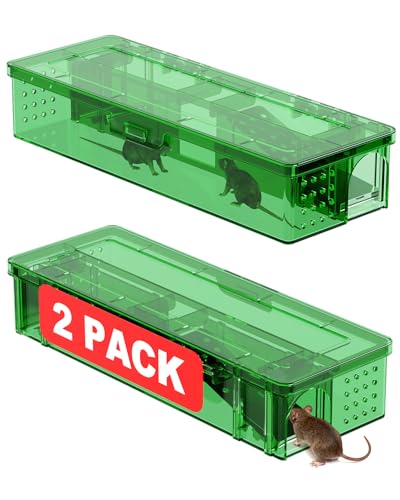
DOUBLE ENTRY, DOUBLE EFFICIENCY Unlike single-door traps, our dual-entrance design attracts more mice from both sides, increasing capture rate and saving you time. Each trap can hold up to 10 mice at once, making it the ideal multi-catch solution for busy households.

【Automatic Multi-Catch Function】Designed with dual one-way entry doors, this humane rodent trap allows small animals to enter easily while preventing escape. The automatic cycle mechanism continues working after each catch, eliminating the need for constant resetting.

Humane Solution: Designed for live capture and release of chipmunks with a compact wire build and 2‑door entry that encourages quick, low‑stress containment without poisons, suitable for beds, borders, and small structures.
Traps and Relocation
Using traps is a humane option. Multi-catch traps allow you to capture several chipmunks at once without harming them. Place the traps near active burrows or feeding areas. Bait them with peanut butter, seeds, or fruits to attract chipmunks. Once captured, relocate the chipmunks at least 5 miles away from your garden to prevent their return. Always check local regulations regarding animal trapping and relocation to ensure compliance.
Professional Help
If chipmunk issues persist despite your efforts, consider professional help. Pest control services specialize in humane wildlife removal. They assess your garden, identify entry points, and implement effective solutions tailored to your needs. These experts also provide advice on preventing future invasions, giving you peace of mind while protecting your crops.
Conclusion
Keeping chipmunks out of your vegetable garden doesn’t have to be a daunting task. With the right combination of barriers and deterrents you can create a garden that’s less inviting to these little critters. Regular maintenance and vigilance will go a long way in protecting your hard work.
Remember that understanding their behavior and preferences is key. By being proactive and implementing the strategies discussed you can enjoy a thriving garden full of fresh produce without the worry of chipmunk damage. So roll up your sleeves and take charge of your garden’s safety. Happy gardening!
Frequently Asked Questions
What are chipmunks, and why do they invade gardens?
Chipmunks are small, striped rodents that are active during the day. They invade gardens because they are attracted to the seeds, fruits, and vegetables, finding them appealing for feeding and nesting.
What vegetables are most attractive to chipmunks?
Chipmunks particularly enjoy tomatoes, peppers, squash, cucumbers, and carrots. These vegetables provide easy access to food, making gardens a prime target for their foraging.
How can I prevent chipmunks from damaging my garden?
To deter chipmunks, use physical barriers like sturdy fencing and bird netting. Additionally, consider planting deterrent plants such as marigolds or garlic, and use repellents like hot pepper spray or coffee grounds.
What seasonal behaviors do chipmunks display?
Chipmunks are most active in spring when they gather vegetables and in summer when they feast on ripe produce. In fall, they store food, while their activity decreases in winter due to colder temperatures.
How can I monitor for chipmunk activity in my garden?
Regularly check for tunnels, chewed plants, or signs of digging. Maintain garden cleanliness by removing fallen fruits, trimming overgrown plants, and ensuring preventive measures like fencing remain intact.
What humane methods can I use to trap chipmunks?
Use multi-catch traps baited with peanut butter, seeds, or fruits to capture chipmunks. Once trapped, relocate them at least 5 miles away, adhering to local regulations to prevent their return.
When should I seek professional pest control for chipmunks?
If chipmunk problems persist despite your efforts, consider consulting a pest control service. Professionals can identify entry points, provide tailored solutions, and offer advice on long-term prevention strategies.

My interest in trees started when I first saw the giant sequoias in Yosemite.I was a teenager then, and I remember thinking, “I need to learn more about this.”That moment stuck with me.A few years later, I went on to study forestry at Michigan Tech.
Since graduating, I’ve worked in a mix of hands-on tree care and community education.I’ve spent over ten years helping people understand how to plant, maintain, and protect the trees in their neighborhoods.I don’t see trees as just part of the landscape.They are living things that make a real difference in our daily lives.