Have you ever dreamed of plucking fresh, juicy strawberries right from your garden? Growing your own strawberries is not just a delightful experience; it can also save you money and ensure you get the tastiest fruit possible.
Key Takeaways
- Understand Strawberry Varieties: Familiarize yourself with June-bearing, ever-bearing, and day-neutral strawberries, each with unique growth characteristics and harvest times.
- Garden Preparation is Key: Choose a sunny, well-drained location and enrich soil with organic matter to create ideal growing conditions for strawberries.
- Optimal Planting Techniques: Plant strawberries in early spring after the last frost, using bare root plants or transplants spaced 12 to 18 inches apart for best results.
- Consistent Care Required: Regular watering, appropriate fertilization, and vigilant pest management are crucial for maintaining healthy strawberry plants and ensuring a fruitful harvest.
- Perfect Harvest Timing: Harvest strawberries when fully red, plump, and aromatic, using gentle techniques to avoid damaging the berries or plants.
Understanding Strawberry Varieties
Choosing the right strawberry variety is key to successful cultivation. Each type offers unique characteristics that affect yield and growing conditions.
June-Bearing Strawberries
June-bearing strawberries produce a single large harvest typically in June. These varieties, like ‘Honeoye’ and ‘Cavendish,’ thrive in regions with distinct cold winters. Plant them in early spring for optimal growth. Expect large berries with high sugars and great flavor, making them ideal for freezing and preserves.
Ever-Bearing Strawberries
Ever-bearing strawberries produce fruit multiple times during the growing season. Varieties such as ‘Ozark Beauty’ and ‘Quinault’ offer harvests in spring and fall. This type suits regions with milder climates. Plant them in well-drained soil and provide regular watering. Their smaller fruits maintain sweetness, perfect for snacking or fresh desserts.
Day-Neutral Strawberries
Day-neutral strawberries bear fruit continuously throughout the summer, regardless of day length. Varieties like ‘Seascape’ and ‘Albion’ excel in warmer climates. These plants require consistent watering and nutrient-rich soil. Fruiting persists from spring until frost, allowing for a steady supply of juicy berries. Use them in salads or homemade jams for year-round enjoyment.
Preparing Your Garden
Preparing your garden effectively sets the stage for a successful strawberry harvest. Follow these steps to create an ideal growing environment.
Recommended Products

Raised Garden Bed - Add a new level of convenience to your gardening experience with the Galvanized Raised Garden Bed. Enjoy expanded yield and a more assembled garden layout with this garden accessory, each sized at 120 cm X 60 cm x 30 cm.
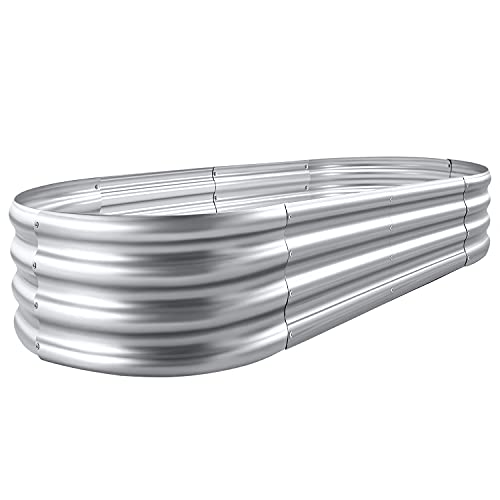
Each raised metal garden bed size: 4×2×1ft ,7.14Cu

【Solid Stability Triangular Frame】 Engineered with a heavy-duty triangular metal frame and dual-column construction, this vertical gardening system outperforms flimsy single-pole stands. The reinforced joints and crossbar supports prevent swaying - even when fully loaded with soil and climbing plants like tomatoes or ivy. Perfect for outdoor vegetable planters or vertical indoor gardens.
Choosing the Right Location
Choose a location with full sun exposure, which means at least six to eight hours of sunlight daily. Select a site with good air circulation. Avoid areas that tend to hold moisture, as strawberries thrive in well-drained conditions. Ensure the spot is easily accessible for maintenance, making it easier to water, weed, and harvest your strawberries.
Soil Preparation Techniques
Prepare the soil by testing its pH. Strawberries prefer a pH level between 5.5 and 6.8. If the pH is too low, add lime; if it’s too high, incorporate sulfur to lower it.
Amend the soil with organic matter, such as compost or well-rotted manure. This enhances fertility and improves drainage. Work in about 2 to 4 inches of organic material into the top 12 inches of soil.
Create raised beds if drainage is a concern. Raised beds promote healthy root development and facilitate proper watering. Ensure the dimensions are roughly 3 to 4 feet wide, allowing ease of access from both sides.
Finally, level the planting area, removing any debris and rocks. This ensures optimal growth conditions and makes planting easier.
Planting Strawberries
Planting strawberries requires attention to timing and technique to ensure healthy plants and abundant fruit. Follow these guidelines for a successful planting experience.
Recommended Products

It can block the soil sunlight and effectively inhibit the growth of grass. Our black polyethylene floor covering board will provide an ideal environment for the growth of vegetables and fruits

PE Mulch: The mulch plays a great role in the growth process of crops. It is not conducive to the growth of weeds, so that the crops grow better and prevent weeds from absorbing too much nutrients in the soil.

High Tensile Strength - This Poly Mulch Plastic Sheeting has a high tensile strength that prevents this product from ripping or tearing and will make sure that it keeps all soil in place.
Best Planting Time
Plant strawberries in early spring after the last frost for optimal growth. This timing allows plants to establish roots before the summer heat. If you’re in a warmer climate, you can also plant strawberries in late fall, giving them a jump start for the growing season.
- Bare Root Plants: Choose bare root plants for a quicker establishment. Soak the roots in water for a few hours before planting. Dig holes deep enough to cover the roots without burying the crown. Space them 12 to 18 inches apart.
- Transplants: For transplants, select healthy seedlings from a nursery. Plant them at the same depth as they were in their pots, ensuring the soil surrounds the roots and provides stability. Space transplants similarly, 12 to 18 inches apart.
- Plastic Mulch: Use black plastic mulch to control weeds and retain moisture. Lay the plastic before planting and cut holes for each strawberry plant. This method keeps the soil warm and promotes earlier fruiting.
- Raised Beds: Consider raised beds for improved drainage and ease of access. Position plants in rows, allowing space for air circulation and growth. This method also reduces competition with weeds.
- Container Planting: If space is limited, container planting works well. Use containers at least 12 inches deep with drainage holes. Maintain proper spacing for airflow and ensure consistent watering.
Implement these planting methods to create an environment conducive to robust strawberries.
Caring for Strawberry Plants
Caring for strawberry plants is essential for a bountiful harvest. Proper attention to watering, fertilization, and pest management plays a significant role in the health of your plants.
Recommended Products

Balanced strawberry feeding: 8-8-8 formula with micronutrients like sulfur, zinc, and boron to support steady growth, healthy blooms, and reliable bush fruiting from spring through early summer until harvest

FOR USE ON: Use Berry-tone organic fertilizer for all berries including blueberries, strawberries, raspberries, and blackberries

Contains natural ingredients to feed microbes in the soil
Watering Requirements
Water strawberry plants consistently for best results. Aim for about 1 to 1.5 inches of water each week, either through rainfall or irrigation. Water early in the morning to minimize evaporation and prevent fungal diseases. When watering, focus on the soil rather than the leaves. Drip irrigation works well, as it delivers moisture directly to the roots while keeping foliage dry.
Fertilization Tips
Fertilize your strawberry plants to promote healthy growth and fruit production. Start with a balanced fertilizer, such as a 10-10-10 or a slow-release option, applied at planting time. After the plants establish, apply additional fertilizer every 4-6 weeks during the growing season. Be cautious not to over-fertilize, as this can lead to excessive leaf growth with fewer berries. Compost also provides beneficial nutrients; consider adding it during the spring to bolster soil health.
Pest and Disease Management
Monitor strawberry plants regularly for pests and diseases. Common pests include aphids, spider mites, and slugs. Handpick larger pests or use insecticidal soap for aphids and mites. For slugs, employ traps filled with beer or copper tape around the base of plants.
Fungal diseases, such as powdery mildew and botrytis fruit rot, may arise in humid conditions. Improve air circulation by spacing plants properly and removing diseased leaves promptly. Implementing crop rotation and mulching can further prevent disease buildup in the soil. Regularly scouting for symptoms means you can intervene quickly, ensuring your strawberry plants thrive.
Harvesting Strawberries
Harvesting strawberries is an exciting phase of your gardening journey. Timing and technique play key roles in ensuring a sweet, successful yield.
Identifying Ripeness
You can identify ripe strawberries by their color, size, and aroma. Look for:
- Color: The berries should be fully red. Avoid green or white areas.
- Size: Ripe strawberries are plump and firm. They should feel heavy for their size.
- Aroma: A sweet scent indicates ripeness. If they smell delicious, they’re likely ready to pick.
Check your plants regularly. Pick strawberries every few days during peak season to enjoy the freshest fruit.
Harvesting Techniques
Using proper techniques enhances your harvesting experience. Follow these steps for the best results:
- Use Clean Tools: Use scissors or garden shears to avoid damaging the plant and fruit.
- Gently Twist: Hold the berry gently and twist it to detach from the stem. This minimizes damage to the plant.
- Leave Cap: Ensure to leave the green cap attached to the berry. This helps the fruit stay fresh longer.
- Collect Carefully: Place strawberries in a shallow container to prevent crushing. Avoid stacking them too high.
Conclusion
Growing strawberries in your garden can be a delightful journey. You’ll not only enjoy the sweet taste of fresh berries but also the satisfaction of nurturing your plants from seedlings to harvest. With the right variety and care your strawberry patch can thrive and bring joy to your table.
Remember to stay attentive to their needs and enjoy the process. Whether you’re snacking on them straight from the vine or using them in your favorite recipes your homegrown strawberries will be a rewarding addition to your gardening experience. So grab your gardening tools and get ready to cultivate some deliciousness!
Frequently Asked Questions
What are the benefits of growing strawberries at home?
Growing strawberries at home offers fresh, juicy fruit right from your garden, which enhances flavor and nutrition. It can save you money on store-bought berries while providing a rewarding gardening experience. Plus, cultivating strawberries can be a great family activity that brings joy and satisfaction.
What types of strawberries should I choose for my garden?
The three main types of strawberries are June-bearing, ever-bearing, and day-neutral. June-bearing strawberries produce a large harvest in June, ideal for freezing. Ever-bearing strawberries produce fruit multiple times during the season for snacking, while day-neutral strawberries bear fruit continuously throughout the summer for a steady supply.
How do I prepare my garden for planting strawberries?
Choose a sunny location with good air circulation and avoid areas that retain moisture. Prepare your soil by testing the pH and amending it with organic matter for fertility and drainage. Creating raised beds can improve drainage, and leveling the planting area will ensure optimal growth conditions.
When is the best time to plant strawberries?
The ideal time to plant strawberries is in early spring after the last frost or late fall in warmer climates. This timing allows the roots to establish before the summer heat, resulting in healthier plants and better yields during the growing season.
How should I care for my strawberry plants?
Proper care involves consistent watering, fertilization, and pest management. Water strawberries with 1 to 1.5 inches per week, focusing on the soil. Use a balanced fertilizer at planting and reapply every 4-6 weeks. Regular monitoring for pests and diseases is crucial to ensure healthy plants.
How do I know when to harvest strawberries?
Harvest strawberries when they are bright red, full-sized, and emit a sweet aroma. Use clean tools and gently twist the berry to detach it, leaving the green cap attached. Check plants every few days during peak season for the freshest fruit, collecting berries in shallow containers to avoid damage.

My interest in trees started when I first saw the giant sequoias in Yosemite.I was a teenager then, and I remember thinking, “I need to learn more about this.”That moment stuck with me.A few years later, I went on to study forestry at Michigan Tech.
Since graduating, I’ve worked in a mix of hands-on tree care and community education.I’ve spent over ten years helping people understand how to plant, maintain, and protect the trees in their neighborhoods.I don’t see trees as just part of the landscape.They are living things that make a real difference in our daily lives.