Have you ever stepped into your vegetable garden only to find it raided by pesky possums? These nocturnal critters can wreak havoc on your hard work, munching on your prized tomatoes and lettuce. If you’re tired of sharing your harvest with these furry intruders, you’re not alone.
Key Takeaways
- Understanding Possums: Familiarize yourself with common possum species and their feeding habits to better protect your garden from potential intrusions.
- Effective Deterrents: Use a combination of physical barriers like fencing and cages, along with natural repellents such as strong scents and essential oils, to keep possums at bay.
- Smart Garden Design: Consider raised garden beds and companion planting to create an environment that naturally deters possums while promoting healthy plant growth.
- Regular Maintenance: Conduct weekly inspections of your garden to identify signs of possum activity and promptly repair any damage to physical barriers.
- Seasonal Strategy Adjustments: Modify your deterrent strategies based on seasonal behaviors of possums to enhance prevention efforts throughout the year.
Understanding Possums and Their Behavior
Possums are common visitors in many gardens, and understanding their behavior helps you safeguard your crops. Knowing their habits, preferences, and characteristics provides a solid foundation for effective prevention.
Common Possum Species
You’ll primarily encounter two possum species: the Virginia possum and the common brushtail possum.
- Virginia Possum: This species adapts well to urban areas. It has a greyish-white body with a long, pointed snout and a prehensile tail.
- Common Brushtail Possum: Found mostly in Australia and New Zealand, this possum has a bushy tail and a more robust body. It’s a skilled climber, often nesting in trees.
Both species thrive near gardens, attracted to easily accessible food sources.
Feeding Habits and Preferences
Possums are omnivorous, consuming a varied diet. You may notice them nibbling on various vegetables and fruits.
- Fruits: They favor fruits like tomatoes, melons, and berries, often consuming them at night when they forage.
- Vegetables: Leafy greens, carrots, and peas attract them too, especially when they are fresh and easy to reach.
- Insects and Small Animals: Besides veggies, possums eat insects and small rodents, contributing to their need for diverse food sources.
Understanding these habits can help you implement strategies to keep them away from your garden effectively.
Effective Deterrents
Keeping possums out of your vegetable garden requires a combination of physical barriers and natural repellents. Here are some practical strategies to create an environment that discourages these pests.
Recommended Products

Harness the power of natures communication system from the original brand in the pee business, PredatorPee - Est. 1986.

PredatorPee Wolf Urine creates the illusion that a wolf is nearby

100% FULL STRENGTH - 100% coyote urine predator pee
Physical Barriers
Fencing: Install a sturdy fence around your garden. Use at least 4-6 feet of fencing material that’s difficult for possums to climb or dig under. Bury the bottom 12 inches to prevent burrowing.
Cages: Use wire mesh or garden fabric to create cages around individual plants. Ensure the mesh has openings smaller than 1 inch to keep possums from reaching in.
Row Covers: Spread lightweight row covers over your crops. These obstruct access without hindering sunlight and air circulation.
Raised Beds: Build your vegetable garden on raised beds. Elevated structures can make it harder for possums to reach your plants while providing better drainage for your crops.
Natural Repellents
Strong Scents: Use scents that possums dislike. Try sprinkling cayenne pepper, garlic powder, or black pepper around your garden. They might find the smell offensive enough to stay away.
Essential Oils: Apply natural oils like eucalyptus, peppermint, or citronella around the garden perimeter. These oils often repel possums due to their strong aromas.
Predator Urine: Consider using commercially available predator urine, such as coyote or fox urine, as a deterrent. Spray it around the garden to mimic the scent of natural predators.
Soap: Grate bars of soap and scatter the pieces throughout the garden. The fragrance can discourage possums and other animals from entering your space.
Implementing these physical barriers and natural repellents can significantly reduce the chances of possums invading your vegetable garden.
Garden Design Strategies
Implementing smart garden design strategies can help keep possums away from your vegetable garden. Focus on creating an environment that deters these animals while promoting healthy plant growth.
Recommended Products
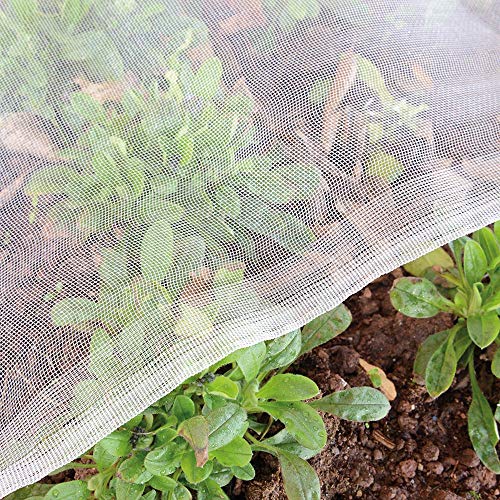
🥬Effective Bug Barrier: Protecting plants and vegetables from a wide range of pest insects and animals, such as cicadas, carrot fly and many species of aphids, you will get a healthier and happier garden

Package Information: The package includes 2 packs of 10 x 6.5ft garden netting, suitable for greenhouse and raised beds. The size will cover the plants in your garden well. Tip: Only garden netting is included, not support poles.

Ideal Garden Protection Netting - Widely used for raised beds, vegetable gardens, greenhouses, fruit trees, nursery plants, flowers, ponds and patio plants. Helps protect plants from insects, birds and small animals.
Raised Garden Beds
Using raised garden beds creates a physical barrier that makes access more challenging for possums. Build beds at least 18 inches high. Use sturdy materials like wood or metal. Elevating your plants also improves drainage and soil temperature, promoting healthier crops. Add netting or garden fabric over the bed if you notice persisting issues, allowing sunlight in while discouraging possums.
Companion Planting
Companion planting involves pairing specific plants to repel pests, including possums. Consider planting strong-scented herbs like rosemary, mint, or lavender alongside your vegetables. Possums dislike these scents and may avoid areas where they grow. Additionally, grouping plants that naturally deter possums, like marigolds or garlic, can enhance the effectiveness of this strategy. Alternate planting arrangements help create a confusing scent environment for these critters, further lowering the chances of an invasion.
Maintenance and Monitoring
Maintaining an effective defense against possums involves consistent monitoring and regular updates to your strategies. Keeping an eye on your garden will help you identify signs of any intruders and adjust your methods accordingly.
Recommended Products

Size: Deer netting size 7 feet x 100 feet; garden netting mesh size 3/4"; color: black; Easy to use accessories included: 10pcs installation nails & 50pcs cable ties

Package Includes: You will receive 3 pcs deer plant netting covers, the size is 7.8 x 7.8 ft, easy to use, can provide stronger protection for your plants,keeping the cold air out and the plant warm.

【Garden Netting Kit】7.5ft x 100ft bird netting, 3/4" fine square netting mesh to keep any small birds out. Accessories included: 10 pcs metal U shaped staples, 50 pcs zip ties
Regular Inspections
Conduct regular inspections of your vegetable garden, ideally once a week. Look for any signs of possum activity, such as droppings, chewed plants, or disturbances in the soil. Inspect your physical barriers for any gaps or damage, and ensure that all fencing and netting remain intact. If you find any evidence of possums, make immediate repairs to barriers to prevent further access. Keeping a journal of your observations can help you track patterns in possum visits, allowing you to react promptly to any changes.
Adjusting Strategies Seasonally
Adjust your strategies based on seasonal changes and possum behavior. During warmer months, possums might be more active, so reinforce barriers and consider using additional repellents. In colder months, when food becomes scarce, possums may venture closer to gardens in search of sustenance. Evaluate your plant choices and consider using more robust deterrents during these times. Switching up your natural repellents regularly can prevent possums from getting accustomed to any one method, ensuring they don’t find a way to access your crops.
Conclusion
Keeping possums out of your vegetable garden doesn’t have to be a constant struggle. By understanding their behavior and preferences you can create an environment that’s uninviting to them. Implementing physical barriers like sturdy fencing and raised beds along with natural repellents can make a big difference.
Regular maintenance and monitoring are key to staying one step ahead. By observing your garden and adjusting your strategies as needed you can protect your hard-earned harvest. With a little patience and creativity you’ll find the right combination that works for you. Enjoy the satisfaction of a thriving garden free from pesky possums!
Frequently Asked Questions
What damage do possums cause in vegetable gardens?
Possums are known to eat various crops, including tomatoes, lettuce, and melons, leading to significant damage in vegetable gardens. Their omnivorous diet means they can consume both fruits and vegetables, frustrating gardeners who wish to protect their hard-earned harvest.
How can I prevent possums from invading my garden?
To deter possums, use a combination of physical barriers, like sturdy fencing and wire mesh cages, along with natural repellents such as cayenne pepper and essential oils. Creating a less welcoming environment can help keep these pests away effectively.
What physical barriers work best against possums?
Effective physical barriers include installing at least 3-foot high fences, using wire mesh around individual plants, applying lightweight row covers, and building raised garden beds. These methods create obstacles that make it difficult for possums to access your crops.
Are there natural repellents for possums?
Yes, natural repellents include strong scents such as cayenne pepper or garlic powder, essential oils like eucalyptus or peppermint, and predator urine. These scents can confuse or deter possums, helping to keep them away from your garden.
How does garden design help deter possums?
Designing your garden with raised beds and incorporating strong-scented plants like rosemary or lavender can help repel possums. Companion planting these herbs alongside vegetables can create a confusing scent environment, making it harder for possums to locate food.
Why is monitoring my garden important?
Regular inspections help identify signs of possum activity, such as droppings or chewed plants. Monitoring enables timely adjustments to your strategies, ensuring your barriers remain effective and that you’re prepared for seasonal changes in possum behavior.
What should I do if I notice possum activity in my garden?
If you notice signs of possum activity, check the integrity of your barriers and reinforce them as needed. Implement or adjust deterrents as necessary and consider keeping a journal of observations to track their patterns for more effective management.

My interest in trees started when I first saw the giant sequoias in Yosemite.I was a teenager then, and I remember thinking, “I need to learn more about this.”That moment stuck with me.A few years later, I went on to study forestry at Michigan Tech.
Since graduating, I’ve worked in a mix of hands-on tree care and community education.I’ve spent over ten years helping people understand how to plant, maintain, and protect the trees in their neighborhoods.I don’t see trees as just part of the landscape.They are living things that make a real difference in our daily lives.