Have you ever thought about growing your own asparagus? This delicious vegetable can elevate your meals and impress your guests, but many gardeners shy away from it, thinking it’s too complicated. The good news is that with a little guidance, you can easily cultivate this tasty crop right in your backyard.
Key Takeaways
- Asparagus Varieties: Choose between green, purple, and white asparagus based on your taste preference and local climate for optimal growth.
- Health Benefits: Incorporating asparagus into your diet provides essential nutrients, supports heart health, and aids in weight management.
- Garden Preparation: Select a sunlit location with well-draining, nutrient-rich soil (pH 7.0–8.0) to create ideal conditions for asparagus cultivation.
- Planting Techniques: Time your planting for early spring, follow proper trenching methods, and apply mulch to retain moisture and suppress weeds.
- Ongoing Care: Maintain consistent watering, apply balanced fertilizers, and monitor for pests and diseases to ensure thriving asparagus plants.
- Harvesting Tips: Begin harvesting in the second or third year when stalks reach 6–8 inches, and use clean cutting methods to promote further growth.
Understanding Asparagus
Asparagus is a perennial vegetable celebrated for its unique flavor and numerous health benefits. Recognizing the types and advantages of asparagus can enhance your gardening experience.
Asparagus Varieties
Several asparagus varieties thrive in different climates and soil types. The most popular ones include:
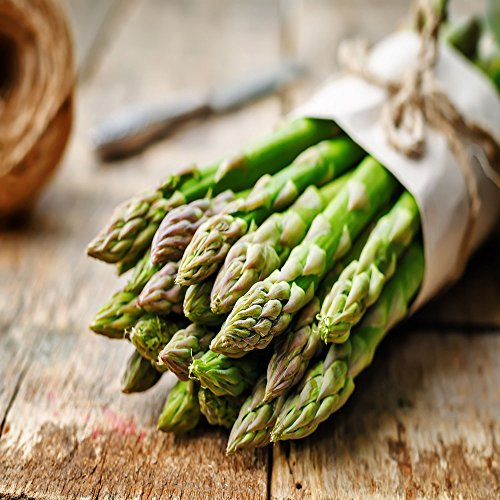
- Green Asparagus: This is the most common variety, characterized by its vibrant green color and tender taste. It’s easy to grow in most regions.
- Purple Asparagus: Known for its sweetness, purple asparagus turns a vibrant purple as it matures. This variety contains higher sugar content and is visually appealing.
- White Asparagus: Cultivated underground to prevent exposure to sunlight, white asparagus has a milder flavor and delicate texture. It’s renowned in European cuisine.
Choosing the right variety depends on your preference, climate, and garden space. Researching local recommendations can yield the best results.
Health Benefits of Asparagus
Asparagus offers a wealth of health benefits that make it a valuable addition to your diet. Consider these key advantages:
- Rich in Nutrients: Asparagus contains vitamins A, C, E, and K, along with fiber and folate. These nutrients support overall health, including immune function and digestion.
- Low in Calories: With just 20 calories per 100 grams, asparagus serves as a low-calorie, nutritious food that aids weight management.
- Antioxidant Properties: Asparagus is rich in antioxidants, which help combat oxidative stress and lower the risk of chronic diseases.
- Supports Heart Health: The fiber, potassium, and antioxidants in asparagus contribute to heart health by promoting healthy blood pressure levels.
Incorporating asparagus into your meals not only adds flavor but also boosts nutritional value. It’s a versatile ingredient that complements various dishes, enhancing both taste and health.
Preparing Your Garden
Preparing your garden for asparagus involves crucial steps that ensure successful growth. Follow these guidelines to create an ideal environment for your crop.
Recommended Products

Quick, at home results for Soil pH, Nitrogen, Phosphorous and Potash Innovative and inexpensive soil test kit features an easy-to-use capsule system and patented color comparators

KNOW BEFORE YOU GROW | Grow the healthiest, sustainable lawn and garden with the most accurate and easy to use professional soil test kit on the market

Kindly NOTE: This soil tester can not be applied to test pH value of any other liquid. If the soil is too dry the indicator will not move, and water it before testing.
Selecting the Right Location
Choose a location that receives full sunlight for at least 8 hours daily. Asparagus thrives in warm conditions, so a south-facing slope enhances heat retention. Look for areas with good air circulation to help prevent disease and ensure healthy growth. Avoid spots near trees or large shrubs, as they compete for nutrients and water, hindering asparagus development.
Soil Requirements
Prepare well-draining, nutrient-rich soil for optimal asparagus growth. Aim for sandy loam or loamy soil with a pH between 7.0 and 8.0. Test your soil’s pH using a home kit or send a sample to a local extension office. Amend the soil with compost or well-rotted manure to boost fertility. Before planting, till the soil to a depth of at least 12 inches to improve drainage and aeration. Ensuring the right soil conditions sets a strong foundation for healthy asparagus plants.
Planting Asparagus
Planting asparagus involves careful timing and techniques to ensure a successful harvest. Follow these steps to cultivate asparagus effectively.
Recommended Products
From Hand Picked Nursery, a veteran and family owned business for over 15 years!

2 Year Bare Root Crowns for Faster Harvests: Strong, established Mary Washington asparagus crowns arrive ready for planting, helping gardeners enjoy earlier spear production compared to starting from seed

You will see growth within 10 days. The most importan part of planting these plants is to make sure you have at least 30% sand mixed into the soil. I also include a link for detailed instructions or just call.
Timing for Planting
Plant asparagus crowns in early spring, typically around mid-April to early May. The soil temperature should reach at least 50°F (10°C) for optimal growth. Waiting until the danger of frost has passed prevents damage to the young plants. For best results, plan to plant asparagus in the same spot every year, as it can take 2-3 years to produce a full harvest.
- Prepare the Trenches: Dig trenches that are 12 inches wide and 6-12 inches deep. Space them 4-5 feet apart to allow ample room for growth.
- Add Fertilizer: Mix in organic matter like compost or well-rotted manure to enrich the soil. This provides the necessary nutrients for the asparagus.
- Position the Crowns: Place asparagus crowns in the trenches. Spread the roots out evenly, ensuring the crown sits about 2 inches below the soil surface.
- Cover and Water: Cover the crowns with 2 inches of soil and then water gently. As the plants grow, gradually fill in the trench with more soil, leaving the crowns at soil level.
- Mulch: Apply a layer of mulch around the seedlings to retain moisture and suppress weeds. Maintain this mulch throughout the growing season.
- Fertilize Again: Fertilize lightly with a balanced fertilizer after the plants establish, generally around mid-summer.
By following these planting techniques, you’re setting the foundation for a healthy and productive asparagus garden. Keep your garden well-maintained, and soon you’ll enjoy fresh, homegrown asparagus.
Caring for Asparagus Plants
Caring for asparagus plants involves maintaining proper watering, fertilization, and pest management to ensure healthy growth and bountiful harvests.
Watering Needs
Asparagus requires consistent moisture for optimal growth. After planting, water the crowns deeply, ensuring soil stays moist but not waterlogged. During the first growing season, aim for 1 inch of water per week. As established plants develop, you can reduce frequency to about every two weeks. Monitor rainfall and adjust your watering schedule accordingly. Applying mulch around the plants helps retain moisture and suppress weeds, promoting better growth.
Fertilization Tips
Fertilizing asparagus supports robust growth. Start by applying a balanced, slow-release fertilizer in early spring when new growth appears. Use about 1 to 2 tablespoons per plant, depending on the fertilizer’s strength. In late summer, after the harvest, apply a nitrogen-rich fertilizer to encourage healthy growth for the next season. Additionally, incorporating organic matter such as compost into the soil every few years enhances fertility and improves soil structure.
Pest and Disease Management
Managing pests and diseases effectively helps maintain a thriving asparagus garden. Common pests include aphids and asparagus beetles. Hand-picking pests or using insecticidal soap can control outbreaks. For diseases like asparagus rust or fusarium wilt, ensure good air circulation and avoid overhead watering to minimize humidity around the plants. Practicing crop rotation and removing infected plant debris will further reduce disease risks, allowing your asparagus to flourish season after season.
Harvesting Asparagus
Harvesting asparagus involves knowing the right timing and using effective techniques to ensure healthy shoots and maximum yield. Harvesting too soon can jeopardize future growth, while waiting too long can lead to tough, woody stalks.
When to Harvest
Asparagus typically matures during the spring months. You can begin to harvest when the stalks reach about 6 to 8 inches tall and are firm at the tip. Usually, you’ll start harvesting in the second or third year after planting. Aim for a harvesting window of 2 to 4 weeks, usually from mid-April to June, depending on your climate. Once the stalks begin to get thinner or the tips start to open, it’s time to stop harvesting for the season. This allows the plants to store energy for next year’s growth.
- Check the Stalks: Look for stalks that are 6 to 8 inches tall and have a firm, closed tip.
- Use a Sharp Knife: Use a sharp knife or gardening shears to avoid damaging the plant. Cut the stalk as close to the ground as possible.
- Twist Method: Alternatively, you can gently twist the stalk to snap it off at the base. This method often yields a cleaner break.
- Harvest Regularly: Harvest every 2 to 3 days during the peak season to encourage further growth and prevent over-mature stalks.
- Store Properly: After harvesting, immediately place the asparagus in a jar with about an inch of water or wrap it in a damp paper towel. Refrigerate for optimal freshness.
By following these harvesting tips, you can enjoy fresh asparagus and promote healthy growth in your garden for years to come.
Conclusion
Growing asparagus in your garden can be a fun and rewarding experience. With a little patience and care you’ll soon be enjoying fresh spears right from your backyard. Remember to give your plants the right conditions and consistent attention to ensure they thrive.
As you harvest your asparagus each spring you’ll appreciate the effort you put into cultivating this delicious and nutritious vegetable. So grab your gardening tools and get started on this green adventure. Your taste buds will thank you!
Frequently Asked Questions
Can anyone grow asparagus at home?
Yes, anyone can grow asparagus at home! With the right guidance and proper care, cultivating asparagus can be manageable and rewarding. It’s a bit more involved than growing some vegetables, but don’t let that scare you off.
What are the benefits of growing asparagus?
Asparagus is a nutritious addition to your diet, rich in vitamins and antioxidants while being low in calories. It supports heart health and adds flavor and versatility to various dishes, making it a great vegetable to cultivate.
What varieties of asparagus can I grow?
Popular varieties of asparagus include green, purple, and white. Each type has distinct flavors and growing requirements. Green asparagus is the most common, while purple asparagus offers a sweeter taste and white asparagus is grown under soil to prevent sunlight exposure.
How do I prepare my garden for asparagus planting?
To prepare your garden, choose a sunny location with full sunlight for at least 8 hours daily. Ensure good air circulation, avoid competition from trees, and test your soil. Amend it as needed for optimum drainage and nutrient content.
When is the best time to plant asparagus crowns?
The best time to plant asparagus crowns is in early spring, between mid-April and early May. Make sure the soil temperature is at least 50°F (10°C) and that the danger of frost has passed for successful planting.
How should I care for my asparagus plants?
Care for asparagus plants by ensuring consistent moisture of about 1 inch per week during the first growing season. Use mulch to retain moisture, fertilize in early spring, and manage pests by hand-picking or ensuring good air circulation.
When is the right time to harvest asparagus?
Harvesting typically starts in the second or third year when stalks reach about 6 to 8 inches tall. The optimal window for harvesting is 2 to 4 weeks in spring. Stop harvesting when stalks thin or tips begin to open.
What is the best way to store harvested asparagus?
To maintain freshness, place harvested asparagus in water or wrap it in a damp paper towel. Store in the refrigerator to keep it crisp and delicious, ensuring you can enjoy your harvest longer.

My interest in trees started when I first saw the giant sequoias in Yosemite.I was a teenager then, and I remember thinking, “I need to learn more about this.”That moment stuck with me.A few years later, I went on to study forestry at Michigan Tech.
Since graduating, I’ve worked in a mix of hands-on tree care and community education.I’ve spent over ten years helping people understand how to plant, maintain, and protect the trees in their neighborhoods.I don’t see trees as just part of the landscape.They are living things that make a real difference in our daily lives.