Have you ever thought about growing your own corn but felt unsure where to start? You’re not alone! Many gardeners dream of that sweet, juicy corn right from their backyard, but they often think it’s too complicated. The good news is that growing corn in a raised garden bed is easier than you might think.
Key Takeaways
- Preparation is Key: Start by preparing your raised garden bed with well-draining soil and organic matter, ensuring optimal conditions for corn growth.
- Location Matters: Choose a sunny spot that receives 6-8 hours of direct sunlight daily and is protected from strong winds.
- Select Suitable Varieties: Choose corn varieties that match your climate zone and space constraints for the best yield.
- Spacing and Timing: Plant corn seeds 1.5 to 2 inches deep, spaced 6 to 12 inches apart, and ensure timely planting once soil temperatures reach 60°F (15°C).
- Consistent Care: Regular watering (1-1.5 inches per week), fertilization, and pest management are crucial for thriving corn plants.
- Harvesting Wisely: Harvest corn when the silk turns brown and kernels feel firm; use proper tools and techniques for best results.
Preparing Your Raised Garden Bed
Growing corn in a raised garden bed starts with careful preparation. You’ll create an ideal environment for your corn plants, ensuring they thrive.
Choosing the Right Location
Select a location that receives full sunlight. Corn requires at least 6 to 8 hours of direct sunlight daily. Look for a spot that’s protected from strong winds, as they can damage tall corn stalks. A flat or slightly elevated area helps prevent waterlogging. Avoid placing your bed near large trees, which can compete for nutrients and water.
Soil Requirements and Amendments
Use well-draining soil with good organic matter for growing corn. Aim for a soil pH between 5.8 and 7.0 to support healthy growth. Mix compost or aged manure into the soil, improving nutrients and drainage. Add a balanced fertilizer, following the recommended application rates for corn, to ensure your plants receive essential nutrients. Before planting, consider testing your soil, so you know it meets the requirements for optimal corn growth.
Selecting Corn Varieties
Selecting the right corn variety is crucial for successful growth in your raised garden bed. Factors like climate, available space, and intended use influence your choice.
Recommended Products

🌽 Early Sunglow Hybrid corn seeds were developed to be earlier than other types of corn, and became well known for its vibrant, golden color. The stalks grow to be between four and six feet tall, which makes this a little shorter variety than others. The Early Sunglow Hybrid provides six to seven inch ears. This strain of corn may take up to 60-70 days to maturity. Delivers classic, golden kernels with a tender bite and pleasantly sweet flavor.

GROW THE SWEETEST, MOST TENDER HEIRLOOM CORN - 1 packet contains 100 seeds of Golden Bantam corn (Zea mays). This cherished variety is known for its exceptional flavor and reliable harvests. Perfect for home gardeners seeking authentic, time-tested varieties.

GROW THE SWEETEST, MOST TENDER HEIRLOOM CORN - Each packet contains 100 seeds of Golden Bantam corn (Zea mays). This cherished variety is known for its exceptional flavor and reliable harvests. Perfect for home gardeners seeking authentic, time-tested varieties.
Determining Your Climate Zone
Identifying your climate zone simplifies the selection process. Corn generally thrives in USDA hardiness zones 3 through 11.
- Zone 3-4: Choose short-season varieties like ‘Early Sunglow’ or ‘Golden Bantam,’ maturing in 60-70 days.
- Zone 5-7: Opt for mid-season varieties like ‘Kandy Korn’ or ‘Silver Queen,’ ready in 70-80 days.
- Zone 8-11: Select long-season types such as ‘Honeysuckle’ and ‘Whiteroof,’ with longer maturity times between 80-100 days.
Check online resources like the USDA Plant Hardiness Zone Map to confirm your zone.
Recommended Varieties for Raised Beds
Focusing on space-efficient varieties maximizes your yield in raised beds.
- Sweet Corn: ‘Sugar Buns’ grows 4-5 feet tall and offers sweet, tender kernels.
- Popcorn: ‘Japanese Hulless’ grows about 5 feet and is perfect for home popping.
- Field Corn: ‘Dent Corn’ does well for animal feed and is drought-resistant, ideal for larger beds.
Experimenting with a few different types can provide a varied harvest and enrich your gardening experience.
Planting Corn in a Raised Garden Bed
Planting corn in a raised garden bed requires attention to timing and spacing for optimal growth. Follow these guidelines to ensure a successful corn crop.
Recommended Products
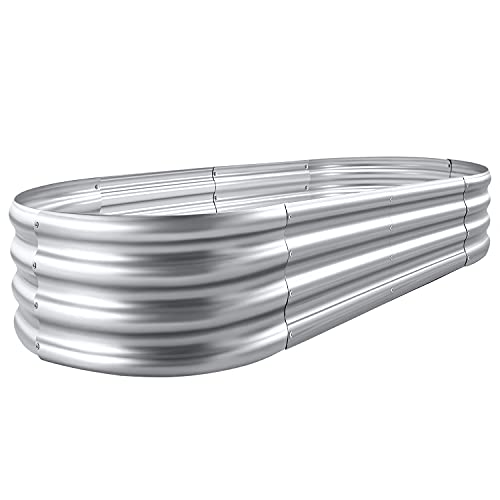
Each raised metal garden bed size: 4×2×1ft ,7.14Cu

Raised Garden Bed - Add a new level of convenience to your gardening experience with the Galvanized Raised Garden Bed. Enjoy expanded yield and a more assembled garden layout with this garden accessory, each sized at 120 cm X 60 cm x 30 cm.

High-Quality PE Material with Drainage Hole: Crafted from durable and flexible PE material, these grow bags are built to withstand outdoor conditions without cracking. The bottom drainage hole provides essential airflow to roots and prevent overwatering and root rot, ensuring your plants thrive in a well-aerated environment.
Ideal Planting Time
Plant corn when the soil temperature reaches at least 60°F (15°C). This usually occurs in late spring for most climates. You can perform a soil test by inserting a thermometer into the ground to verify temperature. Aim for early May in cooler regions and late April in warmer areas. Corn seeds germinate quickly and thrive with warmth, so timely planting is crucial for yielding healthy plants.
Spacing and Planting Depth
Space your corn seeds properly to promote healthy growth. Plant seeds about 1.5 to 2 inches deep. Avoid crowding by spacing seeds 6 to 12 inches apart within rows. Allow 24 to 36 inches between rows to provide adequate airflow and sunlight. This spacing prevents stunted growth and enhances pollination.
Use these tips for successful planting:
- Use a ruler or measuring tape for consistent spacing.
- Mark the row with string or twine for neatness.
- Plant in blocks, not straight lines, to improve pollination.
With proper timing and spacing, you set the stage for a thriving corn crop in your raised garden bed.
Caring for Your Corn Plants
Caring for your corn plants requires attention to watering, fertilization, and pest management. These key practices ensure that your corn thrives throughout the growing season.
Recommended Products

Optimized for Raised Beds: True Organic Raised Bed Food is specially designed to support abundant growth of herbs, flowers, vegetables, and fruits in raised beds and large containers.

Feed your raised bed for up to 3 months

Helps Improve Soil Nutrition – Supports balanced nutrients for healthy plant development.
Watering Needs
Watering corn plants consistently is crucial. Corn requires approximately 1 to 1.5 inches of water per week, especially during the critical tasseling phase. Use the following guidelines for effective watering:
- Check Soil Moisture: Stick your finger into the soil up to your first knuckle. If it feels dry, it’s time to water.
- Water Deeply: Water at the base of the plants to encourage deep root growth. Avoid overhead watering to reduce disease risk.
- Mulch: Apply 2 to 3 inches of organic mulch around the plants to retain moisture and suppress weeds.
Fertilization Tips
Fertilization plays a vital role in the health of your corn plants. Start with a balanced fertilizer when planting and follow up with additional applications as needed. Follow these tips:
- Initial Application: Use a fertilizer high in nitrogen, such as a 20-20-20 mix, at planting time. Apply according to the package instructions.
- Side Dressing: About 4 to 6 weeks after planting, apply more nitrogen fertilizer by side dressing. Use about 1 cup of fertilizer per 10 feet of row, placing it 6 inches away from the plants.
- Monitor Growth: Keep an eye on your plants. If you notice yellowing leaves, consider applying another dose of nitrogen.
Pest and Disease Management
Pest and disease management helps ensure healthy corn growth. Regular monitoring and proactive measures can minimize issues. Consider these strategies:
- Inspect Regularly: Check plants weekly for signs of pests like corn earworms or aphids. Look for discolored leaves or chewed edges.
- Use Insecticidal Soap: If you spot pests, treat them with insecticidal soap. Follow the manufacturer’s instructions for application to avoid harming beneficial insects.
- Rotate Crops: Avoid planting corn in the same bed for consecutive years. Rotate with legumes or squash to disrupt pest cycles and maintain soil health.
- Fungal Control: To prevent diseases such as rust or blight, ensure proper spacing for air circulation. Water early in the day to allow leaves to dry quickly.
By following these care tips, you can foster a healthy environment for your corn plants, maximizing your harvest from the raised garden bed.
Harvesting Corn
Harvesting corn involves knowing the right signs of ripeness and using best practices to ensure a successful yield.
Signs of Ripeness
Look for several indicators that corn is ready for harvest. The silk at the top of the ear should turn brown and dry out. Kernels should be plump and feel firm when lightly pressed. If the kernels release a milky juice, the corn is likely in the perfect eating stage. For sweet corn, aim to harvest when the kernels are fully formed but still tender. Timing is crucial, as waiting too long can result in tougher kernels.
Best Practices for Harvesting
Follow these best practices to harvest your corn effectively:
- Use Proper Tools: A sharp knife or garden scissors works best for cutting the corn ears from the stalk.
- Know the Right Time: Harvest in the morning, when temperatures are cooler, for fresher corn.
- Twist and Pull: Grip the corn ear, twist it gently, and pull downward to detach it from the stalk.
- Check for Pests: Inspect ears for pests or damage before bringing them indoors.
- Store Properly: Keep harvested corn in a cool place and use it within a few days for the best flavor.
Following these steps ensures you enjoy sweet and delicious corn right from your raised garden bed.
Conclusion
Growing corn in a raised garden bed can be a rewarding experience. With the right preparation and care you’ll be on your way to enjoying delicious homegrown corn. Remember to choose the right variety for your climate and space and pay attention to soil conditions and watering needs.
Harvesting your corn at the right time ensures you get the best flavor and quality. So take the plunge and start your corn garden. You might just find that it’s easier than you thought and the satisfaction of growing your own corn is worth every effort. Happy gardening!
Frequently Asked Questions
How hard is it to grow corn in a raised garden bed?
Growing corn in a raised garden bed is quite manageable with proper preparation. Selecting a sunny location, using well-draining soil, and ensuring the right pH are key steps. With some planning and care, even new gardeners can successfully cultivate corn.
What type of soil is best for growing corn?
Corn thrives in well-draining soil with a pH between 5.8 and 7.0. It’s beneficial to mix in compost or aged manure along with a balanced fertilizer to provide essential nutrients for optimal growth.
Which corn varieties are best for different climate zones?
Select corn varieties based on your USDA hardiness zone. For zones 3-4, choose short-season types like ‘Early Sunglow’. Mid-season ‘Kandy Korn’ works well for zones 5-7, while long-season ‘Honeysuckle’ suits zones 8-11.
How should I plant corn seeds in a raised bed?
Plant corn seeds when the soil temperature reaches at least 60°F (15°C), typically in late spring. Sow seeds 1.5 to 2 inches deep, spacing them 6 to 12 inches apart in rows, with 24 to 36 inches between rows for optimal growth.
How much water does corn need?
Corn requires about 1 to 1.5 inches of water per week, especially during the tasseling phase. Consistent watering ensures healthy plants and maximizes yield. Deep watering is recommended to encourage strong root development.
What should I do for pest management when growing corn?
Regular inspections of corn plants are important for pest management. Use insecticidal soap for infestations, practice crop rotation, and ensure proper spacing to prevent fungal diseases. Keeping an eye out can help maintain healthy plants.
How do I know when corn is ripe for harvest?
Corn is ready for harvest when the silk turns brown and dry, kernels are plump, and pressing them releases milky juice. Harvesting in the morning guarantees maximum freshness and flavor.
What are the best practices for harvesting corn?
Use a sharp knife to cut the corn ears, twist and pull to detach them, and check for pests before storing. Store harvested corn in a cool place to maintain its delicious flavor and quality.

My interest in trees started when I first saw the giant sequoias in Yosemite.I was a teenager then, and I remember thinking, “I need to learn more about this.”That moment stuck with me.A few years later, I went on to study forestry at Michigan Tech.
Since graduating, I’ve worked in a mix of hands-on tree care and community education.I’ve spent over ten years helping people understand how to plant, maintain, and protect the trees in their neighborhoods.I don’t see trees as just part of the landscape.They are living things that make a real difference in our daily lives.