Do you find yourself battling weeds in your vegetable garden every growing season? You’re not alone. Many gardeners face this frustrating challenge, watching their hard work get overshadowed by unwanted plants that steal nutrients and space.
Key Takeaways
- Weed Control Is Crucial: Maintaining a weed-free garden enhances plant health, productivity, and soil integrity by reducing competition for nutrients and water.
- Effective Soil Preparation: Testing and amending soil, along with tilling and using cover crops, can suppress weed germination and promote a healthier garden environment.
- Use Mulching: Applying 2 to 4 inches of organic mulch helps block sunlight and prevent weed growth, while also retaining moisture in the soil.
- Hand Weeding Techniques: Regularly remove weeds when the soil is moist, targeting small ones early, and ensuring complete root removal to prevent regrowth.
- Opt for Organic Herbicides: Household solutions like vinegar and boiling water can be effective for controlling stubborn weeds without chemicals.
- Employ the Right Tools: Utilize specialized gardening tools, like hand weeders and hoes, to efficiently manage weeds and protect your vegetable garden.
Importance Of Keeping A Weed-Free Vegetable Garden
Keeping a weed-free vegetable garden enhances plant health and productivity. Weeds compete with your vegetables for essential resources, such as water, sunlight, and nutrients. Reducing this competition helps your plants thrive, yielding higher harvests.
Maintaining a weed-free environment also promotes soil health. Weeds can harbor pests and diseases that might spread to your crops. By controlling weed growth, you minimize the risk of these unwanted visitors, protecting the integrity of your garden.
Weed management saves time and effort. Regularly addressing weeds prevents them from establishing deep roots, which makes removal easier. Plus, a well-maintained garden looks visually appealing, adding to your enjoyment of gardening.
To keep your vegetable garden thriving, consider these key benefits:
- Improved Crop Yield: Weeds absorb nutrients, hindering plant growth. Less competition means healthier vegetables.
- Disease Prevention: Weeds attract pests and diseases. A clean garden reduces these risks.
- Efficient Maintenance: Addressing weeds early simplifies garden care. Quick removal techniques save time.
- Aesthetic Appeal: A tidy garden is more enjoyable to work in and view.
By prioritizing weed control, you create a vibrant vegetable garden that flourishes all season long.
Best Practices For Weed Prevention
Maintaining a weed-free vegetable garden relies on effective strategies. Implementing the right practices early on prevents weed growth and ensures your plants thrive.
Recommended Products

Includes 10lb block of Back to the Roots compressed Coconut Husk Mulch that expands to over 2 cubic feet of mulch. Use it for gardens, raised beds, pet bedding and more

100% Organic & Peat-Free: Our organix mulch mix is 100% organic & peat-free. Peat is one of Mother Nature’s most important stores of carbon. Instead of imported peat, the base of our soils is made from upcycled plant matter or wood fines from the United States!

NATURAL GARDEN COVER: Creates a clean, polished garden surface while helping minimize weed growth naturally. This organic mulch also supports healthy soil structure and nutrient balance for thriving plants.
Soil Preparation Techniques
Improve your soil to suppress weeds effectively. Start by testing your soil to know its nutrient levels and pH balance. Amend your soil with organic matter such as compost, which enhances soil structure and health. Remove existing weeds from the area before planting. Tilling the soil disrupts weed seeds and helps eliminate them. Consider planting cover crops in the off-season; these plants suppress weeds and enrich the soil.
Mulching Strategies
Utilize mulch to create a barrier against weeds. Apply organic materials like straw, wood chips, or grass clippings around your plants. Aim for a mulch depth of 2 to 4 inches, which blocks sunlight and prevents weed growth. Keep mulch away from plant stems to prevent rot. Replenish mulch regularly as it decomposes, maintaining its effectiveness. Use landscape fabric for added control; this allows water and nutrients to pass through while inhibiting weed growth beneath.
Effective Weed Control Methods
Controlling weeds effectively in your vegetable garden maximizes plant health and productivity. Here are some practical methods.
Recommended Products
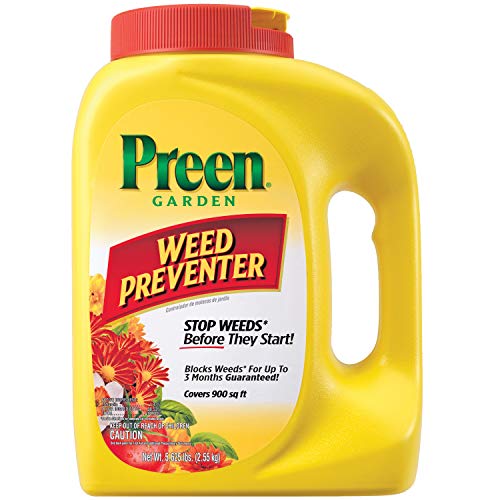
Coverage - Preen Garden Weed Preventer provides weed control for up to 900 sq. ft. This preemergent herbicide prevents weed seeds from germinating for up to 3 months when applied around established flowers, vegetable, trees, mulch & shrubs
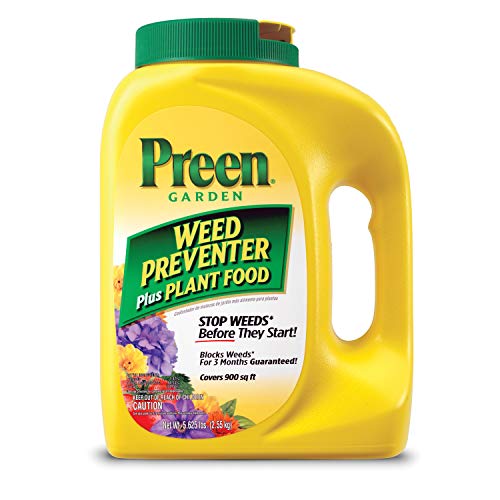
Application - This weed control product's flip-top applicator cap lets you spread the formula for precise application to distribute ready-to-apply granules over gardens. Remove existing weeds, sprinkle across garden soil in spring, summer, or fall seasons & water thoroughly
Hand Weeding Techniques
Hand weeding offers precision in removing unwanted plants. Use these approaches for effective hand weeding:
- Pull When Soil is Moist: Moist soil makes weeds easier to uproot. Aim for weeding after rain or watering.
- Weed Early and Often: Target weeds while they’re small. This reduces competition and prevents seed spread.
- Use a Hoe or Weeding Tool: A hoe can help cut weeds just below the soil surface. Invest in a quality hand weeder for stubborn roots.
- Remove Roots Completely: Ensure complete removal of the root system to prevent regrowth. Check surrounding soil for any remnants.
Organic Herbicides
Organic herbicides can provide additional control for stubborn weeds. Consider these options:
- Vinegar Solutions: Household vinegar works effectively on annual weeds. Mix 1 part vinegar with 1 part water and spray directly on leaves.
- Boiling Water: Pouring boiling water on weeds instantly kills them. Use this method on driveways or paths, avoiding desirable plants.
- Corn Gluten Meal: This natural pre-emergent herbicide prevents seed germination. Apply it in early spring before weed seeds sprout.
- Soap Solutions: Adding a few drops of dish soap to vinegar increases adherence to weeds. This helps the solution penetrate better.
Incorporate these methods into your gardening routine for a healthier, weed-free vegetable garden.
Tools And Resources For Managing Weeds
Managing weeds effectively requires the right tools and resources. Utilize these suggestions to keep your vegetable garden weed-free.
Recommended Products
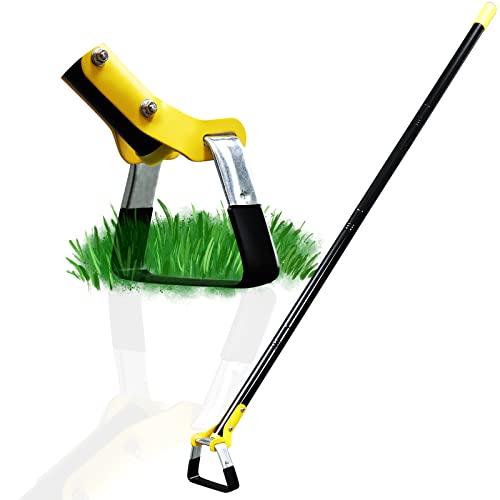
▲【Push Pull Hoe Garden Tool】Sold by DonSail US store and garden hoes are designed with push-pull motion which is safer and more efficient for weeding, cut weed roots or cultivating around live growing plants with ease.

Heavy Duty 4 Tine hand cultivator garden tool digs down and extracts the entire root for weeding flower bed that is overgrown, hard desert dirt weed grass removal, ditching, seeding vegetables even in compacted ground.

【SERRATED BLADE WITH MORE EFFICIENCY】Equipped with premium heat-treated saw steel sheets and precision ground edges that the action hoe can actively tear through stubborn vegetation. The sharp blade teeth deliver enhanced cutting performance in heavier soil types, increasing overall weeding efficiency. This serrated front edge of the scuffle hoe allows you to slice dense weed roots quickly with a pushing motion, making yard clearing faster
Recommended Gardening Tools
- Hand Weeder: A hand weeder efficiently removes weeds from their roots. Look for tools with a serrated edge for easier penetrating of soil.
- Hoe: A hoe is great for cultivating the soil and chopping weeds. Use it to create shallow grooves in the soil for quick root dislocation.
- Mulching Tools: Use a shovel or pitchfork to spread mulch evenly. This barrier prevents weed growth while retaining moisture.
- Weeding Fork: A weeding fork can help dislodge deep-rooted weeds. Insert it beneath the weed and twist to uproot without disturbing nearby plants.
- Garden Gloves: Protect your hands while pulling weeds. Choose durable gloves that provide a good grip and flexibility.
- Spray Bottle: For applying homemade organic herbicides, a spray bottle offers precision. Fill it with vinegar or soap solutions for targeted action.
- Landscape Fabric: Use landscape fabric to smother weeds. Cover the soil before planting and cut holes for seedlings, allowing air and moisture to penetrate.
- Garden Planning Apps: Apps like Garden Planner help you design your garden layout, making it easier to plan for efficient weed management and soil health.
- Weed Identification Apps: Apps such as PictureThis allow you to identify weeds quickly. Snap a photo and gain insights on removal strategies.
- Local Extension Services: Reach out to your local agricultural extension office for advice on specific weeds in your region and best management practices.
- Online Gardening Communities: Websites like Reddit’s gardening forum offer real-time advice and tips from experienced gardeners facing similar challenges.
- Books and Guides: Seek books focused on organic gardening practices. Titles like “Weeds: Control Without Poison” provide in-depth strategies for weed management.
- YouTube Tutorials: Video tutorials on gardening provide visual demonstrations of effective weeding techniques. Search for channels dedicated to organic gardening for tailored tips.
Incorporate these tools and resources into your gardening routine to enhance your weed management efforts, ensuring a thriving vegetable garden.
Conclusion
Keeping your vegetable garden weed-free is all about staying proactive and using the right strategies. With a little effort and the right tools you can create a thriving environment for your plants to flourish.
Remember that a weed-free garden not only boosts your crop yield but also makes your gardening experience more enjoyable. By following the tips shared here you’ll be well on your way to enjoying the fruits of your labor without the hassle of pesky weeds.
So get out there and embrace the joy of gardening with a clean and healthy space for your vegetables to grow. Happy gardening!
Frequently Asked Questions
What are the benefits of managing weeds in a vegetable garden?
Managing weeds improves crop yield, prevents diseases, simplifies garden maintenance, and enhances aesthetic appeal. Weeds compete for vital resources, so controlling them helps protect your crops and promotes a healthy growing environment.
How can I prevent weeds in my vegetable garden?
Prevent weeds by improving soil health, removing existing weeds before planting, and tilling the soil. Plant cover crops in the off-season and apply a layer of mulch to suppress weed growth effectively.
What type of mulch is best for weed control?
Organic materials like straw, grass clippings, and wood chips are ideal for mulching. Apply 2 to 4 inches of mulch, keeping it away from plant stems to prevent rot while providing a barrier against weeds.
What are some effective methods for controlling weeds?
Effective weed control methods include hand weeding, using a hoe, and applying organic herbicides like vinegar or boiling water. Start weeding early when the soil is moist for easier removal.
What tools do I need for successful weed management?
Useful tools include hand weeders, hoes, mulching tools, weeding forks, and garden gloves. Spray bottles for homemade herbicides and landscape fabric for suppression can also enhance your weed management efforts.
Where can I find resources for better weed management?
Utilize gardening apps for planning and weed identification, local extension services for expert advice, and online communities for tips. Books on organic gardening and YouTube tutorials are also valuable resources.

My interest in trees started when I first saw the giant sequoias in Yosemite.I was a teenager then, and I remember thinking, “I need to learn more about this.”That moment stuck with me.A few years later, I went on to study forestry at Michigan Tech.
Since graduating, I’ve worked in a mix of hands-on tree care and community education.I’ve spent over ten years helping people understand how to plant, maintain, and protect the trees in their neighborhoods.I don’t see trees as just part of the landscape.They are living things that make a real difference in our daily lives.