Are pests ruining your hard work in the vegetable garden? You’re not alone. Many gardeners face the frustration of watching their prized plants get nibbled away by unwanted critters.
But don’t worry! This article will share simple and effective strategies to keep those pests at bay. By implementing a few easy techniques, you can protect your garden and enjoy a bountiful harvest. Let’s explore how to create a thriving, pest-free environment for your vegetables.
Key Takeaways
- Identify Pests Early: Recognize common garden pests and their signs, such as leaf damage, sticky residue, and unusual growth patterns, to take timely action.
- Utilize Preventative Techniques: Implement proper planting techniques like crop rotation, healthy seed choices, and companion planting to create a resilient garden environment.
- Employ Physical Barriers: Use fences and row covers to physically block larger pests and insects, providing effective protection for your vegetable plants.
- Opt for Natural Repellents: Utilize homemade remedies and essential oils to deter pests without using harsh chemicals, promoting a healthier garden ecosystem.
- Understand Chemical Control: Be aware of organic pesticides and when to use them responsibly, ensuring minimal impact on beneficial insects and surrounding environments.
- Maintain Overall Garden Health: Regularly monitor soil health and maintain your garden through inspections and clean practices to foster robust plants that can resist pest damage.
Understanding Garden Pests
Understanding garden pests is crucial for maintaining healthy vegetables. Pests can affect plant growth and yield, making it important to identify them early.
Common Vegetable Garden Pests
- Aphids: Small, green or black insects that suck sap. They cluster on new growth and can spread disease.
- Caterpillars: Larvae of moths and butterflies. They feed on leaves, often leaving large holes.
- Slugs and Snails: Soft-bodied creatures that consume leaves and stems, leaving a shiny slime trail.
- Spider Mites: Tiny spiders that create fine webs on plants. They cause leaf discoloration and can weaken plants.
- Whiteflies: Small, white flies that suck plant juices. They can cause yellowing leaves and are hard to spot until a large population forms.
- Leaf Damage: Look for holes, discoloration, or wilting leaves. These often indicate insect activity.
- Sticky Residue: A shiny, sticky substance on leaves may signal aphid or whitefly presence.
- Webbing: Fine webs, especially on the undersides of leaves, suggest spider mite infestations.
- Droppings: Visible waste around plants can indicate caterpillar or beetle activity.
- Unusual Growth Patterns: Stunted or distorted growth can result from pest damage or disease transmission.
By recognizing these common pests and their signs, you can act promptly to protect your vegetable garden.
Preventative Measures
Preventing pests in your vegetable garden requires proactive strategies. Utilize proper planting techniques and companion planting strategies to create a thriving environment.
Proper Planting Techniques
- Choose Healthy Seeds or Seedlings: Select disease-resistant varieties. Healthy plants withstand pest infestations better.
- Follow Spacing Guidelines: Plant vegetables according to recommended spacing. Proper spacing improves air circulation and reduces humidity, making it less attractive for pests.
- Rotate Crops Annually: Rotate crops each season to disrupt pest life cycles. For example, if you grew tomatoes this year, plant them in a different spot next year.
- Timing Matters: Plant at the right time of year. This minimizes exposure to peak pest seasons. Use local planting calendars to ensure you plant when conditions are best.
- Plant Pest-Repelling Species: Use plants like marigolds or basil. Marigolds release compounds that deter nematodes and other pests.
- Attract Beneficial Insects: Include flowers like yarrow or dill. These attract ladybugs and lacewings that feed on harmful pests.
- Mixing Varieties: Interplant vegetables with herbs and flowers. This confuses pests and disrupts their search for food, providing a natural defense mechanism.
- Create Diversity: A mix of plant types increases biodiversity. Diverse gardens are less appealing to pests, as they prefer monocultures.
These preventative measures enhance your vegetable garden’s resilience against pests, leading to healthier plants and better yields.
Physical Barriers
Using physical barriers effectively keeps pests away from your vegetable garden. They create obstacles, making it harder for pests to reach your plants. Here are two effective methods to use.
Recommended Products

Defend Against Unwanted Visitors: Gardening is a rewarding and fulfilling endeavor, and you'll watch your plants grow from nothing to maturity before you finally harvest them. Once the plants begin to flower and bear fruit, these unwelcome visitors visit your garden and often leave a trail of destruction. Garden netting is the best choice for protecting your plants
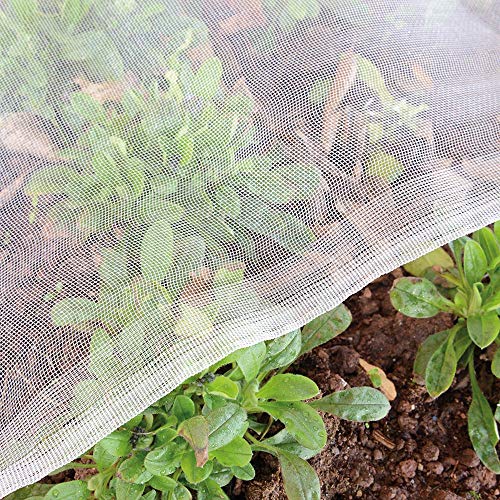
🥬Effective Bug Barrier: Protecting plants and vegetables from a wide range of pest insects and animals, such as cicadas, carrot fly and many species of aphids, you will get a healthier and happier garden
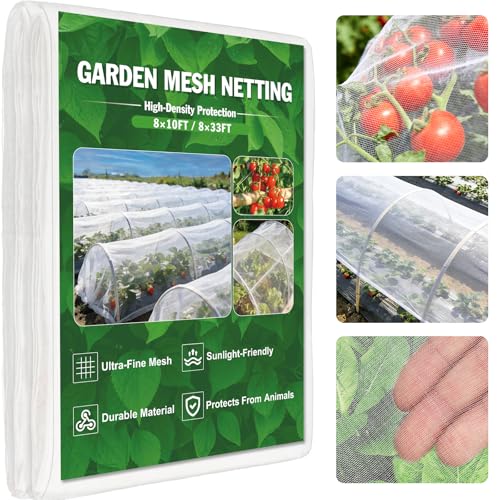
【Upgraded Fine Mesh Netting】This fine mesh garden netting uses 0.7*0.8mm high-density garden insect netting to block, birds, and small animals, offering reliable plant protection netting for vegetables and flowers
Use of Fences
Fences provide a solid defense against larger pests like rabbits and deer. When building a fence, consider the following:
- Height: A fence should be at least 3-4 feet tall to deter rabbits, while for deer, build a 6-8 foot fence.
- Material: Use sturdy materials like wood, wire mesh, or vinyl. Ensure there’s no gap at the bottom for small animals to sneak under.
- Buried Edges: Bury the bottom of the fence 6-12 inches below ground to prevent burrowing creatures from getting in.
- Electrified Options: For significant pest issues, consider electrified fences for added protection.
Row Covers and Netting
Row covers and netting protect your plants from various pests while allowing light and moisture in. Here’s how to implement them:
- Material Choice: Use lightweight fabric for row covers that can create a greenhouse effect, or fine mesh for netting to keep insects out.
- Installation: Drape the cover over your plants and secure it with weights or stakes along the edges to prevent it from blowing away.
- Timing: Install covers early in the season before pests appear, ensuring they remain in place throughout peak pest activity.
- Access: If you need to tend to your plants, use removable hoops or clips to make it easy to lift the cover without harming the plants.
Using these physical barriers creates a strong defense for your vegetable garden, helping to keep various pests at bay.
Natural Repellents
Natural repellents provide effective ways to keep pests at bay without harsh chemicals. These methods can enhance your garden’s health and promote a thriving vegetable harvest.
Recommended Products

One 4 oz bottle of OFF! Botanicals Insect Repellent protects against black flies, gnats, and no-see-ums. Repels mosquitoes that may carry the West Nile virus
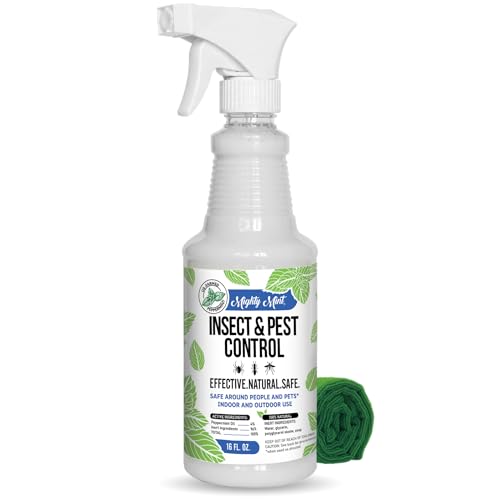
Pet-Friendly & Family-Safe Formula – Mighty Mint is a top pick for pet parents looking for a natural pest control solution. Safe to use around dogs, cats, and kids when applied as directed—no harsh fumes or dangerous chemicals, just powerful peppermint protection you can trust.

PEPPERMINT SPRAY FOR BUGS: This natural bug repellent for home is made with peppermint and cedarwood oil for pest control; it works indoor and outdoor by repelling bug, spiders, stink bugs, earwigs, flies, cats and rodents from crawling in your house, basement, attics, and yard; this is why Kate's Home & Garden insect repellent is a great indoor insect & natural pest control spray for insects to keep in your household supply
Homemade Remedies
Homemade remedies utilize common kitchen ingredients to deter pests with minimal cost. Below are several effective recipes for various pests:
- Garlic Spray: Blend a few garlic cloves with water. Strain the mixture and spray it on affected plants. The strong odor deters many insects.
- Dish Soap Solution: Mix 1 to 2 tablespoons of liquid dish soap in a gallon of water. Spray directly onto pests like aphids and spider mites to suffocate them.
- Cayenne Pepper Spray: Combine 1 tablespoon of cayenne pepper with water in a spray bottle. Spray on leaves to repel soft-bodied pests.
- Coffee Grounds: Sprinkle used coffee grounds around your plants. The caffeine can repel certain insects, while the grounds enrich the soil.
Essential Oils and Herbs
Essential oils and herbs serve as powerful pest repellents, adding aroma while protecting your garden. Consider the following options:
- Peppermint Oil: Mix 10 to 15 drops of peppermint oil with water in a spray bottle. This blend repels ants and spiders effectively.
- Lavender Oil: Dilute lavender oil in water and spray near plants. Its scent deters moths and fleas while attracting beneficial insects.
- Basil: Plant basil near vegetables. The aroma repels flies and mosquitoes while enhancing your dish’s flavor.
- Rosemary: Grow rosemary in your garden, as its strong scent deters various insects.
These natural methods can create a healthier garden environment without harming beneficial insects, ultimately leading to a successful vegetable harvest.
Chemical Control Options
Chemical control options can effectively manage pest populations in your vegetable garden when used correctly. These methods help mitigate damage while maintaining plant health.
Recommended Products

FUNGAL DISEASE CONTROL: Prevents and controls black spot on roses, powdery mildew, rust, downy mildew, and other listed fungal diseases when applied on a 7–14 day schedule

FOR ORGANIC GARDENING - Captain Jack's NeemMax is a perfect pest control solution for any garden dealing with mites, flies, mildew, and more. This product is a four-in-one insecticide, fungicide, miticide, and nematicide.
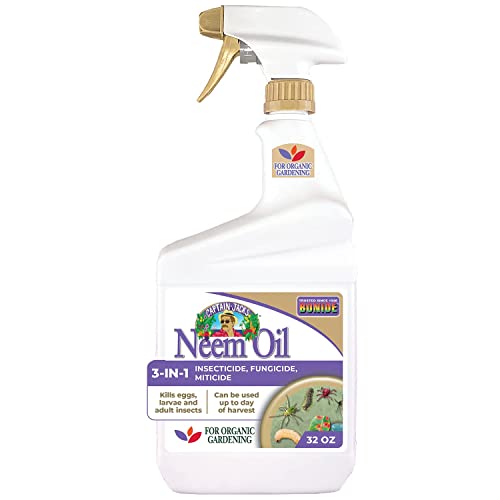
Protect your oasis with 3 garden products in 1 from Captain Jack’s; Bonide Captain Jack’s Ready-to-Use Neem Oil spray for plants is a multi-purpose fungicide, insecticide and miticide for your lawn & garden
Organic Pesticides
Organic pesticides provide a less harsh alternative to synthetic chemicals. They include ingredients derived from natural sources that target specific pests without harming beneficial insects. Examples include:
- Neem Oil – Derived from the seeds of the neem tree, this oil disrupts pest mating and feeding behaviors. Apply it as a foliar spray during the early morning or late afternoon for the best results.
- Insecticidal Soap – Made from natural plant oils and fats, it effectively suffocates soft-bodied insects like aphids and spider mites. Use it when pests first appear to prevent infestations.
- Diatomaceous Earth – A powder made from fossilized algae that cuts through the exoskeletons of insects. Sprinkle it around plants to create a barrier against crawling pests.
Always follow the manufacturer’s instructions for application rates and timing to ensure safety and effectiveness.
When to Use Chemical Solutions
Using chemical solutions can become necessary when pest populations exceed tolerable limits or when other methods fail. Consider these guidelines:
- Monitor Pest Levels – Regularly check your plants for signs of infestation. Action is needed when you notice significant leaf damage or high pest activity.
- Timing of Application – Apply chemical solutions early in the morning or late in the evening when beneficial insects are less active. This timing reduces the risk of harming helpful pollinators and predators.
- Weather Conditions – Avoid using chemicals during windy or rainy conditions, as this can lead to ineffective treatment and potential runoff into nearby areas.
Using chemical control options responsibly and selectively ensures your vegetable garden remains a healthy ecosystem.
Maintaining Garden Health
Garden health is critical for deterring pests and ensuring a fruitful harvest. By focusing on soil quality and regular monitoring, you can promote a thriving environment for your vegetables.
Soil Health and Nutrition
Soil health influences plant growth and pest resilience. Ensure your soil contains essential nutrients and maintains proper structure.
- Test Soil: Use a soil test kit to analyze pH levels and nutrient content. This provides insights into any deficiencies.
- Add Organic Matter: Incorporate compost or well-rotted manure to enrich soil fertility. Aim for a 2-3 inch layer annually for optimal results.
- Balance Nutrients: Apply organic fertilizers based on soil test results. Look for balanced options containing nitrogen, phosphorus, and potassium.
- Mulch Regularly: Apply mulch around plants to retain moisture, suppress weeds, and improve soil as it decomposes.
Healthy soil fosters robust plants that withstand pest attacks and thrive in your garden.
Regular Monitoring and Maintenance
Regular garden inspections help you catch pest issues early. Implement a consistent monitoring routine to safeguard your plants.
- Visual Inspections: Check plants for signs of pests, such as leaf damage or discolored spots. Look closely at the undersides of leaves where pests often hide.
- Record Observations: Keep a garden journal to track pest sightings and plant health. This helps identify patterns over time.
- Maintain Cleanliness: Remove dead or diseased plant material promptly to reduce pest habitats. Clean tools and containers to prevent the spread of pests and diseases.
- Adjust Watering Practices: Overwatering can create environments conducive to pests like slugs. Ensure your watering method allows for proper drainage.
By committing to soil health and regular checks, you promote a more resilient vegetable garden and reduce pest invasions.
Conclusion
Keeping pests away from your vegetable garden doesn’t have to be a daunting task. By understanding the pests that threaten your plants and implementing a mix of preventative strategies you can create a thriving garden.
Using natural repellents and physical barriers can significantly reduce pest activity while promoting a healthy ecosystem. Remember to maintain your garden’s overall health with proper soil care and regular monitoring.
With a little effort and attention you’ll be well on your way to enjoying a bountiful harvest free from pesky intruders. Happy gardening!
Frequently Asked Questions
What common pests affect vegetable gardens?
Common pests in vegetable gardens include aphids, caterpillars, slugs, spider mites, and whiteflies. Each of these pests can cause significant damage to plants, affecting their growth and yield.
How can I identify pest activity in my garden?
Look for signs such as leaf damage, sticky residue, webbing, droppings, and unusual growth patterns. Early detection of these indicators enables you to take quick action against pests.
What preventative measures can I take to deter pests?
Use healthy, disease-resistant seeds, practice crop rotation, and plant pest-repelling species like marigolds. Interplanting vegetables with herbs can also create a more diverse and pest-resistant garden.
How can physical barriers protect my garden from pests?
Fences can deter larger pests, while row covers and netting protect plants without blocking light. Ensure barriers are properly designed for effectiveness against specific threats.
Are there natural methods to repel pests in my garden?
Yes! Homemade remedies like garlic spray, dish soap solution, and essential oils (like peppermint) can deter pests without harmful chemicals, fostering a healthier garden environment.
What are some organic chemical control options for pests?
Organic pesticides like neem oil, insecticidal soap, and diatomaceous earth can manage pest populations effectively. Use them selectively to protect beneficial insects while targeting specific pests.
How can I maintain soil health to deter pests?
Test your soil, add organic matter, and maintain proper nutrient balance. Regular mulching also supports robust plant growth, making them less susceptible to pest attacks.
How often should I monitor my garden for pests?
Regular visual inspections are essential. Keep a garden journal to track changes and maintain cleanliness to create an environment less inviting to pests.

My interest in trees started when I first saw the giant sequoias in Yosemite.I was a teenager then, and I remember thinking, “I need to learn more about this.”That moment stuck with me.A few years later, I went on to study forestry at Michigan Tech.
Since graduating, I’ve worked in a mix of hands-on tree care and community education.I’ve spent over ten years helping people understand how to plant, maintain, and protect the trees in their neighborhoods.I don’t see trees as just part of the landscape.They are living things that make a real difference in our daily lives.