Ever wondered how to grow your own peanuts right in your backyard? Imagine stepping outside to harvest fresh, crunchy peanuts that you’ve nurtured from seed to snack. It’s easier than you might think, and with a little guidance, you can enjoy this rewarding gardening experience.
Key Takeaways
- Understanding Peanut Varieties: Familiarize yourself with different types of peanuts—Virginia, Runner, Spanish, and Valencia—to choose the best fit for your garden and culinary needs.
- Nutritional Benefits: Peanuts are rich in protein, healthy fats, and essential vitamins and minerals, making them a nutritious addition to your diet.
- Garden Preparation: Select a sunny, well-drained location with sandy or loamy soil and a pH level between 6.0 and 6.5 to create optimal conditions for peanut growth.
- Planting Guidelines: Plant peanuts after the last frost in late spring, ensuring a soil temperature of at least 65°F and soaking seeds for 24 hours before sowing.
- Caring for Peanut Plants: Maintain consistent soil moisture, fertilize appropriately, and manage pests and diseases to promote healthy growth and productivity.
- Harvesting Tips: Harvest peanuts when foliage turns yellow and pods plump, and cure them properly in a cool, dry place for the best flavor and storage.
Understanding Peanuts
Understanding peanuts helps you appreciate their unique growth requirements and benefits. You can cultivate various peanut varieties, each boasting distinct flavors and uses.
Peanuts Varieties
- Virginia Peanuts: Virginia peanuts are large, known for their crunchiness. They’re perfect for snacking and are often used in gourmet peanut products.
- Runner Peanuts: Runner peanuts grow well in rows, making them ideal for commercial farming. This variety produces uniform kernels and is common in peanut butter production.
- Spanish Peanuts: Spanish peanuts contain smaller, rounder kernels. Their higher oil content gives a rich flavor, making them popular for candy and snack mixes.
- Valencia Peanuts: Valencia peanuts have three or more kernels per pod and are sweet in taste. They’re best roasted and enjoyed straight or used in peanut butter.
Nutritional Benefits of Peanuts
Peanuts provide numerous health benefits. They are rich in protein, with about 7 grams per ounce. This protein content supports muscle growth and repair.
Peanuts also offer healthy fats, primarily monounsaturated fats. These fats promote heart health and help lower cholesterol levels.
Additionally, they are packed with vitamins and minerals. Notable nutrients include vitamin E, magnesium, and folate, which support various bodily functions. Antioxidants in peanuts, like resveratrol, combat oxidative stress and inflammation, contributing to overall wellness.
Integrating peanuts into your diet can enhance nutritional intake, making them a valuable crop to grow in your garden.
Preparing Your Garden
Preparing your garden for peanuts sets the stage for successful growth. Follow these steps to create the ideal environment for your peanut plants.
Recommended Products

Quick, at home results for Soil pH, Nitrogen, Phosphorous and Potash Innovative and inexpensive soil test kit features an easy-to-use capsule system and patented color comparators

KNOW BEFORE YOU GROW | Grow the healthiest, sustainable lawn and garden with the most accurate and easy to use professional soil test kit on the market

Kindly NOTE: This soil tester can not be applied to test pH value of any other liquid. If the soil is too dry the indicator will not move, and water it before testing.
Choosing the Right Location
Select a sunny spot in your garden. Peanuts thrive in full sunlight, requiring at least 6-8 hours of direct sunlight each day. Opt for a location with good drainage, as peanuts don’t like sitting in water. If possible, avoid areas where other legumes, like beans or peas, have grown in recent seasons, to reduce disease risk.
Soil Requirements
Ensure your soil is sandy or loamy, which allows for effective drainage and root development. Peanuts prefer a pH level between 6.0 and 6.5. Test your soil to check its pH; if it’s too acidic, you can amend it with lime. Incorporate organic matter like compost to enrich the soil and improve its structure. Aim for a soil temperature of at least 65°F before planting your peanuts, ensuring optimal germination and growth.
Planting Peanuts
Planting peanuts involves careful timing and technique. Follow these guidelines to ensure a successful planting process.
Recommended Products

Spanish Peanut Seeds offer a compact, heirloom variety celebrated for its bold flavor and traditional appeal. These peanuts produce small, high-oil nuts that are perfect for roasting, snacking, and homemade peanut butter. A great choice for gardeners seeking a productive, easy-to-grow crop with culinary versatility.

Growing Carolina African Runner Peanuts is both rewarding and simple, ideal for gardeners looking to cultivate a piece of history. The plants require full sun and loose, sandy soil for optimal development, with peanuts forming underground as the plant matures. With proper care, you'll enjoy a plentiful harvest of these flavorful peanuts in just a few months.

Country/Region Of Manufacture:United States, Mpn:Vegetable/grain/annual
When to Plant
Plant peanuts after the last frost, typically in late spring. Aim for a soil temperature of at least 65°F to promote germination. In most regions, this means planting peanuts between May and June. Monitor your local weather patterns and be prepared to adjust your planting schedule based on your climate.
- Prepare the Seeds: Choose disease-free seeds from reliable sources. You can use raw, unroasted peanuts available at garden centers or online.
- Soak the Seeds: Soak your seeds in water for 24 hours before planting. This helps speed up germination.
- Space the Rows: Create rows spaced 30 inches apart to allow ample room for growth.
- Plant the Seeds: Sow seeds about 2 inches deep, spacing each seed 6 to 8 inches apart within the row. Ensure the pointed end of the seed faces down.
- Cover and Water: Cover the seeds with soil and gently water the area. Keep the soil consistently moist but avoid overwatering to prevent rot.
- Mulch: After planting, apply a light layer of mulch around the plants. This helps retain moisture and suppress weeds.
Following these steps closely improves the chance of a bountiful peanut harvest, allowing you to enjoy the fruits of your labor later in the season.
Caring for Peanut Plants
Caring for peanut plants involves regular attention to their specific needs for water, nutrients, and protection from pests. Proper care ensures healthy growth and a fruitful harvest.
Recommended Products
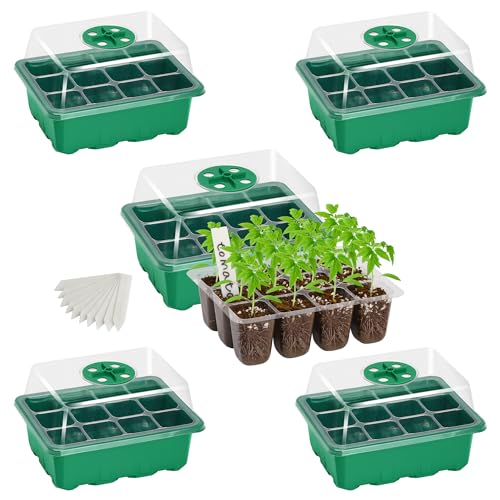
【Keep an eye on your plant】: The only design in the market- High quality clear plastic trays of this seed grow kit make it easier to observe your plants without interrupting the process.

【Value Package】The kit contain 4 pcs base trays, 4 pcs seed trays with 12 cells in each, 4 pcs humidity lids with dome, and 50 pcs peat pellets, not need soil to fill the cells, help you keep clean and tidy when planting, and creates a moist and warm environment needed for seed germination.

CULTIVATE NUTRITIOUS DELIGHTS WITH EASE: Transform your indoor space into a mini peanut farm with our all-in-one plant seeds kit. Experience the satisfaction of growing fresh peanuts high in protein, boosting your health and culinary creations.
Watering Requirements
Peanut plants thrive with consistent moisture. Water them regularly to keep the soil evenly moist, especially during flowering and pod development. Aim for about 1 inch of water per week. Use a rain gauge or a container to track rainfall. If your area experiences dry spells, irrigate to maintain moisture levels. Avoid overwatering, as peanuts do not tolerate soggy soil conditions. Water must penetrate at least 12 inches deep to encourage deep root growth.
Fertilization Tips
Fertilizing peanuts correctly promotes healthy plant development. Use a balanced fertilizer with equal parts nitrogen, phosphorus, and potassium, such as a 10-10-10 formulation. Apply about 2-3 weeks after planting and again around flowering time. Incorporating organic matter, like compost, enriches the soil and adds beneficial microbes. Monitor plant growth and adjust fertilization based on symptoms of nutrient deficiency, such as yellowing leaves, which may indicate a need for nitrogen.
Pest and Disease Management
Managing pests and diseases early can prevent significant crop loss. Common pests include aphids, spider mites, and nematodes. Use organic insecticidal soap or neem oil to control infestations. Rotate crops each year to prevent disease buildup in the soil. Watch for common diseases like leaf spot and root rot; ensure good air circulation by spacing plants adequately. If you notice any infected plants, remove and dispose of them immediately to protect your healthy plants.
Harvesting Peanuts
Harvesting peanuts is an exciting step in your gardening journey. Knowing when and how to harvest ensures a successful yield.
Signs of Ready Peanuts
Look for several signs to determine when peanuts are ready for harvest.
- Foliage Color: Leaves may turn yellow and start to drop. This change often indicates maturity.
- Flowering: Watch for the end of flower production; peanuts stop flowering once the pods mature.
- Time: Typically, peanuts mature 120 to 150 days after planting, depending on the variety.
- Pod Check: Gently dig around the base of a few plants and inspect the pods. If they’re plump and have filled out, it’s a good sign.
How to Harvest
Harvesting peanuts requires care to ensure you don’t damage the pods. Follow these steps for optimal results:
- Timing: Choose a dry day for harvesting. This prevents mud from sticking to the peanuts.
- Loosen Soil: Use a garden fork to loosen the soil around the plant’s roots. Take care not to puncture the pods.
- Uproot Plants: Pull the plants out gently, shaking off any excess dirt. Grasp them by the stem and pull them up from the ground.
- Remove Pods: After pulling, shake the plants slightly to dislodge loose soil and make it easier to handle.
- Curate: Hang the plants upside down in bundles, ideally in a cool, dry place. This allows them to cure for 2 to 3 weeks.
- Storage: Once cured, store the peanuts in a cool, dry place in breathable containers to keep them fresh.
Following these guidelines ensures a fruitful harvest, enabling you to enjoy homegrown peanuts.
Conclusion
Growing peanuts in your garden can be a fun and fulfilling project. With the right care and attention you can enjoy a delicious harvest that adds flavor to your meals and snacks. Remember to choose the right variety that suits your taste and follow the tips for planting and maintenance.
As you watch your peanut plants thrive under the sun you’ll appreciate the effort you put into nurturing them. Harvesting your own peanuts is not just rewarding but also a great way to connect with nature. So grab your gardening tools and get started on this exciting journey. You won’t regret it!
Frequently Asked Questions
What are the best peanut varieties to grow in my backyard?
The best peanut varieties for home gardens include Virginia, Runner, Spanish, and Valencia. Each variety offers distinct flavors and culinary uses. Virginia peanuts are large and great for snacks, Runner peanuts are popular for peanut butter, Spanish peanuts have a reddish skin, and Valencia peanuts are sweet and often used for boiling.
How do I prepare my garden for growing peanuts?
To prepare your garden for peanuts, choose a sunny location with well-drained sandy or loamy soil. The ideal soil pH is between 6.0 and 6.5, and ensure the soil temperature reaches at least 65°F before planting to promote healthy growth and seed germination.
When is the best time to plant peanuts?
The best time to plant peanuts is in late spring when the soil temperature is consistently around 65°F. This typically occurs after the last frost, allowing for optimal germination and growth conditions.
What care do peanut plants need?
Peanut plants require consistent moisture, balanced fertilizers, and effective pest management. Water regularly, but avoid waterlogging. Use organic treatments for pests and apply fertilizers as needed to support healthy growth throughout the growing season.
How do I know when to harvest my peanuts?
You can tell peanuts are ready to harvest when the foliage turns yellow and begins to wilt. The pods should be firm and mature. Carefully check the maturity of the pods by digging around the plant before harvesting.
What are the steps for harvesting peanuts?
To harvest peanuts, choose a dry day, loosen the soil around the plants, and gently uproot them by hand or with a shovel. Afterward, cure the peanuts in a cool, dry place for about two weeks to enhance flavor and storage quality.

My interest in trees started when I first saw the giant sequoias in Yosemite.I was a teenager then, and I remember thinking, “I need to learn more about this.”That moment stuck with me.A few years later, I went on to study forestry at Michigan Tech.
Since graduating, I’ve worked in a mix of hands-on tree care and community education.I’ve spent over ten years helping people understand how to plant, maintain, and protect the trees in their neighborhoods.I don’t see trees as just part of the landscape.They are living things that make a real difference in our daily lives.