Have you ever thought about growing your own ginger but didn’t know where to start? If you love cooking with fresh ingredients, adding ginger to your garden can be a game-changer. It’s not just a flavorful spice; it’s also packed with health benefits.
Imagine stepping into your garden and picking fresh ginger for your favorite dishes or teas. It’s easier than you might think! This article will guide you through the simple steps to cultivate ginger right in your backyard. Get ready to enjoy the satisfaction of growing your own spice and enhancing your meals with a touch of homegrown goodness.
Key Takeaways
- Select the Right Variety: Choose from common ginger varieties like Zingiber officinale, Baby Ginger, or Organic Ginger to suit your culinary needs and climate conditions for optimal growth.
- Prepare the Garden Bed: Ensure well-draining, loamy soil with a pH between 6.0 and 6.8, and provide partial shade and warmth for successful ginger cultivation.
- Proper Planting Techniques: Plant fresh rhizomes in early spring, cut larger pieces with buds, and space them 12 inches apart to promote healthy root development.
- Regular Care Requirements: Maintain consistent watering (1-2 inches per week), use balanced fertilizers every 4-6 weeks, and apply mulch to retain soil moisture and suppress weeds.
- Know When to Harvest: Look for yellowing leaves and wilting foliage as signs of maturity, typically 8-10 months after planting, and harvest carefully to ensure the best quality.
- Post-Harvest Handling: Clean harvested ginger thoroughly, cure it to enhance flavor, and store appropriately to enjoy its fresh taste in your favorite dishes.
Choosing the Right Ginger Variety
Selecting the right ginger variety is crucial for successful growth and flavor. Depending on your culinary needs, different varieties offer unique characteristics.
Recommended Products

🌱 4 LIVE EDIBLE GINGER ROOT PLANTS – Receive healthy, vigorous live plants for planting, ready to grow fresh, organic ginger in your garden or containers.

Organic Crystallized Ginger Chunks – Enjoy the bold, spicy-sweet flavor of real ginger with Badia Organic Crystallized Ginger, made from premium diced ginger root and gently coated with cane sugar—certified USDA Organic and bursting with natural zing

𝐏𝐫𝐞𝐦𝐢𝐮𝐦 𝐎𝐫𝐠𝐚𝐧𝐢𝐜 𝐆𝐢𝐧𝐠𝐞𝐫 𝐑𝐨𝐨𝐭 𝐂𝐮𝐭 𝐚𝐧𝐝 𝐒𝐢𝐟𝐭𝐞𝐝: Our organic ginger root is carefully selected and cut for quality and consistency. Ideal for culinary and herbal uses, this dried ginger adds warm, zesty flavor to a variety of recipes. Perfect for homemade spice blends, marinades, or infusions. A great pantry staple for anyone who enjoys cooking with ginger spice or preparing organic herbal tea at home.
Common Ginger Varieties
- Zingiber officinale: This is the most commonly grown ginger. It’s known for its spicy, pungent flavor, making it a popular choice in cooking and baking.
- Baby Ginger: This young ginger is harvested before it matures. Its skin remains thin and tender, offering a milder taste, perfect for pickling or using fresh in salads.
- Organic Ginger: Grown without synthetic fertilizers or pesticides, organic ginger provides a robust flavor and appeals to health-conscious gardeners.
- Blue Ginger (Zingiber zerumbet): This ornamental variety features attractive foliage and can produce edible rhizomes. It’s ideal for creating a beautiful garden with functional plants.
- Yellow Ginger: Known for its vibrant yellow skin and bright flavor, this variety is often used in teas and traditional dishes. It has a stronger aroma compared to common ginger.
- Black Ginger (Kaempferia parviflora): Rich in antioxidants, this variety is popular in herbal supplements. It offers unique health benefits but may require special care in cultivation.
When choosing a variety, consider factors like climate, space, and intended use. Proper selection ensures a bountiful harvest and enhances your gardening experience.
Preparing Your Garden Bed
Preparing your garden bed is crucial for a successful ginger harvest. By ensuring optimal conditions, you set the stage for healthy growth and a robust yield.
Recommended Products

Accurate Soil pH Testing: Dewildetradingco Soil pH Test Strips offer measurements of soil pH levels (pH 3.5-9). As an essential tool for every gardener and grower, these test strips help determine the optimal pH for various plants, such as outdoor plants, indoor plants, gardens, grass lawns, fruit trees, flowers, vegetables, and forest shrubs.

PROFESSIONAL-GRADE ACCURACY: Engineered specifically for soil pH testing, delivering results quickly (in about 60 seconds). With a 3rd Generation, 3-pad ph tester strips design, our soil ph test kit ensures consistent, repeatable results for all your lawn, landscape and garden needs.

General Hydroponics pH Control Kit contains everything you need to measure pH levels of your hydroponic grow reservoirs
Soil Requirements
Ginger thrives in well-draining, loamy soil with a pH level between 6.0 and 6.8. To create the ideal conditions, follow these steps:
- Test the Soil: Use a home testing kit to check the pH level and nutrient composition.
- Amend the Soil: Incorporate organic matter like compost or well-rotted manure to improve fertility and drainage.
- Tilling: Till the soil to a depth of at least 12 inches to loosen it and facilitate root expansion.
- Drainage: If your garden area has poor drainage, consider building raised beds to prevent waterlogging.
Sunlight and Temperature Considerations
Ginger enjoys warm conditions and indirect sunlight. Follow these guidelines for optimum placement:
- Sunlight Exposure: Choose a location that receives partial shade. Direct sunlight can scorch the leaves, so consider planting near taller plants or using shade cloth.
- Temperature Range: Ginger prefers temperatures between 70°F and 90°F. In cooler climates, start your ginger indoors or use row covers to retain warmth.
- Frost Protection: Protect your ginger from frost by covering the bed with mulch or bringing potted plants indoors during cold snaps.
By paying attention to soil quality, sunlight, and temperature, you create a perfect environment for growing ginger in your garden.
Planting Ginger
Planting ginger in your garden requires careful timing and technique. By following specific steps, you can foster healthy growth and a flavorful harvest.
Recommended Products

This set includes 3 ginger, 3 jerusalem artichoke, and 3 turmeric rhizomes
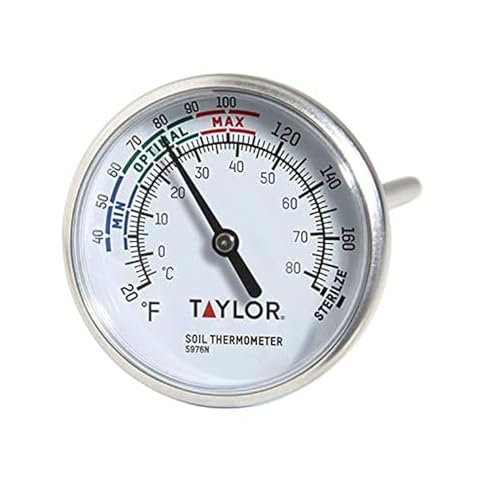
PRECISE SOIL TEMPERATURE READINGS: Measures soil temperatures from 20 degrees F to 180 degrees F (0 degrees C to 80 degrees C) with a large, easy-to-read analog dial face - no batteries or digital screens needed for reliable results every time
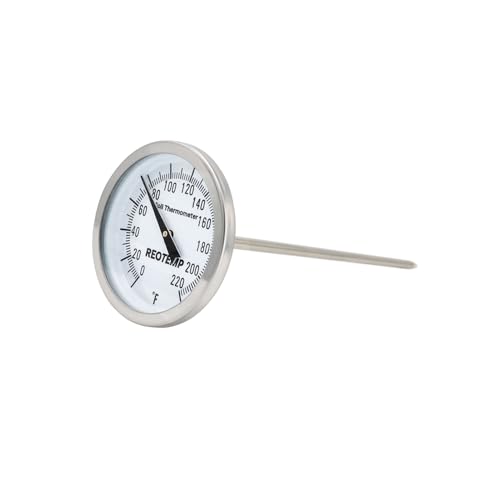
Corrosion Resistant 304 Stainless Steel Case, Bezel and 5" Stem
When to Plant Ginger
Plant ginger in early spring once the risk of frost has passed. Soil temperatures should be consistently above 60°F. For most regions, this typically occurs between March and April. If you’re in a warmer climate, you might be able to plant even earlier. Regularly check weather forecasts to avoid surprises, as late frosts can hinder growth.
- Choose Rhizomes: Select fresh, plump rhizomes with visible buds. Look for pieces at least 1 ounce in size, each with one or two buds.
- Prepare Soil: Ensure the soil is well-draining, loose, and rich in organic matter. Mix compost or well-rotted manure into the soil for nutrients.
- Cut and Cure: If your rhizome is large, cut it into smaller pieces, ensuring each has a bud. Leave them to cure in a cool, dark place for 24-48 hours; this helps form a protective skin.
- Planting Depth: Plant rhizomes about 2 inches deep, placing the bud upward. Space them roughly 12 inches apart for adequate growth.
- Watering: Water the soil lightly after planting to settle it around the rhizomes. Maintain consistent moisture without overwatering, as soggy soil can cause rot.
- Mulching: Add a layer of mulch to retain soil moisture and suppress weeds. Organic materials like straw or dried leaves work well.
By following these straightforward steps, you can successfully plant ginger and watch your garden flourish.
Caring for Your Ginger Plants
Caring for your ginger plants involves key practices that ensure healthy growth. Focus on watering, fertilizing, and providing support for your plants.
Watering Guidelines
Water ginger plants regularly to keep the soil consistently moist, but avoid over-saturation. Aim for about 1-2 inches of water per week, adjusting based on rainfall and temperature. Check the soil’s moisture by sticking your finger about an inch into the ground. If it feels dry, it’s time to water. During dry spells, consider using drip irrigation to provide a steady moisture supply without soaking the leaves. Mulching around the base of the plants helps retain moisture and reduces weed growth.
Fertilizing Your Ginger Plants
Fertilizing ginger plants promotes robust growth and vibrant flavors. Use a balanced, slow-release fertilizer with equal parts nitrogen, phosphorus, and potassium, or opt for organic options like compost or worm castings. Apply the fertilizer every 4-6 weeks during the growing season, starting about a month after planting. Disperse about 1-2 tablespoons per plant, mixing it into the top layer of soil to encourage absorption. In addition, avoid nitrogen-heavy fertilizers later in the growing season, as they may compromise the rhizome’s flavor.
Harvesting Ginger
Harvesting ginger at the right time ensures the best flavor and quality. Understanding when and how to harvest makes a big difference in your gardening experience.
Signs of Maturity
Ginger plants show clear signs of maturity before it’s time to harvest. Look for these indicators:
- Yellowing Leaves: Healthy ginger plants produce leaves that eventually turn yellow as they approach maturity.
- Wilting Foliage: As the plant matures, the leaves start to wilt or die back, indicating readiness.
- Rhizome Size: Check the thickness of the rhizomes by gently digging around them. Mature rhizomes typically reach about 1-2 inches in diameter.
- Time Frame: Generally, ginger takes 8-10 months to mature after planting, depending on the variety and growing conditions.
How to Harvest Ginger Properly
Proper harvesting techniques help protect the plant and ensure you get the best yield. Follow these steps:
- Choose a Dry Day: Select a dry day for harvesting to avoid excessive moisture getting into the soil.
- Water Before Harvesting: Water the plant a day prior to harvesting. This helps loosen the soil around the rhizomes.
- Use a Garden Fork: Carefully insert a garden fork about 6-8 inches from the base of the plant.
- Lift Gently: Lift the rhizome out of the ground gently. Avoid pulling on the stems to prevent breaking them.
- Inspect the Rhizomes: Look for blemishes or rot. Healthy rhizomes are firm and plump; discard any damaged ones.
- Clean the Rhizomes: Rinse the harvested rhizomes under cool water to remove soil.
- Cure the Ginger: To enhance flavor, allow the cleaned rhizomes to air dry for a few days in a shaded area before using or storing.
Following these steps helps you enjoy homegrown ginger while maintaining the quality of your harvest.
Conclusion
Growing ginger in your garden is a rewarding experience that adds flavor and health benefits to your meals. With the right variety and a bit of care you can enjoy fresh ginger right from your backyard.
Remember to provide the ideal growing conditions and take the time to nurture your plants. When harvest time comes you’ll appreciate the fruits of your labor and the incredible taste of homegrown ginger.
So grab your gardening tools and get started on this flavorful journey. You won’t regret it!
Frequently Asked Questions
What are the health benefits of growing ginger at home?
Growing ginger at home offers numerous health benefits, including anti-inflammatory properties, digestive support, and immune system enhancement. Fresh ginger is rich in antioxidants and can help alleviate nausea, improve gut health, and may even reduce muscle soreness.
How do I choose the right ginger variety for my garden?
When choosing a ginger variety, consider climate, space, and intended use. Popular varieties include Zingiber officinale for spice, Baby Ginger for mild flavor, Organic Ginger for chemical-free growth, and Black Ginger for its antioxidants. Select one that suits your gardening conditions and cooking needs.
What are the soil requirements for growing ginger?
Ginger grows best in well-draining, loamy soil with a pH level between 6.0 and 6.8. Enhance soil conditions by testing pH, amending with organic material, and tilling to at least 12 inches deep. Proper drainage is essential for preventing root rot.
When is the best time to plant ginger?
The best time to plant ginger is in early spring, after the risk of frost has passed and the soil temperature is consistent at over 60°F. This timing helps ensure optimal growth and a successful harvest.
How do I care for my ginger plants?
To care for ginger plants, keep the soil consistently moist by watering regularly, aiming for 1-2 inches of water weekly. Use mulch to retain moisture and reduce weeds. Fertilize every 4-6 weeks with a balanced fertilizer or organic options to promote healthy growth.
How can I tell when my ginger is ready to harvest?
Ginger is typically ready to harvest after 8-10 months, indicated by yellowing leaves and wilting foliage. Large rhizomes are another sign. Harvest on a dry day, using a garden fork to gently lift the rhizomes without damaging them.
What is the proper way to cure harvested ginger?
To cure harvested ginger, allow the rhizomes to air dry for a few days in a shaded area. This process enhances the flavor and extends the shelf life of your homegrown ginger, making it ideal for culinary use.

My interest in trees started when I first saw the giant sequoias in Yosemite.I was a teenager then, and I remember thinking, “I need to learn more about this.”That moment stuck with me.A few years later, I went on to study forestry at Michigan Tech.
Since graduating, I’ve worked in a mix of hands-on tree care and community education.I’ve spent over ten years helping people understand how to plant, maintain, and protect the trees in their neighborhoods.I don’t see trees as just part of the landscape.They are living things that make a real difference in our daily lives.