Have you ever dreamed of growing your own vegetables or flowers but didn’t know where to start? Installing a garden bed can transform your outdoor space and make that dream a reality. Whether you’re looking to create a cozy corner for herbs or a larger plot for veggies, a garden bed is the perfect solution.
Key Takeaways
- Types of Garden Beds: Understand the three primary types—raised beds for easy access and drainage, in-ground beds for larger spaces, and container beds for limited areas.
- Site Selection: Choose a location that receives at least 6-8 hours of sunlight and has easy access to water; avoid low-lying areas prone to water accumulation.
- Material Considerations: Select untreated wood, stone, or composite materials for durability, while avoiding treated wood to prevent chemical leaching into the soil.
- Installation Process: Follow a step-by-step method including clearing the area, leveling the ground, assembling the frame, and filling the bed with a nutrient-rich soil mix.
- Maintenance Practices: Implement regular mulching, watering, weeding, and fertilizing to keep plants healthy; also consider crop rotation and end-of-season cleanup for optimal soil health.
- Accessibility and Comfort: Raised beds not only enhance soil quality but also make gardening more accessible for individuals with mobility issues.
Understanding Garden Beds
Garden beds are defined areas in your yard or garden that provide a controlled environment for planting. They elevate your gardening experience by improving soil quality, enhancing drainage, and making weeding easier.
Types of Garden Beds
- Raised Beds
Raised beds sit above ground level. They drain well, warm quickly in spring, and prevent soil compaction. They can range from a few inches to several feet high, depending on your needs. - In-Ground Beds
In-ground beds consist of planting directly in the native soil. This option is ideal for large garden spaces. Ensuring good drainage and soil quality is critical for success. - Container Beds
Container beds involve using pots or other vessels for growing plants. They’re perfect for small spaces or patios. Containers allow more flexibility in plant choice and placement.
Benefits of Garden Beds
- Soil Control
You determine the soil quality, leading to healthier plants. Customized soil can improve nutrient availability. - Easier Access
Raised beds reduce bending and kneeling, making gardening more accessible. This feature benefits older adults or those with mobility issues. - Weed Management
Defined borders help you control weeds. Less competition means your plants thrive better.
Ideal Planting Locations
- Sunlight
Most vegetables and flowers thrive in full sun, requiring at least 6-8 hours daily. Choose a location with maximum exposure. - Water Supply
Access to water simplifies irrigation. Consider proximity to a hose or a rainwater collection system.
- Size Selection
Determine the size based on available space and your planting goals. A common size for a raised bed is 4 feet by 8 feet. - Material Choice
Use untreated wood, stone, or composite materials for durability. Avoid treated wood due to chemicals that can leach into the soil. - Soil Preparation
Ensure the soil is well-draining and rich in organic matter. Compost and aged manure enhance soil fertility.
By understanding garden beds and their various aspects, you create the perfect setup for your gardening ventures. The right type, benefits, and planning lead to fruitful growing experiences.
Selecting the Right Location
Selecting the right location for your garden bed significantly impacts your gardening success. Consider the following factors carefully.
Recommended Products

Convenient Drip irrigation kit has everything needed to water up to a 4’ x 8’ raised bed garden

WATER EVERY PLANT, NOT JUST SOME: Each of the 18 planting squares delivers 16 streams for even, soil-level irrigation at every plant. This vegetable garden watering system prevents dry spots & removes the guesswork of laying drip line & emitters.

Be a Gardening Master with the help of our superior and complete Drip Irrigation Kit: 50ft flexible & durable PVC 5/16" Irrigation Tubing + 50ft 1/4" Drip Distribution Tubing + 2 x Female Thread Water Connectors for 5/16" Mainline + 20 Barbed Drip Emitters Stream + 10 Barbed Drip Emitters Vortex + 4 x 1-Way, 6 x 2-Way and 2 x 4-Way Barbed Splitters from 5/16" to 1/4" + 5 x 1/4" Tubing Tee Splitters + 2 x 5/16" Mainline End Plugs + 5 x 1/4" Distribution Tubing End Plugs
Factors to Consider
- Access to Water: Position your garden bed near a water source for easy irrigation. Consider installing a drip irrigation system if accessible.
- Space Availability: Ensure there’s enough room for plant growth and maintenance. Leave space for walking paths between beds.
- Surrounding Structures: Keep your garden bed away from trees and tall buildings. They might cast shadows, limiting sunlight exposure.
- Sun Exposure: Most vegetables and flowers require at least six hours of direct sunlight daily. Observe your yard throughout the day to find the sunniest spots.
- Proper Drainage: Avoid low-lying areas where water tends to collect. Check drainage by assessing soil moisture after heavy rain. Consider raised beds if your area has poor drainage to prevent waterlogging.
By carefully examining these factors, you can choose the perfect spot for your garden bed.
Gathering Materials and Tools
Gathering the right materials and tools ensures a successful garden bed installation. Here’s what you’ll need to get started.
Recommended Products

Raised Garden Bed - Add a new level of convenience to your gardening experience with the Galvanized Raised Garden Bed. Enjoy expanded yield and a more assembled garden layout with this garden accessory, each sized at 120 cm X 60 cm x 30 cm.

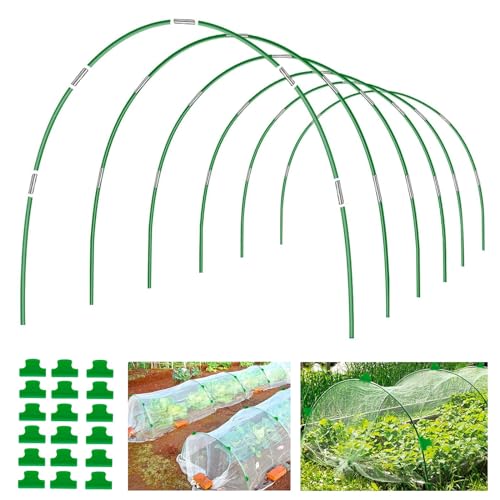
PVC-coated for all-weather durability: Protective coating resists rust, corrosion, and UV damage; Withstands sun, rain, and humidity with no cracking or peeling; Ideal for year-round outdoor use
Essential Tools
- Shovel: Use a shovel for digging and moving soil.
- Rake: Use a rake to level the soil and remove debris.
- Trowel: Use a trowel for planting seeds or transplanting seedlings.
- Garden Hose: Use a garden hose to water your plants easily.
- Level: Use a level for ensuring your raised bed is even.
- Measuring Tape: Use a measuring tape for determining the dimensions of your garden bed.
- Gloves: Use gloves to protect your hands from dirt and potential cuts.
- Wood: Use untreated cedar or redwood for raised beds to resist rot.
- Soil: Use a quality topsoil mix combined with compost for nutrient-rich planting.
- Mulch: Use mulch to conserve moisture and suppress weeds.
- Landscape Fabric: Use landscape fabric as a liner to help manage weeds in in-ground beds.
- Fencing: Use fencing to deter pests from invading your garden.
Gathering these materials and tools sets you up for an efficient and successful garden bed installation. You’ll be ready to create a flourishing space for your plants.
Step-by-Step Installation Process
Installing a garden bed involves several important steps. Following this process ensures you create a thriving space for your plants.
Preparing the Area
- Clear the Space: Remove grass, weeds, and debris from the selected area. This step prevents competition for nutrients.
- Measure the Bed: Use a measuring tape to determine the size of your garden bed. A typical raised bed measures 4 feet by 8 feet.
- Level the Ground: Ensure the area is flat and even for proper drainage. Use a rake to level the soil as needed.
- Set a Border: If creating a raised bed, outline the desired shape with stakes and string or spray paint.
- Choose the Material: Select untreated wood, concrete blocks, or metal edging. Untreated wood lasts several years and is safe for growing food.
- Assemble the Frame: If using wood, cut the pieces to size and fasten them together using screws or nails. Take care to make corners square for stability.
- Add a Base: If necessary, lay a layer of landscape fabric at the bottom to prevent weed growth while allowing drainage.
- Fill the Bed: Mix quality topsoil with compost at a ratio of 2:1. This mix provides nutrients while maintaining good drainage.
- Firm the Soil: Gently compact the soil mix as you fill the bed, ensuring it’s even and level at the top. Leave about an inch of space to prevent overflow when watering.
By following these clear steps, you set up an ideal garden bed for your plants to thrive.
Maintenance Tips for Garden Beds
Maintaining your garden beds helps ensure healthy plants and productive growth. Follow these essential tips for effective garden bed maintenance.
Mulching
Mulching conserves moisture, suppresses weeds, and regulates soil temperature. Spread a layer of organic mulch, such as straw or wood chips, around your plants. Aim for a thickness of 2 to 4 inches.
Watering
Watering plays a crucial role in plant health. Water deeply once a week, focusing on the soil rather than the leaves. This encourages deep root growth. Adjust your schedule based on rainfall and plant needs during hotter months.
Weeding
Weeding prevents competition for nutrients and water. Check your garden bed weekly for unwanted plants. Remove them by hand or use a hoe, ensuring you get the roots to prevent regrowth.
Fertilizing
Fertilizing replenishes nutrients in the soil. Apply a balanced, organic fertilizer in early spring and mid-season. Follow package instructions for proper application rates.
Pruning
Pruning enhances air circulation and encourages healthy growth. Remove dead or yellowing leaves from your plants. Trim back overgrown branches as needed to promote even growth and sunlight exposure.
Pest Control
Pest control protects your plants from damage. Monitor your garden regularly for signs of pests. Introduce beneficial insects, such as ladybugs, or use organic insecticidal soap when necessary.
Crop Rotation
Crop rotation improves soil health and reduces disease risk. Change the location of your plants each growing season. For example, plant legumes in one bed, followed by leafy greens in the next.
End-of-Season Cleanup
Cleaning up at the end of the growing season keeps your garden beds in top shape. Remove dead plants and debris to reduce disease and pest issues. Consider adding a cover crop, such as clover, to improve soil health during the off-season.
Incorporating these maintenance tips ensures your garden beds remain healthy, productive, and vibrant throughout the growing season.
Conclusion
Creating your own garden bed is a rewarding way to enhance your outdoor space and grow your favorite plants. By following the steps outlined and keeping up with maintenance, you’ll enjoy a flourishing garden that brings joy and fresh produce right to your doorstep.
Remember to choose the right location and materials to set yourself up for success. With a little patience and care, your garden bed will thrive, providing you with beauty and nourishment for seasons to come. So grab your tools and get started on this exciting gardening adventure. Happy planting!
Frequently Asked Questions
What is a garden bed?
A garden bed is a controlled planting area designed to enhance soil quality, drainage, and ease of weeding. It allows you to grow various plants, including vegetables and flowers, in a structured manner.
What are the types of garden beds?
The three main types of garden beds are raised beds, which offer excellent drainage; in-ground beds that utilize native soil; and container beds, suitable for small spaces. Each type caters to different gardening needs.
What are the benefits of using garden beds?
Garden beds improve soil control, provide easier access for those with mobility challenges, and help manage weeds effectively. They also optimize growing conditions for healthier plants.
How do I choose a location for my garden bed?
Select a location with plenty of sunlight, easy access to water, and sufficient space. The right placement contributes to better growth and overall gardening success.
What materials do I need for a garden bed?
For raised beds, untreated cedar or redwood is recommended. You’ll also need quality soil, mulch, landscape fabric, and optional fencing. Gather tools like a shovel and measuring tape for installation.
How do I install a garden bed?
To install a garden bed, prepare the area by clearing it, measure and level the site, and fill the bed with nutrient-rich soil. Follow a step-by-step guide for best results.
How should I maintain my garden bed?
Maintain your garden bed with regular mulching to conserve moisture, deep watering for root development, and consistent weeding. Fertilize to restore nutrients, consider crop rotation, and clean up at season’s end for optimal health.

My interest in trees started when I first saw the giant sequoias in Yosemite.I was a teenager then, and I remember thinking, “I need to learn more about this.”That moment stuck with me.A few years later, I went on to study forestry at Michigan Tech.
Since graduating, I’ve worked in a mix of hands-on tree care and community education.I’ve spent over ten years helping people understand how to plant, maintain, and protect the trees in their neighborhoods.I don’t see trees as just part of the landscape.They are living things that make a real difference in our daily lives.