Have you ever dreamed of digging up fresh potatoes right from your own garden? It’s a rewarding experience that brings the taste of homegrown goodness to your table. But if you’re unsure where to start or how to care for your plants, you’re not alone. Many gardeners face the same challenge.
Key Takeaways
- Soil Preparation is Crucial: Test soil pH and enhance it with organic matter to create a fertile environment for potato growth.
- Choose the Right Varieties: Select potato types based on growth time, texture, and disease resistance to improve harvest quality and yield.
- Proper Planting Techniques: Chit seed potatoes before planting and ensure proper depth and spacing for optimal root development.
- Consistent Care: Maintain regular watering, apply balanced fertilizers, and control weeds through mulching for healthier potato plants.
- Harsh Weather Considerations: Be mindful of weather changes and protect your potatoes during extreme heat or heavy rainfall to ensure healthy growth.
- Harvest and Store Wisely: Recognize the signs of readiness for harvest and use proper storage techniques to maximize the shelf life and flavor of your potatoes.
Preparing the Soil for Potatoes
Preparing the soil correctly lays the foundation for healthy potato plants. Focus on testing the soil pH and adding required nutrients for optimal growth.
Testing Soil pH
Test your soil pH before planting. Potatoes thrive in slightly acidic soil, ideally between 5.5 and 6.5. You can use a home soil pH test kit from a garden center or send a sample to a local extension service for analysis.
If your pH is too high, consider adding sulfur. If it’s too low, lime can help increase the pH. Adjusting the soil pH ensures your plants can absorb nutrients effectively.
Adding Nutrients and Organic Matter
Enhance your soil with organic matter and necessary nutrients. Mix well-rotted compost into the top 12 inches of soil. Compost improves soil structure, encourages beneficial microorganisms, and provides essential nutrients.
Consider adding bone meal or fish emulsion for phosphorus and potassium. Follow the package instructions for proper application rates. Regularly incorporating organic matter and nutrients creates a fertile environment, leading to a healthier potato crop.
Choosing the Right Potato Varieties
Choosing the correct potato varieties ensures a successful harvest with flavorful results. Consider characteristics like growth time, texture, and resistance to diseases.
Recommended Products

BURPLESS AND LOW ACID – Smooth-skinned cucumbers with no bitterness, ideal for easy digestion, fresh eating, or quick-pickling snacks


Whole Certified Seed Tubers Grown And Raised In the USA Are Non GMO So Can Be Grown Organicaly
Early, Mid-season, and Late Varieties
Early varieties mature in about 60 to 90 days. They’re great for gardeners who want quick results. Examples include ‘New Red’ and ‘Yukon Gold’. These potatoes are typically smaller but tender and flavorful.
Mid-season varieties take about 90 to 110 days to mature. They provide a balance of quantity and quality. ‘Red Pontiac’ and ‘Norland’ are popular selections. These varieties often produce medium to large potatoes, ideal for baking or frying.
Late varieties require more than 110 days to reach maturity. They tend to store well and are perfect for hearty meals in winter. ‘Russet Burbank’ and ‘Purple Majesty’ are excellent choices. These potatoes have a fluffy texture and are perfect for mashing or making fries.
Disease-resistant Options
Disease-resistant varieties help mitigate common issues like blight and scab. Choosing these can lead to healthier plants and yields.
For scab resistance, consider ‘Kennebec’ and ‘Carola’. These varieties show resilience against soil-borne diseases.
If you’re concerned about blight, look into ‘Maris Piper’ and ‘Charlotte’. These varieties offer solid resistance, promoting vigorous growth even in challenging conditions.
Opting for disease-resistant potatoes helps minimize the need for chemical interventions. This choice supports sustainable gardening practices while ensuring a bountiful harvest.
Planting Techniques
Planting garden potatoes involves several important steps that enhance growth and yield. Follow these techniques to ensure a successful planting process.
Recommended Products
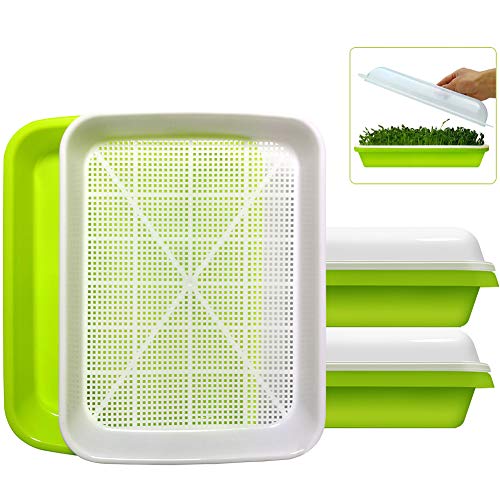
【Food-Grade & BPA-Free Material】 Sized at 13.2" x 9.84", Crafted from high-quality, solid PP material, our sprouting trays are non-toxic, odorless, and durable. Ensure your family enjoys healthy, organic sprouts for salads, sandwiches, and soups with a 100% food-safe environment.

DURABLE & STABLE & SPACE SAVE: Extra-strength stainless steel shelf and hight quality trays. 5-layer vertical seed starter saves 60% space vs flat trays.no tools or special skills are required for installation—reusable design for long-term use,

Growing Trays with Cover: You will receive 5 packs growing trays, suitable for your daily use, helping you grow vegetables better without soild, just water to taste fresh vegetables at home
Chitting Seed Potatoes
Chitting seed potatoes encourages healthier plants and earlier harvests. Start this process about four to six weeks before planting. Choose firm, healthy seed potatoes and place them in a cool, light location. Aim for a temperature between 60°F and 70°F. Position the potatoes with the “eyes” facing upward. Monitor them for sprouting; once the shoots reach about 1 inch, they’re ready for planting. This method helps potatoes develop a strong root system, promoting faster growth.
Planting Depth and Spacing
Planting depth and spacing directly affect potato growth and yield. Dig furrows about 6 inches deep and place seed potatoes 12 inches apart in the row. For rows, maintain a distance of 2 to 3 feet apart. Cover the potatoes with soil after placement. Ensure the soil is loose to promote healthy root development and drainage. If you’re using a trench system, you can plant deeper for additional hilling later in the season. This approach provides better access to nutrients and minimizes the risk of rot.
Caring for Your Potato Plants
Caring for your potato plants involves consistent attention to watering, fertilizing, and controlling weeds. Proper care promotes healthy growth and improves yields.
Watering and Irrigation
Water your potato plants regularly to keep the soil moist but not waterlogged. Aim for 1 to 2 inches of water per week, especially during dry spells. Use a soaker hose or drip irrigation to deliver water directly to the roots, minimizing evaporation. Check soil moisture by sticking your finger 2 inches into the soil; if it feels dry, it’s time to water.
During flowering, increase the frequency of watering to support tuber development. Watch for signs of overwatering, such as yellowing leaves or wilting, and adjust accordingly.
Fertilizing and Weed Control
Fertilize your potato plants with a balanced fertilizer high in potassium, such as a 5-10-10 mix. Apply the fertilizer when you observe the plants reaching about 6 inches in height and again when they flower. Follow package instructions to avoid nutrient burn.
Control weeds by applying a layer of mulch, such as straw or grass clippings, around the plants. This helps retain moisture, suppresses weeds, and protects tubers from sunlight, which can cause greening. Hand-pull weeds or use a hoe, being careful not to disturb the shallow roots of your potato plants. Regular maintenance keeps competition for nutrients and water low, fostering healthier growth.
Harvesting and Storing Potatoes
Harvesting potatoes at the right time ensures maximum flavor and storage life. Proper processes for harvesting and storing layers ensure you enjoy your bounty for months.
Signs of Readiness
Look for specific signs to determine when your potatoes are ready for harvesting.
- Leaves begin to yellow and die back.
- Flowers appear on the plants, signaling tuber formation.
- Test a few tubers by gently digging around the plant; if they’re the desired size, it’s time.
In early varieties, harvesting usually happens around 60 to 90 days after planting, while late varieties need over 110 days. Always choose a dry day for harvesting to avoid soil clumping.
Best Methods for Storage
Proper storage practices maintain your potatoes’ quality post-harvest.
- Cure Your Potatoes: Lay harvested potatoes in a dark, well-ventilated area for 1-2 weeks. This process hardens their skins and helps prevent rot.
- Store in a Cool, Dark Place: Opt for a temperature of 45-50°F. A basement or root cellar works well. Avoid exposing them to sunlight, which can turn them green and bitter.
- Use Paper or Burlap Bags: These materials allow for airflow, preventing moisture buildup. Avoid plastic bags that trap humidity.
- Check Regularly: Inspect stored potatoes for signs of spoilage. Discard any that become soft, sprout, or develop green patches.
Following these tips ensures a delicious potato supply throughout the year.
Conclusion
Growing your own potatoes can be a fun and fulfilling journey. With a little care and attention you can enjoy a bountiful harvest right from your backyard. Remember to choose the right varieties for your climate and taste preferences and give your plants the nourishment they need.
Stay consistent with watering and weeding to ensure healthy growth. When it’s time to harvest you’ll be rewarded with flavorful potatoes that taste so much better than store-bought. Plus you’ll have the satisfaction of knowing you grew them yourself. So roll up your sleeves and get started on your potato gardening adventure. Happy planting!
Frequently Asked Questions
What is the ideal soil pH for growing potatoes?
The ideal soil pH for growing potatoes is slightly acidic, ranging between 5.5 and 6.5. Testing your soil pH helps ensure optimal nutrient absorption. If adjustments are needed, you can use lime to raise the pH or sulfur to lower it.
How can I improve my soil for potato growth?
Enhancing your soil involves adding organic matter, like well-rotted compost, and incorporating nutrients such as bone meal or fish emulsion. This creates a fertile environment that supports strong potato plants and maximizes yield.
What types of potatoes should I plant?
Choose potato varieties based on their maturity time. Early varieties, like ‘New Red,’ mature in 60-90 days; mid-season varieties, like ‘Red Pontiac,’ in 90-110 days; and late varieties, such as ‘Russet Burbank,’ require over 110 days. Disease-resistant options are recommended for better yields.
What is chitting, and why is it important?
Chitting involves placing seed potatoes in a cool, light location to encourage sprouting before planting. Starting this process four to six weeks prior to planting helps develop a strong root system, promoting faster growth and better yields.
How deep and how far apart should I plant potatoes?
When planting potatoes, dig a hole about 6 inches deep and space the potatoes 12 inches apart in rows. Leave at least 2 to 3 feet between rows to ensure adequate airflow and room for growth.
How should I care for my potato plants?
Care includes consistent watering, especially during dry spells, and fertilizing with a balanced fertilizer high in potassium. Mulching helps suppress weeds, while regular attention to watering practices boosts healthy growth and improves yields.
When should I harvest my potatoes?
Harvest when the potato plant shows signs of readiness, such as yellowing leaves and flowering. It’s best to harvest on dry days to minimize the risk of rot and damage during handling.
How should I store harvested potatoes?
To store harvested potatoes, cure them in a dark, ventilated area, then store them in a cool, dark place. Use breathable bags and check regularly for spoilage to ensure a fresh potato supply throughout the year.

My interest in trees started when I first saw the giant sequoias in Yosemite.I was a teenager then, and I remember thinking, “I need to learn more about this.”That moment stuck with me.A few years later, I went on to study forestry at Michigan Tech.
Since graduating, I’ve worked in a mix of hands-on tree care and community education.I’ve spent over ten years helping people understand how to plant, maintain, and protect the trees in their neighborhoods.I don’t see trees as just part of the landscape.They are living things that make a real difference in our daily lives.