Ever looked at your garden and wondered if it’s thirsty? You’re not alone. Many gardeners struggle with knowing the right time to water, and overwatering or underwatering can lead to stressed plants and wasted effort.
Key Takeaways
- Importance of Timing: Understanding when to water helps prevent overwatering and underwatering, fostering healthy plant growth and development.
- Signs of Thirst: Monitor soil moisture and plant appearance; dry soil at a 2-inch depth or drooping leaves indicates a need for watering.
- Utilize Technology: Employ moisture meters and weather apps to accurately assess soil moisture levels and anticipate watering needs based on weather patterns.
- Best Watering Practices: Water early or late in the day, focus on deep watering, use soaker hoses, and apply mulch to retain soil moisture efficiently.
- Adaptive Strategies: Adjust watering routines according to seasonal changes and the specific needs of different plants to maintain optimal health.
- Regular Maintenance: Keep your watering tools well-maintained to ensure effective water distribution and prevent inefficiencies in your watering routine.
Importance Of Knowing When To Water Your Garden
Knowing when to water your garden holds significant benefits for plant health and growth. It helps you avoid both overwatering and underwatering, which can stress plants and hinder their development.
Promotes Healthy Growth
Watering at the right times keeps soil moisture levels balanced. This balance supports root development, enabling plants to absorb nutrients effectively. Strong plants grow healthier leaves, flowers, and fruit.
Conserves Resources
Understanding watering needs optimizes water usage. Efficient watering reduces waste and conserves water resources. It’s beneficial for the environment and can lead to lower water bills.
Prevents Disease
Consistent watering schedules reduce the risk of fungal diseases. Overly wet soil creates an environment conducive to mold and mildew. By watering appropriately, you maintain better air circulation around plants.
Saves Time and Effort
Recognizing the signs of when to water saves you time. You avoid frequent trips to the garden with a hose or watering can. It streamlines your gardening tasks and allows you to focus on other activities.
Enhances Soil Quality
Watering at proper intervals maintains soil structure. It helps prevent soil compaction, allowing air and water to penetrate easily. Healthy soil encourages beneficial microorganisms that support plant life.
Adjusts to Weather Changes
Knowledge of your garden’s watering needs lets you adapt to changing weather conditions. During hotter months, you may need to increase watering. Conversely, with increased rainfall, reducing your watering routine prevents over saturation.
By understanding the importance of watering your garden at the right times, you contribute to a thriving, sustainable outdoor space.
Signs Your Garden Needs Watering
Knowing when to water your garden is crucial for its health and growth. Pay attention to these key indicators that signal it’s time to give your plants some water.
Recommended Products

Trusted Since 2015: Become one of the many plant lovers who rely on the proven accuracy of XLUX. Established in 2015, our soil moisture meter has earned over 60,000+ verified ratings for its consistent performance. While many many newer brands come and go, we provide the long-term reliability and quality that American households have trusted for over a decade.
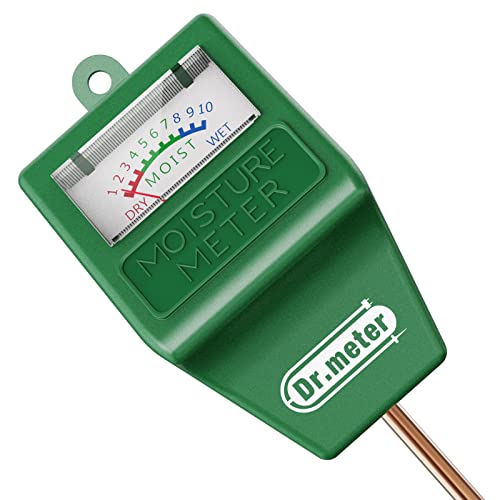
Compact & Portable: Have you been sticking your finger in the soil hoping to feel when it's time to water? Why not eliminate the guesswork and keep your hands clean when you use the Dr.meter Soil Moisture Sensor Meter! Know the right time to water your garden, farm, lawn and houseplants, anytime.

Kindly NOTE: This soil tester can not be applied to test pH value of any other liquid. If the soil is too dry the indicator will not move, and water it before testing.
Soil Moisture Levels
Check soil moisture levels regularly. Insert your finger about 2 inches into the soil. If it feels dry at that depth, it’s time to water. Alternatively, you can use a soil moisture meter for precision. While moisture levels vary depending on plant types, most garden plants thrive when the soil is consistently moist but not soggy.
Plant Appearance
Observe your plants for signs of stress. Drooping leaves, dry edges, or yellowing foliage often indicate a lack of water. Additionally, wilting flowers might signal that they’re thirsty. Leaves curling inward may also suggest dehydration. To ensure your plants remain vibrant, water them as soon as you notice these changes.
These signs are essential for maintaining a healthy garden. Regular checks can help you stay ahead of your watering needs, contributing to a flourishing garden environment.
Tools To Help Determine Watering Needs
Using the right tools can make it easier to assess when your garden needs water. Here are two effective options to consider.
Recommended Products

Accurate Soil Moisture Detection: The XLUX Soil Moisture Meter can tell you if the soil deep inside your pot or garden is dry, moist or wet; whereas your eyes and fingers can only determine the moisture level of the soil surface. The probe is 5.5 inches (14 cm) longer than regular styles, allowing it to measure the soil moisture at the bottom of larger and deeper flower pots.

【4 in 1 function】This is a 4-in-1 multifunctional soil tester.Our soil tester fastly to measure soil moisture, pH, temperature and sunlight to help you take better care of flowers and plants.You can know when you need to water your soil by measuring moisture and pH & Temperature value of the soil and sunlight level of plants with it.

【4-in-1 Multi-Function】This 4-in-1 soil tester can sense soil pH/moisture/temperature/light more accurately and quickly. You can know the soil pH,Moisture,Temperature,Light that you care about by measuring it, so that you can take better care of our plants, so that they can be healthy and thrive after being well taken care of!
Moisture Meters
Moisture meters provide a straightforward way to gauge soil moisture levels. Simply insert the probe into the soil, and read the measurement on the display. Aim for a depth of about 4 to 6 inches, as this represents the base of most root systems.
- Digital Moisture Meters: These offer quick readings, often with easy-to-read displays. They usually include moisture levels on a scale so you can see how dry or wet your soil is.
- Analog Moisture Meters: These work similarly but use a needle gauge. They’re typically more affordable and easy to use.
Using a moisture meter helps prevent overwatering and ensures your plants get just what they need.
Weather Apps
Weather apps provide timely insights about rainfall and temperature changes that affect watering needs. By checking these apps regularly, you can better anticipate your garden’s water requirements.
- Rainfall Forecast: If rain is expected, delay watering to avoid over-saturating your soil.
- Temperature Alerts: High temperatures may indicate that your plants require more frequent watering, especially during hot spells.
- Humidity Levels: Low humidity may hasten evaporation, meaning your garden might need extra water.
Using these apps lets you plan watering sessions around weather patterns, optimizing both water usage and plant health.
Incorporating tools like moisture meters and weather apps improves your ability to maintain a thriving garden.
Best Practices For Watering Your Garden
Recommended Products
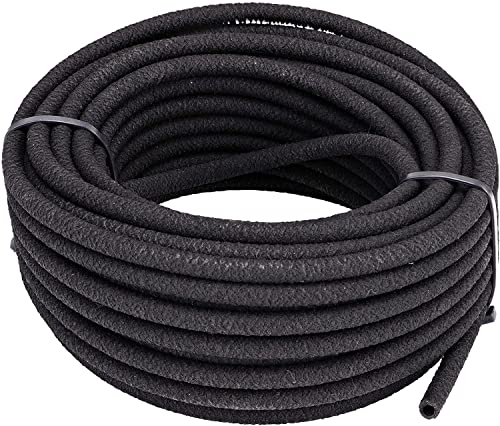
Slowly waters the soil around your plants for complete root zone hydration; Ideal for short runs on flat surfaces, such as vegetable gardens, borders, and around small plants

Water Saving: This soaker hose excels in water conservation by delivering water directly to plant roots, reducing waste and evaporation. It saves up to 80% water compared to traditional hoses, making it an eco-friendly and efficient irrigation solution. The ideal working water pressure for the soaker hose is 60-80 PSI, and the burst pressure is 150 PSI

Lightweight water hose is made of 100% recycled vinyl, clog resistant fabric cover for consistent soaking in the garden or around foundations
Water Early or Late
Water your garden early in the morning or late in the evening to minimize evaporation. During these times, temperatures are cooler, and wind speeds are lower, allowing plants to absorb more moisture.
Deep Watering
Water deeply but infrequently. This encourages roots to grow deep into the soil, helping plants access moisture during dry periods. Aim for about 1 inch of water per week, either from rainfall or irrigation.
Use a Soaker Hose
Consider using soaker hoses for an efficient watering method. Soaker hoses allow water to seep slowly into the soil, reducing evaporation and ensuring even moisture distribution. Lay them down in rows among your plants.
Mulch the Soil
Apply mulch around plants to retain soil moisture. Organic mulches, such as wood chips or straw, break down over time, improving soil health while also reducing water needs.
Observe Weather Conditions
Keep an eye on local weather forecasts. If rainfall is expected, adjust your watering schedule. Relying on nature can save time and conserve water.
Check Soil Moisture
Use a soil moisture meter or perform a simple finger test to check water levels. Insert your finger into the soil about 2 inches deep. If it feels dry, it’s time to water. For accurate readings, check multiple areas in your garden.
Adjust for Plant Types
Different plants have varied watering needs. Group plants with similar requirements together. For instance, succulents thrive with less water, whereas vegetable plants like tomatoes require more frequent watering.
Maintain Watering Tools
Regularly check and maintain your watering tools, like hoses and sprinklers. Clogged nozzles can disrupt water distribution. Clean or replace them as necessary to ensure efficient watering.
Set a Routine
Create a watering routine based on seasonal changes. During hot summer months, increase watering frequency. In cooler months, reduce watering as evaporation rates decline.
Consider Plant Stress Signs
Pay attention to stress signs in your plants. Drooping leaves, dry edges, or yellowing foliage indicate a watering issue. Act quickly to address these signs to keep plants healthy.
Adopting these practices leads to better watering efficiency and healthier garden growth.
Conclusion
Keeping your garden healthy and thriving comes down to understanding its watering needs. By paying attention to soil moisture and plant behavior you can make informed decisions about when to water. Using tools like moisture meters and weather apps can simplify this process and save you time.
Remember to water deeply and at the right times to support strong root development. With a bit of observation and the right techniques you’ll create an environment where your plants can flourish. Happy gardening and enjoy the beauty of your hard work!
Frequently Asked Questions
When is the best time to water my garden?
Water your garden early in the morning or late in the evening. This timing reduces evaporation and ensures your plants absorb maximum moisture.
How can I tell if my plants need water?
Check the soil moisture by inserting your finger about 2 inches deep. If it feels dry, it’s time to water. Additionally, look for signs of plant stress like drooping leaves or yellowing foliage.
What tools can help me determine my garden’s watering needs?
Moisture meters, both digital and analog, are effective for measuring soil moisture. Weather apps can also provide insights on rainfall and temperature changes.
How can I prevent overwatering my plants?
Monitor soil moisture regularly and adjust your watering schedule based on weather conditions. Use signs of plant stress, such as wilting leaves, to guide your watering practices.
What are the benefits of proper watering techniques?
Proper watering promotes healthy growth, conserves water resources, prevents diseases, enhances soil quality, and saves you time and effort in maintaining your garden.
What watering practices should I adopt for better plant health?
Consider deep watering to encourage root growth, use soaker hoses for efficiency, apply mulch to retain moisture, and group plants with similar watering needs together.
How can I improve soil quality through watering?
Consistent and appropriate watering prevents soil compaction, enhances nutrient absorption, and helps maintain balanced soil moisture, leading to improved overall soil quality.

My interest in trees started when I first saw the giant sequoias in Yosemite.
I was a teenager then, and I remember thinking, “I need to learn more about this.”
That moment stuck with me.
A few years later, I went on to study forestry at Michigan Tech.
Since graduating, I’ve worked in a mix of hands-on tree care and community education.
I’ve spent over ten years helping people understand how to plant, maintain, and protect the trees in their neighborhoods.
I don’t see trees as just part of the landscape.
They are living things that make a real difference in our daily lives.