Are your plants struggling to thrive? You might be dealing with calcium-deficient soil. Calcium is essential for strong cell walls and overall plant health, yet many gardeners overlook its importance. If you want your garden to flourish, it’s time to focus on boosting calcium levels.
Key Takeaways
- Calcium Importance: Calcium is crucial for plant health, aiding in cell wall strength, nutrient uptake, and soil structure.
- Soil Testing: Regular soil tests help determine calcium levels and pH, guiding your amendment choices.
- Lime and Gypsum: Lime raises calcium levels and adjusts pH, while gypsum improves soil structure without altering pH.
- Organic Amendments: Using bone meal and crushed eggshells enriches soil with sustainable calcium sources.
- Best Application Practices: Test soil, choose the right amendment, apply evenly, incorporate into soil, and water after application for optimal results.
- Ongoing Monitoring: Re-test soil every 2-3 years to monitor calcium levels and adjust your gardening strategy for continuous plant health.
Importance Of Calcium In Garden Soil
Calcium plays a vital role in garden soil, affecting plant health and growth. Strong cell walls depend on calcium, which helps plants withstand environmental stress. In the absence of sufficient calcium, plants may experience issues such as blossom end rot in tomatoes or tip burn in lettuce.
Calcium also aids in nutrient uptake. It facilitates the movement of other essential nutrients within the soil, ensuring plants receive what they need for optimal growth. Additionally, calcium improves soil structure, promoting better air circulation and water retention. This enhancement leads to strong root systems, allowing plants to access essential resources.
In clay soils, adding calcium can help break up compacted layers. Loosening the soil encourages root expansion and increases drainage. In sandy soils, calcium assists in preventing nutrient leaching, retaining essential minerals that support plant development.
It’s crucial to regularly test your soil’s calcium levels to maintain a healthy garden. Use a soil test kit to determine existing mineral content. If calcium levels are low, consider incorporating lime or gypsum, both effective sources of calcium.
Natural Sources Of Calcium
Calcium can naturally enrich your garden soil in several ways. Utilizing these natural sources improves soil health and enhances plant growth.
Recommended Products

OMRI Listed - Cz Gypsum Calcium Sulfate Dihydrate is an All-Natural mineral fertilizer listed by the Organic Materials Review Institute (OMRI). It may be used in certified organic production or food processing and handling according to the USDA National Organic Program regulations.

Loosen Clay: Earth Science Fast Acting Gypsum granules start immediately to loosen clay and other compact soils for improved water penetration, more workable soil, and better root development.
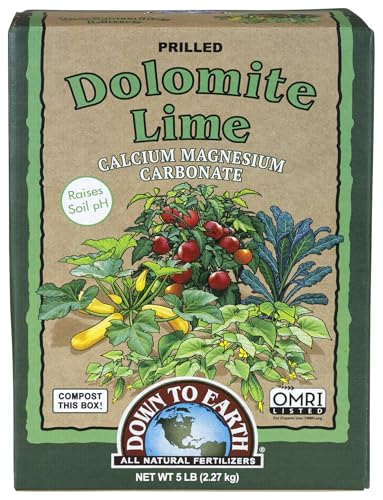
Raises Soil pH Naturally: Helps correct acidic soils for optimal nutrient uptake.
Use Of Lime
Lime is a common natural source of calcium. It not only raises calcium levels but also helps correct soil acidity. You can apply lime by following these steps:
- Test Soil: Start with a soil test to determine pH and calcium levels.
- Choose Lime Type: Use either agricultural lime or dolomitic lime. Dolomitic lime adds magnesium along with calcium.
- Determine Amount: Based on the soil test results, calculate the amount needed. Generally, 50 to 100 pounds of lime per 1,000 square feet is standard.
- Spread Evenly: Use a spreader for even distribution. Avoid clumping to ensure even coverage.
- Work into Soil: Rake or plow the lime into the top 6 inches of soil. This promotes better absorption.
Regular lime applications can maintain adequate calcium levels, leading to healthier plants.
Gypsum Application
Gypsum serves as another effective source of calcium. It improves soil structure without altering soil pH. To apply gypsum, follow these instructions:
- Assess Soil Conditions: Use a soil test to identify calcium deficiency and soil texture.
- Choose Gypsum Type: Select either granular or powdered gypsum based on your preference.
- Calculate Requirements: Generally, apply 40 to 80 pounds of gypsum per 1,000 square feet.
- Spread Gypsum: Distribute gypsum evenly across your garden area, ensuring no accumulation occurs in one spot.
- Incorporate into Soil: Lightly mix the gypsum into the soil using a rake. This aids in calcium absorption and soil structure improvement.
By incorporating lime or gypsum, you create a calcium-rich environment that supports robust plant health.
Organic Amendments
Organic amendments provide natural ways to increase calcium levels in your garden soil. Two effective options are bone meal and eggshells.
Recommended Products

STRONGER ROOT DEVELOPMENT: Bone Meal is a natural source of vital, readily available organic nitrogen, phosphorus and calcium that promotes strong plant roots, vibrant blooms and more delicious vegetables. Helps to enhance your plants throughout the growing season!

Down To Earth Fish Bone Meal is a five pound box of all natural fertilizer with 4-12-0 formula and is listed by the Organic Materials Review Institute (OMRI) for use in organic production

GROW THROUGH EVERY STAGE: For all stages of plant growth and flowering, this fertilizer provides phosphorus necessary to support development from early planting through bloom time
Bone Meal
Bone meal is a rich source of calcium and phosphorus, essential for plant growth. It’s made from crushed animal bones and can boost soil calcium efficiently. To use bone meal, follow these steps:
- Check Soil Health: Test your soil’s calcium levels before application.
- Apply the Right Amount: Use about 1 to 2 pounds of bone meal per 100 square feet of garden space.
- Mix with Soil: Incorporate it into the top few inches of soil to ensure effective nutrient release.
- Water Thoroughly: After application, water the area well to help the nutrients penetrate into the soil.
This amendment not only raises calcium levels but also supports root development and flowering.
Eggshells
Eggshells serve as a sustainable, biodegradable source of calcium. They contain about 95% calcium carbonate and can effectively enrich soil. To utilize eggshells, keep these steps in mind:
- Rinse and Dry: Rinse shells to remove any residual egg, then let them dry completely.
- Crush into Small Pieces: Crush the dried shells into a fine powder or small fragments for easier soil integration.
- Spread Evenly: Distribute the crushed eggshells around your plants or mix them into the soil.
- Water to Activate: Water the area to help the calcium leach into the soil over time.
Using eggshells not only improves calcium levels but also encourages beneficial microbial activity.
Incorporating organic amendments like bone meal and eggshells enriches soil health and supports thriving plants in your garden.
Soil Testing And Analysis
Soil testing plays a vital role in determining calcium levels and overall soil health. By understanding your soil’s composition, you can effectively plan amendments to boost calcium.
Recommended Products

Quick, at home results for Soil pH, Nitrogen, Phosphorous and Potash Innovative and inexpensive soil test kit features an easy-to-use capsule system and patented color comparators

KNOW BEFORE YOU GROW | Grow the healthiest, sustainable lawn and garden with the most accurate and easy to use professional soil test kit on the market

Kindly NOTE: This soil tester can not be applied to test pH value of any other liquid. If the soil is too dry the indicator will not move, and water it before testing.
Understanding Soil pH
Soil pH influences calcium availability. An acidic pH (below 6.0) limits calcium absorption. Most plants prefer a slightly acidic to neutral pH (between 6.0 and 7.0). Testing your soil’s pH gives insight into necessary amendments. If the pH is low, applying lime not only increases calcium but also raises pH levels. Use a simple soil pH test kit or send a sample to a local extension service for accurate results.
Testing Calcium Levels
Testing for calcium involves sampling your soil and analyzing it for nutrient content. Kits are available at garden centers. Collect soil from various spots in your garden, at a depth of 6-8 inches. Mix the samples in a clean container to form a representative sample. Follow the kit instructions to determine calcium levels. You might find calcium levels manifest in milligrams per kilogram (mg/kg) or parts per million (ppm). Low calcium levels may suggest using lime or gypsum for enhancement. Regular testing, at least every 2-3 years, ensures you stay informed about your soil’s health.
Best Practices For Calcium Application
Applying calcium correctly boosts your garden’s health. Follow these best practices for effective calcium application.
Test Soil Before Application
Test your soil to determine current calcium levels. Purchase a soil test kit from a garden center or send samples to a local lab. Identify not just calcium levels but also pH. Understanding these factors helps tailor your approach.
Choose the Right Amendment
Select the appropriate calcium source based on your soil needs:
- Lime: Ideal for increasing calcium levels and adjusting pH. Use agricultural lime for heavy clay soils and dolomitic lime for nutrient balance.
- Gypsum: Great for improving soil structure without affecting pH. It’s perfect for sandy soils or when you want to retain acidity.
Determine Application Rates
Follow specific guidelines for application rates. Generally:
- Lime: Apply 50-100 pounds per 1,000 square feet based on soil test results.
- Gypsum: Use 10-20 pounds per 100 square feet for average conditions. Adjust according to soil needs.
Spread Evenly
Ensure an even distribution of amendments across your garden. Use a broadcast spreader or hand-held spreader for an accurate application. Overlapping passes can prevent areas from being missed.
Incorporate into Soil
Work the amendment into the soil for maximum effectiveness. Use a tiller or garden fork to mix it thoroughly, aiming for a depth of about 6 inches. This incorporation promotes better contact between the calcium source and soil particles.
Water After Application
Water your garden thoroughly after applying amendments. This action activates the calcium, allowing it to start breaking down and integrating into the soil. Aim for at least 1 inch of water.
Monitor and Re-Test
Re-test your soil every 2-3 years to monitor calcium levels and pH. This practice helps determine if additional applications are necessary. Adjust your amendment strategy based on these results for continuous improvement.
By following these best practices, you’ll enhance calcium levels in your garden soil, supporting healthier plants and improved growth.
Conclusion
Boosting calcium levels in your garden soil is a simple yet effective way to ensure your plants thrive. By incorporating natural amendments like lime, gypsum, bone meal, and eggshells, you can create a nutrient-rich environment that supports strong growth.
Regular soil testing helps you understand your soil’s needs and allows you to make informed decisions about the right amendments to use. Remember to monitor your soil health over time and adjust your approach as necessary. With a little effort and attention, you’ll set your garden up for success and enjoy a bountiful harvest. Happy gardening!
Frequently Asked Questions
Why is calcium important for gardening?
Calcium is vital for forming strong cell walls and promoting overall plant health. It helps prevent issues like blossom end rot in tomatoes and tip burn in lettuce by ensuring strong cellular structures and facilitating nutrient uptake.
How can I test for calcium levels in my soil?
You can test calcium levels using soil test kits available at garden centers. These kits will help you understand your soil’s composition. It’s recommended to test every 2-3 years to monitor calcium and overall soil health.
What natural sources of calcium can I use in my garden?
Natural sources of calcium include lime and gypsum. Lime raises calcium levels and corrects soil acidity, while gypsum improves soil structure without changing pH. Both can be incorporated into your soil to enhance calcium content.
How do I apply lime to increase calcium in my soil?
Firstly, test your soil to determine the right type of lime for your needs. Spread the correct amount evenly across the garden and mix it into the soil. Water thoroughly after application to activate its benefits.
Can I use organic amendments to boost calcium levels?
Yes, organic amendments like bone meal and crushed eggshells can effectively increase calcium levels. Bone meal enriches the soil with calcium and phosphorus, while eggshells provide a sustainable source of calcium when rinsed, dried, and crushed before spreading.
How does soil pH affect calcium availability?
Soil pH significantly influences calcium absorption. An acidic pH (below 6.0) can limit calcium availability, while most plants thrive in slightly acidic to neutral pH (6.0 to 7.0). Adjusting pH with lime can enhance calcium uptake for healthier plants.
How often should I retest my soil for calcium levels?
It’s recommended to retest your soil for calcium levels every 2-3 years. Regular testing helps you monitor soil health, ensuring you remain informed about nutrient requirements and can adjust amendments accordingly for optimal plant growth.

My interest in trees started when I first saw the giant sequoias in Yosemite.I was a teenager then, and I remember thinking, “I need to learn more about this.”That moment stuck with me.A few years later, I went on to study forestry at Michigan Tech.
Since graduating, I’ve worked in a mix of hands-on tree care and community education.I’ve spent over ten years helping people understand how to plant, maintain, and protect the trees in their neighborhoods.I don’t see trees as just part of the landscape.They are living things that make a real difference in our daily lives.