Ever wondered how deep to plant your garden seeds? It’s a common question for both seasoned gardeners and beginners alike. Planting seeds too deep or too shallow can lead to disappointing results, leaving you frustrated when your garden doesn’t thrive.
Key Takeaways
- Ideal Planting Depth: Planting depth is essential for seed germination; too shallow or too deep can hinder growth. Guidelines suggest depths vary between ¼ inch for lettuce to 1 to 2 inches for beans.
- Factor Consideration: Seed size, soil type, moisture levels, and planting time all influence the optimal depth for planting seeds. Adjust depths accordingly based on these factors.
- Soil Types: Different soil types require different planting techniques: sandy soils need deeper planting for moisture retention, while clay soils allow for shallower placements to prevent rot.
- Specific Recommendations: Refer to seed packets for specific planting depths, as different plants (vegetables, flowers, herbs) have unique depth requirements for successful germination.
- Measuring Techniques: Use simple tools like rulers, fingers, or planting tools to measure seed depth accurately, ensuring consistent planting for robust seedlings.
- Moisture Monitoring: Keep an eye on soil moisture levels; dryer conditions necessitate deeper planting to protect seeds, whereas well-moistened soil supports shallower depths.
Understanding Seed Depth
Planting seeds at the correct depth is crucial for their successful germination and growth. Both too shallow and too deep planting can lead to weak seedlings or even complete failure to sprout.
Importance of Planting Depth
Correct planting depth ensures seeds receive ample moisture and warmth. Planting seeds too shallow exposes them to drying out. Conversely, planting too deep can prevent them from reaching the surface, stunting their growth. For instance, lettuce seeds prefer shallow planting, around ¼ inch deep, while beans thrive when planted about 1 to 2 inches deep. Understanding these specifics aids in achieving a thriving garden.
Factors Affecting Seed Depth
Several factors influence the depth at which you should plant seeds:
- Seed Size: Larger seeds, such as peas and corn, typically require deeper planting compared to smaller seeds like carrots and radishes, which thrive closer to the surface.
- Soil Type: Sandy soils drain quickly, necessitating slightly deeper planting to retain moisture. Clay soils retain water, allowing for shallower placements.
- Moisture Levels: Drier conditions may warrant deeper planting to shield the seed from evaporation. In contrast, well-moistened soil often allows for shallower depth.
- Planting Time: Early spring plantings may benefit from deeper planting to protect seeds from fluctuating temperatures. Late spring doesn’t usually have this issue, allowing for shallower planting.
Understanding these factors helps you make informed decisions while planting seeds, leading to a more productive garden.
General Guidelines for Planting Seeds
Planting seeds at the correct depth is essential for successful germination and strong plant growth. The right depth ensures seeds access moisture and warmth while avoiding potential pitfalls caused by being too deep or too shallow.
Recommended Depths for Common Seeds
Here’s a quick reference for the suitable planting depths of various seeds:
| Seed Type | Recommended Depth |
|---|---|
| Lettuce | ¼ inch |
| Radish | ½ inch |
| Carrot | ¼ to ½ inch |
| Beans | 1 to 2 inches |
| Peas | 1 to 2 inches |
| Squash | 1 inch |
| Sunflower | 1 to 2 inches |
| Tomato | ¼ to ½ inch |
These depths help optimize germination rates and support healthy seedlings. For best results, always check seed packets for specific recommendations, as some seeds might have unique needs.
Tips for Measuring Depth
Measuring seeds for planting doesn’t require complicated tools. Here are some practical tips to ensure accurate depth:
- Use a Ruler or Measuring Tape: Measure from the soil surface to where the seed sits in the ground.
- Use Your Finger: For informal measuring, push your finger into the soil to the desired depth, then drop in the seed.
- Mark Rows: When planting multiple seeds in a row, mark intervals on your planting tool for consistency.
- Opt for a Dibber: A dibber creates a small hole for seed placement, simplifying depth measurement.
Accurate depth measurement promotes robust seedling growth and minimizes the risk of planting-related issues.
Variations by Seed Type
Different seed types require different planting depths to thrive. Understanding these variations helps you achieve better results in your garden. Below are key insights into the best planting depths for vegetables, flowers, and herbs.
Vegetables
Vegetable seeds vary in size and depth requirements.
- Lettuce: Plant seeds about ¼ inch deep. This ensures light penetration for germination.
- Radishes: A depth of ½ inch works well. It protects seeds while allowing for quick sprouting.
- Beans: Opt for 1 to 2 inches deep. This depth supports robust growth and protects seeds from shallow moisture.
- Carrots: Sow at ¼ to ½ inch deep. A shallower depth is necessary for easy emergence.
- Corn: Plant around 1 to 2 inches deep. This depth promotes germination in warm soils.
Flowers
Flower seeds also come in a range of sizes and planting depths.
- Sunflowers: Plant about 1 to 2 inches deep. This depth helps seeds anchor in the soil.
- Zinnias: A depth of ¼ to ½ inch ensures good water access for quick germination.
- Marigolds: Sow at ¼ inch deep. These seeds thrive close to the surface.
- Pansies: Plant at ¼ inch deep for successful germination.
- Dahlias: These tuberous roots prefer planting about 3 to 6 inches deep.
Herbs
Herb seeds often require more precise planting depths due to their sensitivity.
- Basil: Sow seeds around ¼ inch deep. This promotes strong germination and growth.
- Parsley: Opt for ½ inch deep, as it benefits from slightly deeper soil coverage.
- Cilantro: Plant seeds about ½ inch deep for optimal moisture and warmth.
- Chives: A depth of ¼ inch works best, allowing easy emergence for tender shoots.
- Thyme: Sow at ¼ inch deep. Shallow planting helps these seeds germinate efficiently.
Adjusting your planting depth based on seed type can significantly impact your garden’s success. Following these guidelines ensures your garden flourishes with healthy plants.
The Impact of Soil Conditions
Soil conditions significantly affect the planting depth of seeds. Factors like soil type and moisture levels directly influence how deep you should plant seeds for optimal growth.
Recommended Products

Garden Seeding Shovel: This seed planting trowel is designed for deep digging and small seed planting. It has a narrow edge and ideal for planting seeds and transplanting small plants, vegetables, flowers in narrow and hard to reach spaces. Depth marks on the blade to easily measure depth for consistent planting and transplanting. Achieve optimal planting results every time and ensure the healthy growth of your plants.

Kindly NOTE: This soil tester can not be applied to test pH value of any other liquid. If the soil is too dry the indicator will not move, and water it before testing.
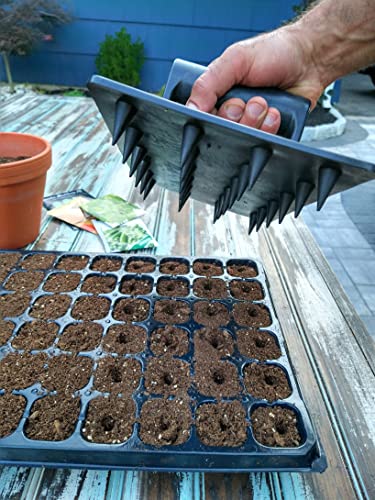
Efficiently start seeds indoors by creating perfect planting holes in 72-cell seed trays
Soil Type
Soil type determines how well seeds anchor and absorb moisture. Different soils require different planting depths:
- Sandy Soil: Drains quickly and can dry out fast. Plant seeds deeper, around 1 to 2 inches, to ensure adequate moisture retention.
- Clay Soil: Retains moisture well but can compact. Shallow planting at about ¼ to ½ inch prevents the risk of seed rot and allows easier germination.
- Loamy Soil: Provides a balance of drainage and moisture. Most seeds thrive when planted at standard depths per their specific needs, usually ¼ to 1 inch deep.
Knowing your soil type helps you choose the right planting depth, improving chances of successful germination.
Moisture Levels
Moisture levels play a crucial role in seed depth.
- Well-Moistened Soil: Seeds positioned closer to the surface often thrive. For example, small seeds like carrot or lettuce prefer being sown at ¼ inch deep.
- Dry Conditions: Deeper planting, around 1 to 2 inches, protects seeds from drying out quickly. Seeds in arid environments benefit from the added moisture found in the soil’s lower layers.
Monitor moisture levels before planting. Adjust your seed depth to ensure seeds receive the moisture they need for robust growth and health.
Conclusion
Getting the planting depth just right can make all the difference in your garden’s success. By paying attention to the size of your seeds and the type of soil you have, you can create the perfect environment for germination.
Remember to consider moisture levels and adjust your planting techniques accordingly. With a little care and attention to detail, you’ll be well on your way to nurturing strong seedlings and enjoying a bountiful harvest. Happy gardening!
Frequently Asked Questions
How deep should I plant garden seeds?
The planting depth of garden seeds varies by type. Generally, small seeds like lettuce should be planted about ¼ inch deep, while larger seeds, such as beans, thrive at 1 to 2 inches deep. Always refer to specific guidelines for each seed variety to optimize germination.
Why is planting depth important?
Correct planting depth is crucial as it affects moisture, warmth, and later growth. Planting too shallow can expose seeds to dryness, while too deep may prevent proper sprouting. Understanding the right depth ensures healthier seedlings and a more productive garden.
What factors influence seed planting depth?
Factors such as seed size, soil type, moisture levels, and planting time play a significant role in determining the correct planting depth. Larger seeds generally need deeper planting, while smaller seeds benefit from being near the surface.
How can I measure planting depth accurately?
You can measure planting depth accurately using a ruler, your finger, or a dibber. Marking rows prior to planting can also help ensure consistency in depth, promoting better seedling growth.
What are the recommended planting depths for vegetables?
Recommended planting depths vary by vegetable type. For example, plant lettuce around ¼ inch deep, radishes at ½ inch, and beans at 1 to 2 inches. Checking charts specific to each vegetable can help ensure proper placement.
How does soil type affect planting depth?
Soil type has a significant impact on planting depth. Sandy soils usually need seeds planted deeper (1 to 2 inches) to retain moisture, while clay soils allow for shallower planting (¼ to ½ inch) to avoid seed rot.
Should I change planting depth based on moisture?
Yes, the moisture level in the soil should influence planting depth. In drier conditions, plant seeds deeper to protect them from evaporation. When the soil is well-moistened, shallower planting is often sufficient.

My interest in trees started when I first saw the giant sequoias in Yosemite.
I was a teenager then, and I remember thinking, “I need to learn more about this.”
That moment stuck with me.
A few years later, I went on to study forestry at Michigan Tech.
Since graduating, I’ve worked in a mix of hands-on tree care and community education.
I’ve spent over ten years helping people understand how to plant, maintain, and protect the trees in their neighborhoods.
I don’t see trees as just part of the landscape.
They are living things that make a real difference in our daily lives.