Have you ever wondered why some gardens flourish while others struggle? One key factor often overlooked is soil depth. If your garden soil isn’t deep enough, your plants might not thrive, leading to frustration and wasted effort.
Key Takeaways
- Soil Depth Importance: A sufficient soil depth is crucial for plant health, with recommendations varying by plant type, such as 12 inches for vegetables and 18-24 inches for trees and shrubs.
- Testing Soil Depth: Simple measures can be taken to assess soil depth, such as using a stick or tape to gauge how deep the soil goes in various garden spots.
- Soil Composition: Mixing organic matter like compost improves soil structure, aeration, and nutrient retention, enhancing overall garden health.
- Adjusting Soil Depth: Options for increasing soil depth include adding raised beds or amending existing soil with organic materials.
- Climate Considerations: Plant and soil depth suitability can vary based on local climate factors, such as moisture retention needs in warmer areas versus frost protection in colder climates.
- Common Soil Issues: Be aware of problems like poor drainage, limited root growth, and compacted soil, which can arise from inadequate depth and can be mitigated through proper gardening practices.
Understanding Soil Depth Requirements
Soil depth directly impacts plant health and growth. While general recommendations exist, specific requirements depend on the type of plants you want to grow.
Recommended Products

BEGIN YOUR GARDEN JOURNEY: This 12x4x1.5ft galvanized raised garden bed has all the needs in gardening! Thickened sheets and durable structure build a ideal environment for vegetables or plants. Also there are multiple sizes and colors you can choose to fit your gardens!

Size: 144"(L) x 24"(W) x 12"(H),Planter raised bed provide outdoor sufficient space to grow vegetables,flowers,galvanized garden bed
Basic Depth Guidelines
- Vegetable Gardens: Aim for at least 12 inches of soil. This depth supports root systems for a variety of vegetables like carrots and tomatoes.
- Flower Gardens: Use 8 to 12 inches of soil. Most perennial flowers thrive in this range, allowing roots to spread.
- Trees and Shrubs: Provide 18 to 24 inches of soil for adequate support. Larger plants require more space to grow strong root systems.
Soil Composition
Soil type matters. Sandy soil drains quickly but holds less moisture. Clay retains water but can compact, limiting root growth. Mix organic matter, like compost, into your soil for improved structure, aeration, and nutrient retention.
Testing Soil Depth
Determine soil depth easily with a simple test:
- Mark a Point: Choose a spot in your garden.
- Use a Stick or Tape: Push your tool straight into the soil until it stops.
- Measure: Pull it out and measure how deep it goes.
Repeat this in various spots to account for variations in your garden.
Adjusting Soil Depth
If soil depth is insufficient for your desired plants, consider these steps:
- Add Raised Beds: Building raised beds can increase soil depth effectively. A depth of 12 to 18 inches is ideal.
- Amend Existing Soil: Mix in compost or well-rotted manure to improve soil structure and depth gradually.
Specialty Plant Considerations
Certain plants may require deeper soil for healthy growth:
- Root Crops: Plants like potatoes benefit from 14 to 18 inches of loose soil.
- Bamboo: This plant needs at least 24 inches for proper growth and stability.
- Fruit Trees: Ensure they have 2 feet of soil depth to support root expansion.
By understanding these soil depth requirements and tailoring them to your specific plants, you’ll create an environment that fosters healthy, thriving gardens.
Factors Influencing Soil Depth
Soil depth is influenced by various factors, particularly plant types and local climate. Understanding these influences helps in creating a thriving garden.
Plant Types and Their Needs
Different plants have specific soil depth requirements.
- Vegetables: Most vegetables thrive in a minimum of 12 inches of soil. For example, carrots and potatoes need deeper soil to support their root systems effectively.
- Flowers: Flower gardens typically require 8 to 12 inches of soil. Perennials often do well with this depth, offering diverse colors and textures.
- Trees and Shrubs: Trees and large shrubs need at least 18 to 24 inches of soil. This depth accommodates their extensive root systems, ensuring stability and nutrient access.
Selecting plants suited to your soil depth enhances garden health. Always check specific requirements based on the plants you want to cultivate.
Climate Considerations
Climate plays a crucial role in soil depth suitability.
- Warm Climates: In warmer areas, deeper soil encourages moisture retention. This is essential for plants, like tomatoes and peppers, that require consistent hydration.
- Cold Climates: In regions with colder temperatures, soil depth can impact frost resistance. A minimum of 12 inches can protect roots during freezing temperatures, benefiting plants like kale and spinach.
- Rainfall Patterns: Regular rainfall may permit shallower soil, while areas with less rain require deeper soil for adequate moisture retention.
You can adjust soil depth based on your local climate, ensuring better plant growth.
Recommended Soil Depths for Different Gardens
Soil depth significantly impacts plant growth and overall garden health. Here’s a breakdown of the recommended soil depths for various garden types.
Recommended Products

100% Organic & Peat-Free: Our compost mix is 100% organic & peat-free. Peat is one of Mother Nature’s most important stores of carbon. Instead of imported peat, the base of our soils is made from upcycled plant matter or wood fines from the United States!

Ready-to-Use Formula: No mixing or extra steps required. Simply pour and plant - perfect for gardeners of all experience levels.
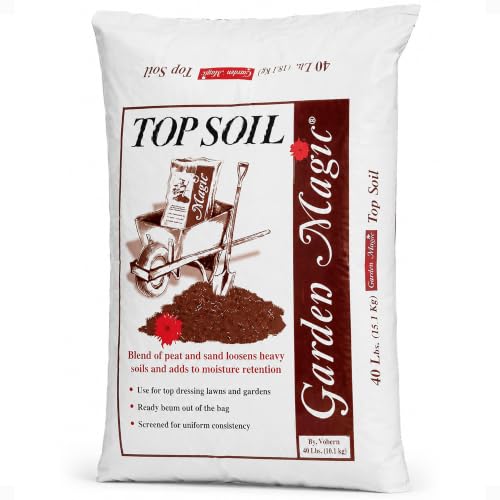
Ready-to-Use for All Planting Needs: This general-purpose potting soil is ready to use out of the bag, perfect for both indoor and outdoor planting without any extra prep
Vegetable Gardens
Vegetable gardens thrive best with a minimum soil depth of 12 inches. This depth supports root growth and allows for proper drainage and nutrient absorption. Root crops, such as carrots and potatoes, benefit from even deeper soil. If you’re growing these types, aim for at least 14 to 16 inches. Ensure you mix in organic matter, like compost, to enhance soil quality and moisture retention.
Flower Gardens
Flower gardens generally require 8 to 12 inches of soil. Most flowering plants, including annuals and perennials, flourish within this range. For larger flowers or those with extensive root systems, consider going for 12 inches. Additionally, assess the specific needs of each plant type. Some perennials may thrive with slightly deeper soil, ensuring they receive adequate water and nutrients.
Raised Beds
Raised beds often provide an effective solution for controlling soil depth. Aim for 12 to 18 inches of soil in your raised bed designs. This depth facilitates root expansion and offers excellent drainage, critical for healthy plant growth. If you’re growing deeper-rooted vegetables, like tomatoes or cucumbers, prioritize the 18-inch depth. Use a mix of topsoil and organic matter to create a nutrient-rich environment.
Common Issues with Soil Depth
Inadequate soil depth creates several problems for gardeners. Insufficient soil can lead to poor drainage, which causes root rot in plants. Shallow soil limits root growth, preventing plants from accessing essential nutrients and water. Here’s a closer look at common issues you may face:
Recommended Products

High-Quality PE Material with Drainage Hole: Crafted from durable and flexible PE material, these grow bags are built to withstand outdoor conditions without cracking. The bottom drainage hole provides essential airflow to roots and prevent overwatering and root rot, ensuring your plants thrive in a well-aerated environment.


SOIL WILL NOT BE WASHED AWAY: Fabric garden bed is deep enough for suitable root growth. Grow bags provides additional protection for your garden bed, preventing soil from being washed away and avoiding the surrounding environment to become dirty and messy.
Poor Drainage
Poor drainage occurs when soil isn’t deep enough to manage excess water. When roots sit in waterlogged conditions, plants struggle to thrive. Consider these solutions:
- Add Organic Matter: Mixing in compost improves drainage by allowing water to flow through.
- Create Raised Beds: Constructing raised beds elevates plant roots above soggy ground.
Limited Root Growth
Limited root growth restricts access to nutrients and water. Shallow soil doesn’t support deep-rooted plants. To enhance root health:
- Choose Appropriate Plants: Select plants that thrive in your available soil depth.
- Fertilize Regularly: Use fertilizers designed for shallow-rooted plants to boost growth.
Nutrient Deficiency
Nutrient deficiency arises when roots can’t reach layers rich in essential minerals. Without access to these nutrients, plants exhibit poor growth and coloration. Combat this issue:
- Test Soil: Regularly test soil to evaluate nutrient levels and amend accordingly.
- Incorporate Mulch: Adding mulch can enhance soil health and nutrient retention.
Compacted Soil
Compacted soil creates barriers for root expansion and water infiltration. This problem often occurs in high-traffic areas. To address compacted soil:
- Aerate Soil: Use a garden fork or aerator to break up compacted layers, enabling roots to grow freely.
- Reduce Foot Traffic: Limit walking on garden beds to prevent further compaction.
Temperature Fluctuations
Shallow soil is more susceptible to temperature changes. Extreme fluctuations can stress plants. Strategies to mitigate this risk include:
- Use Ground Covers: Planting ground covers helps retain soil temperature and moisture.
- Mulch Heavily: A thick layer of mulch protects soil from temperature extremes.
By being aware of these common issues, you can take proactive steps to ensure your garden flourishes with optimal soil depth. Adjustments and preventative measures enhance plant health and growth in your gardening efforts.
Conclusion
Understanding the right soil depth for your garden is essential for thriving plants. By ensuring you meet the specific depth requirements for the plants you choose you’ll set yourself up for success. Remember that soil quality matters too so don’t hesitate to enrich it with organic matter.
Keep an eye on your local climate as it can influence how deep your soil should be. Adjusting your soil depth based on these factors can make a world of difference in your garden’s health. With a bit of care and attention to these details your gardening efforts can truly flourish. Happy gardening!
Frequently Asked Questions
What is the importance of soil depth in gardening?
Soil depth is crucial for healthy plant growth. It directly affects root development, moisture retention, and nutrient availability. Insufficient soil depth can limit plants’ access to essential resources, leading to poor growth and gardening failures.
What is the recommended soil depth for vegetable gardens?
For vegetable gardens, a minimum soil depth of 12 inches is recommended. This depth allows sufficient space for roots to develop and access necessary nutrients and moisture for optimal growth.
How deep should flower garden soil be?
Flower gardens typically require soil depth between 8 to 12 inches. This range supports the roots of most flowering plants, ensuring they have enough space for healthy growth and blooming.
What soil depth do trees and shrubs need?
Trees and large shrubs generally need a soil depth of 18 to 24 inches. This depth provides adequate support and allows roots to spread, promoting stability and access to water and nutrients.
How can I test my soil depth?
You can test soil depth by digging a small hole in your garden. Use a trowel or shovel to measure how deep the soil layer goes. This simple method will help you assess whether your soil is suitable for the plants you want to grow.
What can I do if my soil depth is insufficient?
If your soil depth is inadequate, consider adding raised beds or mixing organic matter into the existing soil. These solutions can enhance soil quality and provide the necessary depth for healthy plant growth.
How does climate affect soil depth?
Local climate plays a role in suitable soil depth. In warmer climates, deeper soil can retain moisture better, while, in colder areas, sufficient depth helps protect roots from frost. Adjust soil depth based on your region’s climate for optimal plant health.
What issues arise from inadequate soil depth?
Inadequate soil depth can lead to poor drainage, limited root growth, nutrient deficiencies, and temperature extremes. These issues can stunt plant growth and reduce overall garden health.
How can I improve drainage in compacted soil?
To improve drainage in compacted soil, consider aerating the soil and adding organic matter. This practice increases air spaces, promotes root growth, and enhances moisture retention, benefiting overall plant health.
What are common solutions for nutrient deficiencies?
Regularly test your soil to monitor nutrient levels. If deficiencies are found, amend your soil with organic fertilizers or compost. Choosing plants suited to your soil conditions can also help address nutrient imbalances.

My interest in trees started when I first saw the giant sequoias in Yosemite.I was a teenager then, and I remember thinking, “I need to learn more about this.”That moment stuck with me.A few years later, I went on to study forestry at Michigan Tech.
Since graduating, I’ve worked in a mix of hands-on tree care and community education.I’ve spent over ten years helping people understand how to plant, maintain, and protect the trees in their neighborhoods.I don’t see trees as just part of the landscape.They are living things that make a real difference in our daily lives.