Have you ever thought about growing your own garlic? It’s easier than you might think and can add incredible flavor to your dishes. Plus, there’s nothing quite like the satisfaction of harvesting your own homegrown produce.
Key Takeaways
- Understand Garlic Types: Familiarize yourself with hardneck and softneck garlic to choose the right variety based on your climate and flavor preferences.
- Optimal Planting Timing: Plant garlic in the fall about 4-6 weeks before the ground freezes for larger bulbs, or in early spring for smaller yields.
- Soil Preparation is Key: Use well-draining loamy or sandy soil with a pH of 6.0 to 7.0, and amend with organic matter to promote healthy growth.
- Proper Planting Technique: Space garlic cloves 6-8 inches apart in rows 12-18 inches apart, ensuring healthy air circulation and nutrient access.
- Consistent Care: Regularly water and monitor for pests and diseases, applying fertilizer as needed to support growth throughout the season.
- Harvesting Tips: Recognize signs of readiness, use proper harvesting techniques to avoid bulb damage, and cure garlic to enhance flavor and shelf life.
Understanding Garlic Planting Basics
Understanding the fundamentals of garlic planting helps ensure a successful harvest. Knowing the types of garlic and the best planting times are crucial first steps.
Types of Garlic
Garlic comes in two main types: hardneck garlic and softneck garlic.
- Hardneck Garlic: Features a stiff stem in the center and produces fewer, larger cloves. It thrives in colder climates and offers a robust flavor. Common varieties include Rocombole and Porcelain.
- Softneck Garlic: Lacks a central stem and grows numerous, smaller cloves. It tolerates warmer climates and stores well. Popular varieties include Silverskin and Artichoke.
Choosing the right type depends on your climate and preference for flavor and storage.
Best Time to Plant Garlic
Timing your planting is vital for optimal growth. Garlic typically prefers cooler weather.
- Fall Planting: The best time to plant garlic is in the fall, about 4-6 weeks before the ground freezes. This period allows garlic to establish roots before winter sets in.
- Spring Planting: If you missed the fall window, you can plant garlic in early spring, as soon as the soil can be worked. However, expect smaller bulbs compared to fall-planted garlic.
Optimizing your planting time facilitates better growth and yield during the harvest season.
Preparing the Garden for Garlic
Preparing your garden for garlic involves two essential steps: ensuring the appropriate soil conditions and choosing the right spot for planting.
Recommended Products

Quick, at home results for Soil pH, Nitrogen, Phosphorous and Potash Innovative and inexpensive soil test kit features an easy-to-use capsule system and patented color comparators

Comprehensive Soil Analysis: Liquid soil test kits offer a comprehensive analysis of essential soil parameters, including pH, ammonia, nitrogen, phosphorus, and potassium. Having all these measurements in one kit provides a holistic understanding of the soil's fertility and health.

KNOW BEFORE YOU GROW | Grow the healthiest, sustainable lawn and garden with the most accurate and easy to use professional soil test kit on the market
Soil Requirements
Garlic thrives in well-draining soil that remains rich in nutrients. Aim for loamy or sandy soil with a pH level between 6.0 and 7.0. To improve soil quality, consider these actions:
- Test the Soil: A soil test kit reveals pH and nutrient levels. Adjust as needed using lime for acidity or sulfur for alkalinity.
- Amend with Organic Matter: Add compost or aged manure to enrich nutrient content. This enhances drainage and soil structure.
- Aerate the Soil: Loosen compacted soil using a garden fork or tiller. This boosts root growth and eases water absorption.
Choosing the Right Location
Garlic requires full sun for optimal growth, ideally receiving 6 to 8 hours of direct sunlight daily. Here’s how to select the best location:
- Observe Sunlight Patterns: Monitor your potential planting area throughout the day to ensure it gets adequate light.
- Evaluate Drainage: Avoid low spots where water may collect, as garlic roots rot in soggy conditions. A well-draining site promotes healthy growth.
- Consider Proximity to Other Plants: Space garlic at least 12 inches away from other crops to minimize competition for nutrients. Planting alongside herbs like rosemary and basil may deter pests while enhancing flavor.
By focusing on soil health and site selection, you set the stage for a bountiful garlic harvest.
Planting Garlic Cloves
Planting garlic cloves involves several straightforward steps that ensure successful growth and a fruitful harvest.
Recommended Products
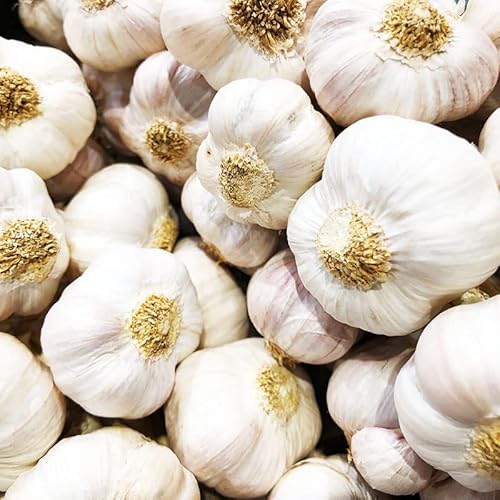
Bold, Rich Flavor: Known for their robust, spicy taste that intensifies when cooked—perfect for roasting, sautés, and garlic-infused oils.

A great tasting healthy. Heirloom, Non-GMO

Steps to Plant Garlic
- Choose Healthy Cloves: Select large, healthy garlic bulbs. Break the bulbs into individual cloves while keeping the papery skin intact.
- Prepare the Soil: Amend the soil with compost or well-rotted manure a few weeks before planting. Ensure the soil is loose, well-draining, and nutrient-rich.
- Determine Planting Time: Plant garlic in the fall, about 4 to 6 weeks before the ground freezes. If you miss this window, spring planting can occur.
- Create Planting Rows: Space rows 12 to 18 inches apart. Dig trenches about 2 inches deep for the cloves.
- Plant the Cloves: Place each clove upright in the trench, about 6 to 8 inches apart. Cover them gently with soil.
- Water: Water the area thoroughly after planting to settle the soil around the cloves. Keep the soil moist, especially during dry spells.
- Mulch: Apply a layer of organic mulch to retain moisture, regulate soil temperature, and suppress weeds.
- Care Throughout the Season: Monitor your garlic as it grows. Remove weeds and water regularly, especially during dry periods.
- Using Store-Bought Garlic: Avoid planting garlic from the grocery store. It’s often treated to prevent sprouting and may carry diseases.
- Planting Too Close Together: Don’t crowd the cloves. Ensure each clove has enough space to grow, preventing competition for nutrients.
- Neglecting Soil Health: Don’t overlook soil quality. Testing pH and nutrients can make a significant difference in growth.
- Failing to Water: Don’t forget to water, especially during dry spells. Garlic needs consistent moisture for healthy growth.
- Ignoring Frost Protection: Don’t expose newly planted garlic to severe frost without protection. Consider covering them with extra mulch if harsh weather is forecasted.
Caring for Garlic as It Grows
Caring for garlic during its growth phase is crucial for achieving a healthy and abundant harvest. Attention to watering, fertilizing, and pest management makes a significant difference in the quality and quantity of your garlic.
Recommended Products

Commercial-Strenth Garlic Extract Concentrate: Garlic Barrier is a highly concentrated liquid garlic extract designed for farms, orchards, gardens, and greenhouse operations. Mixes easily with water and applies with common sprayers, providing an efficient solution for growers, landscapers, and serious gardeners managing larger planting areas.

COMMERCIAL-STRENGTH GARLIC EXTRACT CONCENTRATE: Garlic Barrier is a highly concentrated liquid garlic extract designed for farms, orchards, gardens, and greenhouse operations. Mixes easily with water and applies with common sprayers, providing an efficient solution for growers, landscapers, and serious gardeners managing larger planting areas.

Used Book in Good Condition
Watering and Fertilizing
Water garlic deeply, especially during dry spells. Aim for about 1 inch of water per week, adjusting based on rainfall and soil moisture. Maintain consistent moisture, as garlic prefers slightly damp soil but can’t tolerate standing water.
Fertilize garlic twice during the growing season. Use a balanced fertilizer or compost in early spring when shoots begin to emerge. Apply again mid-season, following the recommended rates on the fertilizer packaging for best results. Options include fish emulsion or seaweed extracts, which provide essential nutrients.
Pest and Disease Management
Monitor your garlic plants for signs of pests and diseases. Look for common pests like onion flies and thrips, which can cause damage. Use row covers or organic insecticidal soap as preventive measures. Inspect plants regularly, as early detection aids in effective treatment.
Keep an eye out for diseases such as rust and white rot. To minimize risk, practice crop rotation and avoid planting garlic in the same location year after year. Remove any affected plants immediately to prevent spread. Proper spacing between plants also promotes air circulation, reducing the likelihood of disease.
Harvesting Garlic
Harvesting garlic requires proper timing and techniques to ensure maximum yield and flavor.
Signs of Readiness
Signs of garlic readiness include yellowing leaves, wilted tips, and a few lower leaves turning brown. Generally, when the bottom three to four leaves are yellow or brown, it’s time to harvest. You can also gently dig around the bulbs to check their size; mature bulbs should feel firm and have developed their full shape.
Proper Harvesting Techniques
Proper harvesting techniques enhance garlic quality. Follow these steps for the best results:
- Choose the Right Day: Harvest on a dry day to prevent excessive moisture in the bulbs.
- Loosen the Soil: Use a garden fork about 6 inches away from the plants. Gently loosen the soil to avoid damaging the bulbs.
- Pull Up the Bulbs: Grasp the base of the garlic plant and pull it up steadily. Avoid yanking, as that may break the stems.
- Clean the Bulbs: Remove excess dirt without washing. Wash them only if necessary, as moisture can promote rot during storage.
- Cure the Garlic: Place garlic in a shaded, dry, and well-ventilated area for about 2 to 4 weeks. This curing process improves flavor and shelf life.
By observing these signs and following proper techniques, you can enjoy a successful garlic harvest that enhances your culinary creations.
Conclusion
Growing your own garlic is a rewarding journey that not only enhances your meals but also connects you with the gardening process. By choosing the right type of garlic and preparing your garden properly, you’re setting yourself up for success.
Remember to keep an eye on soil health and provide your garlic with the care it needs throughout the growing season. With a little patience and attention, you’ll be ready to enjoy a bountiful harvest.
So grab those cloves and get planting—your culinary adventures await!
Frequently Asked Questions
What are the benefits of growing garlic at home?
Growing garlic at home is rewarding and improves the flavor of dishes. It allows you to harvest fresh produce, ensures you know the growing conditions, and can be more economical than store-bought garlic.
What types of garlic should I consider planting?
There are two main types of garlic: hardneck and softneck. Hardneck garlic is suited for colder climates, offering robust flavors and larger cloves. Softneck garlic thrives in milder climates and has a longer shelf life, making it ideal for braiding.
When is the best time to plant garlic?
The best time to plant garlic is in the fall, about 4 to 6 weeks before the ground freezes. If you miss this window, you can plant in spring, but expect smaller bulbs.
How do I prepare my garden for garlic planting?
To prepare your garden, ensure well-draining, nutrient-rich loamy or sandy soil with a pH of 6.0 to 7.0. Test and amend the soil as needed, and choose a location with full sun, receiving at least 6 to 8 hours of sunlight daily.
What are the key steps for planting garlic cloves?
Select healthy garlic bulbs, prepare your soil, and create rows spaced at least 12 inches apart. Plant cloves with the pointed end facing up, and follow up with thorough watering and mulching for moisture retention.
How should I care for garlic during its growth?
Water garlic with about 1 inch of moisture per week, keeping the soil consistently moist without standing water. Fertilize twice during the growing season, monitor for pests, and ensure proper spacing to prevent disease.
When is garlic ready to harvest?
Garlic is ready for harvest when the leaves start to yellow, and the bulbs feel firm. This typically occurs in mid to late summer, depending on when it was planted.
What harvesting techniques should I follow?
Harvest garlic on a dry day; loosen the soil with a fork, then gently pull the bulbs from the ground. Clean them without washing and cure in a shaded, dry area for 2 to 4 weeks to enhance flavor and longevity.

My interest in trees started when I first saw the giant sequoias in Yosemite.I was a teenager then, and I remember thinking, “I need to learn more about this.”That moment stuck with me.A few years later, I went on to study forestry at Michigan Tech.
Since graduating, I’ve worked in a mix of hands-on tree care and community education.I’ve spent over ten years helping people understand how to plant, maintain, and protect the trees in their neighborhoods.I don’t see trees as just part of the landscape.They are living things that make a real difference in our daily lives.