Have you ever wondered if lining your raised garden bed is really necessary? You’re not alone. Many gardeners face this question, especially when starting out. It’s easy to get caught up in the excitement of planting but overlooking this detail could impact your garden’s health.
Imagine putting in all that effort to build a beautiful raised bed only to find your soil draining too quickly or your plants struggling to thrive. This article will help you understand the pros and cons of lining your raised garden bed, so you can make an informed decision. By the end, you’ll know whether lining is the right choice for your garden, ensuring your plants get the best start possible.
Key Takeaways
- Understanding the Purpose: Lining a raised garden bed can significantly impact moisture retention and soil protection, making it a crucial decision for garden health.
- Material Choices: Opt for durable lining materials like landscape fabric or plastic, but ensure they allow for adequate drainage to prevent waterlogging.
- Plant Consideration: Different plants have different requirements; evaluate the specific needs of your plants to determine whether lining is beneficial for them.
- Cost vs. Benefit: While lining materials add to initial costs, weigh these against the long-term benefits for soil health and plant growth.
- Maintenance Awareness: Lining can introduce maintenance challenges, such as mold growth; regular checks and potential replacements may be necessary.
- Climate Impact: Your local climate affects the necessity for lining—consider moisture needs in hot, dry areas versus ventilation in cooler, wetter regions.
Understanding Raised Garden Beds
Raised garden beds elevate your gardening experience. These structures improve soil quality, enhance drainage, and create better accessibility. You can use various materials for construction, including untreated wood, bricks, or composite materials. Each option has specific benefits and considerations.
Advantages of Raised Garden Beds
- Better Drainage: Raised beds promote drainage, reducing water logging and root rot.
- Soil Quality Control: You can fill raised beds with quality soil, providing optimal nutrients for your plants.
- Easier Maintenance: Raised beds ease tasks like weeding and harvesting, reducing back strain.
- Extended Growing Season: Soil in raised beds warms up faster in spring, allowing earlier planting.
Considerations for Your Garden
- Material Selection: Choose materials that are safe for the environment and your plants. Avoid treated wood that may leach chemicals.
- Height and Accessibility: Decide on the height of your raised bed to suit your gardening needs, including any mobility considerations.
- Spacing and Location: Plant spacing and sunlight exposure are crucial for growth. Position the bed for maximum light.
- Soil Composition: Mix organic matter, compost, and other amendments into your soil to enrich it.
- Do I need to line my raised garden bed? Lining can prevent weeds and pests but may affect drainage.
- What materials work best for lining? Choose durable options like landscape fabric or plastic. Ensure you can maintain adequate drainage.
- How deep should my raised bed be? A depth of at least 12 inches is ideal for most plants, while deeper roots may require more.
By understanding the structure and benefits of raised garden beds, you can maximize your gardening success. Make informed decisions about lining and other factors to ensure your plants thrive.
Benefits Of Lining A Raised Garden Bed
Lining a raised garden bed offers several benefits that can enhance your gardening experience. These advantages include better moisture retention and soil protection.
Recommended Products

SOIL WILL NOT BE WASHED AWAY: Fabric garden bed is deep enough for suitable root growth. Grow bags provides additional protection for your garden bed, preventing soil from being washed away and avoiding the surrounding environment to become dirty and messy.

Fabric Raised Garden Bed: Made of superior breathable felt fabric, built thick and sturdy, UV resistant, that provides exceptional air flow throughout the soil and root systems and allows excess moisture to easily drain away

Durable Material: planter liner mades of super strong and durable nonwoven fabric, this landscape cloth is the perfect liner for large vegetable trough outdoor large elevated beds. The liner is porous enough to allow excess water to drain and tough enough to prevent soil from escaping
Moisture Retention
Lining your raised garden bed helps retain moisture within the soil. When you line the interior with materials like landscaping fabric or even cardboard, it acts as a barrier that slows down evaporation. This is especially beneficial during hot and dry periods, keeping your plants hydrated for longer. For instance, using a breathable fabric lining helps maintain the right moisture level, which encourages healthy root growth.
Soil Protection
Soil protection is another significant benefit of lining a raised garden bed. A proper lining prevents soil from washing away or being lost due to erosion. It also deters pests and weeds, creating a more favorable environment for your plants. Materials like plastic or rubber can further help keep harmful insects away, while breathable fabrics keep roots from becoming waterlogged. With a good lining, you ensure your soil remains healthy and productive, leading to stronger plants and better yields.
Drawbacks Of Lining A Raised Garden Bed
Lining a raised garden bed may come with several drawbacks that you should consider. Understanding these can help you make a more informed decision.
Cost Considerations
Lining materials can add to your gardening expenses. Options like landscaping fabric, cardboard, or plastic cost money. While some are inexpensive, others may increase your overall budget. If you’re building several beds, the cost can add up quickly. Assess your budget before making decisions about lining.
Maintenance Challenges
Lining a garden bed also introduces maintenance challenges. Materials like landscape fabric can trap moisture, leading to mold growth. Mold affects the health of your plants and makes maintenance difficult. Additionally, if the lining material deteriorates over time, you’ll need to replace it. This increases the frequency of maintenance tasks, which can become cumbersome alongside regular gardening activities.
Factors To Consider Before Lining
Before deciding to line your raised garden bed, consider several key factors that affect plant health and growth.
Recommended Products
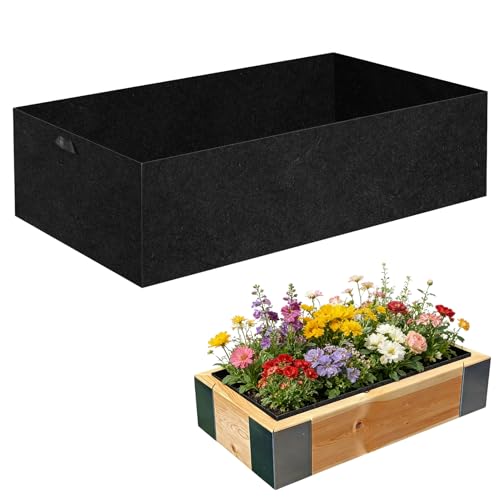
Garden Grow Bed Growing Bags: The package includes 1 packs of thick fabric garden grow bed bags. The raised garden bed liner allows you to plant various flowers, fruits, and vegetables. Bring you the fun of diversified planting and let your garden show a rich and diverse landscape

Premium Durable & Functional Non-Woven Fabric: Crafted from heavy-duty, ultra-durable non-woven fabric, this landscape liner provides the perfect balance for your raised garden bed. It is porous enough to allow excess water to drain freely, preventing root rot, yet tough enough to effectively contain soil and prevent erosion. This breathable barrier also blocks weeds from growing up into your precious soil.

✅ PROFESSIONAL GRADE NON-WOVEN LINER - This heavy-duty black fabric liner is engineered specifically for raised bed gardening. Unlike woven barriers, our breathable non-woven material allows optimal air and water flow to prevent root rot while acting as a superior weed blocker and soil containment barrier.
Plant Type
Different plants respond uniquely to their growing environments. Some plants thrive in well-drained soils with excellent aeration, benefiting from lined beds. For example, root vegetables like carrots prefer loose, well-draining soil and might do well in lined beds where moisture control is optimal. Conversely, heavy feeders like tomatoes or peppers can tolerate some soil restrictions and may not necessitate lining. Evaluate your chosen plants’ specific needs first to guide your decision.
Local Climate
Local climate plays a vital role in your gardening success. In hot, dry areas, lining your raised garden bed can help retain moisture, reducing watering frequency. Using materials like landscaping fabric can slow evaporation. In cooler, wetter climates, however, excessive moisture can lead to mold and rot. You may want to consider ventilation if you line your beds. Assess your climate conditions to determine the best approach for lining.
Conclusion
Deciding whether to line your raised garden bed ultimately depends on your specific needs and circumstances. Consider the types of plants you want to grow and the climate in your area.
If you’re in a hot, dry region lining can help retain moisture and protect your soil. However if you’re in a cooler, wetter climate you might want to skip it to avoid potential mold issues.
Whatever you choose remember that the goal is to create a thriving environment for your plants. With thoughtful planning and consideration you’ll be on your way to a successful garden. Happy gardening!
Frequently Asked Questions
Is it necessary to line a raised garden bed?
Lining a raised garden bed isn’t strictly necessary, but it can provide benefits like improved drainage and moisture retention. It’s important to weigh the pros and cons based on your gardening goals and local conditions.
What are the benefits of raised garden beds?
Raised garden beds offer better soil quality, enhanced drainage, and easier maintenance. They also promote an extended growing season, making them an attractive option for gardeners.
What materials are best for lining a raised garden bed?
Common lining materials include landscaping fabric, cardboard, and plastic. Each option has its pros and cons, so choose one based on your specific gardening needs and local climate.
How deep should I make my raised garden bed?
A depth of 12 to 18 inches is ideal for most plants, allowing ample room for root growth. For root vegetables, consider deeper beds to accommodate their longer roots.
Can lining a raised garden bed help with pests and weeds?
Yes, lining can deter pests and weeds by creating a barrier. Materials like landscaping fabric help prevent weed growth, while certain linings can make it harder for pests to access the soil.
What are the drawbacks of lining a raised garden bed?
The main drawbacks of lining include added costs and potential maintenance issues, such as moisture retention leading to mold. It’s essential to evaluate these factors before deciding to line your bed.
How does climate affect my decision to line a raised garden bed?
In hot, dry climates, lining can help retain moisture. In cooler areas, it might lead to excess moisture and mold, so consider your local weather patterns when making your decision.
Do all plants benefit from lined raised beds?
Not all plants benefit from lined beds. For example, root vegetables may thrive in lined beds, while heavy feeders might not need them. Assess the needs of your plants before deciding on lining.

My interest in trees started when I first saw the giant sequoias in Yosemite.I was a teenager then, and I remember thinking, “I need to learn more about this.”That moment stuck with me.A few years later, I went on to study forestry at Michigan Tech.
Since graduating, I’ve worked in a mix of hands-on tree care and community education.I’ve spent over ten years helping people understand how to plant, maintain, and protect the trees in their neighborhoods.I don’t see trees as just part of the landscape.They are living things that make a real difference in our daily lives.