Are you unsure how long to water your garden? You’re not alone. Many gardeners struggle with this question, especially when trying to keep their plants healthy and thriving. Overwatering can drown roots while underwatering can leave them parched.
Key Takeaways
- Understand Soil Types: Different soil types (sandy, clay, loamy) require varying amounts of water; adjust your schedule based on drainage and retention properties.
- Consider Plant Needs: Different plants have distinct watering requirements, such as vegetables needing consistent moisture and succulents benefiting from infrequent watering.
- Monitor Climate Conditions: Adapt your watering frequency based on weather; increase watering during hot, dry periods and decrease during cool, humid conditions.
- Optimal Watering Techniques: Use deep watering methods, allowing soil to absorb moisture thoroughly, and aim to water early in the morning to reduce evaporation.
- Recognize Signs of Stress: Identify symptoms of underwatering (wilting leaves, dry soil) and overwatering (yellowing leaves, mushy roots) to adjust your watering practices accordingly.
- Utilize Tools: Implement a soil moisture meter and group plants with similar water needs to help streamline your watering schedule and ensure efficient care.
Understanding Watering Needs
Understanding your garden’s watering needs allows for effective plant care. You must consider several factors.
Recommended Products

Accurate Soil Moisture Detection: The XLUX Soil Moisture Meter can tell you if the soil deep inside your pot or garden is dry, moist or wet; whereas your eyes and fingers can only determine the moisture level of the soil surface. The probe is 5.5 inches (14 cm) longer than regular styles, allowing it to measure the soil moisture at the bottom of larger and deeper flower pots.

Kindly NOTE: This soil tester can not be applied to test pH value of any other liquid. If the soil is too dry the indicator will not move, and water it before testing.
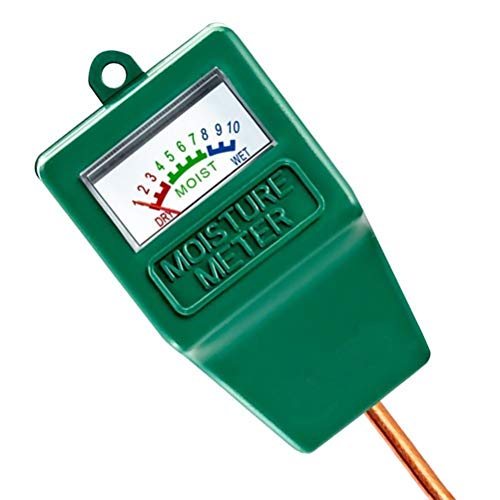
Soil Moisture Meter: This single probe soil moisture meter is specially designed for testing the moisture level in the soil, helps you decide whether the plants need water or not, helps to keep plants alive.
Soil Type
- Sandy Soil: Drains quickly, needs more frequent watering. Aim for 1 to 2 inches per week.
- Clay Soil: Retains moisture longer, requires less watering. Apply about 0.5 to 1 inch weekly.
- Loamy Soil: Balances drainage and retention. Water once a week with about 1 inch.
Plant Type
- Vegetables: Require consistent moisture. Water deeply 1 to 2 times weekly.
- Flowers: Most prefer steady hydration. Aim for 1 inch per week.
- Succulents: Thrive on minimal water. Water every 2 to 3 weeks when the soil dries out.
Climate Conditions
- Hot and Dry: Increase watering to compensate for evaporation. Aim for 2 inches weekly.
- Cool and Humid: Reduce watering frequency. Adjust to about 0.5 inches per week.
- Windy Conditions: May dry out soil quickly. Water more frequently as needed.
Time of Day
- Morning: Best for watering, reduces evaporation, and allows plants to absorb moisture.
- Evening: Effective if you can ensure plants stay dry overnight to prevent disease.
- Soil Moisture Meter: Measure moisture levels with precision.
- Mulch: Reduces evaporation and retains soil moisture.
By understanding these factors, you can set a watering schedule tailored to your garden’s unique needs. Consistency and observation play key roles in maintaining plant health without over or underwatering.
Factors Influencing Watering Duration
Understanding the factors that influence watering duration helps you optimize your garden’s health. Key elements include soil type, plant types, climate conditions, and time of day.
Soil Type
Soil type significantly impacts how long you should water.
- Sandy Soil: Drains quickly, requiring more frequent watering. Aim for 1 to 2 inches of water every 1 to 2 days.
- Clay Soil: Retains moisture, so water less frequently. About once a week with 1 inch of water suffices.
- Loamy Soil: Balance between sandy and clay, needing moderate watering. Typically, aim for 1 inch per week.
Testing the soil’s moisture can guide watering schedules effectively. Use a shovel or garden trowel to check the soil’s dampness a few inches down.
Plant Types
Different plants have varied water needs affecting how long you should water them.
- Vegetables: Require consistent moisture. Water them with 1 inch every 3 to 5 days, depending on the weather.
- Flowering Plants: Many prefer moist soil but may vary. Aerate the soil and check moisture levels to guide you.
- Succulents and Cacti: Thrive on minimal water. Water every 2 to 4 weeks, allowing the soil to dry completely between waterings.
Grouping plants by their water needs can help streamline your watering schedule and maintain healthy plants.
Recommended Watering Practices
Understanding optimal watering practices helps maintain a healthy garden. Knowing when and how long to water ensures plants thrive without drowning or drying out.
Recommended Products

【Easy Programming Program】Through the Sprinkler Timer to program, you can set the Start Time, Watering Duration is 1min-3h59min, Watering Frequency from 1h to 12h or 1 day to 7 days, so you can customize your watering time, and can be more accurate.

Save 80% Water: This flat soaker hose penetrates water through numerous tiny holes in a fine and even manner, directly delivering water to the roots of plants. This reduces evaporation and loss. Compared to traditional hoses, garden hose can save 80% water

BRASS INLET & OUTLET: 2026 Newly upgraded water hose timer with pure brass water inlet and outlet metal thread, strong and durable, can withstand up to 116psi. Built-in metal filter gaskets can effectively prevent sediment and other larger particles from entering the irrigation system. The body shell adopts heavy-duty weatherproof construction and UV-resistant materials, which is perfect for outdoor garden watering.
Deep Watering
Deep watering saturates the soil, encouraging roots to grow deeper. You should aim for about 6 to 12 inches of soil moisture. This depth provides adequate water for roots while promoting strong growth. To achieve this, water slowly and deeply, allowing the soil to absorb moisture instead of letting it run off.
For example, using a soaker hose or drip irrigation works well. These methods deliver water directly to the soil, minimizing evaporation. Watering for about 30 minutes to an hour usually achieves deep watering, depending on the soil type and moisture level. Adjust time based on how quickly your soil absorbs water.
Frequency of Watering
Watering frequency varies by plant type, soil, and climate. Typically, aim to water your garden 1 to 2 times per week. During hot, dry conditions, increase frequency to prevent drying out.
For example, vegetables like tomatoes require watering every 3 to 5 days, especially during peak growing seasons. Conversely, succulents prefer infrequent watering, often every 2 to 4 weeks, allowing the soil to dry completely in between.
Utilizing a soil moisture meter simplifies determining when to water. If the meter reads moist below 2 inches, wait before watering again. Adjust your schedule seasonally, as plants require more water during warmer months and less during cooler periods. Group plants with similar watering needs together to make this process easier.
Signs of Underwatering and Overwatering
Recognizing signs of underwatering and overwatering helps maintain your garden’s health. Each condition shows specific symptoms that you can identify and address quickly.
Recommended Products
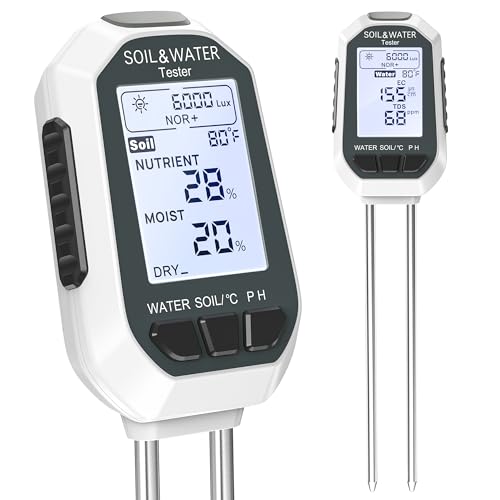
【7-in-1 Features】This is a 7-in-1 multi-function soil tester. Our soil tester quickly measures soil moisture, pH, temperature and light intensity, and its fertility function helps you take better care of your plants. With this device you can measure the soil moisture, pH, temperature and light intensity for your plants and with the EC and TDS functions you will know when it is time to water the soil.

Accurate Soil Moisture Detection: The XLUX Soil Moisture Meter can tell you if the soil deep inside your pot or garden is dry, moist or wet; whereas your eyes and fingers can only determine the moisture level of the soil surface. The probe is 5.5 inches (14 cm) longer than regular styles, allowing it to measure the soil moisture at the bottom of larger and deeper flower pots.

Accurate Soil Moisture Detection: The XLUX Soil Moisture Meter detects deep soil moisture in pots or gardens (dry/moist/wet), unlike eyes or fingers that only sense surface soil.
Signs of Underwatering
- Wilting Leaves: Leaves may droop or curl when they lack moisture.
- Dry Soil: Soil feels hard and crumbly to the touch.
- Brown Edges: The tips or edges of leaves turn brown and crispy.
- Stunted Growth: Plants may stop growing altogether or exhibit slower growth rates.
- Dropping Leaves: Plants may shed leaves in an effort to conserve water.
Signs of Overwatering
- Yellowing Leaves: Leaves turn yellow, often starting with the lower ones, indicating root stress.
- Mushy Roots: Roots begin to rot, becoming soft and dark.
- Pests or Mold: A fungal growth or insect presence increases in damp conditions.
- Waterlogged Soil: The soil appears consistently wet or has pooling water.
- Fungal Growth: White, mold-like substances appear on the soil surface.
- Adjust Watering Schedule: If you observe signs of underwatering, increase watering frequency but monitor closely. Reduce watering if overwatering signs occur.
- Check Soil Moisture: Use your finger or a moisture meter. Stick your finger about an inch into the soil; if it’s dry, water. If it’s wet, wait a few days.
- Consider Soil Type: Adjust irrigation based on soil drainage characteristics. Sandy soil requires more frequent watering than clay soil.
- Group Plants by Needs: Place plants with similar moisture requirements together to simplify care.
By monitoring these signs regularly and adapting your watering habits, you can ensure your garden thrives.
Conclusion
Finding the right watering duration for your garden can make all the difference in keeping your plants healthy and thriving. By understanding your soil type and the specific needs of your plants you can tailor your watering routine effectively.
Remember to check your plants regularly for signs of stress and adjust your schedule as needed. With a little attention and care you’ll be well on your way to a flourishing garden that brings you joy throughout the seasons. Happy gardening!
Frequently Asked Questions
How often should I water my garden?
The frequency of watering depends on various factors like soil type, plant type, and climate conditions. Generally, gardens should be watered 1 to 2 times per week, increasing during hot, dry spells. Vegetables typically need water every 3 to 5 days, while succulents require watering every 2 to 4 weeks.
What factors influence how long I should water my plants?
Watering duration is influenced by soil type, plant type, and weather conditions. For sandy soils, 1 to 2 inches of water every 1 to 2 days is ideal, while clay soils need about 1 inch of water once a week. Testing soil moisture helps determine the right duration.
What are the signs of overwatering?
Signs of overwatering include yellowing leaves, mushy roots, and waterlogged soil. Increased pests, mold, and fungal growth may also appear. If you notice these symptoms, consider adjusting your watering schedule and checking soil moisture.
How do I know if my plants are underwatered?
Underwatered plants may show wilting leaves, dry soil, brown edges, and stunted growth. Leaves may also drop prematurely. Regularly check soil moisture to prevent these issues and adjust watering accordingly.
What is deep watering, and why is it important?
Deep watering saturates the soil to a depth of 6 to 12 inches, encouraging strong root growth. This method is typically achieved by watering slowly and deeply for about 30 minutes to an hour, depending on moisture levels and soil type.

My interest in trees started when I first saw the giant sequoias in Yosemite.I was a teenager then, and I remember thinking, “I need to learn more about this.”That moment stuck with me.A few years later, I went on to study forestry at Michigan Tech.
Since graduating, I’ve worked in a mix of hands-on tree care and community education.I’ve spent over ten years helping people understand how to plant, maintain, and protect the trees in their neighborhoods.I don’t see trees as just part of the landscape.They are living things that make a real difference in our daily lives.