Have you ever wondered if that bag of garden soil sitting in your shed is still good to use? You’re not alone. Many gardeners face this dilemma, unsure if their stored soil has gone bad or if it’s still packed with nutrients for their plants.
Key Takeaways
- Types of Bagged Soil: Understand the differences between potting soil, topsoil, garden soil, seed-starting mix, and compost to choose the right product for your gardening needs.
- Shelf Life Factors: The longevity of bagged garden soil depends on storage conditions and exposure to moisture; keep it in a cool, dry place away from direct sunlight for optimal preservation.
- Signs of Deterioration: Be vigilant for odor changes, visual indicators such as clumps or discoloration, and the presence of pests, as these can signal that your soil has gone bad.
- Expiration Dates: Always check the expiration date on bagged soil and evaluate its quality before use, especially for sensitive plants.
- Proper Storage Practices: Seal bags tightly, store in airtight containers if opened, and regularly inspect for any changes in texture or smell to maintain soil health.
- Nutrient Awareness: Recognize that different soil types come with varying nutrient profiles; selecting the correct mix is crucial for supporting plant growth effectively.
Understanding Bagged Garden Soil
Bagged garden soil provides a convenient option for gardeners. Knowing its types and ingredients helps ensure you choose the right product for your gardening needs.
Types of Bagged Garden Soil
- Potting Soil: Potting soil is a lightweight mix designed for container gardening. It’s rich in organic materials and drains well, making it ideal for potted plants.
- Topsoil: Topsoil contains the uppermost layer of soil. It typically includes a mix of minerals and organic matter. Most often used for garden beds and lawns, it can help improve soil structure.
- Garden Soil: Garden soil is a blend of topsoil and organic matter. It’s suitable for in-ground planting and contains nutrients that support plant growth.
- Seed-Starting Mix: Seed-starting mix is a fine-textured soil designed for germinating seeds. It contains fewer nutrients and helps prevent damping-off disease.
- Compost: Compost is decomposed organic matter. It enriches soil with nutrients and enhances moisture retention, making it a great amendment for any soil type.
- Peat Moss: Peat moss increases water retention and aeration in soil. It’s commonly found in potting mixes, helping to create a lightweight structure.
- Compost: Compost provides essential nutrients and improves soil health. It’s often mixed into garden soil to promote plant growth.
- Perlite and Vermiculite: Perlite enhances aeration and drainage, while vermiculite retains moisture. Both are added to improve soil texture and promote root health.
- Fertilizers: Slow-release fertilizers are sometimes included to provide essential nutrients over time. Check the label for specific nutrient content.
- Sand: Sand improves drainage in soil mixes, making it ideal for cacti and succulents. It helps prevent compaction in heavier soils.
Understanding these types and ingredients equips you to select the right bagged garden soil for your gardening projects.
Factors That Affect the Shelf Life
Bagged garden soil can last for an extended period, but certain factors influence its shelf life. Understanding these elements helps maintain the quality of your soil and ensures optimal gardening results.
Recommended Products

HELPS REGULATE SOIL MOISTURE: Miracle-Gro Organic Indoor Potting Soil Mix is an organic potting soil that protects indoor plants against over and under watering

FEEDS UP TO 6 MONTHS: Miracle-Gro Moisture Control Potting Soil Mix feeds plants for up to 6 months and Grows Plants Twice As Big (vs unfed plants)

FEEDS UP TO 6 MONTHS: Miracle-Gro Moisture Control Potting Soil Mix feeds plants for up to 6 months and Grows Plants Twice As Big (vs unfed plants)
Storage Conditions
Store bagged garden soil in a cool, dry place. Temperature fluctuations can affect its composition. Keeping it away from direct sunlight prevents the nutrients from breaking down. A sealed container, such as a plastic bin, helps protect it from pests and contaminants. If the bag is unopened, it can last several months to a few years.
Exposure to Moisture
Moisture can degrade bagged garden soil quickly. When exposed to humidity or leaks, the soil may clump or develop mold. This deterioration reduces its effectiveness as a growing medium. To ensure longevity, always keep the bag sealed when not in use. If you notice any moisture inside the bag, consider discarding it to avoid harming your plants.
Signs That Bagged Garden Soil Has Gone Bad
Recognizing signs that bagged garden soil has deteriorated helps you maintain soil quality for your gardening needs. Here are some key indicators to watch for.
Recommended Products
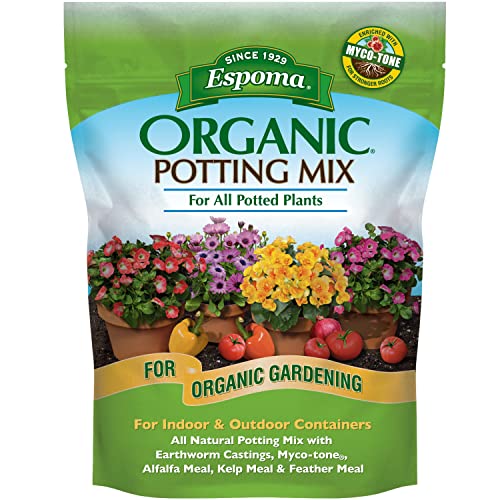
FOR USE ON: Not just an indoor potting soil, this can also be used as a potting soil for outdoor plants and is a great soil mix for vegetables, herbs & all other container plants & flowers.

Feed the soil not the plants - stimulate microbial activity in your soil and boost probability of success with all types of plants… like composting but faster
FOR USE ON: Not just an indoor potting soil, this can also be used as a potting soil for outdoor plants and is a great soil mix for vegetables, herbs & all other container plants & flowers.
Odor Changes
Detect foul smells, which can signal that your soil has gone bad. Fresh garden soil usually has a neutral, earthy scent. If you notice strong, sour, or rotten odors, discard the soil. These smells often indicate bacterial growth or decay, making the soil unsuitable for planting.
Visual Indicators
Examine the soil for visual cues of deterioration. Look for clumps, which may suggest moisture retention or fungal growth. Fine textures should appear loose and crumbly. Discoloration, such as green or dark spots, could indicate mold or contamination. If you spot insects or pests, consider the soil compromised and dispose of it.
Best Practices for Using Bagged Garden Soil
Understanding how to properly use bagged garden soil can enhance your gardening success. Follow these best practices to maximize the benefits of your soil.
Recommended Products

Quick, at home results for Soil pH, Nitrogen, Phosphorous and Potash Innovative and inexpensive soil test kit features an easy-to-use capsule system and patented color comparators

KNOW BEFORE YOU GROW | Grow the healthiest, sustainable lawn and garden with the most accurate and easy to use professional soil test kit on the market

Kindly NOTE: This soil tester can not be applied to test pH value of any other liquid. If the soil is too dry the indicator will not move, and water it before testing.
Checking Expiration Dates
Check the expiration date on your bagged garden soil. Many products have a shelf life indicated on the label. If the date has passed, evaluate the soil’s quality before use. Look for any signs of deterioration, such as clumping, foul smells, or abnormal coloration. Always opt for fresh soil for the best results, especially for sensitive plants.
Proper Storage Methods
Store your bagged garden soil properly to maintain its quality.
- Cool and Dry Locations: Place bags in a cool, dry area, away from heat sources or direct sunlight.
- Seal Bags: Keep bags sealed when not in use. This prevents moisture and pests from affecting the soil.
- Use Containers: If you open a bag, transfer leftover soil into airtight containers. This provides extra protection against contaminants.
- Check Periodically: Inspect stored soil regularly for any changes in texture or smell, addressing any issues immediately.
Following these practices ensures that your bagged garden soil remains effective for your gardening ventures.
Conclusion
You can enjoy gardening with confidence knowing how to care for your bagged garden soil. By storing it properly and keeping an eye out for any signs of spoilage you’ll ensure it stays nutrient-rich and effective for your plants. Remember to check for odors and texture changes before using it. If you spot any issues it’s best to discard that soil and start fresh. With the right practices your gardening experience can be both rewarding and successful. Happy gardening!
Frequently Asked Questions
How can I tell if my stored garden soil is still usable?
If your stored garden soil has a neutral, earthy smell and a loose, crumbly texture, it is likely still usable. However, if you notice foul odors, clumping, discoloration, or signs of pests, it’s best to discard the soil.
What types of bagged garden soil exist?
Bagged garden soil includes potting soil, topsoil, garden soil, seed-starting mix, compost, peat moss, perlite, vermiculite, fertilizers, and sand. Each type serves different gardening needs, so choose accordingly.
How should I store bagged garden soil?
Store bagged garden soil in a cool, dry place away from direct sunlight. Use sealed containers to protect it from pests and moisture, which can compromise quality.
What are the signs that bagged garden soil has gone bad?
Signs of bad bagged soil include foul odors, clumping, discoloration, and mold. Discard any soil showing these symptoms, as they indicate bacterial growth or contamination.
Can bagged garden soil expire?
Yes, bagged garden soil can expire. Always check the expiration date and inspect soil quality before use for the best gardening results.

My interest in trees started when I first saw the giant sequoias in Yosemite.I was a teenager then, and I remember thinking, “I need to learn more about this.”That moment stuck with me.A few years later, I went on to study forestry at Michigan Tech.
Since graduating, I’ve worked in a mix of hands-on tree care and community education.I’ve spent over ten years helping people understand how to plant, maintain, and protect the trees in their neighborhoods.I don’t see trees as just part of the landscape.They are living things that make a real difference in our daily lives.