Have you ever wondered how long to run your drip irrigation system for your garden? You’re not alone. Many gardeners face the challenge of providing just the right amount of water without overdoing it. Too little can leave your plants thirsty while too much can drown their roots.
Key Takeaways
- Drip irrigation efficiently delivers water directly to plant roots, conserving up to 60% more water than traditional methods.
- Understanding soil types is crucial; sandy soil requires shorter run times, while clay soil needs longer periods to avoid overwatering.
- Plant water requirements vary significantly; adjust your irrigation schedule based on specific species to meet their moisture needs.
- Seasonal changes dramatically affect watering times; extend run times during hot months and shorten them during cooler or rainy seasons.
- Regular maintenance, such as checking for clogs and leaks, ensures optimal performance of your drip irrigation system.
- Utilizing a timer for your system can automate and standardize watering schedules, promoting consistency and plant health.
Understanding Drip Irrigation
Drip irrigation delivers water directly to the roots of plants. This method conserves water and reduces evaporation loss. By using a network of tubing, emitters release water at a slow, steady rate.
Recommended Products

Convenient and portable storage kit contains 102 professional grade universal Drip irrigation parts

【Ideal Package List】The 300 pieces set irrigation tubing connectors are including 10 * Adjustable Red Drip Emitters, 10 * Adjustable Nozzles, 10 * Nozzle Tees, 30 * Single barbs, 25 * 4-way Connectors, 40 * Barbed End Plugs, 30 * Barbed Elbows, 60 * Barbed Tees, 85 * Straight Barbs. all in a storage box. This set of drip irrigation parts can meet most needs for a automatic irrigation system, saving you time.

2.0 gallon per hour pressure-compensating emitter delivers same uniform flow rate from beginning to end of tubing runs
Benefits of Drip Irrigation
- Water Efficiency: Drip systems use up to 60% less water than traditional methods. This efficiency promotes healthier plants while conserving resources.
- Soil Moisture Control: The system ensures consistent soil moisture. This control helps prevent overwatering and underwatering issues.
- Reduced Weed Growth: Water reaches only the plants, limiting moisture in surrounding areas. This helps minimize weed growth and competition for water.
- Disease Prevention: Watering at the root zone decreases foliage moisture. This reduction lowers the risk of fungal diseases.
Components of Drip Irrigation Systems
- Main Line: This delivers water from the source to the garden. It typically runs along the length of the garden beds.
- Emitters: These devices distribute water at a controlled rate. They come in various flow rates, such as 0.5, 1, or 2 gallons per hour.
- Tubing: Flexible tubing carries water from the main line to each plant. Tubing diameter matters; common sizes include 1/4 inch and 1/2 inch.
Installation Tips for Drip Irrigation
- Plan the Layout: Evaluate your garden’s size and shape. Consider the location of plants, grouping similar species together.
- Measure Water Pressure: Check your water supply’s pressure. Ideally, it should range from 20 to 30 psi for effective drip irrigation.
- Select Emitters: Choose emitters based on plant needs. For example, use higher flow rates for water-hungry plants like tomatoes.
- Check for Clogs: Regularly inspect emitters for blockages. Clean or replace emitters as necessary.
- Monitor Watering Schedule: Adjust the run time based on weather. Hot, dry days may require longer watering durations.
- Flush the System: Flush the system periodically to remove debris. This helps maintain optimal water flow.
Understanding these core aspects of drip irrigation enables you to implement and maintain an efficient watering system in your garden.
Factors Influencing Run Time
Several factors determine how long to run drip irrigation in your garden. These elements directly affect the efficiency and effectiveness of your watering schedule.
Recommended Products

Smart Automatic Watering Control: The Orbit Programmable Digital Hose Watering Timer transforms a faucet into an automatic watering system using a reliable single outlet hose timer

【Easy Programming Program】Through the Sprinkler Timer to program, you can set the Start Time, Watering Duration is 1min-3h59min, Watering Frequency from 1h to 12h or 1 day to 7 days, so you can customize your watering time, and can be more accurate.
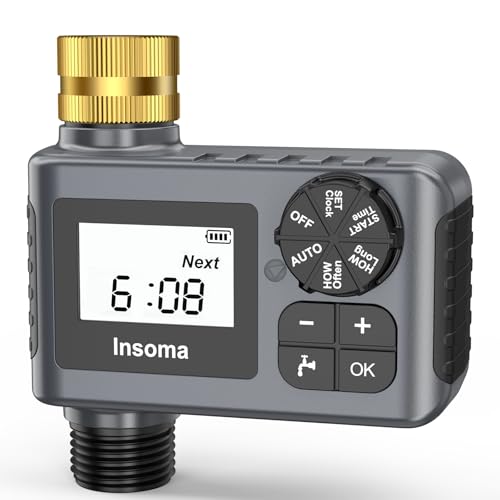
【Durable Brass Inlet for Extended Lifespan】: Featuring a 100% brass water inlet and metal-threaded connection, this Insoma water timer is far more durable and heat-resistant than standard ABS inlets. It can withstand water pressure up to 116 psi without cracking or deforming over time. The built-in metal filter effectively blocks sediment and large particles from entering the irrigation system, helping ensure stable and reliable performance.
Soil Type
Soil type plays a significant role in water absorption. Sandy soil drains quickly, requiring shorter run times. Clay soil retains moisture longer, needing extended watering periods. Loamy soil sits in the middle, balancing drain and retention. For example, if you garden in sandy soil, run your drip system for about 30 minutes. In clay soil, aim for up to an hour.
Plant Water Requirements
The specific water needs of your plants can vary significantly. Different plants demand different amounts of water. For instance, vegetable plants like tomatoes and peppers thrive with more moisture, while succulents require less. Determine plant requirements by researching your plants and generally aiming for 1 to 2 inches of water per week, factoring in the depth of root systems to guide your watering adjustments.
Weather Conditions
Weather greatly impacts run time. Hot, dry days increase evaporation, necessitating longer watering periods. Conversely, cooler, humid days allow for shorter durations. Monitor weather forecasts to adjust your schedule. For example, increase run time by 15-20% during heatwaves. During rainy periods, consider skipping a watering session to prevent over-saturation.
Recommended Run Times
Determining the ideal run times for your drip irrigation system enhances both water conservation and plant health. Here’s how to establish those times effectively.
General Guidelines
Aim for a run time of 30 minutes to 2 hours per session, depending on several factors. For sandy soil, run the system for 30 to 45 minutes, as it drains quickly. Loamy soil benefits from 1 to 1.5 hours of watering. For clay soil, which retains moisture longer, you might run it for 1.5 to 2 hours. Always check the moisture level in the soil after each session to find your system’s sweet spot.
Adjusting for Seasonal Changes
Adjust your run times seasonally to match weather changes. In hot, dry summer months, extend your irrigation time by 15 to 30 minutes to keep plants hydrated. During cooler or rainy seasons, reduce the time significantly, sometimes to as little as 15 to 30 minutes. Monitor weekly rainfall and adjust accordingly; if rainfall exceeds 0.5 inches, skip irrigation for that week to prevent overwatering. Regularly recalibrate based on current conditions to ensure your plants thrive.
Tips for Effective Drip Irrigation
Monitor Soil Moisture Regularly
Check soil moisture after each watering session. Insert your finger about an inch into the soil. If it feels dry, add more time to your next run. For consistently moist conditions, keep your current schedule.
Adjust for Plant Types
Different plants have different water needs. Group plants with similar requirements together. This ensures you’re providing a suitable amount of water to each plant type. For example, succulents need less water than tomatoes.
Schedule Wisely
Set your drip irrigation to run early in the morning or late in the afternoon. This timing reduces evaporation and delivers moisture when plants need it most. Adjust your schedule as seasons change to accommodate varying weather patterns.
Clean Emitters
Inspect and clean the emitters regularly. Clogs can restrict water flow and affect plant health. Use a small brush or a thin wire to clear any debris that may be obstructing them.
Use a Timer
Install a timer to automate your watering schedule. Timers help maintain consistency, ensuring your plants receive the right amount of water each time. Set it based on your run time calculations discussed earlier.
Mulching
Add mulch around plants to retain moisture. Mulch helps prevent evaporation and reduces the frequency and duration of watering. Organic materials like wood chips or straw work well.
Check for Leaks
Inspect your drip irrigation system for leaks or damaged tubing. Even small leaks can waste water and increase costs. Repair any issues immediately to maintain efficiency.
Seasonal Adjustments
Change your watering duration based on seasonal conditions. Increase run times in hot, dry months and decrease them during cooler or rainy periods. Regularly reassess soil moisture to make necessary adaptations.
Record Keeping
Maintain a log of your watering schedules and soil moisture readings. Recording this information helps track changes and successes over time. You’ll get a clearer picture of what works best in your garden.
By following these tips, you enhance the efficiency of your drip irrigation, promote healthy plant growth, and conserve water effectively.
Conclusion
Finding the right run time for your drip irrigation system can make all the difference in keeping your garden healthy and thriving. By considering factors like soil type and plant needs you’ll be able to create a watering schedule that works for you.
Don’t forget to regularly check soil moisture and adjust your run times as the seasons change. With a little attention and care your drip irrigation system can lead to lush plants and a flourishing garden. Happy gardening!
Frequently Asked Questions
How long should I run my drip irrigation system?
The ideal run time for a drip irrigation system varies based on soil type, plant water needs, and weather conditions. Generally, it’s recommended to run the system for 30 minutes to 2 hours. Testing soil moisture after each session can help you determine the best duration for your specific garden.
What are the benefits of drip irrigation?
Drip irrigation delivers water directly to plant roots, conserving up to 60% more water than traditional methods. It helps maintain consistent soil moisture, reduces weed growth, and minimizes disease by keeping foliage dry, ultimately promoting healthier plants and better resource management.
What components are involved in a drip irrigation system?
A typical drip irrigation system includes a main line, emitters, and tubing. These components work together to deliver water efficiently to the root zones of plants. Proper installation and maintenance of these parts are crucial for optimal performance.
How often should I check for clogs in my drip system?
It’s essential to check for clogs in your drip irrigation system regularly, ideally every month or after significant weather changes. Clogs can hinder water flow, so maintaining clean emitters and tubing will ensure efficient irrigation.
When is the best time to run drip irrigation?
The best times to operate your drip irrigation system are early in the morning or late in the afternoon. This timing reduces evaporation, allowing more water to reach the plants’ roots and minimizing water wastage.
Can I customize my watering schedule?
Yes, you can customize your watering schedule based on plant types, soil moisture levels, and seasonal changes. Keeping a log of moisture readings and adjusting your run times accordingly can help improve the efficiency of your drip irrigation system.
How do I prevent leaks in my drip irrigation system?
To prevent leaks, regularly inspect the entire system for cracks, loose connections, or damaged tubing. Addressing these issues promptly will help maintain water efficiency and ensure effective irrigation throughout your garden.
What role does mulch play in drip irrigation?
Mulch helps retain soil moisture and reduces evaporation, making it an excellent companion for drip irrigation systems. By keeping the soil covered, mulch also suppresses weed growth and improves overall plant health.

My interest in trees started when I first saw the giant sequoias in Yosemite.I was a teenager then, and I remember thinking, “I need to learn more about this.”That moment stuck with me.A few years later, I went on to study forestry at Michigan Tech.
Since graduating, I’ve worked in a mix of hands-on tree care and community education.I’ve spent over ten years helping people understand how to plant, maintain, and protect the trees in their neighborhoods.I don’t see trees as just part of the landscape.They are living things that make a real difference in our daily lives.